


Thank you! Your submission has been received!
Oops! Something went wrong while submitting the form.
September 6, 2025

In the realm of Applied Behavior Analysis (ABA), chaining techniques emerge as essential tools for skill development, particularly for children navigating everyday tasks. By deconstructing complex activities into manageable steps, these methods not only enhance learning but also foster confidence and independence. This raises a pivotal question for practitioners: how can they tailor these strategies to meet the unique needs of each child while ensuring consistent progress? This article explores various chaining examples, highlighting their benefits and providing insights into optimizing skill acquisition in young learners.
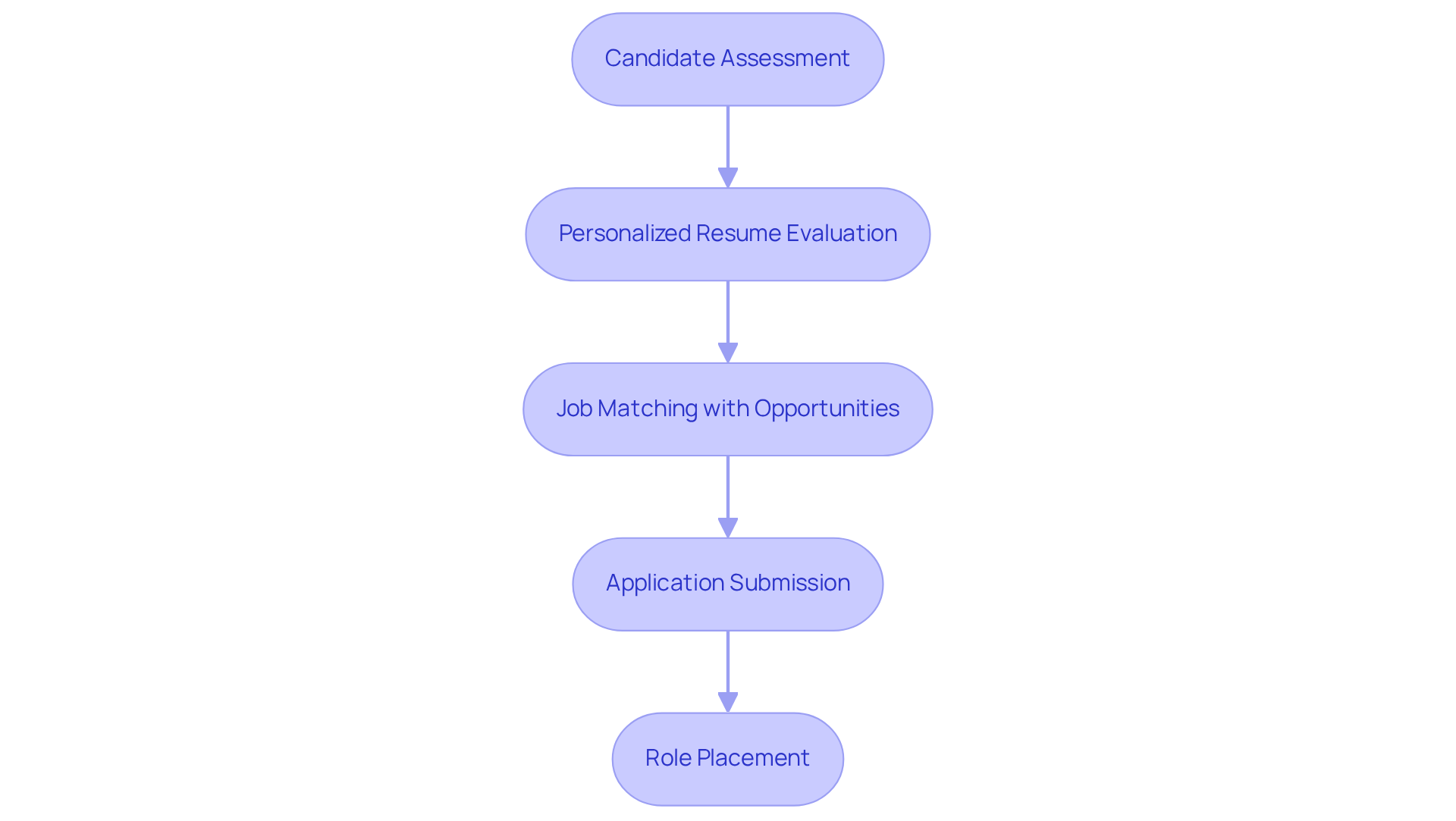
Hire ABA is a specialized recruitment platform designed to for in the expanding field of Applied Behavior Analysis (ABA) therapy. Did you know that the by over 22% in the next eight years? This significant increase underscores the . Hire ABA connects qualified professionals with job opportunities tailored to their expertise and career goals. Our ensure that each candidate's experience and aspirations are thoroughly evaluated, allowing us to match them with roles that align with their skills, preferences, and desired locations.
The platform's focused approach addresses the by providing seeking to recruit skilled professionals. Consider the , such as placements in urban areas where demand is particularly high. These instances illustrate how Hire ABA has facilitated connections in various environments, including schools, clinics, and hospitals. From application to negotiation, we provide tailored guidance to ensure BCBAs land the roles that are perfect for them.
As the job market continues to evolve, specialized recruitment platforms like Hire ABA play a crucial role in ensuring that skilled professionals are matched with positions that meet the growing needs of the industry. Are you ready to enhance your recruitment process and ? Let Hire ABA be your partner in navigating this dynamic landscape.
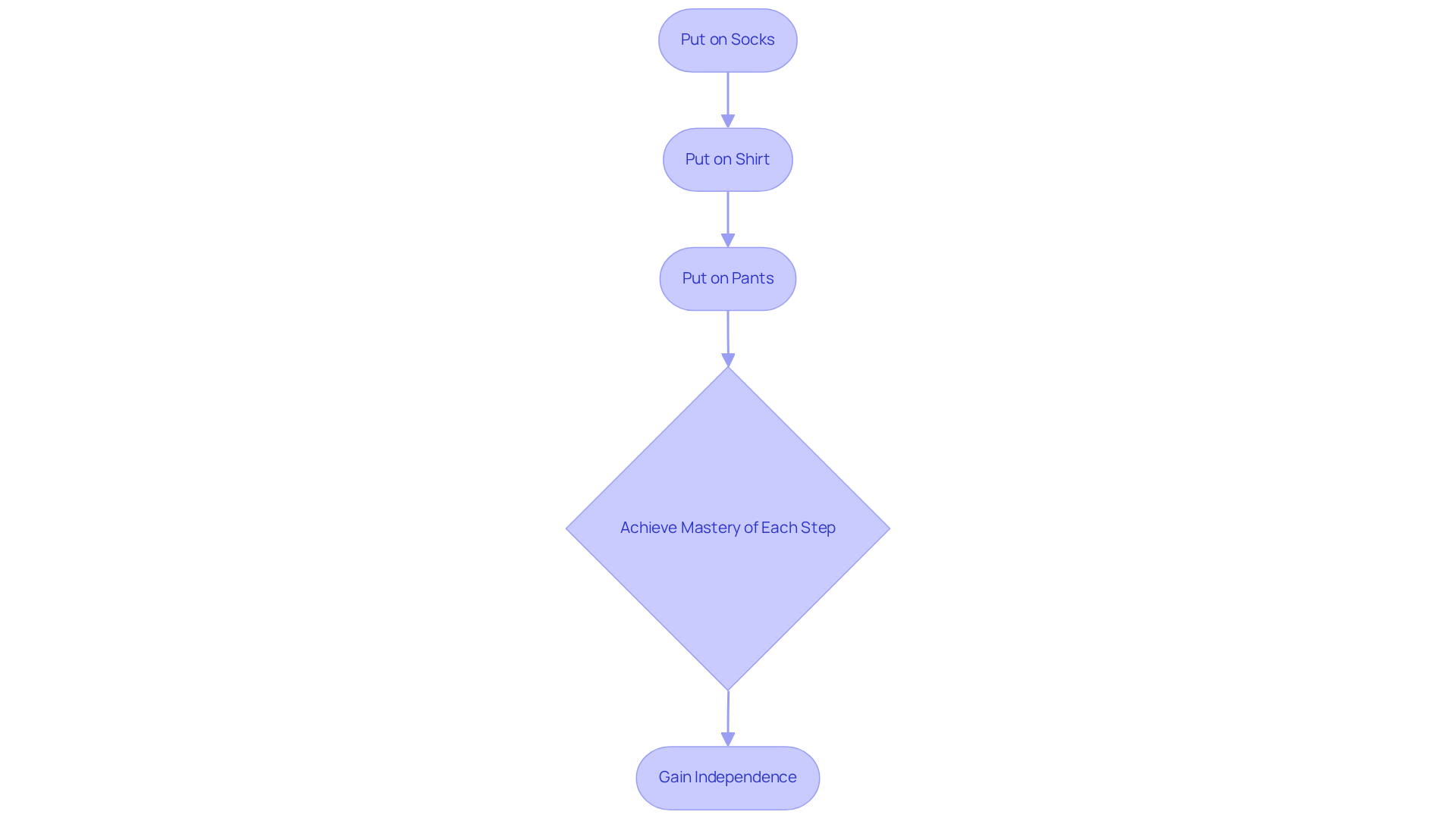
The represents a systematic instructional technique that commences with the initial part of a task, progressively integrating additional components. For instance, a for guiding a young learner in the process of dressing begins with putting on socks, followed by donning a shirt, and then pants. As the young learner masters each step, the next one is introduced. This incremental method simplifies the learning process and allows the learner to experience early successes, significantly boosting their confidence and motivation.
Ralph Moller aptly observes, 'The incremental aspect of offers a to gaining new abilities.' Recent studies reveal that , a technique illustrated in the [chaining aba example](https://hireaba.today), effectively enhances , particularly in daily routines such as dressing.
Behavior analysts emphasize that this approach fosters a , where young learners feel supported and motivated to achieve each phase, ultimately resulting in greater independence in their daily lives. To implement forward chaining effectively, consider (BCBA) for tailored strategies that cater to individual needs.
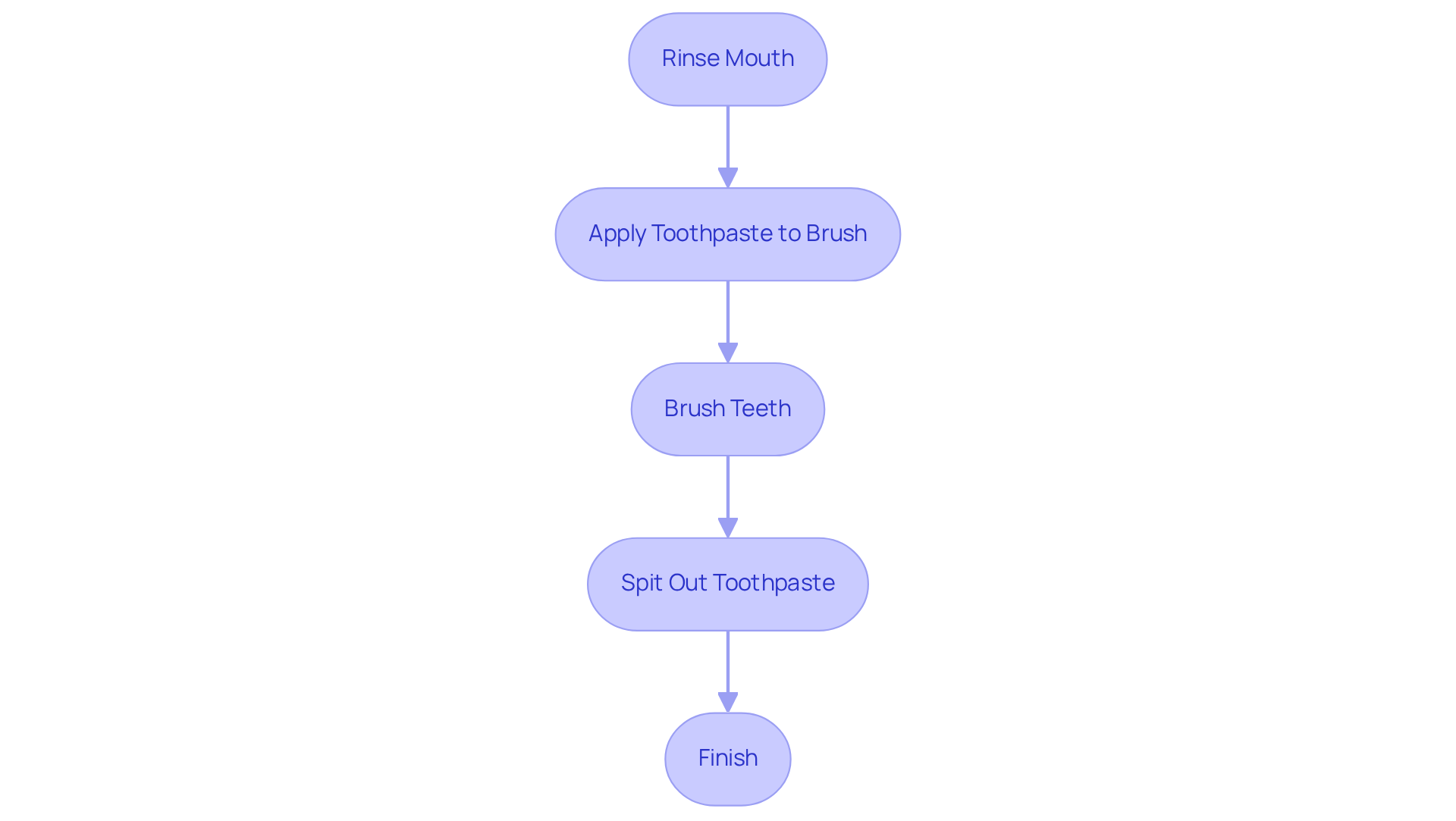
The demonstrates that is a highly , allowing learners to master tasks by starting with the final action and working backward. For instance, in a of teaching a child to brush their teeth, the last step—rinsing the mouth—is introduced first. Once the child successfully masters rinsing, the next step, applying toothpaste to the brush, is taught. This approach serves as a chaining aba example, allowing the young learner to experience the satisfaction of completing the task while also reinforcing their learning through immediate success.
Research indicates that this method significantly enhances motivation and fosters a , making it particularly beneficial for children with . A study revealed that the ability to brush teeth was maintained at 100% accuracy over a two-month period, demonstrating the effectiveness of . By focusing on small, manageable steps, , ultimately leading to greater autonomy in daily living activities. Furthermore, this approach supports neurodiverse learners by adapting to their , ensuring that all individuals can excel in their .
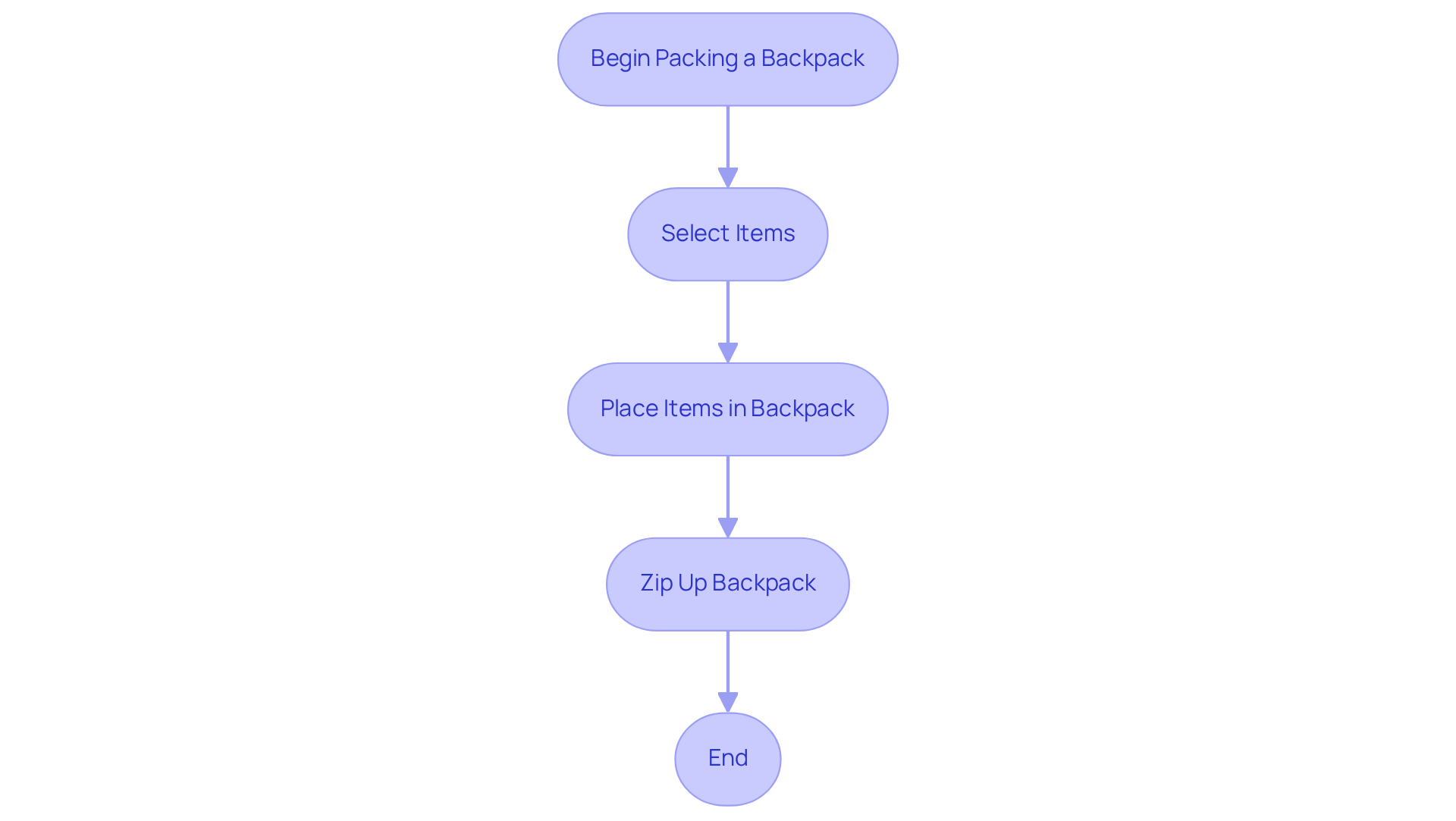
The illustrates how represents a highly effective method in , guiding individuals through the entire process of completing an assignment within a single session. For instance, when teaching a child to pack a backpack, an adult assists through each step—selecting items, placing them in the backpack, and zipping it up—allowing the child to visualize the complete sequence. This approach, often referred to as a example, proves particularly advantageous for activities with multiple components, as it fosters a clear understanding of how each step contributes to the overall objective.
The Government of Canada recognizes ABA, including the [chaining ABA example](https://hireaba.today), as a 'best practice' for supporting youth with autism spectrum disorder (ASD). Research indicates that , highlighted in the chaining ABA example, significantly enhances ability acquisition, with studies revealing that children who engage in this method demonstrate remarkable progress across various activities. For example, kids develop essential everyday living skills, such as packing a backpack, through and self-assurance. This , exemplified by chaining ABA example, not only aids in mastering individual steps but also cultivates a sense of achievement as children successfully complete the entire task.
Moreover, findings indicate that 90% of children experience notable progress when the recommended hours of (EIBI) are fully implemented with active caregiver involvement. This participation is crucial, resulting in improved and bolstering the effectiveness of . By deconstructing complex tasks into manageable steps, this method encourages active participation and motivation, ultimately leading to enhanced . As children achieve success at each level, they become more inclined to engage in the learning process, thereby enhancing their skills and fostering a nurturing environment for development.
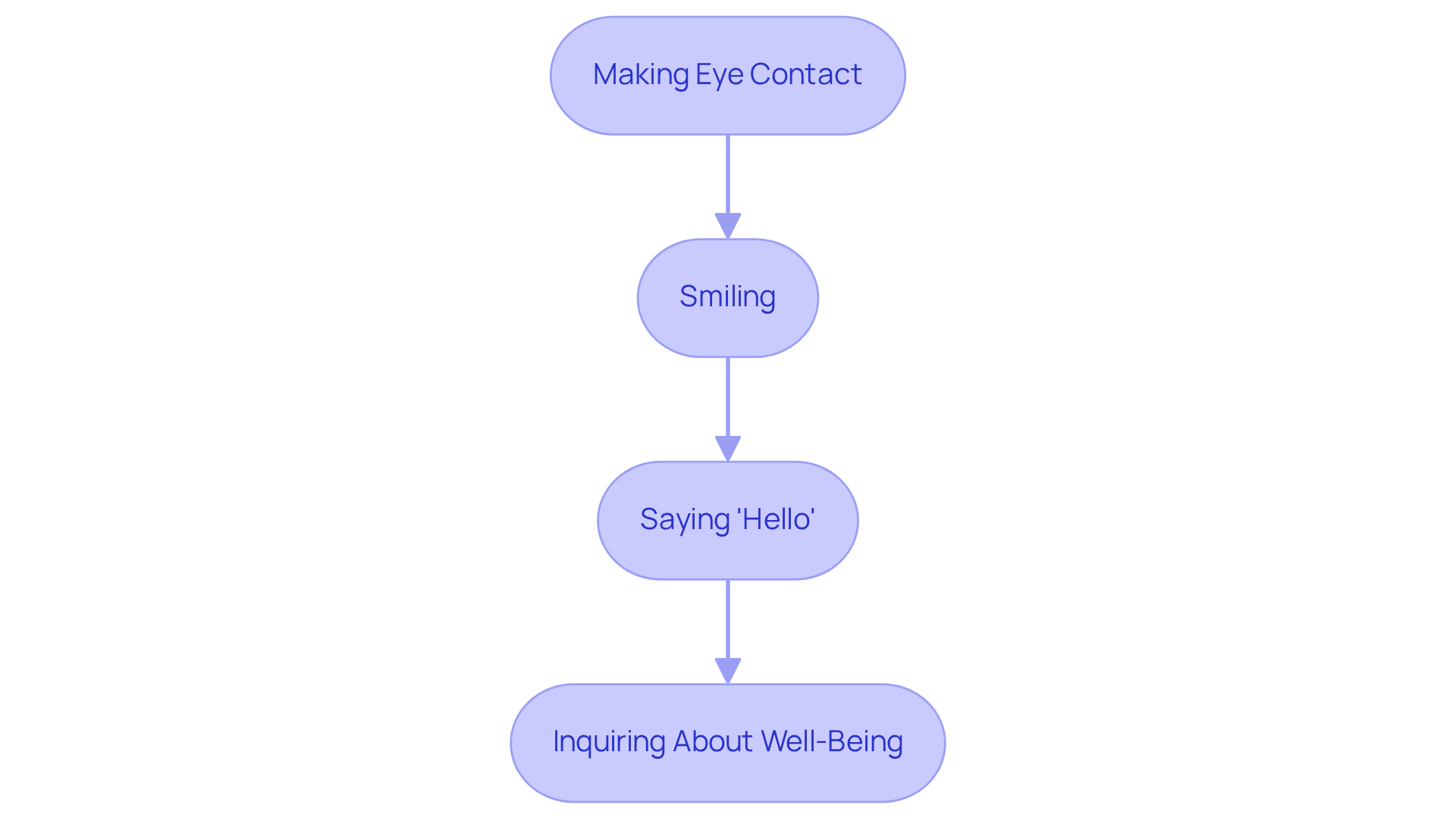
The represents a powerful technique in , particularly for such as greetings. This method involves deconstructing the greeting into manageable phases:
Each component is practiced individually before being integrated, allowing the young learner to master the complete greeting sequence.
Successful implementations of this approach highlight its effectiveness in . For instance, children who engage with these methods in structured environments often exhibit to connect with others, fostering relationships and reducing social anxiety.
Recent studies underscore the effectiveness of , specifically the , in teaching greetings, revealing that individuals with autism benefit from . Research indicates that using a chaining ABA example, which involves teaching the initial action first, can lead to quicker mastery of social interactions. Furthermore, the chaining ABA example of backward chaining, which starts with the final phase, allows young learners to experience early success, bolstering their confidence.
In practice, therapists may use a chaining ABA example to implement , teaching all steps within a single session and gradually fading prompts as the individual gains independence. This method not only streamlines the learning process but also enhances engagement and minimizes frustration.
Current discussions in the field emphasize the importance of for overall well-being, reinforcing the need for effective strategies like in developing essential interpersonal abilities. By focusing on these techniques, ABA practitioners can significantly improve children's capacity to navigate social situations, ultimately leading to deeper connections.
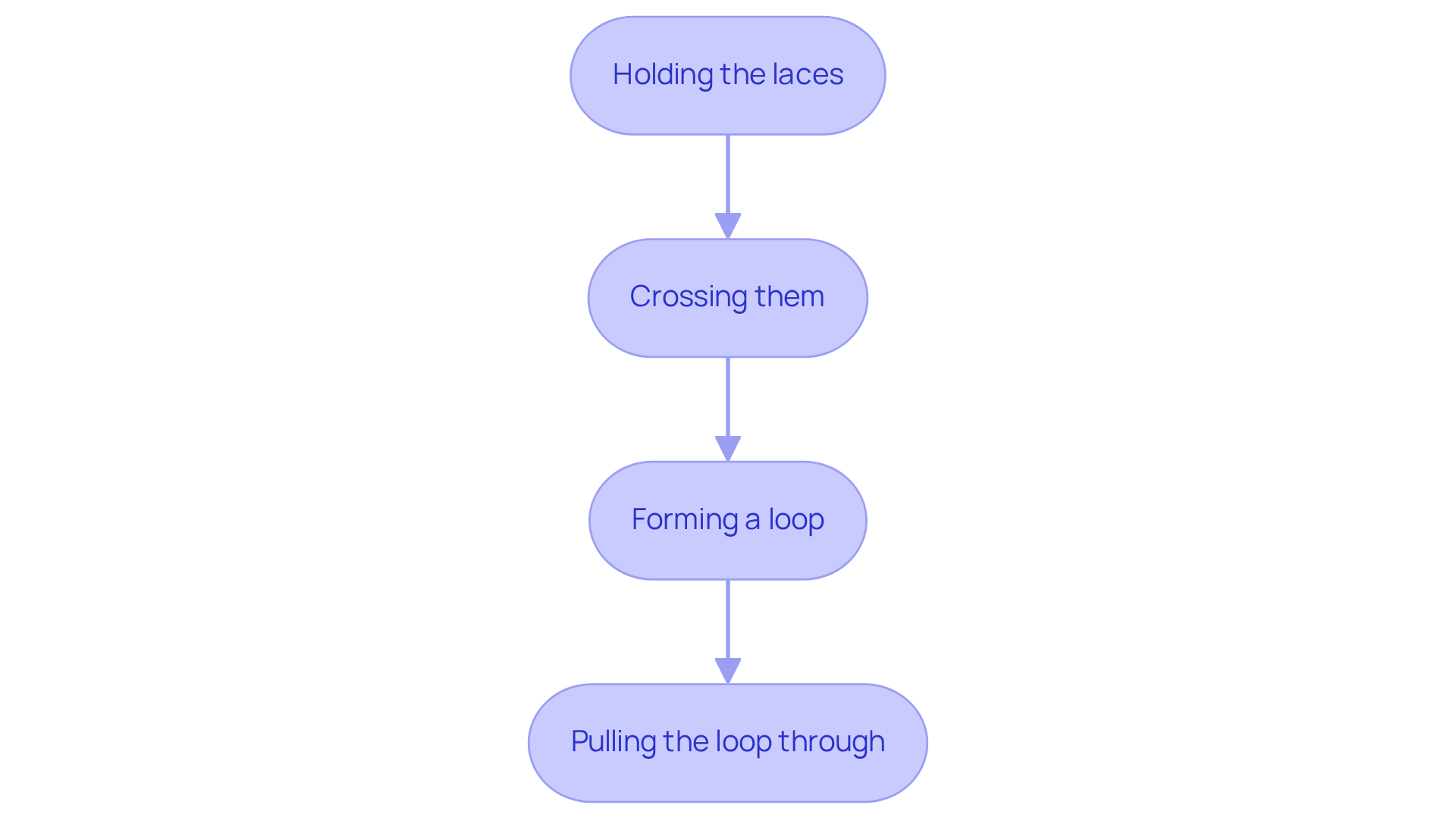
serves as a structured method that deconstructs intricate processes into smaller, manageable steps, significantly enhancing . Consider the when teaching a child to tie their shoelaces. This process can be systematically broken down into distinct actions, which is a chaining :
Such a not only clarifies each component of the task but also empowers educators to develop that address individual learner needs. , including picture schedules and checklists, further augment this process by providing clear guidance for each step. Research indicates that these methods can lead to substantial improvements in skill acquisition and confidence among young individuals, particularly those with . Notably, studies show that can result in a remarkable among youngsters with autism. By employing [activity analysis](http://hireaba.today/blog-posts/understanding-drh-in-aba-definition-context-and-examples) alongside consistent data collection methods, educators can ensure mastery of each step before progression, ultimately fostering independence and competence in daily activities.
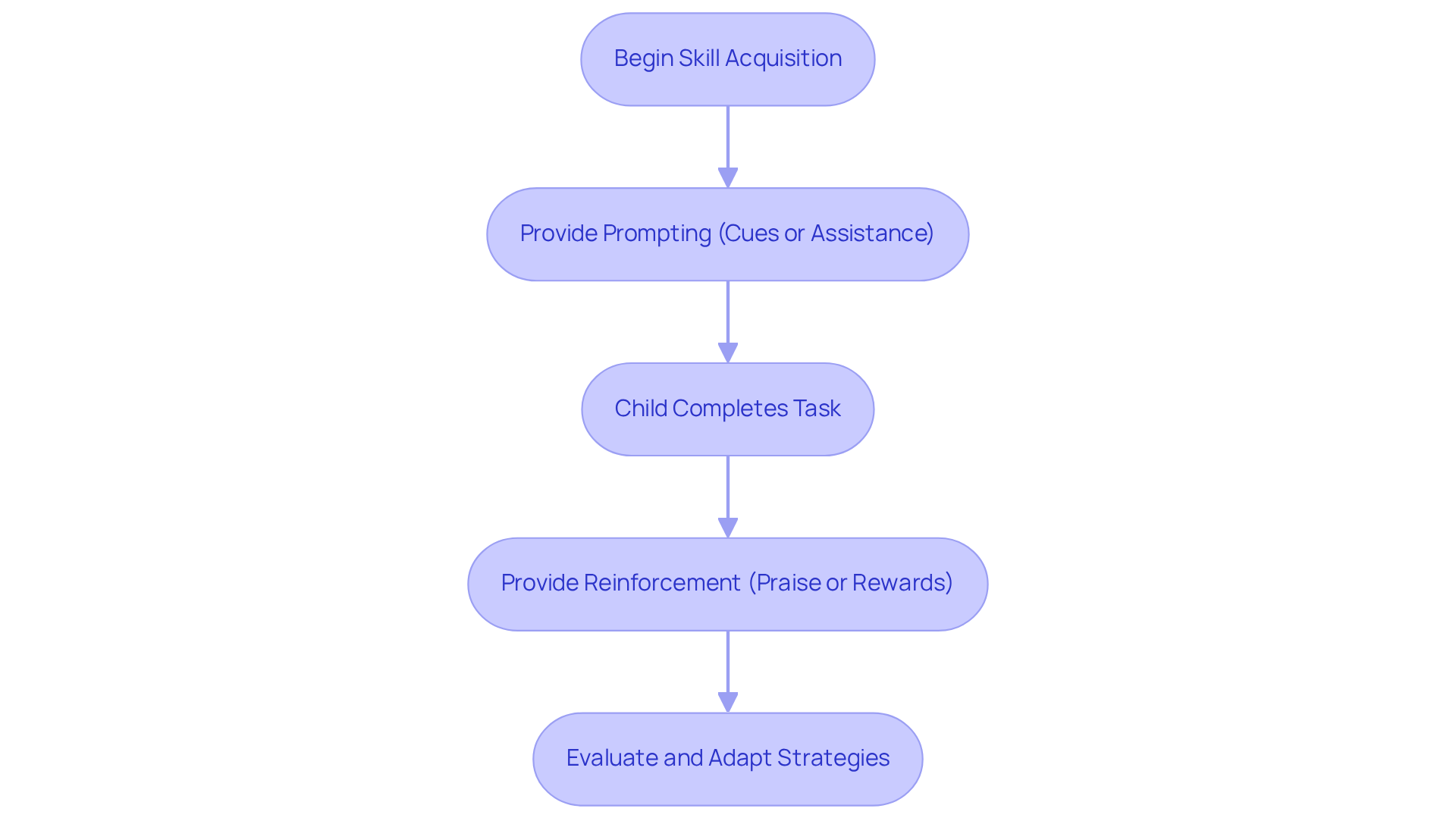
Prompting involves providing cues or assistance to help a young one complete an activity, while reinforcement entails rewarding the individual for their efforts. In the context of , these strategies are essential for encouraging the successful acquisition of abilities.
For instance, when using a to teach a young one to get dressed, an adult might encourage them to put on their shirt and then provide , such as praise or a small reward, upon successful accomplishment of the task. This combination of support promotes a positive learning atmosphere and corresponds with current research suggesting that can lead to successful ability acquisition in up to 91% of cases, as mentioned in the Journal of .
Furthermore, the use of prompts has been shown to , making it a valuable strategy in ABA. However, it is important to recognize that reinforcement may stop working due to various challenges in .
By integrating these methods, practitioners can create a that encourages young individuals to develop more effectively. To improve the , practitioners should regularly and modify them according to the unique requirements of the individual.
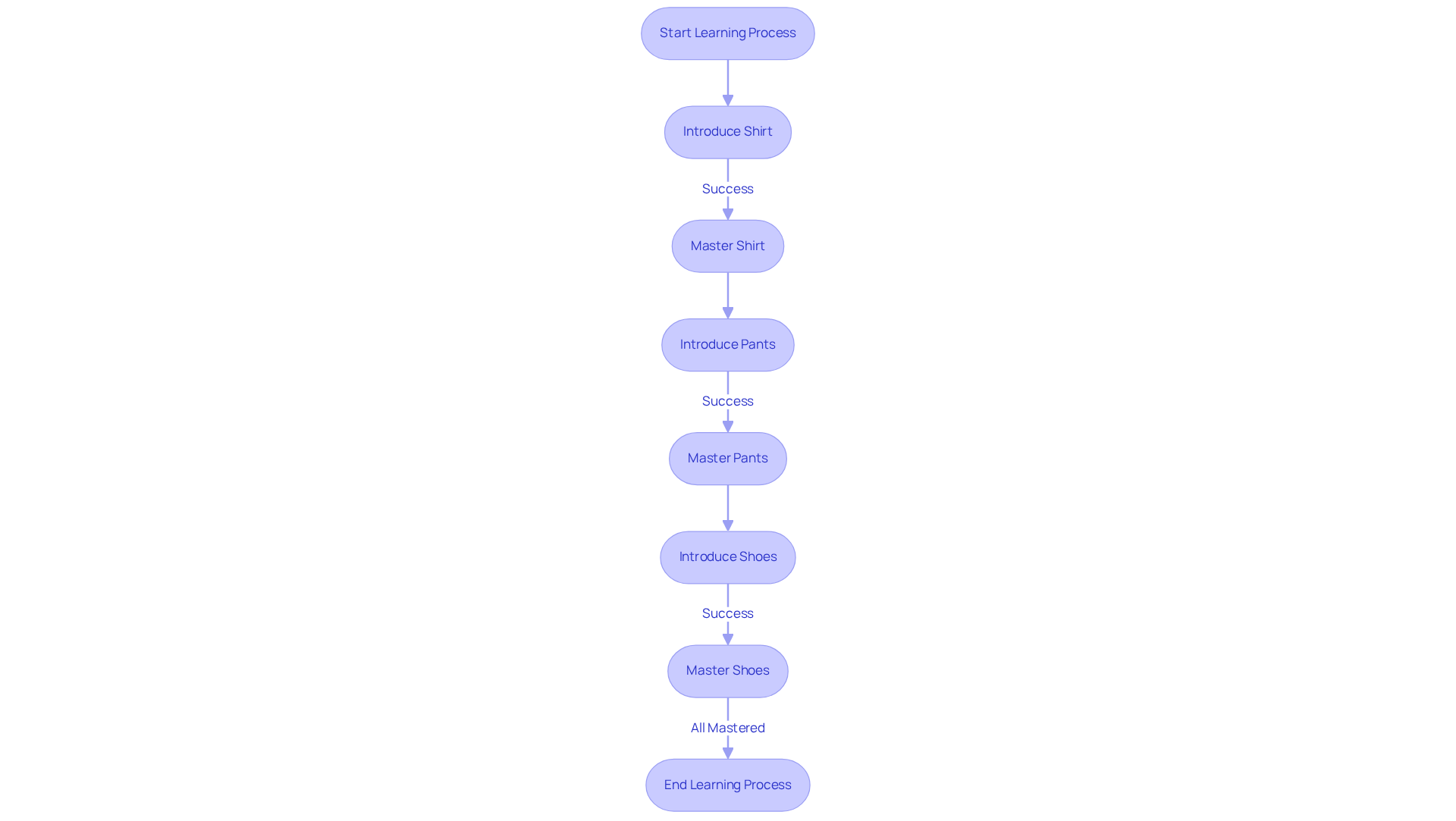
stands as a cornerstone of , enabling learners to develop confidence and competence incrementally. Consider the of instructing a young learner to dress independently, where an educator might start the process with just the shirt and gradually incorporate additional clothing pieces as the student masters each stage. This method not only but also mitigates frustration, keeping the child engaged and motivated throughout the journey.
Research underscores that this , empowering learners to apply their skills across various contexts. in reveal that early successes significantly boost motivation and engagement, culminating in a more effective learning experience.
Current by dividing intricate tasks into manageable components, ensuring mastery of each skill before progression, which is crucial for in . Furthermore, forward chaining allows learners to experience success as they master each step incrementally, reinforcing their motivation and engagement in the learning process.
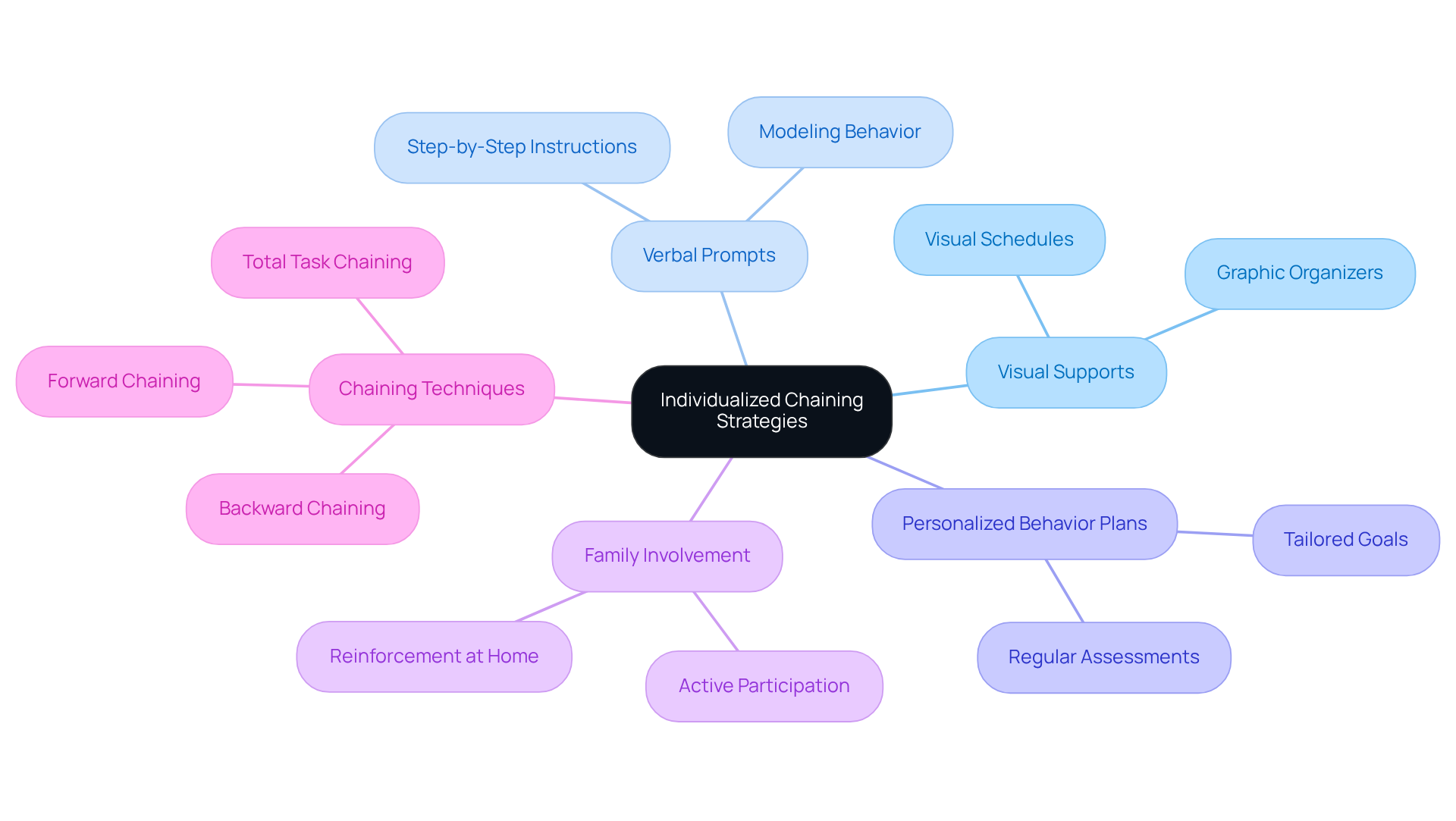
The use of is crucial for optimizing learning outcomes in . Each individual demonstrates unique responses to various techniques, necessitating a customized approach that aligns with their specific needs and preferences. For instance, while some young individuals may thrive with , others might find verbal prompts more effective. Research indicates that the tailored to a young person's strengths and challenges significantly and promote overall success. Successful implementations include:
By consistently evaluating and adjusting these strategies, practitioners can foster an and achieve their personal goals.
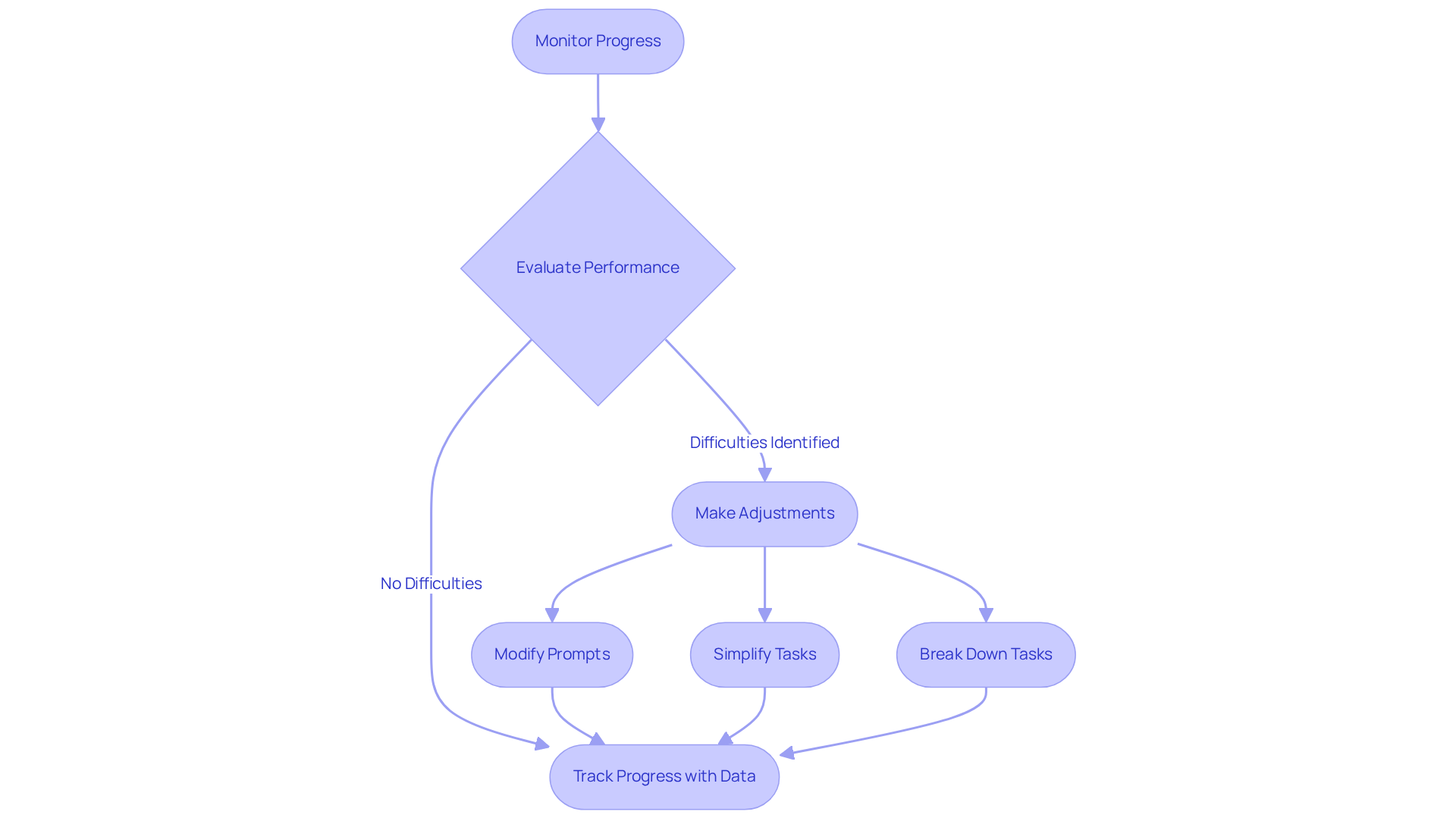
Monitoring progress is essential for , particularly when using a in the implementation of techniques. Practitioners must regularly evaluate a young person's performance to assess the effectiveness of these techniques. If a young person faces difficulties with a specific step, adjustments may be warranted. This could involve , simplifying tasks, or breaking them down into smaller, more manageable components.
Research indicates that continuous enhances intervention effectiveness, enabling therapists to make informed, that address each individual's unique needs. For instance, a case study titled 'Personalized Intervention through Data Tracking' illustrates how lead to improved and overall success in therapy.
Additionally, expert Yitz Diena emphasizes that 'data plays a pivotal role in by serving as the foundation for assessing intervention effectiveness and tracking individual progress.' By fostering a responsive approach to , practitioners can ensure that every child receives the tailored support necessary for optimal learning outcomes.
Chaining techniques in Applied Behavior Analysis (ABA) therapy are crucial for skill development among children. By systematically breaking down tasks into manageable steps, methods such as forward chaining, backward chaining, and total task chaining facilitate structured learning. This approach nurtures independence and fosters confidence, enabling young learners to effectively master essential life skills.
Various examples of chaining highlight their practical application in everyday situations—dressing, brushing teeth, and social interactions. Each method underscores the importance of gradual progression and individualized strategies tailored to each child's unique needs. Additionally, the integration of prompting and reinforcement strategies further supports skill acquisition, ensuring children receive the encouragement necessary for success.
The significance of these chaining techniques is profound. As the demand for skilled behavior analysts continues to rise, embracing effective methods in ABA therapy becomes increasingly vital. By implementing these strategies, practitioners can create a supportive learning environment that empowers children to develop essential skills, paving the way for greater independence and success in their daily lives. The call to action is clear: those involved in ABA therapy must prioritize the use of chaining techniques to optimize outcomes for children, ultimately transforming their learning experiences and enhancing their quality of life.
What is Hire ABA?
Hire ABA is a specialized recruitment platform designed to streamline the job search for Board Certified Behavior Analysts (BCBAs) in the field of Applied Behavior Analysis (ABA) therapy.
What is the projected demand growth for BCBAs?
The demand for BCBAs is projected to grow by over 22% in the next eight years.
How does Hire ABA assist job seekers?
Hire ABA connects qualified professionals with job opportunities tailored to their expertise and career goals, providing personalized resume assessments to match candidates with suitable roles.
What types of organizations benefit from Hire ABA?
Healthcare employers, including schools, clinics, and hospitals, benefit from Hire ABA as it provides targeted resources and support for recruiting skilled professionals in the ABA therapy sector.
What is forward chaining in ABA?
Forward chaining is a systematic instructional technique that starts with the initial part of a task and progressively integrates additional components, helping learners master tasks step by step.
How does forward chaining benefit young learners?
Forward chaining simplifies the learning process, allowing young learners to experience early successes, which boosts their confidence and motivation.
What is backward chaining in ABA?
Backward chaining is an instructional method where learners start with the final action of a task and work backward, promoting mastery by reinforcing learning through immediate success.
What are the advantages of backward chaining for children?
Backward chaining enhances motivation and fosters a sense of accomplishment, making it particularly beneficial for children with developmental disabilities by promoting independence and proficiency in daily living activities.
Our expert recruitment strategies and AI-driven sourcing ensure that you receive top-notch candidates quickly, without compromising on quality. Whether you’re looking for BCBAs, Clinical Directors, or RBTs, we’ve got you covered.


