


Thank you! Your submission has been received!
Oops! Something went wrong while submitting the form.
November 19, 2025

The demand for effective strategies in Applied Behavior Analysis (ABA) therapy is at an all-time high, with a staggering increase in certified professionals addressing the complex behavioral challenges faced by clients. This article explores ten impactful antecedent interventions that can revolutionize therapeutic practices. These strategies not only prevent problem behaviors but also significantly enhance engagement and compliance among clients.
As practitioners work to optimize their approaches, consider this: how can these interventions be tailored to meet the unique needs of each individual while fostering a supportive environment? By reflecting on your current hiring challenges, you may find that the right recruitment strategies can make all the difference.
Incorporating these interventions into your practice can lead to transformative outcomes. They provide a framework for understanding and addressing the specific needs of clients, ultimately creating a more effective therapeutic environment. The question remains: are you ready to take action and implement these strategies to elevate your practice?
Engage with the insights presented here and discover how to enhance your therapeutic approach. The journey toward improved client outcomes starts with informed decisions and tailored interventions.
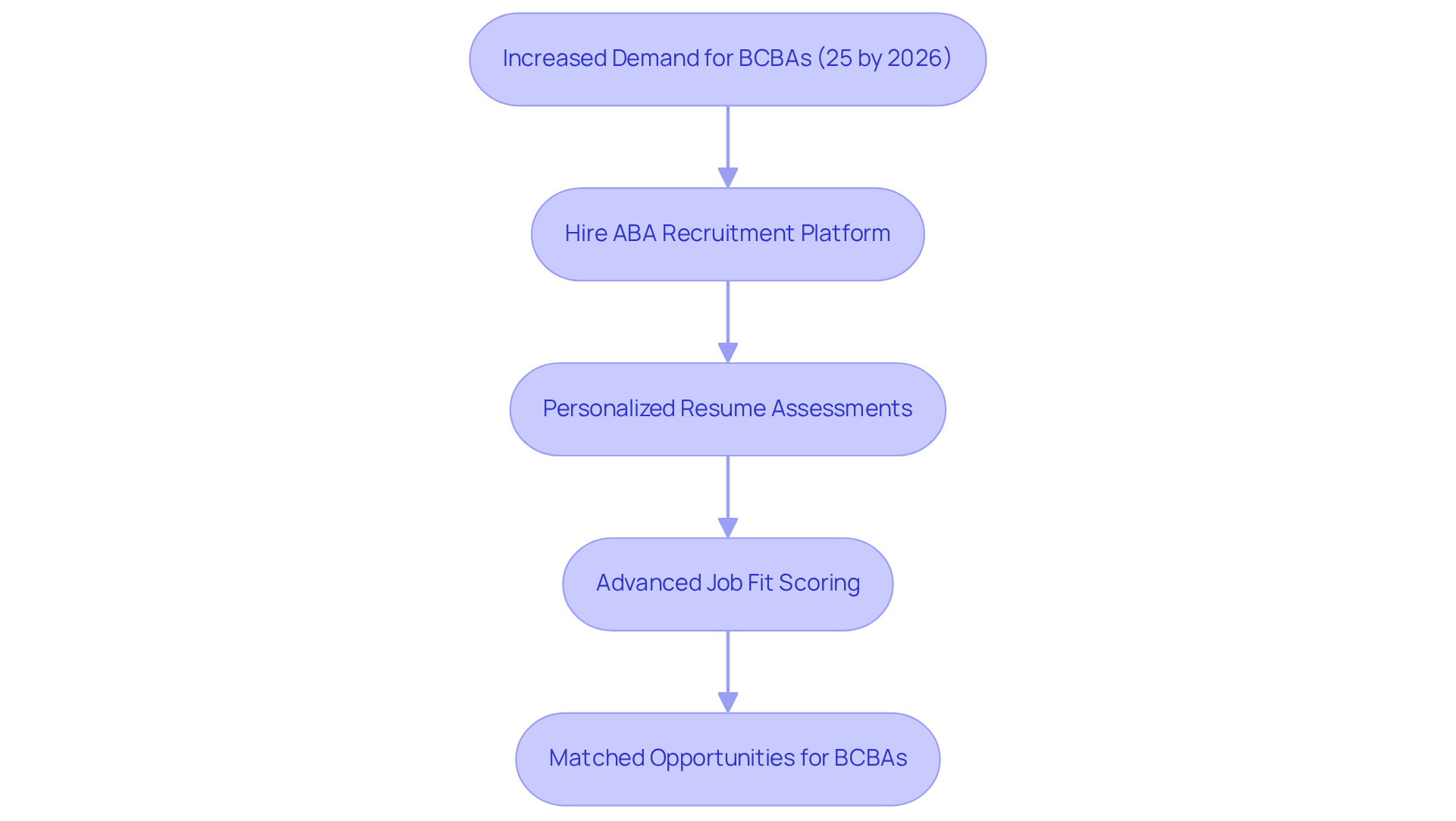
Did you know that the ? With such a significant rise in demand, it’s crucial for BCBAs to connect with the right (ABA) therapy.
Enter Hire ABA, a specialized recruitment platform designed to bridge the gap between qualified BCBAs and . In fact, there was a remarkable 127% . Hire ABA streamlines the hiring process through . This means that qualified professionals are matched with roles that truly align with their expertise, career aspirations, and preferred locations.
Imagine identifying opportunities that suit your skills and preferences effortlessly. Hire ABA not only simplifies job matching but also . This positions Hire ABA as an .
Are you ready to take the next step in your career? Let Hire ABA guide you to the opportunities that await.
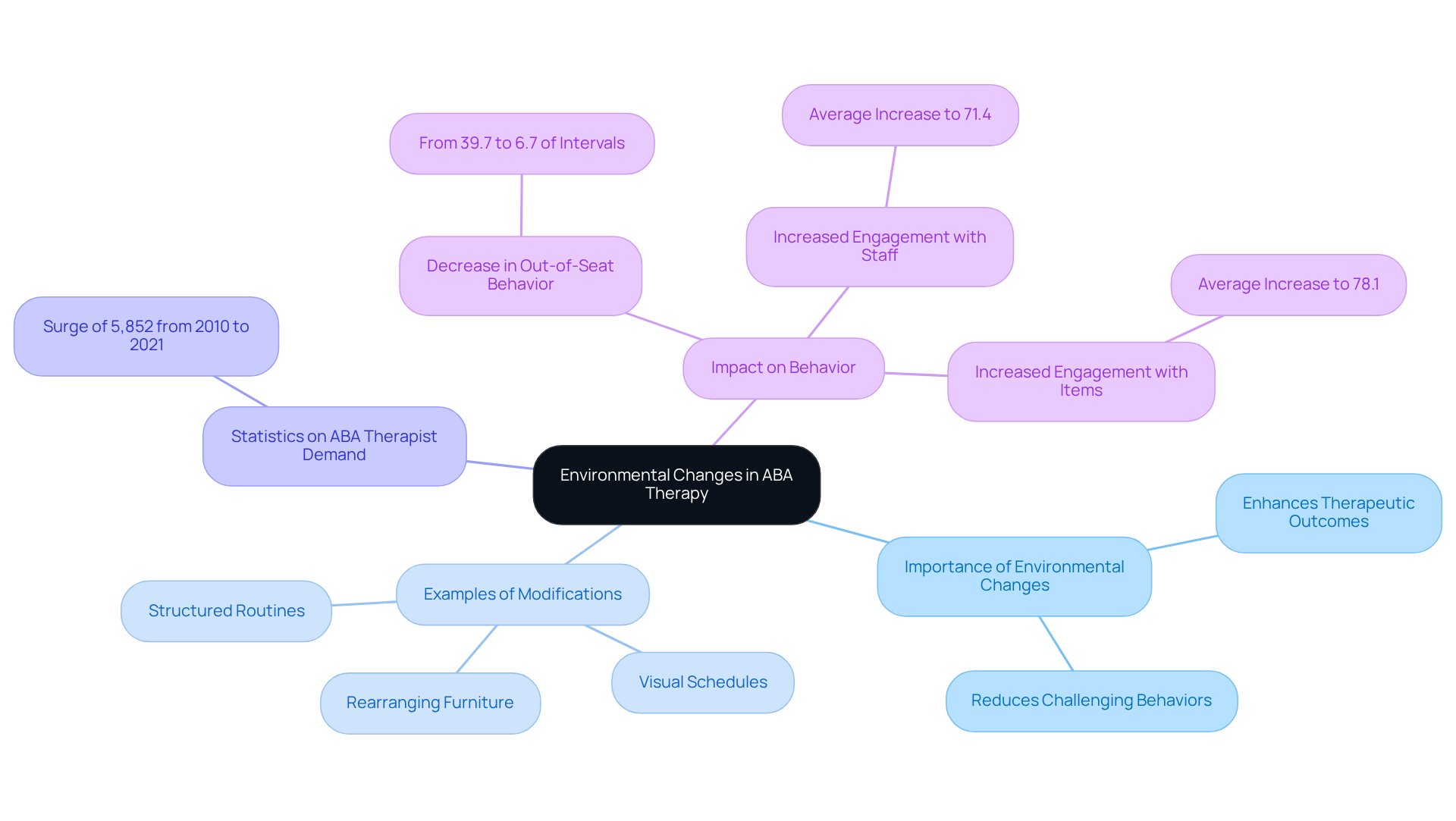
in reshaping the physical or social environments, which is an , to mitigate triggers in ABA therapy. Did you know that the demand for has surged by an astounding 5,852% from 2010 to 2021? This statistic underscores the urgency for .
Consider how to minimize distractions or establishing a structured routine, can be seen as an that significantly enhances therapeutic outcomes. For instance, a study by James W. Jackson revealed that implementing , reducing anxiety and the likelihood of outbursts. Such straightforward changes, including seating layouts and staff placement, have been shown to boost student involvement and dramatically decrease out-of-seat behavior. In one notable case, out-of-seat conduct plummeted from 39.7% to an average of 6.7% of intervals following environmental modifications.
Jackson emphasizes that these not only foster a supportive atmosphere but also allow individuals to focus more effectively, which leads to a reduction in challenging behaviors. The integration of these strategies into therapy settings highlights the critical importance of .
As the need for continues to rise, the application of effective strategies is more essential than ever. Are you facing challenges in hiring qualified professionals? Consider how platforms like can streamline your recruitment process, ensuring you have the right talent to support your clients effectively.
Offering options is an effective that significantly enhances an individual's sense of autonomy. Therapists can effectively reduce resistance and boost engagement by using that allow individuals to choose between activities or tasks. Consider this: providing a selection between two preferred activities is an example of [antecedent interventions ABA example](https://hireaba.today) that not only but also fosters a sense of autonomy.
This approach is essential. Research spanning from 2003 to 2020 confirms that the use of antecedent interventions ABA example in therapy leads to . These include a reduction in frustration, which often triggers challenging behaviors. By prioritizing , therapists can cultivate a more positive that promotes cooperation and minimizes behavioral issues, as demonstrated in the antecedent interventions ABA example.
So, how can therapists implement this strategy effectively? They should regularly incorporate antecedent interventions ABA example by including in their sessions. This practice allows individuals to and engaged in their therapeutic journey. By embracing this method, therapists not only enhance the therapeutic experience but also empower their clients.

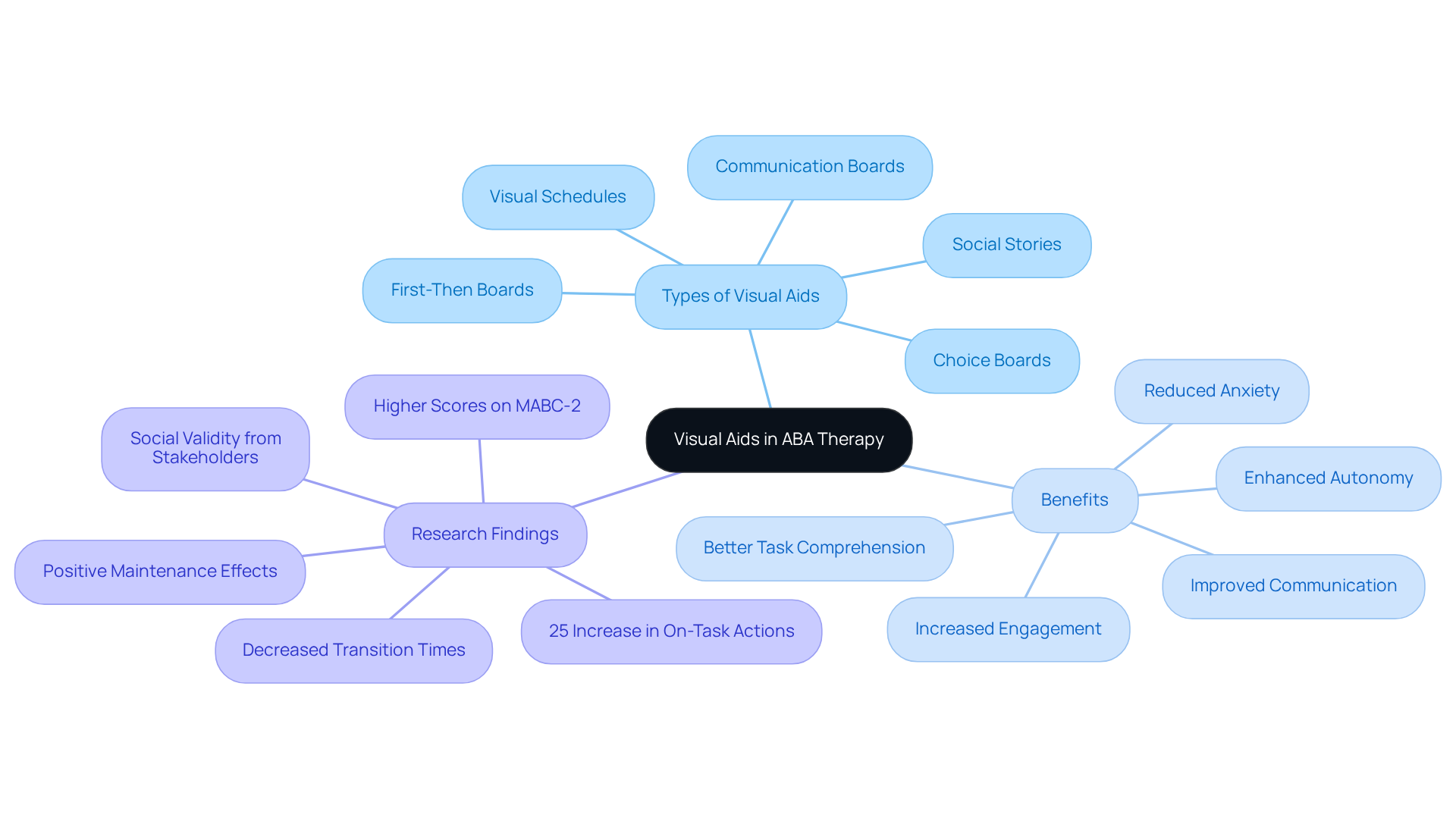
, such as charts, images, and schedules, play a pivotal role in . They significantly enhance understanding and participation, making them in this field. These aids clarify expectations and routines, which facilitates adherence to instructions, demonstrating an . For instance, a enables a child to anticipate upcoming activities, alleviating anxiety and promoting compliance.
Research underscores the effectiveness of , revealing that they not only improve communication skills but also foster social interactions among children with autism. One study highlighted a remarkable 25% increase in on-task actions when were utilized. As one researcher aptly noted, "Visual supports significantly impact how individuals manage tasks and comprehend expectations," ultimately enriching their learning experiences.
Specific types of visual supports, such as , have proven among children with autism. The act as an , further contributing to their overall effectiveness in and ensuring that the skills learned are retained over time.
Are you ready to enhance your ABA therapy practices? Consider integrating to not only improve engagement but also to foster a more supportive learning environment.
The is a strategic approach in that significantly enhances . Recent studies reveal that when precede low-probability ones. This method effectively builds momentum, making it easier for individuals to tackle more challenging tasks.
Consider this: a therapist might first ask an individual to complete three simple tasks - like clapping hands, touching their nose, and standing up - before transitioning to a more complex request, such as completing a worksheet. This sequence not only but also reinforces through immediate successes.
Furthermore, the , which enhances the effectiveness of this approach. By focusing on attainable tasks, therapists that empowers individuals to face more difficult challenges with greater assurance.
As analysts have noted, "Compliance generally increases when low-probability requests are preceded by a series of ." This underscores the in practice. Are you ready to elevate your therapeutic strategies and foster a more supportive environment? Embrace the and witness the transformation in compliance and confidence.

stands as a crucial approach in , empowering clients to articulate their needs and desires through . By substituting with , FCT not only reduces frustration but also enhances interactions. For instance, consider a child who typically resorts to tantrums when wanting a toy; they can be taught to use a to express their request. This method significantly lowers the frequency of tantrums while fostering the child's ability to communicate their needs effectively.
Research indicates that FCT can lead to over a 50% reduction in , with improvements often maintained over the long term. Notably, when FCT is combined with punishment, there has been at least a 90% decrease in problematic actions for every instance it was applied. emphasize the importance of teaching these , as they not only address immediate behavioral concerns but also promote greater independence and social integration for individuals.
As one analyst aptly stated, "Actions are a form of communication, and we must listen." The success of FCT is evident in numerous case studies, such as those highlighted in "," where individuals have transitioned from frustration-driven behaviors to more constructive communication. This showcases the within .
Moreover, active involvement from caregivers has proven to significantly enhance outcomes, with when caregivers engage in the process. Are you ready to explore how FCT can revolutionize communication for those you support?

is essential in therapy, as it involves to meet the specific needs of each client. Did you know that ? This can include , selecting , or .
For instance, consider a therapist who uses different reinforcement strategies for a child. One child may respond better to verbal praise, while another might prefer tangible rewards. By recognizing these differences and accordingly, therapists can foster a more .
The benefits of are clear: enhanced engagement leads to improved outcomes. Are you currently facing challenges in your ? Reflect on how a tailored approach could transform your recruitment process. By prioritizing customization, you not only meet the but also elevate the overall effectiveness of your practice.

(FBAs) are essential tools in , systematically pinpointing the underlying reasons for challenging behaviors. By examining the antecedents, behaviors, and consequences - commonly referred to as the ABCs - therapists can devise targeted strategies, including an , that address the root causes of these behaviors. For example, if an FBA reveals that a child exhibits disruptive behaviors to gain attention, the strategy can be tailored to teach appropriate ways of seeking attention while reinforcing positive behavior. This proactive approach not only boosts the effectiveness of but also aligns with that include , prioritizing individualized assessment and ongoing evaluation.
Recent statistics underscore the significant role of FBAs in enhancing therapeutic outcomes. Research shows that , highlighting the critical need for FBAs in developing effective strategies. Moreover, FBAs have been validated through ten single-case design studies, demonstrating their efficacy in shaping (BIPs). By identifying specific triggers and patterns, practitioners can craft that promote .
Current trends in FBAs emphasize a collaborative approach, integrating insights from various disciplines to address multiple developmental areas. This comprehensive perspective not only deepens the understanding of behaviors but also ensures that strategies are thorough and tailored to the unique needs of each child. As the demand for certified ABA therapists continues to rise, the importance of FBAs in guiding effective strategies cannot be overstated, establishing them as a cornerstone of successful .

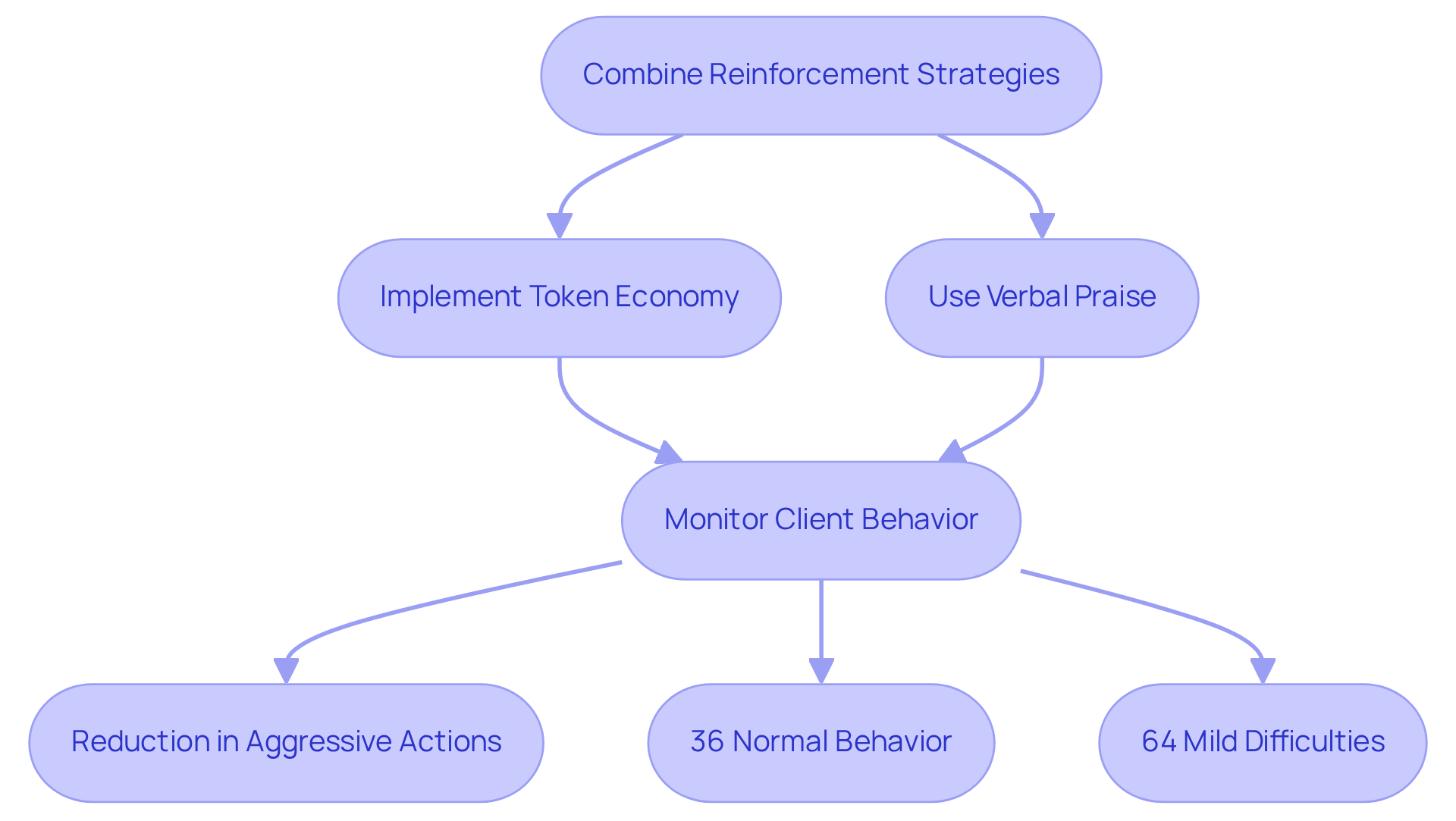
Incorporating various can significantly enhance the effectiveness of antecedent interventions in . Did you know that , like , have shown remarkable results? For instance, using a token economy system alongside verbal praise lays a solid foundation for promoting desired actions. This not only boosts motivation but also encourages greater involvement, increasing the likelihood that clients will repeat positive behaviors.
Research supports this approach. In a pilot study involving children in orphanages, the implementation of resulted in a , with average scores dropping from 34.42 to 16.34. Post-intervention assessments revealed that:
The was underscored by a Wilcoxon Z value of 6.18 and a p-value of less than 0.0001, indicating a strong effect of the program.
By as part of antecedent interventions to meet individual needs, therapists can create a more effective and supportive learning environment, ultimately enhancing the overall success of ABA approaches. As Daniel M. Maggin noted, ' have been promoted as one possible solution for tackling conduct issues.' Therefore, practitioners should seriously consider integrating various reinforcement methods to optimize therapeutic outcomes. Are you ready to elevate your ABA practice?
Effectively applying is not just beneficial; it’s essential. Did you know that eight out of nine randomized controlled trials (RCTs) reviewed demonstrated effective ? This statistic underscores the demand for who can tailor strategies to the unique characteristics of each environment - be it home, school, or community.
emphasize the importance of adapting strategies to ensure their efficacy. For instance, may need adjustments for classroom use. Recent research indicates that strategies designed for varied environments significantly enhance the generalization of skills, allowing clients to apply learned behaviors in real-world contexts. When strategies are adapted thoughtfully, they not only but also lead to .
This adaptability is crucial. Data shows that , fostering greater independence and social integration. To further enhance the effectiveness of these interventions, in the process. Are you currently facing challenges in hiring qualified professionals who understand these dynamics? Consider how can address these issues and support your recruitment needs.
In conclusion, the thoughtful application of is vital for success. By ensuring that skills are consistently reinforced across all settings, we can create a more supportive framework for individuals with autism. Take action today - partner with to find the right talent that can make a difference.

The demand for Board Certified Behavior Analysts (BCBAs) is skyrocketing, highlighting the urgent need for effective recruitment strategies. In this competitive landscape, leveraging platforms like Hire ABA can streamline the hiring process, ensuring that skilled therapists are matched with opportunities that align with their expertise.
By understanding and implementing effective antecedent interventions in ABA therapy, therapists can proactively address the triggers of challenging behaviors. This creates a more supportive and engaging environment for individuals in therapy. Key insights reveal the importance of:
These strategies not only promote autonomy and comprehension but also significantly improve compliance and communication.
The evidence supporting high-probability request sequences and functional communication training further emphasizes the necessity of adopting a comprehensive approach to behavior management in diverse settings. Are you facing challenges in finding qualified ABA professionals? Consider how Hire ABA can address these issues and enhance your recruitment efforts.
Embracing these strategies and tools is essential in fostering a therapeutic landscape that prioritizes individualized care and effective interventions. This proactive approach will not only enhance the quality of ABA therapy but also empower individuals to thrive in their behavioral journeys. Take action now-utilize Hire ABA to connect with the right talent and elevate your practice.
What is Hire ABA?
Hire ABA is a specialized recruitment platform designed to connect qualified Board Certified Behavior Analysts (BCBAs) with top-tier job opportunities in the field of Applied Behavior Analysis (ABA) therapy.
What is the projected demand for BCBAs by 2026?
The demand for Board Certified Behavior Analysts (BCBAs) is projected to increase by 25% by 2026.
How has job posting activity changed for BCBAs recently?
There was a remarkable 127% increase in job postings for BCBAs from 2017 to 2018.
How does Hire ABA streamline the hiring process?
Hire ABA streamlines the hiring process through personalized resume assessments and advanced job fit scoring, matching qualified professionals with roles that align with their expertise, career aspirations, and preferred locations.
Why are environmental changes important in ABA therapy?
Environmental changes are important as they help reshape physical or social environments to mitigate triggers, thereby enhancing therapeutic outcomes and reducing challenging behaviors.
What significant increase has been observed in the demand for certified ABA therapists?
The demand for certified ABA therapists surged by 5,852% from 2010 to 2021.
What are some examples of environmental modifications that can improve therapy?
Examples include rearranging furniture to minimize distractions and establishing structured routines, which can significantly enhance client involvement and reduce out-of-seat behavior.
How can offering choices enhance therapy outcomes?
Offering choices enhances an individual's sense of autonomy, reduces resistance, and boosts engagement, leading to a more positive therapeutic atmosphere and minimizing behavioral issues.
What do studies indicate about the effectiveness of antecedent interventions in therapy?
Research from 2003 to 2020 confirms that the use of antecedent interventions in therapy leads to notable improvements in behavioral outcomes, including reduced frustration and challenging behaviors.
How can therapists effectively implement choice-making in sessions?
Therapists can incorporate choice-making opportunities regularly in their sessions, allowing individuals to feel more in control and engaged in their therapeutic journey.
Our expert recruitment strategies and AI-driven sourcing ensure that you receive top-notch candidates quickly, without compromising on quality. Whether you’re looking for BCBAs, Clinical Directors, or RBTs, we’ve got you covered.


