


Thank you! Your submission has been received!
Oops! Something went wrong while submitting the form.
October 28, 2025

The article titled "10 Essential ABA Courses for BCBAs to Enhance Skills" underscores the pressing demand for Board Certified Behavior Analysts (BCBAs) in the field of applied behavior analysis (ABA). With the increasing complexity of client needs, the necessity for BCBAs to pursue specialized courses is more critical than ever. Ongoing education not only enhances professional skills but also ensures effective practice that leads to improved client outcomes.
As the demand for BCBAs continues to rise, it is essential for professionals in this field to engage in targeted training. This commitment to education is not merely beneficial; it is crucial for professional development. The article highlights that while it does not provide an exhaustive list of courses, the emphasis on continuous learning is clear. How prepared are you to meet the evolving challenges in ABA?
In conclusion, investing in essential ABA courses is not just an option; it is a necessity for BCBAs aiming to excel in their careers. By prioritizing ongoing education, you can enhance your skills, improve client interactions, and ultimately drive better outcomes. Take the initiative today to explore training opportunities that will elevate your professional expertise.
The landscape of Applied Behavior Analysis (ABA) is rapidly evolving. A significant surge in demand for skilled Board Certified Behavior Analysts (BCBAs) highlights the urgency of this transformation. As the need for effective behavioral interventions grows, so does the importance of continuous education and skill enhancement for professionals in this field.
This article explores ten essential ABA courses designed to elevate the expertise of BCBAs, enabling them to deliver impactful results in diverse settings. With so many options available, how can one determine which courses will truly enhance their practice and meet the challenges of tomorrow?
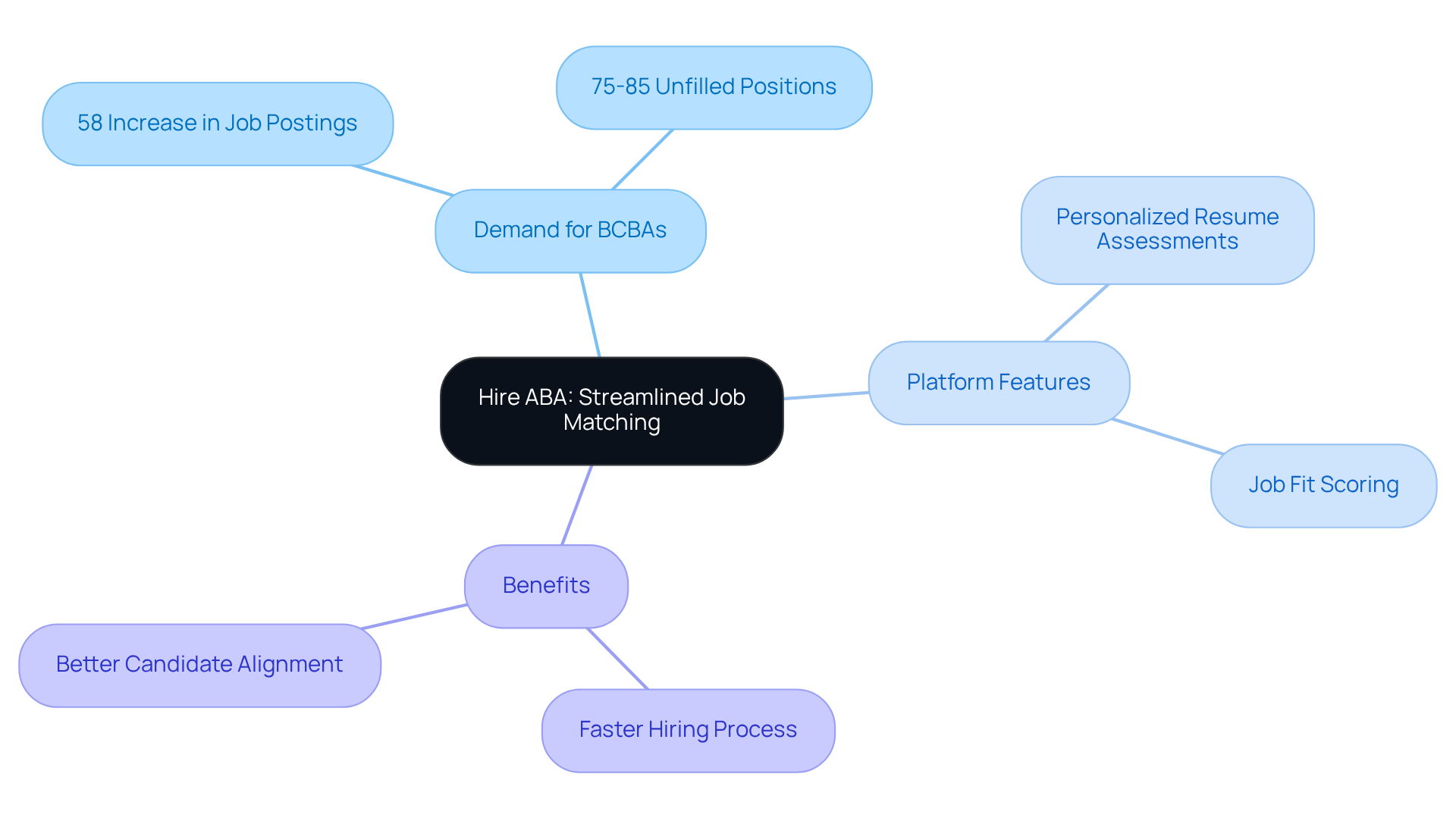
The demand for Board Certified Behavior Analysts (BCBAs) is on the rise, with a staggering 58% increase in job postings from 2023 to 2024. This statistic highlights the urgent need for effective recruitment solutions in the field of behavior analysis. Hire ABA is a specialized recruitment platform designed to simplify the job search for BCBAs, effectively matching qualified candidates with premier job opportunities.
By leveraging advanced algorithms and a comprehensive understanding of the ABA landscape, Hire ABA ensures that your experience and career goals are thoroughly evaluated through personalized resume assessments. This meticulous approach allows us to align you with the best roles available. Additionally, our advanced job fit scoring identifies opportunities that resonate with your skills, preferences, and desired locations.
This method not only accelerates the hiring process but also significantly enhances job matching efficiency. Consider this: approximately 75-85% of behavior analytic service organizations report unfilled BCBA positions. This statistic underscores the urgency of Hire ABA's role in connecting employers with the right talent.
The platform alleviates the burden of lengthy searches for job seekers while enabling employers to efficiently identify candidates who align with their organizational needs. Are you facing challenges in your hiring process? Let Hire ABA foster a more effective and satisfying hiring experience for both parties. Explore how we can transform your recruitment strategy today.
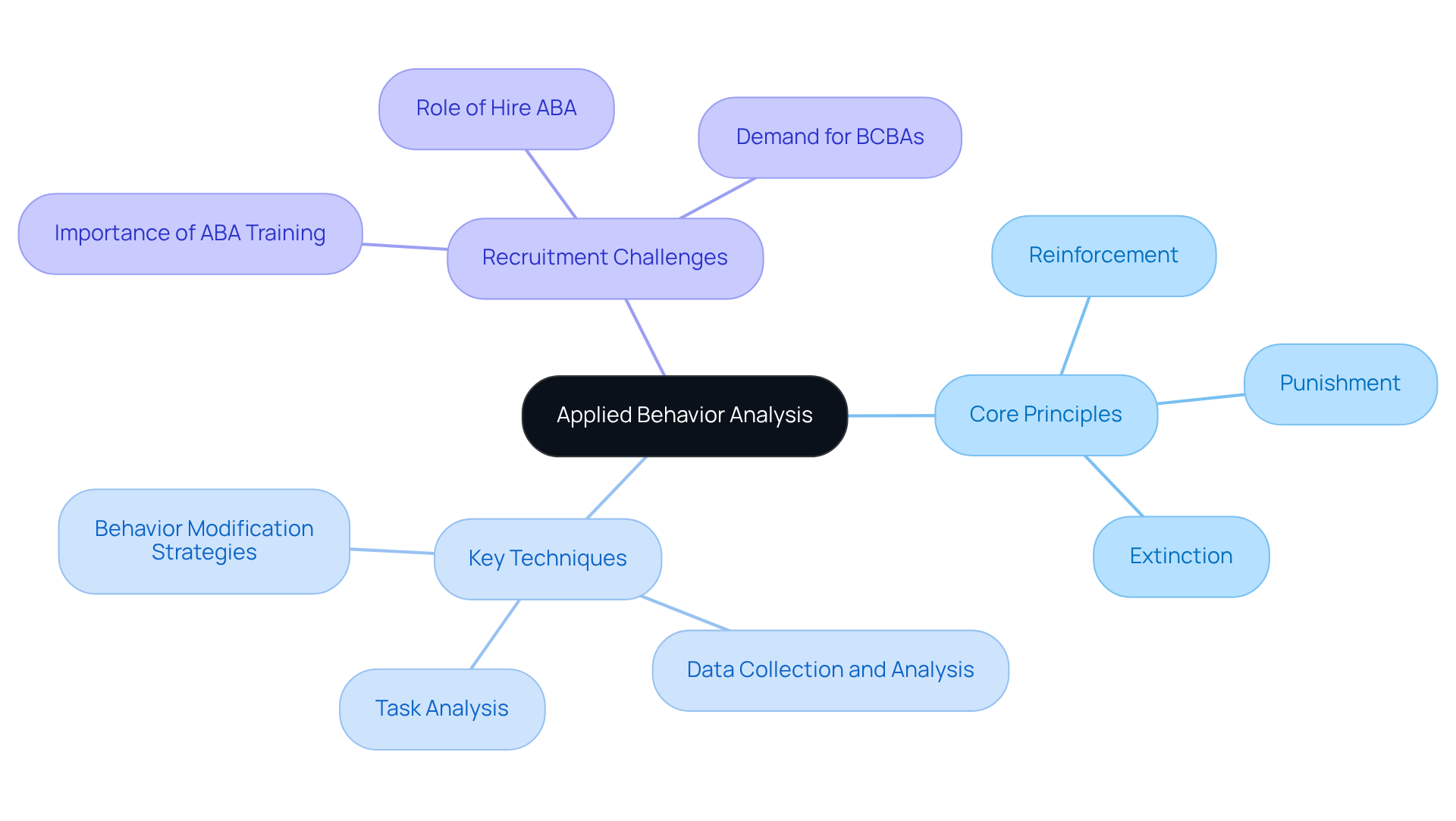
Applied Behavior Analysis (ABA) stands as a cornerstone in the field of behavior modification, grounded in the principles of behaviorism. It emphasizes the critical connection between actions and the environment, a relationship that is fundamental to understanding human behavior. Key techniques such as reinforcement, punishment, and extinction are instrumental in effectively modifying behavior. Understanding these essential concepts is not merely beneficial but crucial for behavior analysts aiming to devise successful strategies that enhance client outcomes.
As the demand for Board Certified Behavior Analysts (BCBAs) continues to rise, the importance of mastering ABA courses cannot be overstated. With the right knowledge and application of these techniques, behavior analysts can significantly improve their clients' lives. Are you facing challenges in finding the right talent to support your ABA initiatives? Consider how Hire ABA can streamline your recruitment process, connecting you with qualified professionals who are well-versed in these vital methodologies.
Incorporating ABA courses into your practice not only enhances the effectiveness of interventions but also builds credibility within the field. By grasping the nuances of behavior modification, you position yourself as a leader in delivering impactful results. Let Hire ABA be your partner in navigating the complexities of recruitment, ensuring you have the right experts on your team to achieve your goals.
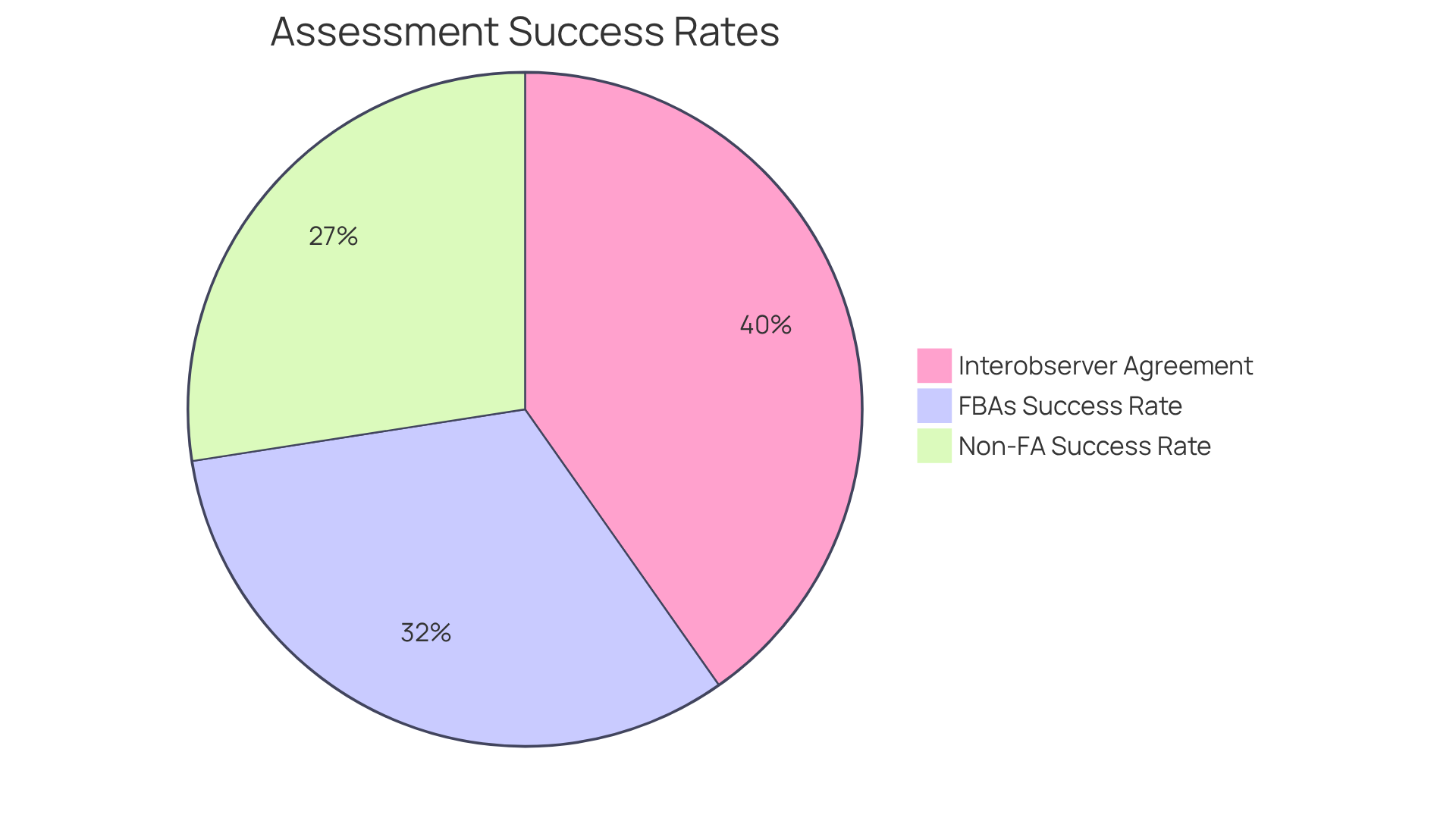
Advanced behavioral assessment techniques, particularly functional behavior assessments (FBAs) and preference assessments, are essential for uncovering the root causes of behavior. FBAs are acknowledged as the gold standard in identifying the functions of challenging behaviors, allowing Board Certified Behavior Analysts to create targeted strategies. Studies indicate that FBAs can lead to treatment success rates of over 80%, while the expected rate of treatment success for non-FA methods is approximately 68%. This statistic highlights the superior effectiveness of FBAs in clinical practice.
Preference assessments, such as the Multiple Stimulus Without Replacement (MSWO) method, further enhance the evaluation process by identifying specific reinforcers that motivate clients. In one study, a mean interobserver agreement of 99.7% was achieved during preference assessments, demonstrating their reliability in measuring client preferences. Additionally, trainers provided accurate feedback during a mean of 95% of opportunities across all preference assessments, underscoring the effectiveness of these methods. This accuracy enables behavior analysts to customize approaches that align with specific client requirements, thus enhancing involvement and efficacy.
Moreover, advancements in behavioral assessment techniques have streamlined the data collection process, allowing for more comprehensive evaluations. The incorporation of telehealth in performing FBAs has broadened access to services, enabling behavior analysts to collect data remotely while ensuring high fidelity in implementation. As a result, these innovative approaches not only improve the accuracy of behavioral evaluations but also enhance the overall quality of care provided to clients.
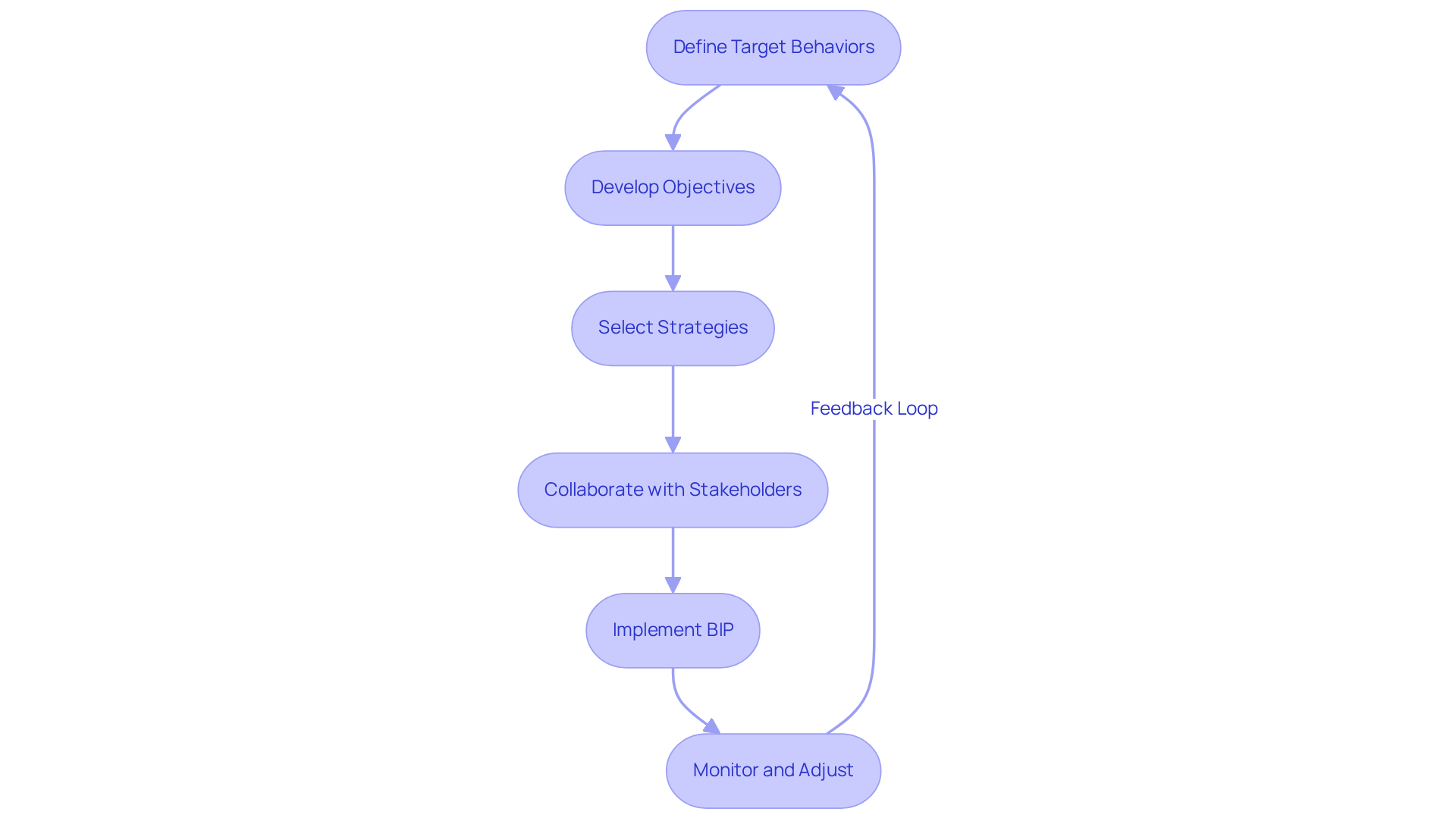
Conducting behavioral support planning is an essential process that entails creating organized plans to tackle challenging actions through specific objectives, strategies, and techniques. Did you know that Board Certified Analysis Professionals (BCBAs) are in high demand? Incorporating evidence-based practices is crucial, as these have been shown to yield success rates of up to 85% when multi-component strategies are utilized. This underscores the necessity of defining target behaviors operationally; clear definitions lead to better identification and management of behaviors.
Collaboration with stakeholders, including parents and educators, is vital. By ensuring that interventions are both practical and effective, we can enhance outcomes significantly. Regular monitoring and adjustments to the Behavior Intervention Plan (BIP) are essential. Studies show that BIPs founded on thorough data collection are 65% more likely to lead to significant behavioral enhancements. This ongoing assessment not only helps achieve desired outcomes but also reinforces the importance of adapting strategies to meet the unique needs of each individual.
Are you facing challenges in hiring qualified BCBAs? Consider how utilizing platforms like Hire ABA can streamline your recruitment process, ensuring you find the right professionals to implement these crucial strategies.
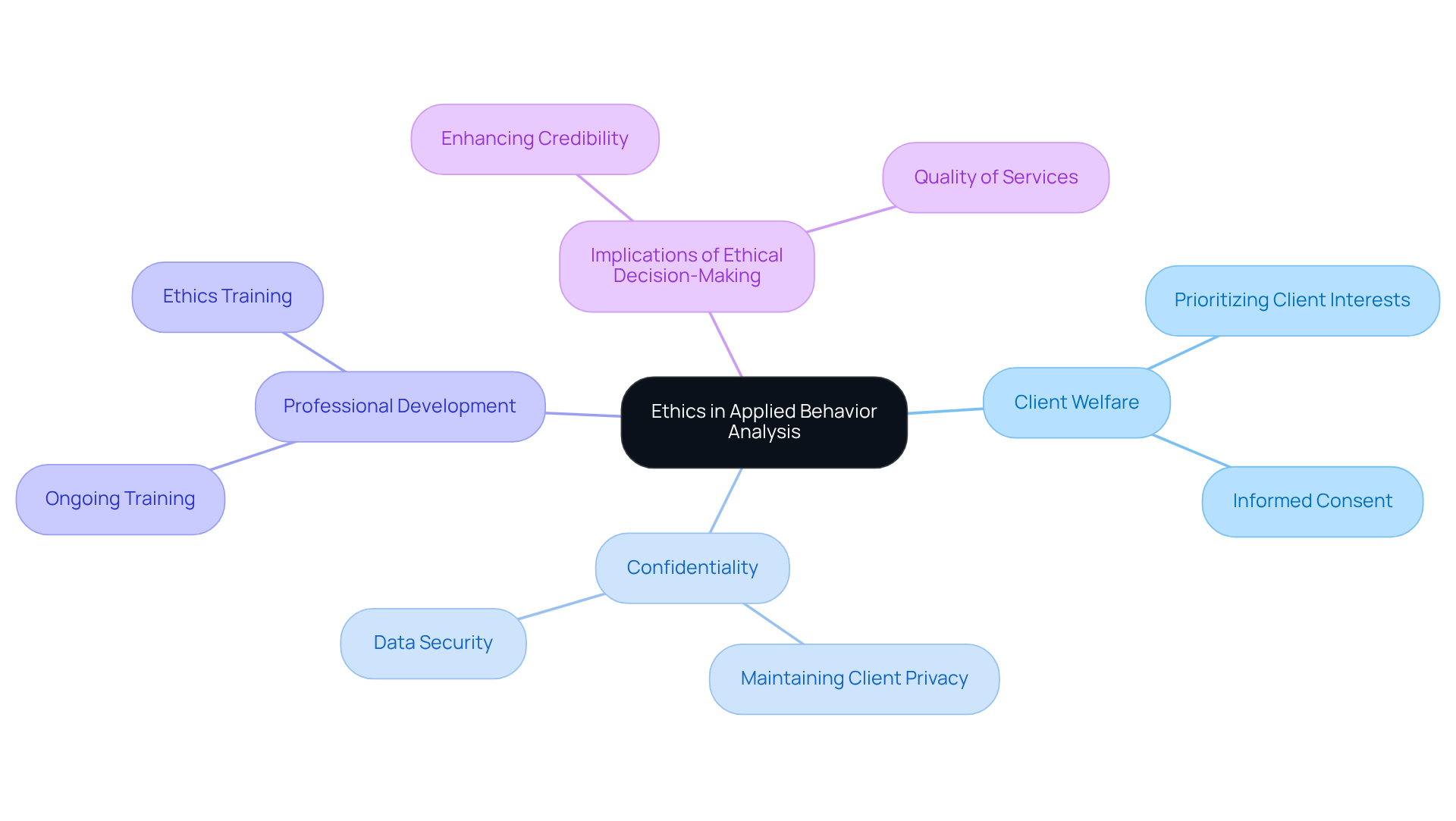
Ethics in ABA is paramount, encompassing a range of professional standards that guide behavior analysts in their practice. With the increasing demand for Board Certified Behavior Analysts (BCBAs), adherence to the Behavior Analyst Certification Board (BACB) guidelines becomes essential. Behavior analysts must prioritize client welfare, maintain confidentiality, and engage in ongoing professional development. These ethical standards not only foster trust but also ensure the integrity of ABA services.
Consider the implications of ethical decision-making in your practice. Are you fully aware of the guidelines that govern your work? Engaging in ethical practices is critical for enhancing your credibility and the quality of services provided. By committing to these standards, you demonstrate your dedication to the field and to your clients.
In summary, ethical decision-making is not merely a requirement; it is a cornerstone of effective ABA practice. Embrace these principles to elevate your professional practice and contribute positively to the field.
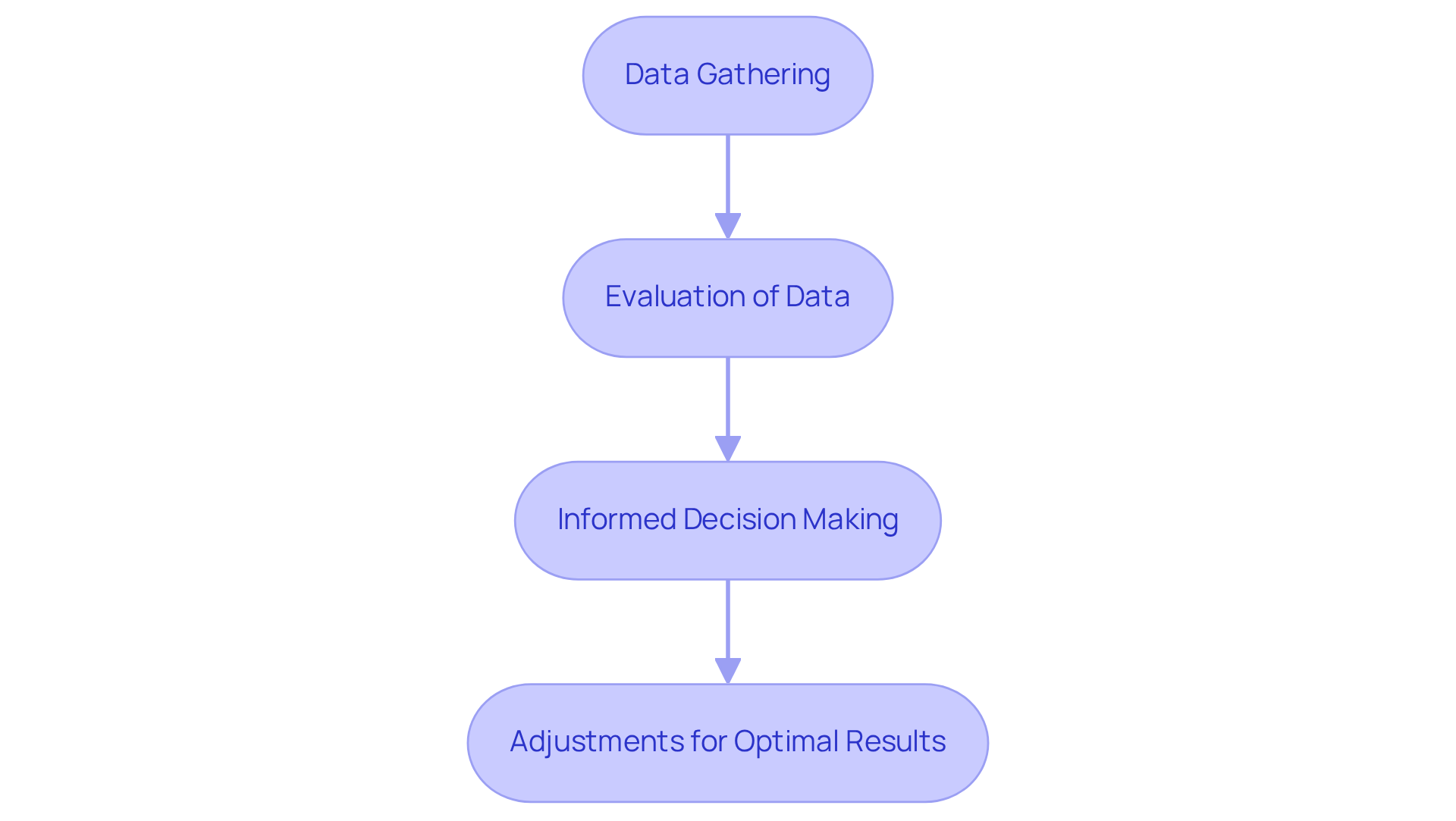
Data gathering and evaluation are crucial for assessing the effectiveness of ABA strategies. Behavior analysts must utilize a variety of data collection methods, such as direct observation and standardized assessments, to effectively track client progress. By examining this data, behavior analysts can make informed decisions regarding the effectiveness of their strategies. This process allows for necessary adjustments to be made, ensuring optimal results for clients.
Are you currently facing challenges in tracking client progress? Consider how a robust data collection approach can enhance your practice. The ability to analyze data not only supports effective strategy implementation but also instills confidence in the outcomes achieved.
In conclusion, the systematic evaluation of data is not just beneficial; it is essential for the continuous improvement of ABA strategies. By committing to thorough data gathering and analysis, behavior analysts can elevate their practice and achieve superior client outcomes.
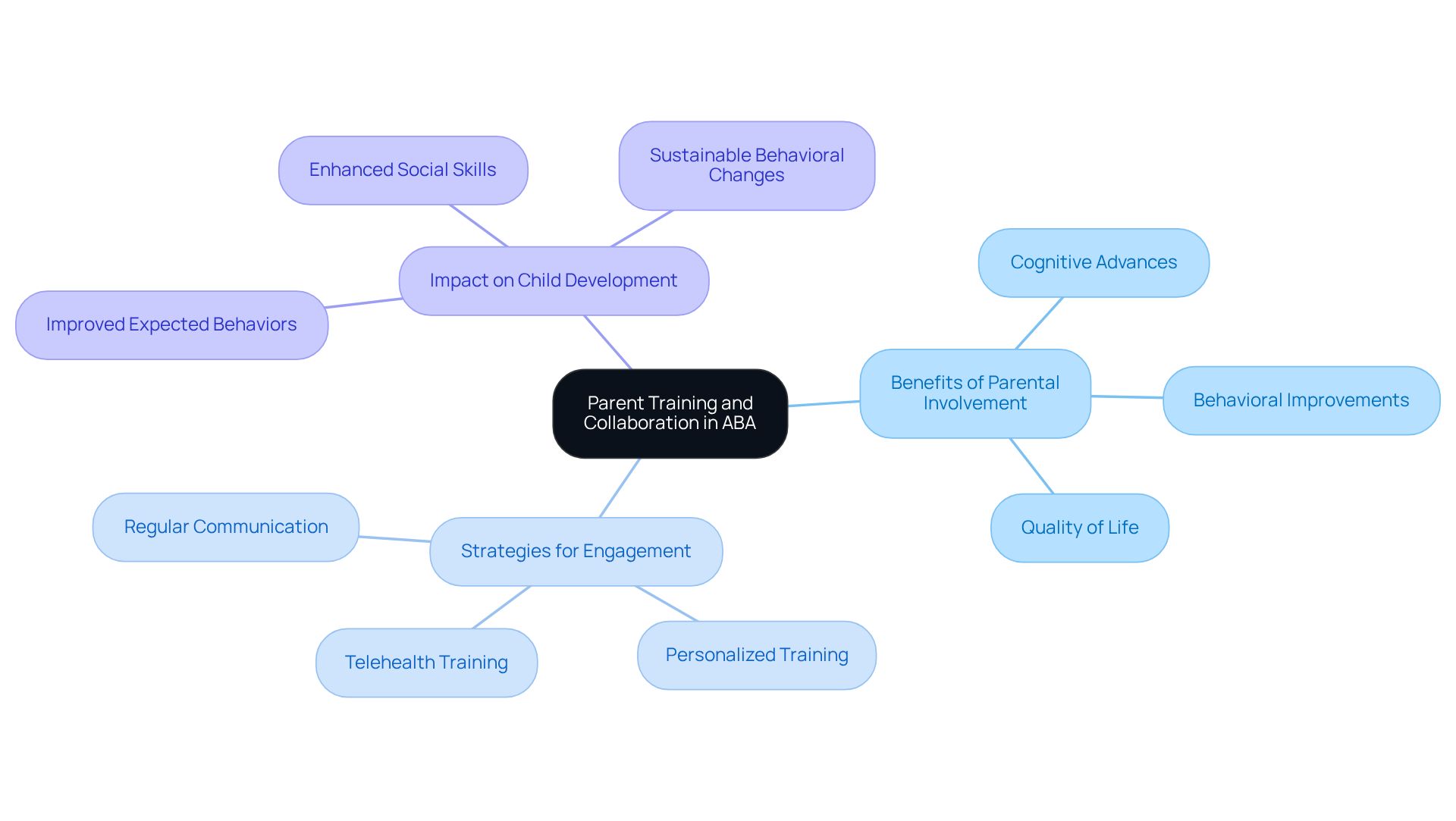
Effective parent training and collaboration are pivotal to the success of ABA courses. Board Certified Behavior Analysts (BCBAs) must actively involve families in the support process, providing them with the essential training and resources to apply strategies at home. This partnership not only empowers families but also reinforces the skills learned during therapy, fostering sustainable behavioral changes.
Research indicates that children experiencing consistent parental involvement along with organized support demonstrate significant advancements in cognitive and developmental abilities. Furthermore, studies show that parent-implemented strategies (PIIs) can result in improved expected behaviors and social skills, with an average effect size of 0.603. The overall success rate for treating autism with ABA therapy is 89%, underscoring the effectiveness of ABA therapy when parents are involved.
By acknowledging parents as essential allies in the therapeutic process, behavior analysts can establish a cooperative setting that enhances the impact of strategies and fosters enduring transformation in children's lives. Strategies for engaging families include:
Additionally, parental self-efficacy accounts for about 21% of parenting stress, highlighting the emotional and practical benefits of family collaboration in ABA therapy. Ultimately, a strong family collaboration framework not only improves treatment outcomes but also enhances the overall quality of life for children with autism.
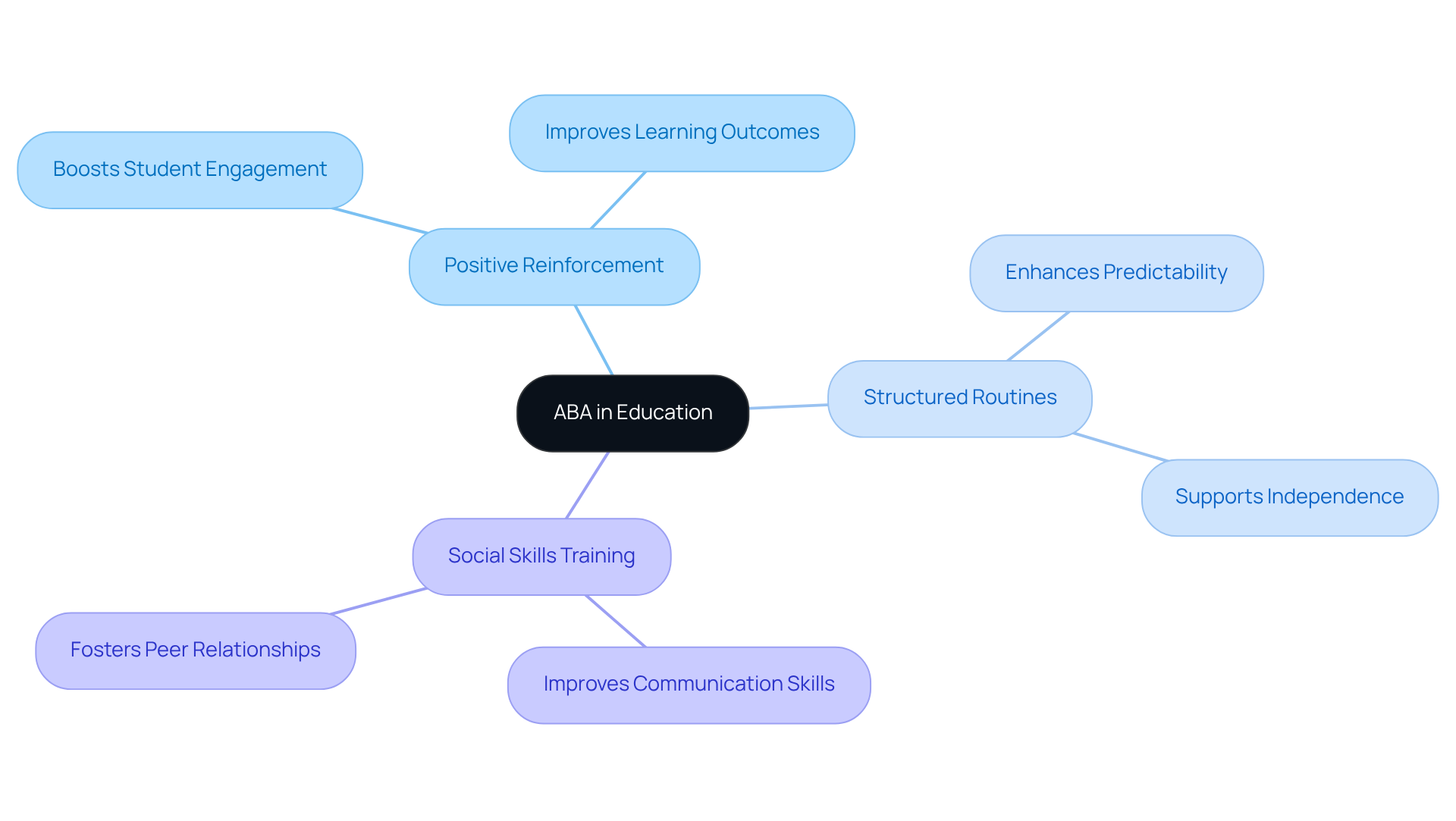
Implementing ABA in educational settings necessitates customized strategies that cater to the distinct needs of students. Did you know that the demand for Board Certified Analysts (BCBAs) is at an all-time high? These professionals play a crucial role in collaborating with educators to create individualized education plans (IEPs) that effectively integrate ABA techniques. As one BCBA noted, "The BCBA works closely with the individual and their support team to implement the most effective strategies for learning."
Key strategies include:
All designed to boost student engagement and improve learning outcomes. Research indicates that early and intensive application of ABA principles can significantly enhance communication and social skills, particularly when tailored to each student's unique strengths and challenges. In fact, 90% of individuals achieve remarkable progress when recommended hours of ABA therapy are fully implemented with active caregiver participation.
Furthermore, the continuous feedback loop inherent in ABA allows for real-time adjustments to IEPs, ensuring that interventions remain effective and responsive to the evolving needs of students. As emphasized in ABA principles, "Behavior is a form of communication, and we must listen," highlighting the importance of understanding student behavior. By fostering a collaborative environment, behavior analysts and educators can work together to create successful educational experiences that promote the overall development of students with autism and related developmental disorders.
Are you regularly consulting with behavior analysts to review and adjust IEPs based on student progress? Taking these steps can significantly enhance educational outcomes.
Cultural competence in Applied Conduct Analysis (ABA) is essential for delivering effective and respectful services to clients from diverse backgrounds. Board Certified Behavior Analysts (BCBAs) must acknowledge and incorporate cultural factors that significantly influence behavior and treatment outcomes. This requires adapting strategies to align with clients' cultural values and beliefs, which not only enhances therapy effectiveness but also cultivates a more inclusive environment.
Successful adaptations of ABA strategies for varied populations reveal that prioritizing cultural considerations leads to increased client engagement and improved overall results. For example, studies show that 66% of interventions yield cognitive improvements linked to reduced anxiety and better coping skills when cultural factors are integrated into treatment plans.
By embracing diversity and tailoring methods to meet the unique needs of each individual, behavior analysts can markedly enhance the quality of care provided in ABA courses. As Beth Sullivan asserts, "Understanding these trends is essential for staying competitive and ensuring optimal outcomes for individuals receiving care."
To effectively implement cultural competence in ABA courses, behavior analysts should consider strategies such as:

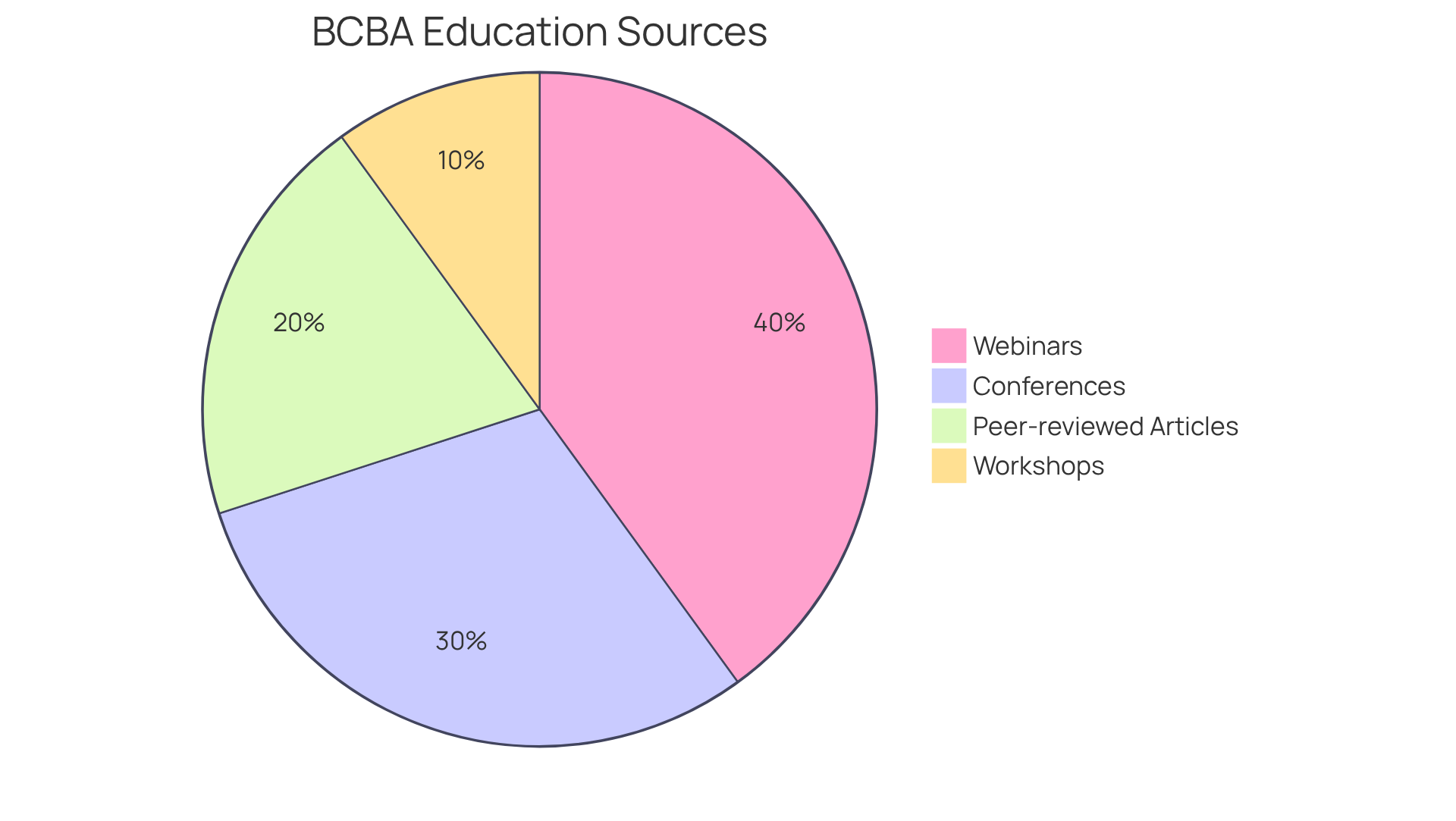
Continuing education is essential for Board Certified Behavior Analysts (BCBAs) to remain abreast of the latest research, techniques, and ethical standards covered in ABA courses. Did you know that 80% of BCBAs have attended either virtual or in-person conferences in the past two years? This statistic underscores the critical demand for ongoing professional development. Participation in workshops, conferences, and ABA courses not only enhances their skills but also significantly improves the quality of care provided to clients.
Engaging with high-quality sources, such as peer-reviewed articles—trusted by 88% of respondents—and reputable conferences is vital for professional growth and effective intervention delivery. Factors such as the appeal of presentation topics and speaker lineups play a crucial role in conference attendance decisions. Furthermore, the majority of continuing education units (CEUs) are now obtained through webinars, reflecting a shift towards more accessible and flexible learning formats.
Respondents reported spending an average of $101-$150 on CEU expenses, highlighting the financial commitment involved in professional development. By actively pursuing these opportunities, Board Certified Behavior Analysts can ensure they are equipped with the most current best practices taught in ABA courses. This commitment ultimately leads to better outcomes for those they serve. As John Michael Falligant noted, engaging in high-quality continuing education is important to BCBAs. Are you ready to enhance your skills and improve your practice? Embrace the opportunities available through continuing education.
The increasing demand for Board Certified Behavior Analysts (BCBAs) highlights the critical importance of ongoing education and skill enhancement in the field of Applied Behavior Analysis (ABA). With a growing number of positions available, how can BCBAs ensure they remain competitive? Engaging in essential courses and training programs allows BCBAs to deepen their understanding of core principles, advanced assessment techniques, and effective intervention strategies. This commitment not only leads to improved client outcomes but also bolsters professional credibility.
Key insights explored in this article underscore the significance of:
Each of these components plays a vital role in the success of behavior modification efforts, emphasizing the necessity for BCBAs to stay current with best practices and methodologies. Moreover, platforms like Hire ABA provide streamlined job matching services, effectively addressing the recruitment needs of qualified professionals in this expanding field.
In light of these insights, it is imperative for behavior analysts to prioritize their professional development through continuing education and active engagement with the latest research and techniques. By doing so, they not only enhance their own skills but also elevate the overall quality of care provided to clients. Embracing these opportunities will result in more effective interventions, increased client satisfaction, and a lasting impact on the lives of those served by ABA professionals. Are you ready to take the next step in your professional journey? Consider leveraging Hire ABA to connect with the right opportunities today.
What is Hire ABA and its purpose?
Hire ABA is a specialized recruitment platform designed to simplify the job search for Board Certified Behavior Analysts (BCBAs) by effectively matching qualified candidates with premier job opportunities.
Why is there a growing demand for BCBAs?
The demand for BCBAs is increasing, with a reported 58% rise in job postings from 2023 to 2024, highlighting the urgent need for effective recruitment solutions in behavior analysis.
How does Hire ABA enhance the job matching process?
Hire ABA uses advanced algorithms and personalized resume assessments to evaluate candidates' experiences and career goals, ensuring they are aligned with the best job opportunities available.
What is job fit scoring and how does it work?
Job fit scoring is a method used by Hire ABA to identify job opportunities that resonate with candidates' skills, preferences, and desired locations, thereby improving job matching efficiency.
What challenges do behavior analytic service organizations face regarding BCBA positions?
Approximately 75-85% of behavior analytic service organizations report having unfilled BCBA positions, indicating a significant challenge in connecting employers with qualified talent.
How does Hire ABA support employers in their hiring process?
Hire ABA alleviates the burden of lengthy job searches for employers by efficiently identifying candidates who align with their organizational needs, fostering a more effective hiring experience.
What are the core principles of Applied Behavior Analysis (ABA)?
ABA is grounded in behaviorism and emphasizes the connection between actions and the environment, utilizing techniques like reinforcement, punishment, and extinction to modify behavior effectively.
Why is mastering ABA techniques important for behavior analysts?
Mastering ABA techniques is crucial for behavior analysts as it enables them to devise successful strategies that significantly improve client outcomes.
What are functional behavior assessments (FBAs) and their significance?
FBAs are advanced behavioral assessment techniques recognized as the gold standard for identifying the functions of challenging behaviors, allowing for targeted strategies that lead to high treatment success rates.
How do preference assessments contribute to behavioral evaluations?
Preference assessments, such as the Multiple Stimulus Without Replacement (MSWO) method, help identify specific reinforcers that motivate clients, enhancing the customization of approaches to meet client needs.
What advancements have been made in behavioral assessment techniques?
Advancements include streamlined data collection processes and the incorporation of telehealth for conducting FBAs, which broaden access to services and improve the accuracy of evaluations.
Our expert recruitment strategies and AI-driven sourcing ensure that you receive top-notch candidates quickly, without compromising on quality. Whether you’re looking for BCBAs, Clinical Directors, or RBTs, we’ve got you covered.


