


Thank you! Your submission has been received!
Oops! Something went wrong while submitting the form.
October 23, 2025

The landscape of Applied Behavior Analysis (ABA) is rapidly evolving. With the demand for qualified professionals surging, the tools they use become increasingly vital. Did you know that the need for Board Certified Behavior Analysts (BCBAs) has skyrocketed in recent years? Among these tools, ABA graphs stand out as essential instruments for behavior analysts, providing clarity and insight into client progress and intervention effectiveness. However, with various types of graphs available, how can practitioners ensure they are utilizing the most effective visual aids for their specific needs?
This article delves into ten essential ABA graphs that every behavior analyst should master. Each graph serves a unique application and plays a critical role in enhancing client outcomes. By mastering these tools, practitioners can not only track progress more effectively but also communicate results with greater clarity.
Are you ready to elevate your practice and improve client outcomes? Let’s explore these vital graphs together.
The demand for Board Certified Behavior Analysts (BCBAs) is projected to exceed 20% over the next eight years, highlighting a significant opportunity within the field. Hire ABA serves as a specialized recruitment platform that simplifies the job search for BCBAs, connecting qualified professionals with top-tier job opportunities. By focusing exclusively on ABA graphs, Hire ABA ensures a better fit for both candidates and employers.
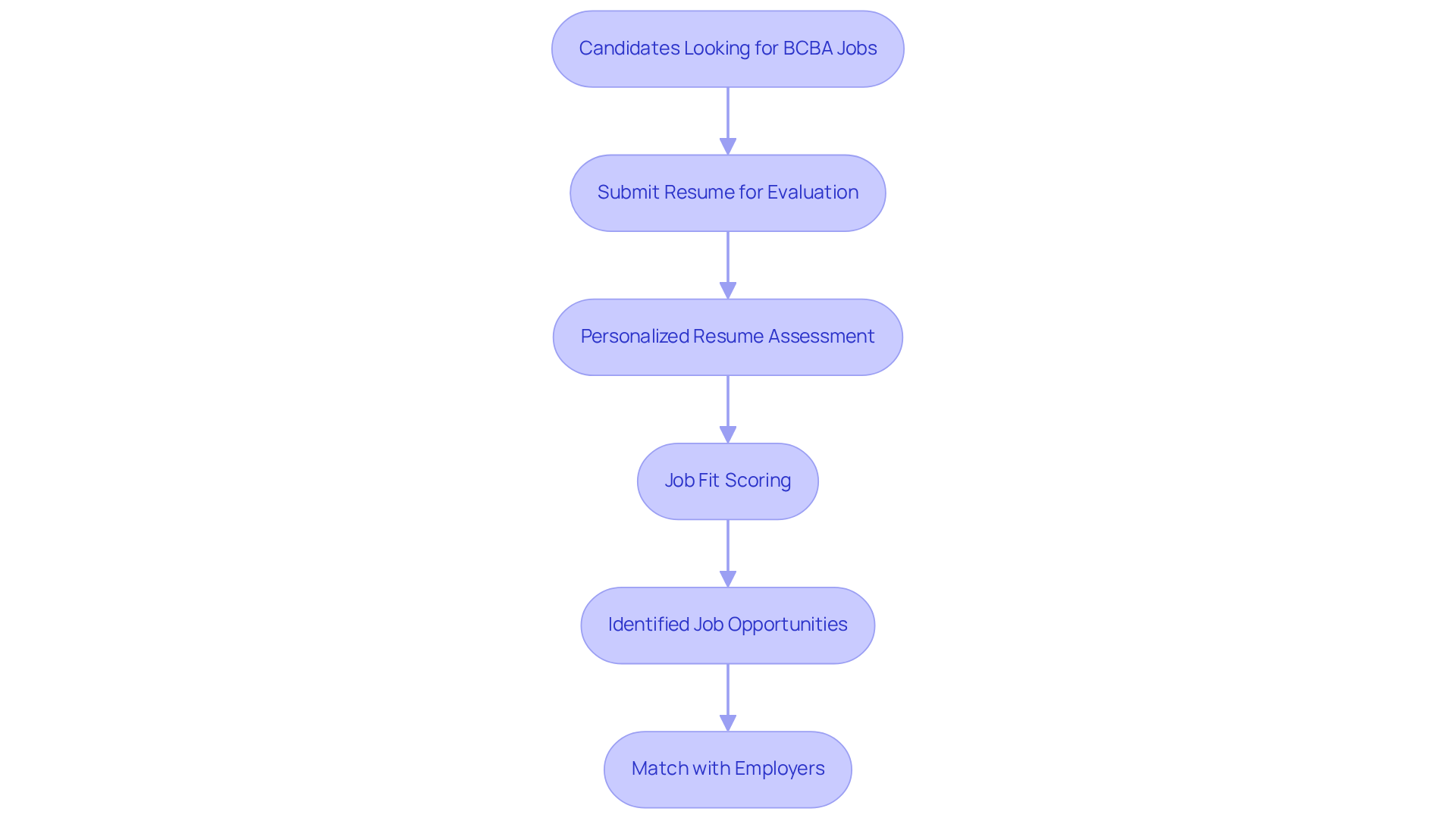
The platform enhances the experience for BCBAs, allowing them to find roles that align with their skills and career goals more efficiently. With personalized resume assessments, candidates can submit their resumes for evaluation. This service not only assesses their experience but also considers their career aspirations through a detailed review process. Utilizing , Hire ABA identifies opportunities that match candidates’ skills, preferences, and desired locations.
The surge in job postings for BCBAs—from 7,091 in 2017 to 16,109 in 2018—underscores the necessity for specialized recruitment platforms like Hire ABA in navigating this expanding landscape. Are you facing challenges in hiring qualified BCBAs? Utilizing Hire ABA can significantly improve job matching efficiency and satisfaction. Take action today to enhance your recruitment strategy and connect with the best talent in the field of ABA graphs.
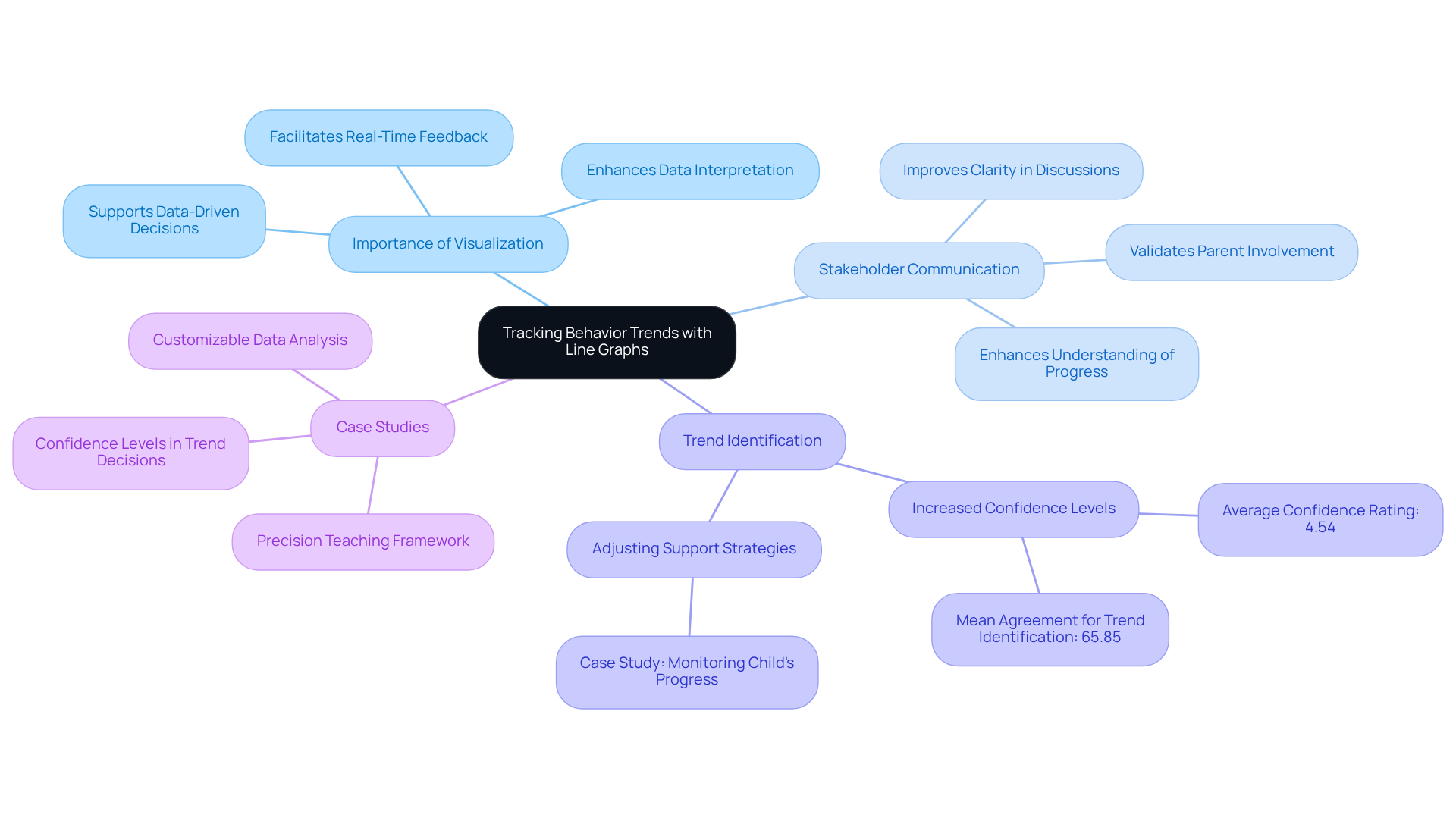
Line graphs serve as essential tools for monitoring trend patterns over time, enabling professionals to visualize changes in individual behaviors effectively. By plotting data points along a timeline, researchers can readily identify trends, such as increases or decreases in specific actions. This visual representation not only supports regarding strategic approaches but also enhances communication with stakeholders.
Recent studies indicate that practitioners experience heightened confidence levels when utilizing line graphs, evidenced by an average confidence rating of 4.54 and an average agreement for trend identification of 65.85%. For instance, a case study demonstrated how a specialist used line graphs to monitor a child's progress in reducing tantrums over several weeks, leading to timely adjustments in support strategies.
Moreover, the clarity offered by line graphs facilitates more productive discussions with parents and other stakeholders, ensuring that all parties involved comprehend the child's behavioral advancements. As the field of [Applied Behavior Analysis](https://hireaba.today) continues to progress, the significance of employing effective visualization methods, such as [aba graphs](https://artemisaba.com/blog/aba-graphs-visual-analysis), remains crucial for attaining successful outcomes.
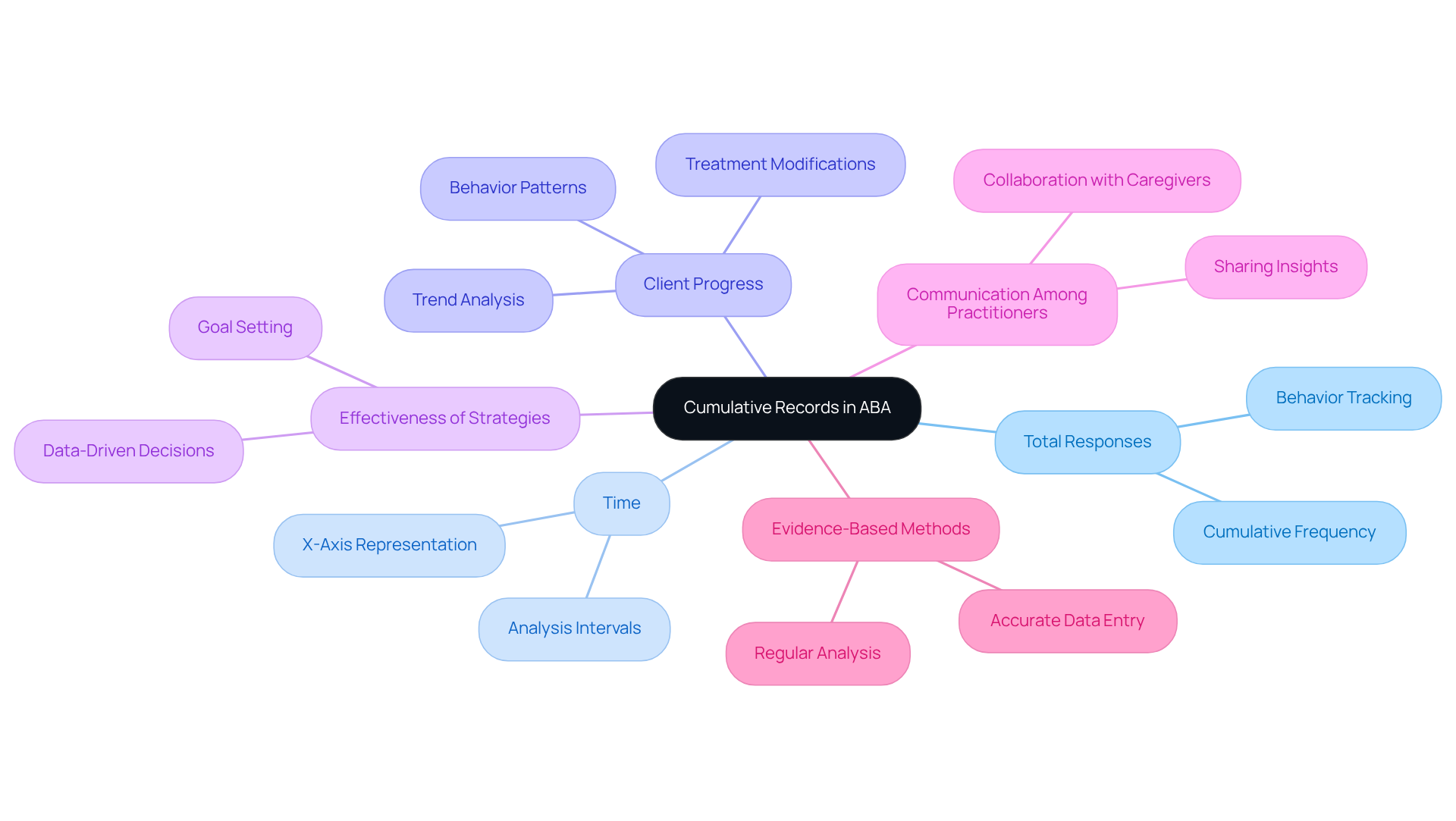
[Cumulative records serve as a vital tool in Applied Behavior Analysis (ABA)](https://magnetaba.com/blog/cumulative-record-in-aba), allowing practitioners to visualize the total number of responses over a designated timeframe through [ABA graphs](https://hireaba.today/blog-posts/10-essential-aba-jobs-for-board-certified-behavior-analysts). These ABA graphs are structured such that the x-axis represents time and the y-axis indicates the cumulative frequency of responses. This clear structure allows practitioners to effectively use ABA graphs to depict the cumulative impact of interventions, assessing the effectiveness of specific strategies.
By closely examining these records and analyzing ABA graphs, practitioners can pinpoint trends in client progress, facilitating prompt modifications to treatment plans. This approach not only enhances comprehension of individual conduct patterns but also supports data-driven decision-making using ABA graphs, ultimately leading to improved outcomes for clients. Furthermore, cumulative records enhance communication and cooperation among practitioners, therapists, and caregivers, ensuring a thorough approach to client care.
The regular application of cumulative records has emerged as a recent trend among practitioners, reflecting a commitment to evidence-based methods that prioritize client success. As Ralph Moller aptly states, "Cumulative records offer a clear visual depiction of conduct information, making it easier to identify trends, patterns, and changes in actions over time." This underscores the in the pursuit of excellence in client care.
Scatterplots serve as powerful tools for examining the relationships between two variables in [Applied Behavior Analysis (ABA)](https://hireaba.today). By charting individual data points, professionals can visually identify the presence of correlations, providing essential insights into how changes in one action may affect another. This understanding is crucial for crafting tailored to the unique needs of clients.
For instance, a scatterplot can illustrate how increased engagement in a specific activity correlates with reduced occurrences of difficult actions. This correlation guides the development of targeted interventions. As one behavior analyst noted, 'The slope acts as a signal that draws your attention to unique events,' highlighting the importance of these visual tools in clinical practice.
Additionally, scatterplots assist in recognizing patterns, trends, and correlations, which are essential for examining information and making informed choices. Current research underscores the value of ABA graphs and scatterplots in identifying correlations that inform data-driven decisions, ultimately enhancing the effectiveness of ABA therapy. As another specialist mentioned, 'Comprehending scatterplot patterns is essential for analyzing information and making informed choices using ABA graphs.

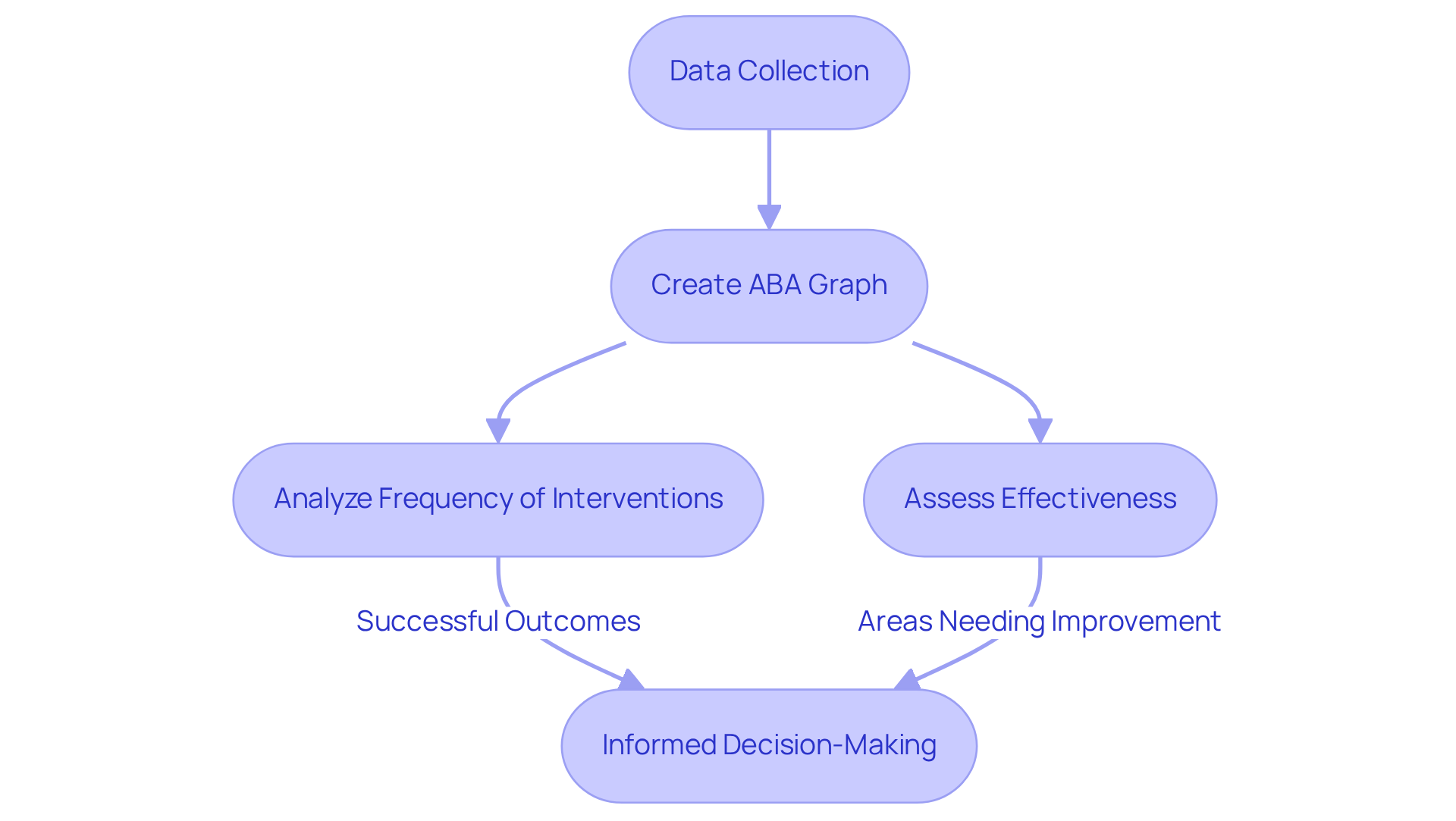
Aba graphs serve as a powerful tool in Applied Behavior Analysis (ABA) for comparing various actions or methods. By visually representing data through distinct bars, behavior specialists can quickly discern differences in frequency or effectiveness among multiple categories. This visual clarity is essential for informed decision-making regarding which interventions to implement or modify, ultimately enhancing the quality of care for clients.
For instance, a study revealed that only 28% of children received a full dosage of ABA—defined as at least 80% of prescribed hours—demonstrating significant benefits, especially for those with lower baseline adaptive functioning. Utilizing aba graphs to illustrate these findings allows professionals to effectively and identify areas that need attention. Current trends show an increasing reliance on aba graphs among practitioners, as they facilitate clear comparisons that refine treatment strategies. As one specialist noted, "Bar graphs clarify intricate information, facilitating the assessment of various approaches."
This method not only supports tracking progress but also encourages collaboration with families by providing clear visual representations of their child's development. To effectively implement aba graphs in practice, practitioners must ensure consistent data collection and regularly update the graphs to reflect the latest insights, thereby maximizing their utility in decision-making.
Understanding is essential for practitioners, as it directly affects the success of client strategies. Skilled evaluators interpret different forms of ABA graphs, identifying trends and assessing results of actions. This skill empowers practitioners to make data-driven adjustments, ensuring clients receive tailored and effective care. Research shows that effective information interpretation correlates with improved intervention success rates, underscoring the necessity for ongoing training in this area.
For instance, a study revealed that behavior analysts who regularly engage in visual examination of information, including ABA graphs, are better equipped to identify significant changes in client behavior, leading to more informed decision-making. As one expert pointed out, 'By systematically gathering and examining information, ABA therapists can make informed choices and customize treatment plans to address the distinct needs of each individual.' Significantly, statistics indicate that 41.8% of goals in hybrid ABA graphs exhibited improvement, emphasizing the importance of analysis in achieving successful outcomes.
Real-world applications of data interpretation, such as the use of hybrid ABA graphs treatment models, resulted in a 9.7% improvement in goal success rates. These enhancements in therapy outcomes underscore the importance of these skills in delivering high-quality services represented by ABA graphs. Reflect on your current hiring challenges—how can [Hire ABA](https://hireaba.today) address these issues effectively?

Variability refers to the in actions over time. Evaluating variability is essential for practitioners, as it aids in identifying the stability of changes in actions after a treatment. High variability may indicate that external factors are influencing behavior, while low variability suggests that the measure is having a stable effect.
Grasping this concept enables professionals to enhance their methods, guaranteeing that measures are effective and dependable. Understanding variability is not just a theoretical exercise; it is a practical necessity for ensuring the success of interventions. As practitioners reflect on their current strategies, they must ask: Are we truly capturing the stability of behavior change? This reflection can lead to improved outcomes and more reliable practices.

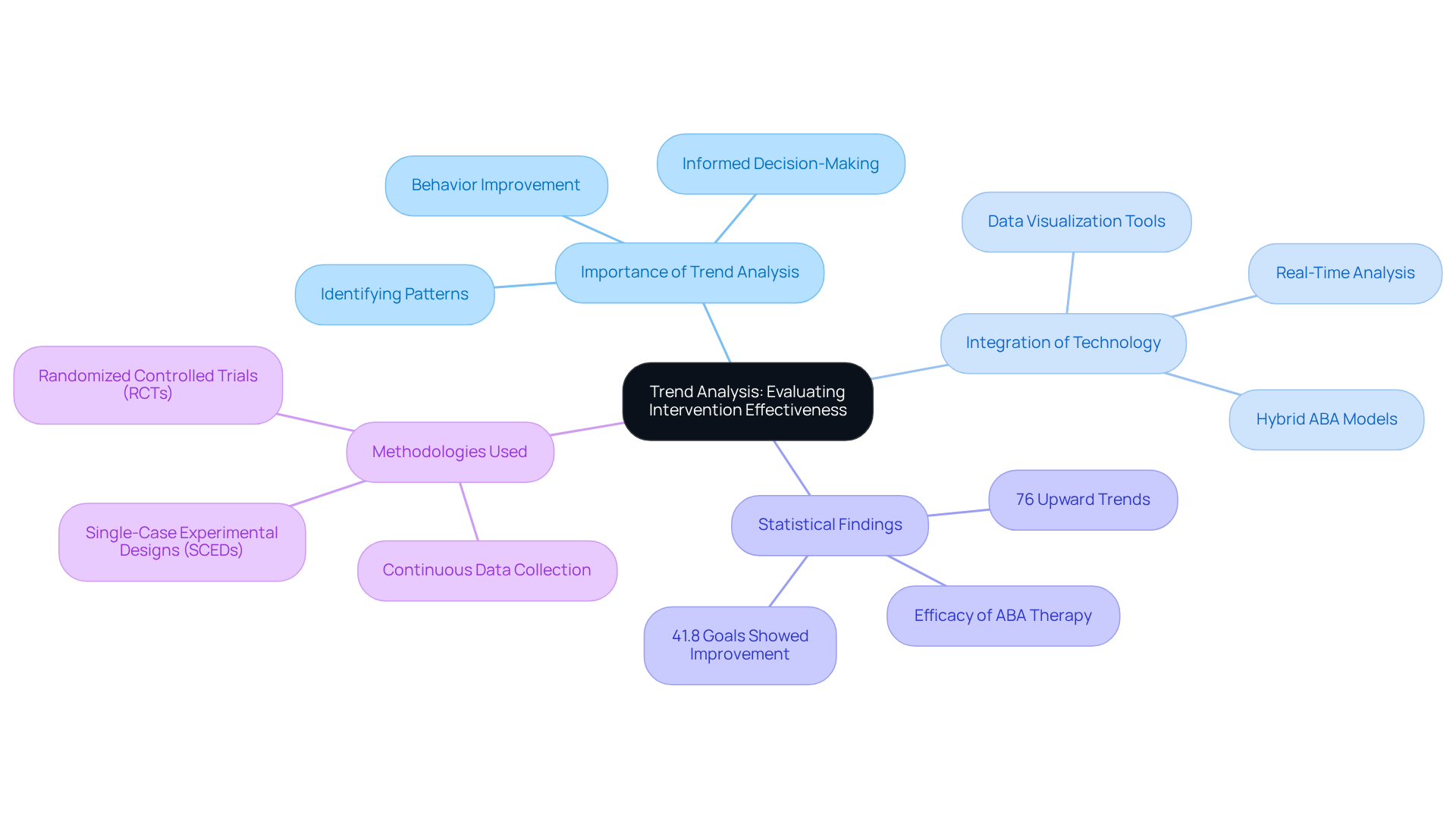
Trend analysis serves as a cornerstone in evaluating the effectiveness of strategies within ABA graphs. By systematically examining data over time, behavior analysts can determine whether a behavior is improving, worsening, or remaining stable. This ongoing evaluation is crucial for making informed, data-driven decisions regarding the continuation, modification, or discontinuation of specific interventions. For instance, consistent information gathering allows therapists to identify patterns and trends that inform the development of tailored strategies for individual clients. When therapists observe a plateau in progress, they can swiftly to enhance outcomes.
Current trends in ABA graphs highlight the integration of technology and data visualization tools, which facilitate real-time analysis of behavioral data. This evolution not only enhances the accuracy of assessments but also empowers behavior analysts to make timely adjustments during therapy sessions. A study revealed that 76% of patients exhibited upward trends in various goals following the implementation of hybrid ABA treatment models, whereas 41.8% of goals showed progress, underscoring the effectiveness of trend analysis in refining strategies.
Evaluating the effectiveness of programs through trend analysis also involves employing diverse methodologies, such as Randomized Controlled Trials (RCTs) and Single-Case Experimental Designs (SCEDs). These approaches establish causal relationships between actions and outcomes, reinforcing the importance of data-driven practices in ABA graphs. As practitioners in the field continue to prioritize trend analysis, they ensure that clients receive the most appropriate and effective care, ultimately enhancing the quality of life for individuals with Autism Spectrum Disorder (ASD).
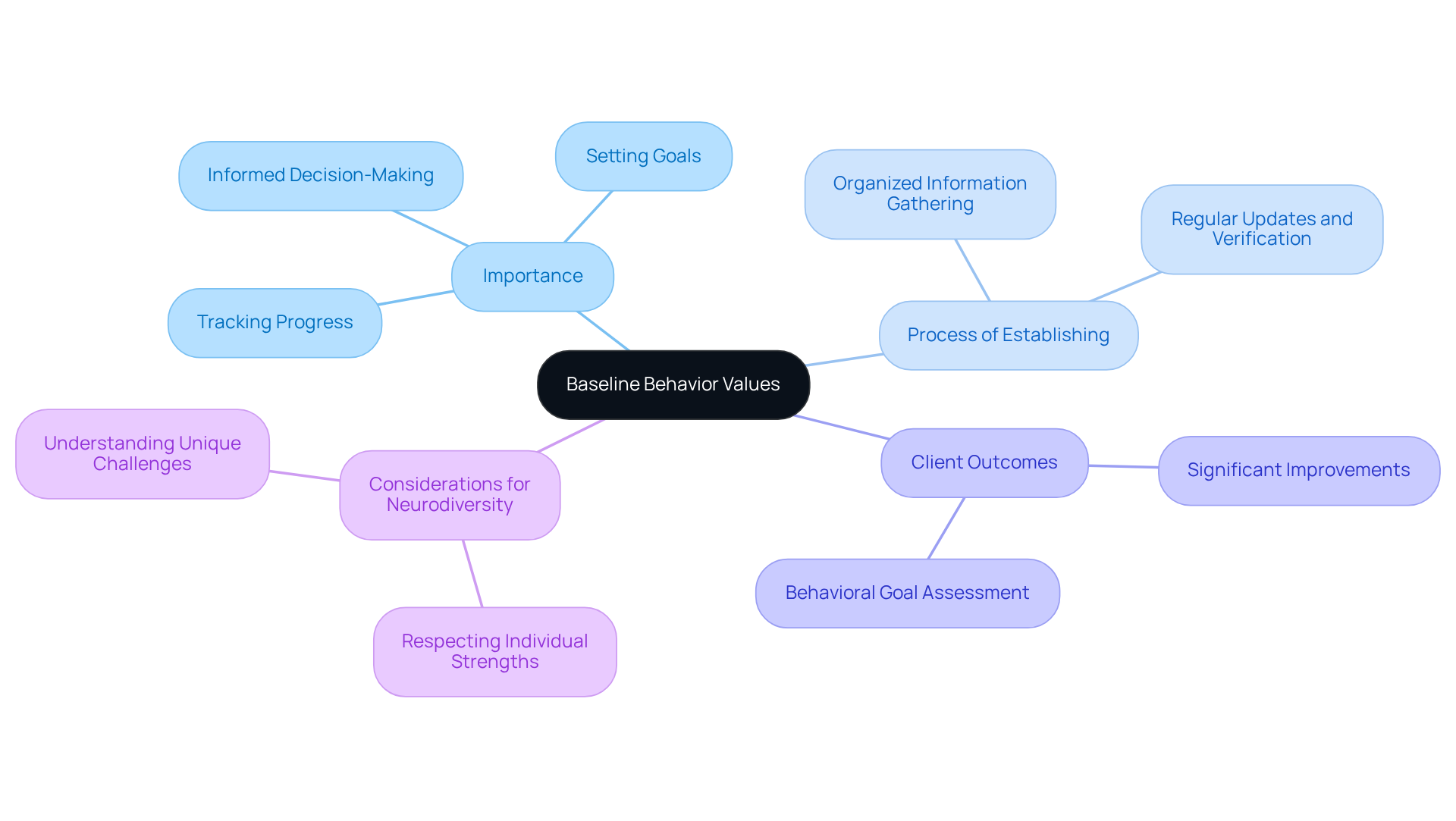
Baseline conduct values signify the initial measurements recorded prior to any action being applied. These values are critical for tracking progress and setting achievable goals for clients. By establishing a clear standard, practitioners can precisely evaluate the success of their strategies and make informed modifications to enhance client results. A case study demonstrated that clients who underwent thorough baseline assessments showed significant improvements in their behavioral goals, reinforcing the idea that understanding initial conditions is vital for success.
Statements from seasoned analysts emphasize this significance: "Baseline measures can sometimes indicate if a strategy isn't required at all," illustrating how they inform decision-making. Moreover, recent studies suggest that effective baseline evaluations result in improved client outcomes. Research demonstrates that interventions founded on robust baseline information produce more substantial behavioral changes over time.
Setting baseline values requires organized information gathering over time, ensuring that the measurements represent the true essence of the actions being examined. This process not only assists in meeting industry standards but also promotes a deeper understanding of the client's needs, ultimately of analysis practices. Regular updates and verification of existing measurements are crucial for maintaining accuracy and relevance in assessments.
Additionally, considering the concept of neurodiversity can inform how baseline assessments are approached, ensuring that the unique strengths and challenges of each individual are respected and understood.
Aba graphs are essential in the practice of Applied Behavior Analysis (ABA), serving as vital tools for behavior analysts to visualize and interpret information effectively. Mastery of these aba graphs is not merely advantageous; it is essential for making informed decisions regarding actions and monitoring client progress. Graphical tools such as aba graphs, bar charts, and line graphs visually illustrate a child's development over time, allowing for quick interpretation and enabling therapists to adjust strategies in real-time according to client needs. This flexibility is essential, as through data collection offers concrete proof of a child's response to interventions, aiding in the establishment of achievable goals.
Real-world examples underscore the significance of proficiency in aba graphs for enhancing client outcomes. For instance, Maya, a BCBA, improved her team's engagement and decision-making by utilizing clearer aba graphs, which fostered better communication and understanding among team members. Moreover, high-quality aba graphs have been shown to enhance stakeholder buy-in, as they transform raw data into actionable insights that are easily comprehensible to parents and caregivers.
Recent trends indicate that behavior analysts increasingly rely on visualization to monitor client progress. The most commonly used aba graphs, including line graphs and bar charts, effectively depict changes in behavior over time, facilitating a clearer understanding of intervention effectiveness. As one expert stated, "A well-designed graph should be so clear that anyone, even those new to the case, can quickly grasp the progress being made."
In summary, the importance of data visualization in behavior analysis cannot be overstated. By mastering essential graphing tools, behavior analysts not only enhance their practice but also significantly improve client outcomes, contributing to the ongoing advancement of ABA graphs in the field. Continuous analysis and validation of data ensure that interventions remain aligned with the child's current abilities and facilitate timely adjustments.

A comprehensive understanding of essential ABA graphs is crucial for behavior analysts seeking to enhance their practice and improve client outcomes. The various types of graphs discussed—including line graphs, cumulative records, scatterplots, bar graphs, and trend analysis—serve as powerful tools for visualizing data, tracking progress, and making informed decisions. Mastery of these graphical representations not only aids in identifying behavioral trends but also fosters better communication with stakeholders, ensuring alignment with the client’s progress.
Key insights throughout this article highlight the importance of data visualization in Applied Behavior Analysis. Have you considered how tracking behavior changes over time with line graphs or analyzing relationships between variables using scatterplots can revolutionize your approach? Each graph type offers unique advantages that support data-driven decision-making. The emphasis on baseline behavior values and variability further underscores the necessity of robust data interpretation, essential for tailoring interventions to meet individual client needs effectively.
Ultimately, integrating these essential graphs into ABA practice is not merely a matter of preference; it is a foundational element that can significantly impact the effectiveness of interventions. As the field evolves, behavior analysts are encouraged to embrace these tools and continuously refine their skills in data visualization and interpretation. By doing so, they can ensure that their strategies remain effective, responsive, and aligned with the best interests of their clients, ultimately leading to improved outcomes and a higher quality of care in the realm of Applied Behavior Analysis.
What is Hire ABA?
Hire ABA is a specialized recruitment platform designed to simplify the job search for Board Certified Behavior Analysts (BCBAs) by connecting qualified professionals with top-tier job opportunities in the field.
How does Hire ABA improve the job search for BCBAs?
Hire ABA enhances the job search experience by allowing BCBAs to find roles that align with their skills and career goals more efficiently, offering personalized resume assessments and utilizing advanced job fit scoring to identify suitable job opportunities.
What has been the trend in job postings for BCBAs?
The number of job postings for BCBAs has surged from 7,091 in 2017 to 16,109 in 2018, indicating a growing demand for qualified professionals in this field.
How do line graphs assist in monitoring behavior trends?
Line graphs help professionals visualize changes in individual behaviors over time by plotting data points along a timeline, allowing for the identification of trends and supporting data-driven decision-making.
What benefits do practitioners experience when using line graphs?
Practitioners report heightened confidence levels when using line graphs, with an average confidence rating of 4.54 and a 65.85% agreement for trend identification, facilitating better communication with stakeholders.
What are cumulative records in ABA?
Cumulative records are a tool in Applied Behavior Analysis that visualize the total number of responses over a designated timeframe, using ABA graphs to depict the cumulative impact of interventions.
How do cumulative records aid in client care?
Cumulative records allow practitioners to analyze trends in client progress, facilitating timely modifications to treatment plans and enhancing communication among practitioners, therapists, and caregivers.
Why are cumulative records important in ABA?
Cumulative records provide a clear visual depiction of conduct information, making it easier to identify trends, patterns, and changes in behavior over time, which is crucial for evidence-based client care.
Our expert recruitment strategies and AI-driven sourcing ensure that you receive top-notch candidates quickly, without compromising on quality. Whether you’re looking for BCBAs, Clinical Directors, or RBTs, we’ve got you covered.


