


Thank you! Your submission has been received!
Oops! Something went wrong while submitting the form.
November 20, 2025

In an era where the demand for Board Certified Behavior Analysts (BCBAs) is skyrocketing, understanding the intricacies of chaining procedures is not just beneficial - it's essential for effective training. These techniques simplify the learning process and empower individuals to master complex skills through structured, step-by-step approaches. But how can practitioners ensure they select the right chaining methods to meet the unique needs of their learners?
This article explores ten essential chaining procedures that enhance instructional effectiveness and foster independence. By delving into these methods, behavior analysts can gain valuable insights to improve their practice. Are you ready to elevate your training strategies and meet the growing demand for skilled professionals in Applied Behavior Analysis? Let's dive in.
Did you know that the ? This surge in demand highlights the critical need for skilled professionals, particularly Board Certified Behavior Analysts (BCBAs).
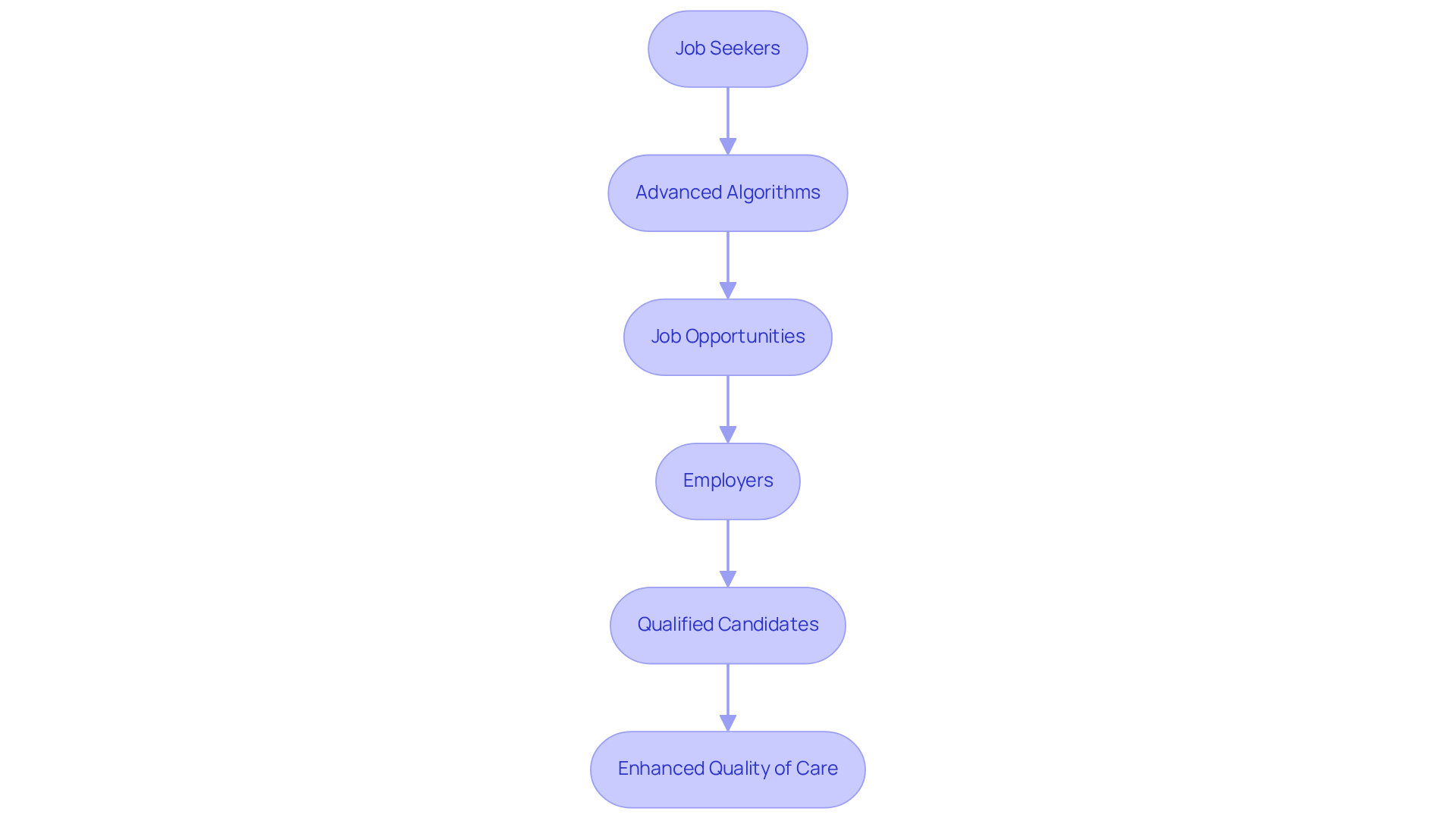
is a specialized recruitment platform tailored specifically for BCBAs. By leveraging advanced algorithms, it connects qualified professionals with premier job opportunities in the rapidly expanding field of (ABA) therapy, particularly in . This , allowing job seekers to quickly find roles that align with their expertise. Meanwhile, employers can efficiently identify candidates who meet their specific requirements.
As a result, the through , addressing the growing demand for skilled professionals in this sector. With platforms like , you can ensure that the is in place to meet modern healthcare demands.
Are you facing challenges in your hiring process? Consider how can simplify your recruitment efforts and connect you with the best candidates in the field. Don't miss out on the opportunity to elevate your team and improve the quality of care you provide.
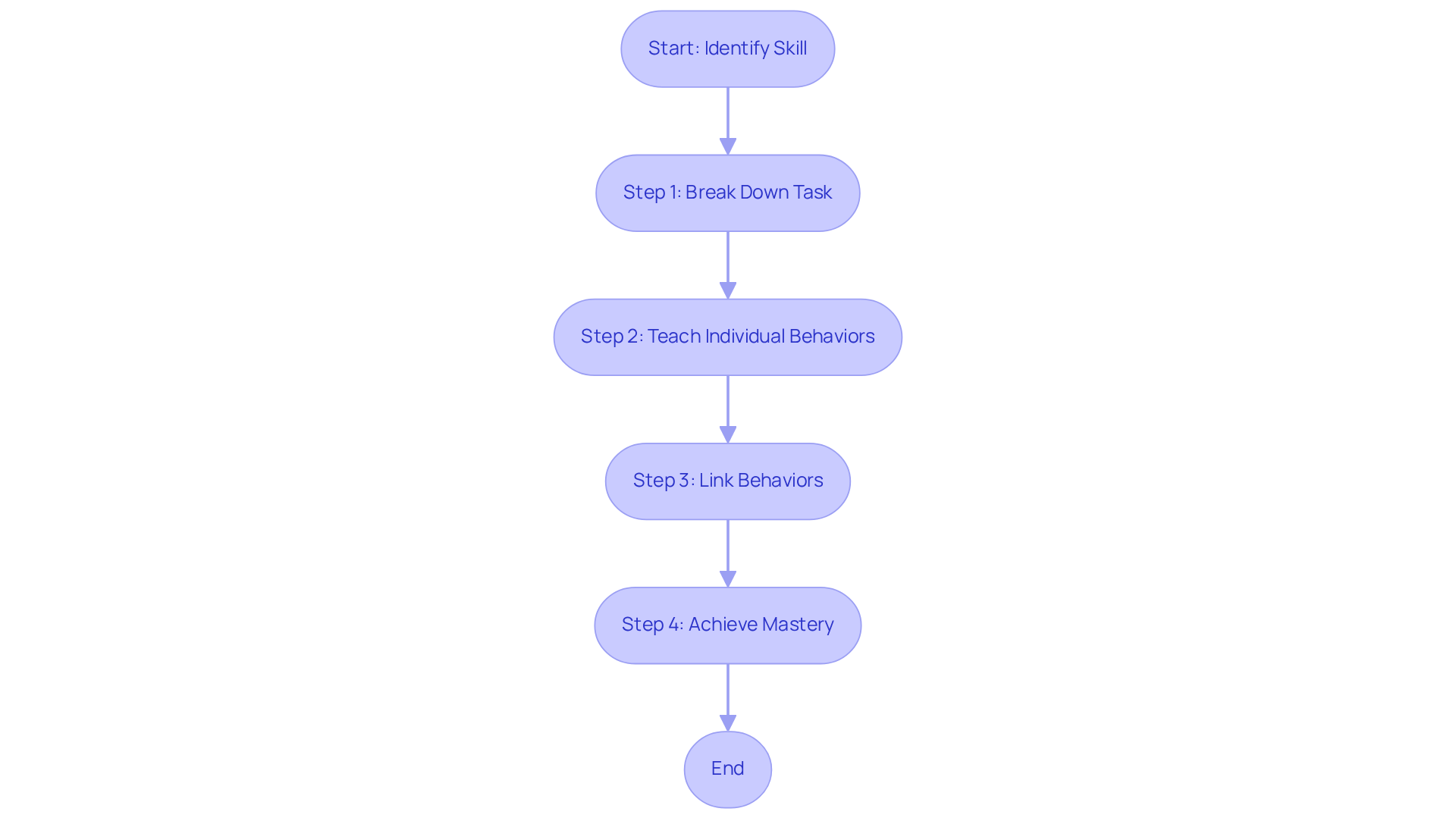
are a crucial technique in that link individual behaviors to create complex skills. Did you know that the demand for (BCBAs) is on the rise? This method is particularly effective for teaching , such as brushing teeth or getting dressed. By breaking these tasks into manageable parts, practitioners can systematically instruct each phase, ensuring learners achieve mastery before moving on to the next step.
Consider the benefits of ABA in your practice:
In conclusion, embracing can significantly enhance your instructional methods. By focusing on each step, you empower learners to succeed. Explore how this technique can transform your approach and lead to better outcomes.
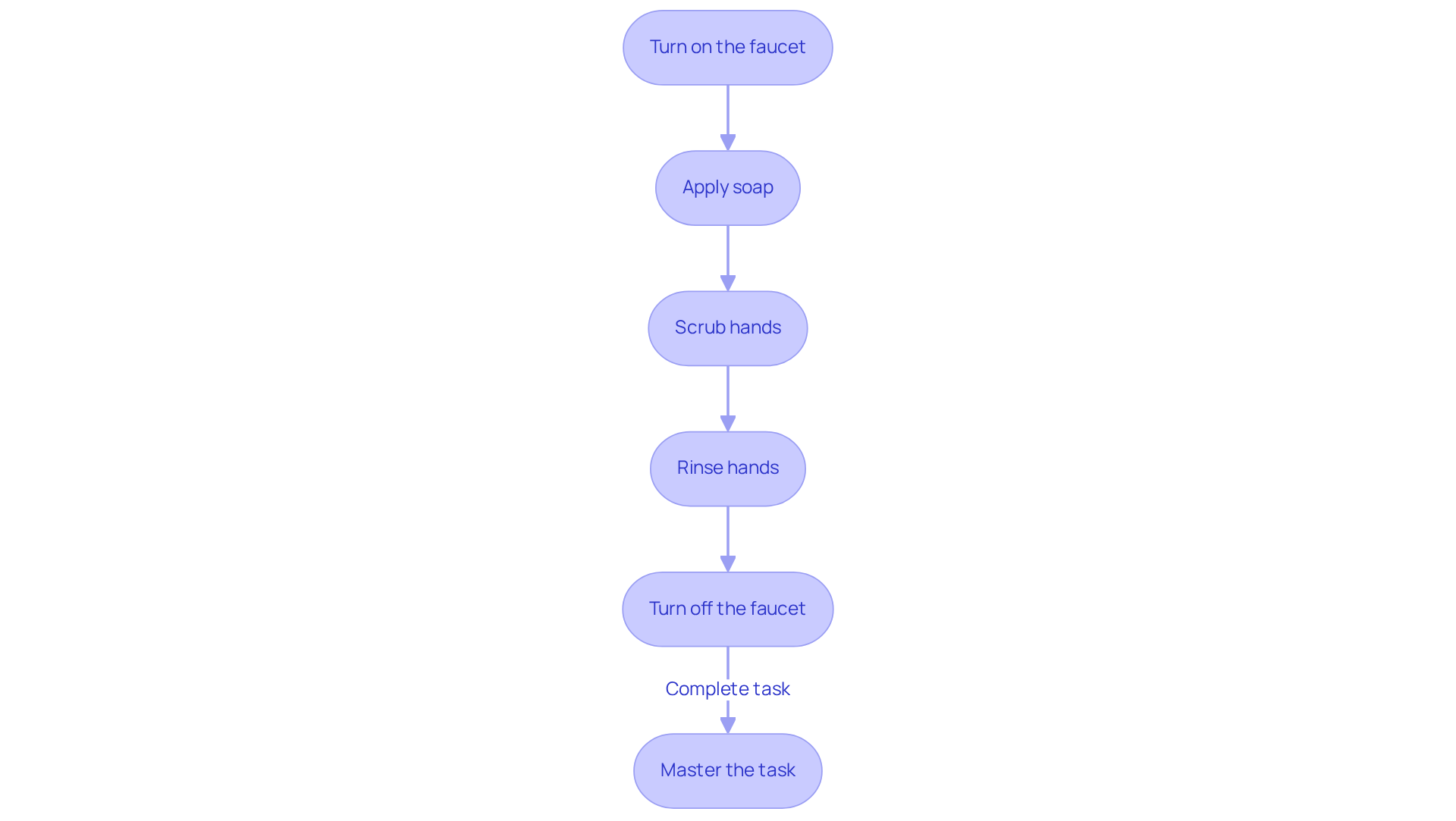
is a systematic teaching method that begins with the initial phase of a task, ensuring mastery before progressing to subsequent phases. For example, when teaching a child to wash their hands, the first step is turning on the faucet. Once this phase is successfully completed, the next step - applying soap - is introduced. This method not only fosters a sense of achievement but also significantly boosts confidence as learners witness their progress in mastering each component of the task.
Research highlights that , specifically , is particularly effective in . Studies reveal that children acquire skills more efficiently when tasks are broken down into manageable steps. For instance, a study involving children with developmental disorders demonstrated that those taught using a exhibited improved and generalization across various environments. In fact, findings indicate that can lead to a 25% increase in compared to traditional methods.
Behavior analysts emphasize the importance of this approach, noting that it allows learners to build momentum through initial successes, encouraging them to tackle more challenging activities. As one specialist stated, "Forward progression is most effective when the person has to learn the complete order of an activity." This structured method not only aids in but also empowers children to engage with tasks that may initially appear daunting.
Success stories abound, with many children demonstrating remarkable progress in daily living skills through sequential steps. For instance, a child learning to dress might first master putting on underwear before advancing to pants, shirts, and shoes. This not only builds competence but also instills a sense of independence, making an essential tool in ABA therapy. Additionally, , whether verbal or physical, can significantly enhance a young person's ability to learn and retain new skills, further supporting the effectiveness of this method.
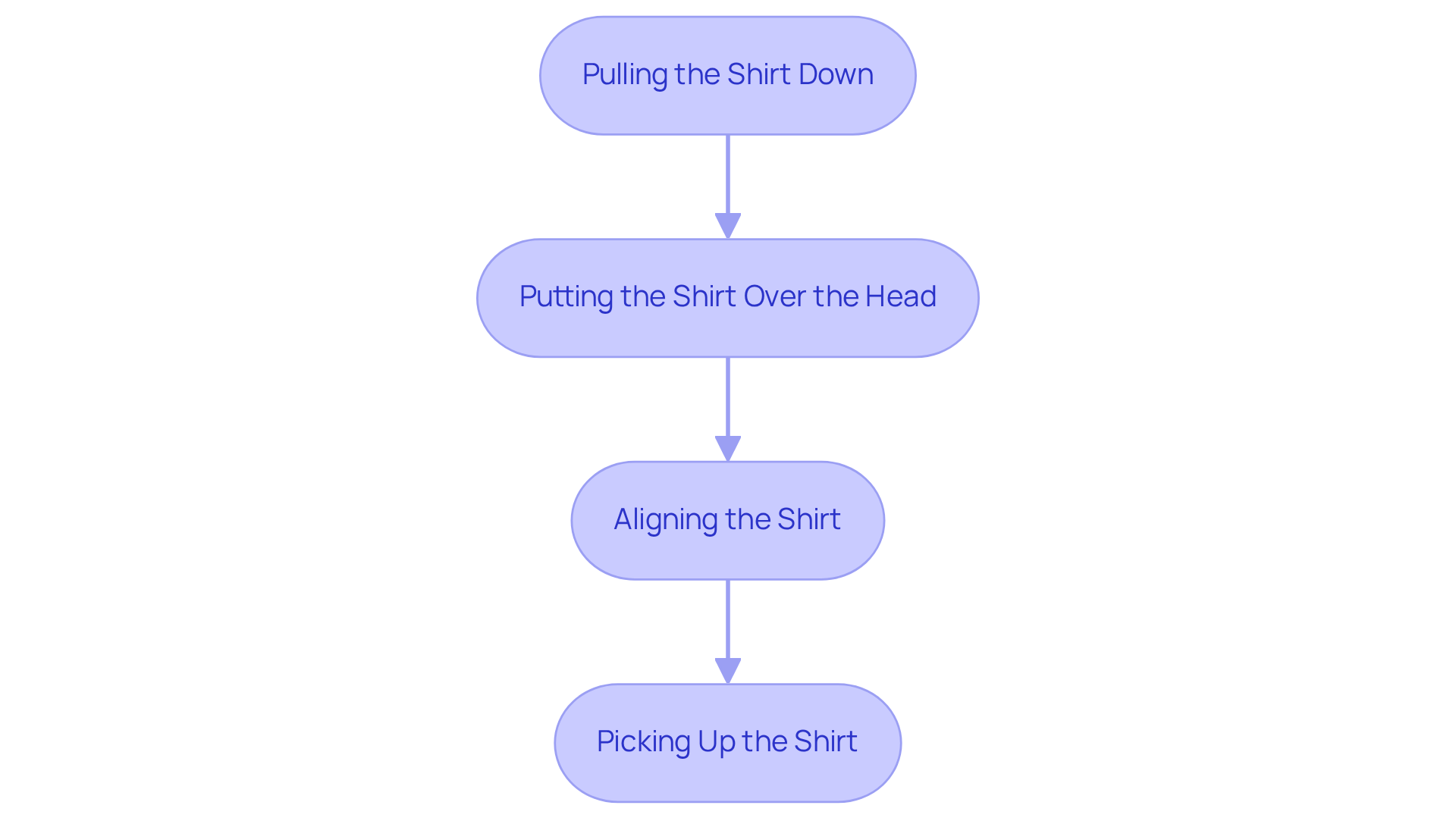
is a powerful instructional strategy that begins with the final step of an activity, allowing participants to experience . For example, when teaching a child to put on a shirt, the last step - pulling the shirt down - is taught first. This method not only but also , as the child can complete the task with minimal assistance.
Have you considered how this approach could ? By mastering the first, learners can quickly gain the skills they need, paving the way for a . Once they have this phase down, they utilize to introduce earlier steps in reverse order, reinforcing their understanding and capability.
This technique not only strengthens the individual's confidence but also . Imagine the impact on your when students can accomplish tasks independently. Embrace and witness the difference it can make in your .
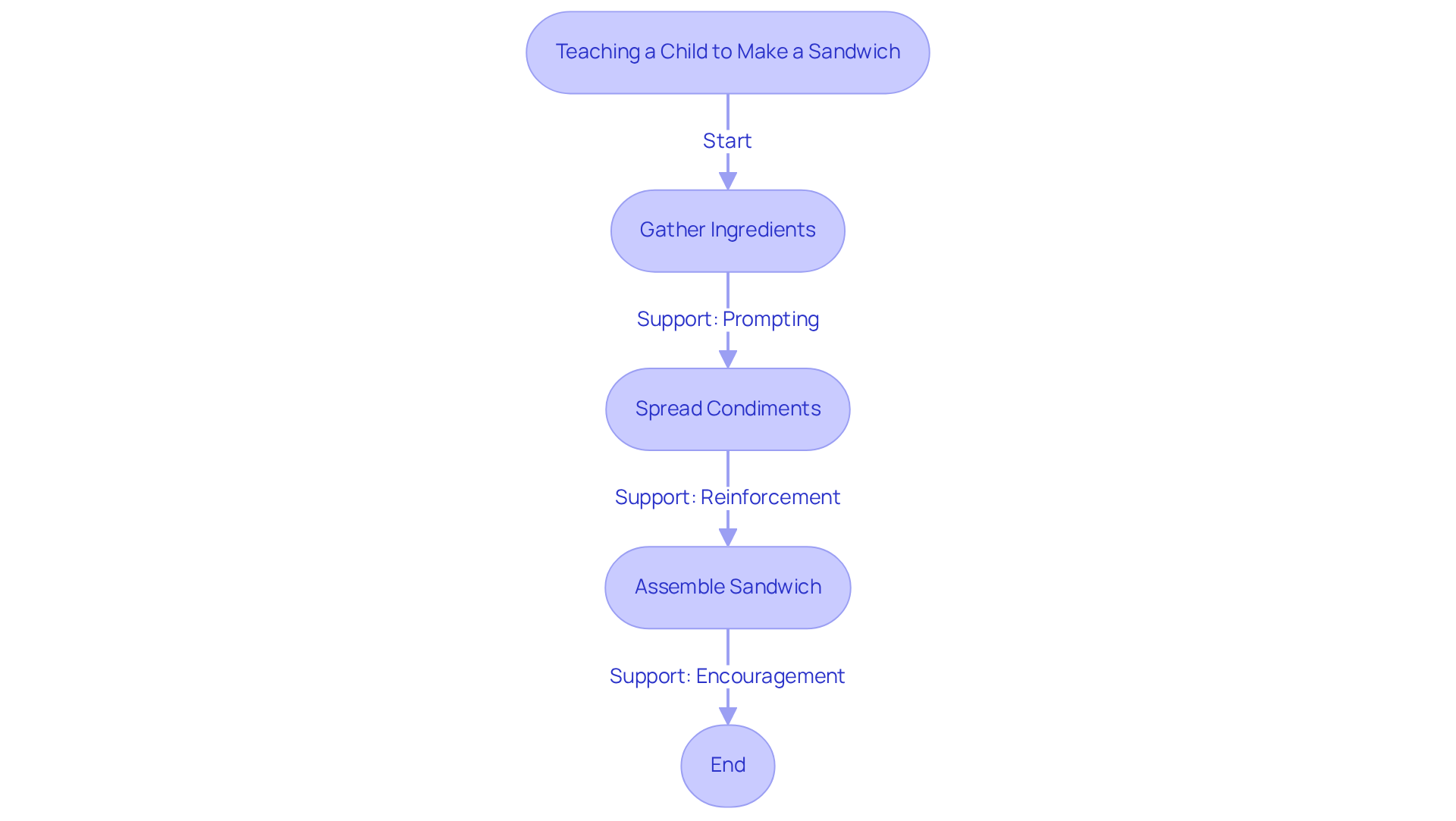
that involves guiding all phases of an assignment simultaneously, offering varying degrees of assistance as needed. This approach, involving , is particularly advantageous for students who can engage with the entire activity but may require support at specific stages.
Consider the example of teaching a child to . The therapist leads the child through each step - gathering ingredients, spreading condiments, and assembling the sandwich - while throughout the process. This method not only but also in the learner's abilities.
Are you facing challenges in effectively ? Reflect on how can , making them more effective and engaging for your students.
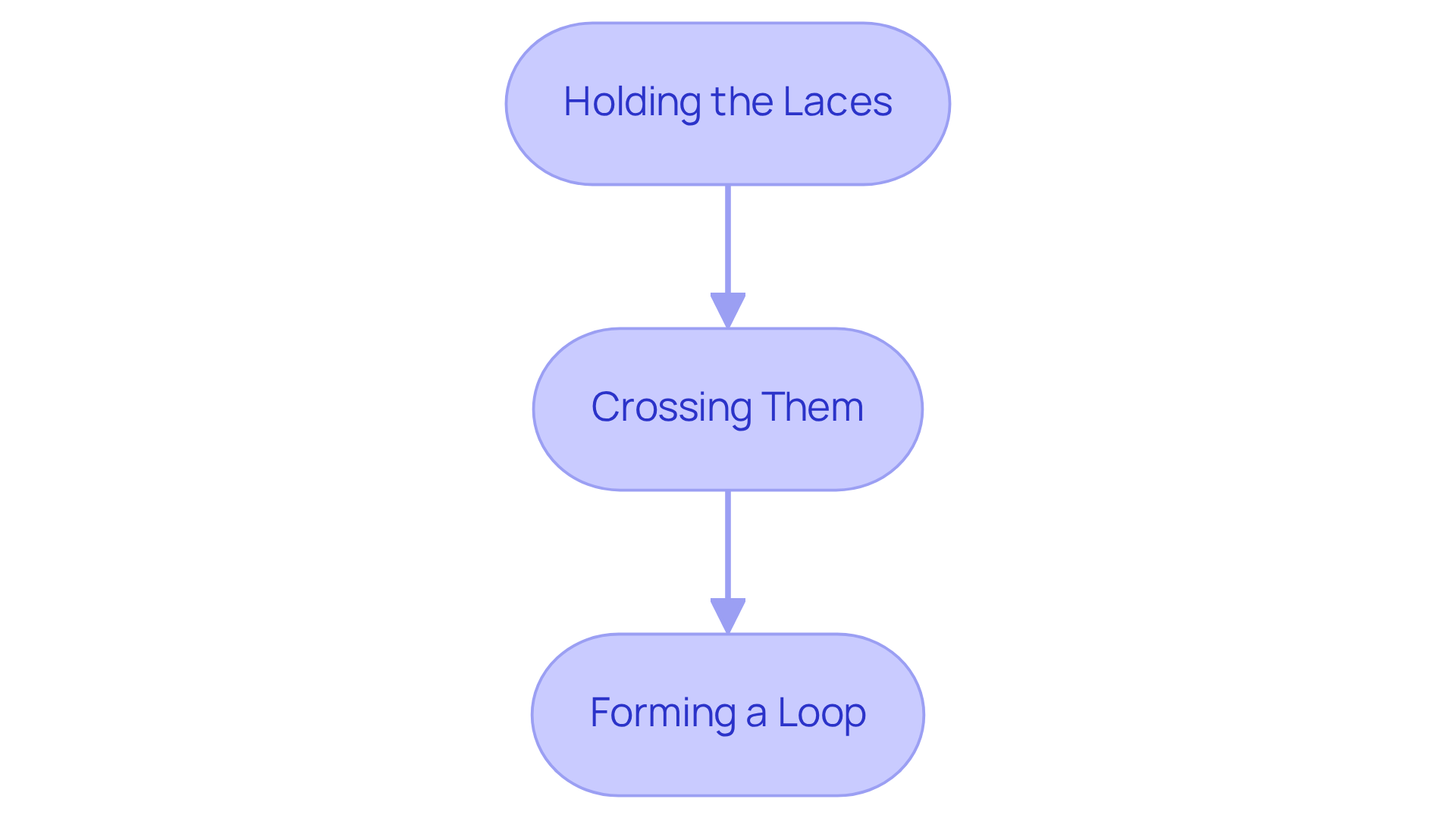
is a cornerstone in and is essential for by breaking down . This empowers practitioners to effectively identify and teach each element of a task. For example, when guiding a child in tying their shoes, the process can be segmented into distinct stages:
By focusing on one step at a time, learners not only achieve mastery but also experience a and motivation.
The importance of in is profound. It enhances learning efficiency and fosters independence among individuals with Autism Spectrum Disorder (ASD). Research shows that is instrumental in teaching . By providing a structured framework, it , allowing individuals to concentrate on mastering each component before progressing.
Successful applications of in behavior therapy demonstrate that this method cultivates , enabling students to track their progress and celebrate their achievements. Furthermore, ongoing data collection is essential for evaluating the effectiveness of interventions and making necessary adjustments to optimize outcomes. ABA experts emphasize that the use of to decompose skills into teachable steps is fundamental to effective instruction in this field, ensuring personalized guidance tailored to each student's unique strengths and challenges.
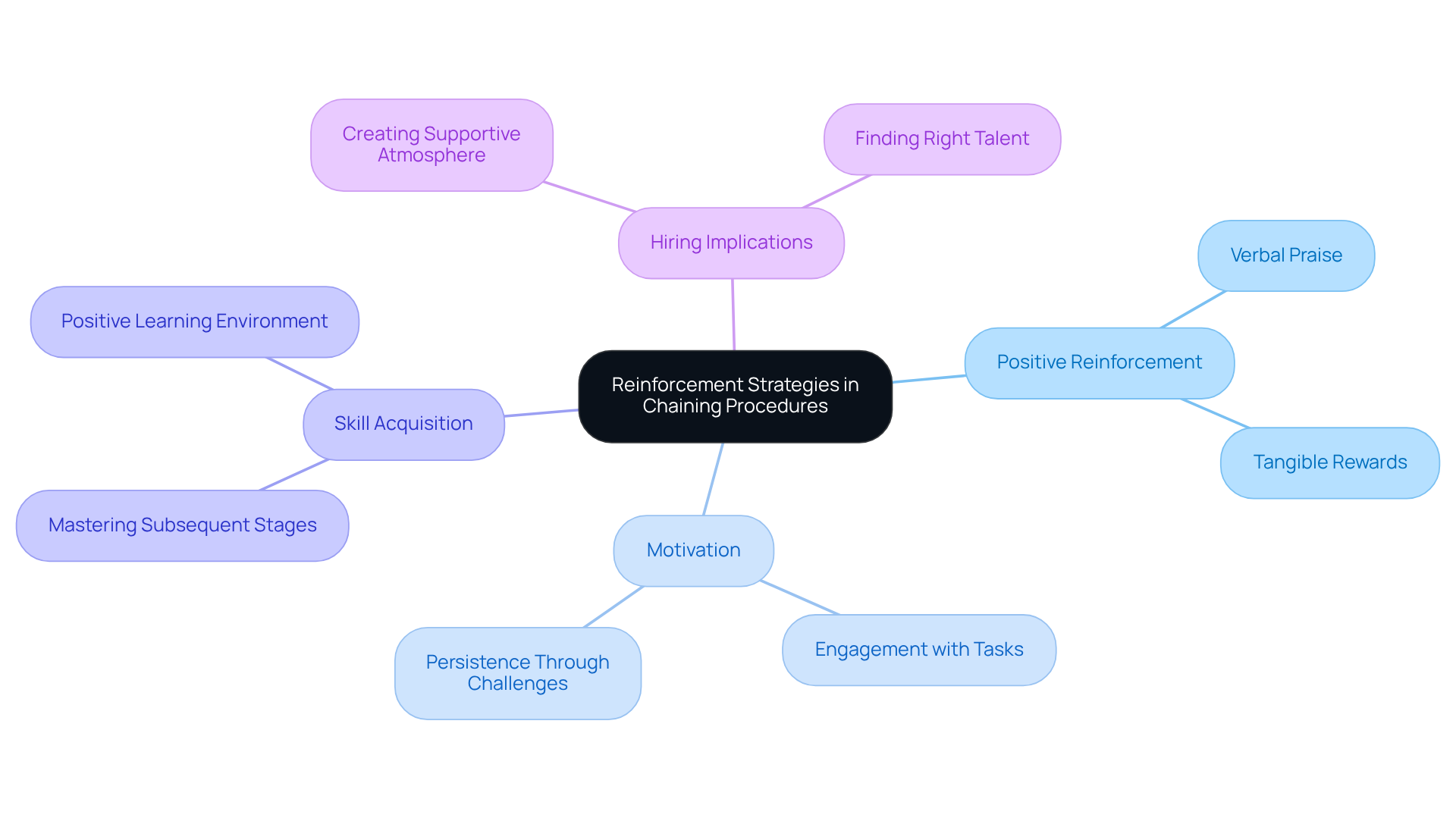
are essential for enhancing in ABA. Consider this: , such as verbal praise or tangible rewards, significantly motivates learners to engage with tasks and persist through challenges. For example, when a child successfully completes a stage in a sequential procedure, with prompt reinforcement can inspire them to continue practicing and mastering subsequent stages. This method not only fosters skill acquisition but also cultivates a positive learning environment.
Are you facing challenges in your current ? Understanding the impact of can transform your approach. By implementing these strategies, you can create a more engaging and , ultimately leading to better outcomes.
Incorporating is not just beneficial; it’s crucial for success. As you reflect on your hiring needs, consider how platforms like can assist you in finding the right talent to implement these effective strategies. With the right support, you can and drive better results.
are crucial in various real-life situations, empowering individuals to develop . Consider the demand for effective teaching methods in :
These can be mastered through a . By breaking these tasks into manageable steps and employing , professionals can significantly enhance individuals' ability to integrate these skills into their daily routines. This not only but also cultivates self-reliance.
Are you facing challenges in to implement these techniques? Reflect on how the right can transform your approach to skill development. With the , you can ensure that individuals receive the guidance they need to thrive.
Incorporating into your practice is not just beneficial; it’s essential for in those you serve. By leveraging these methods, you can make a lasting impact on their lives.

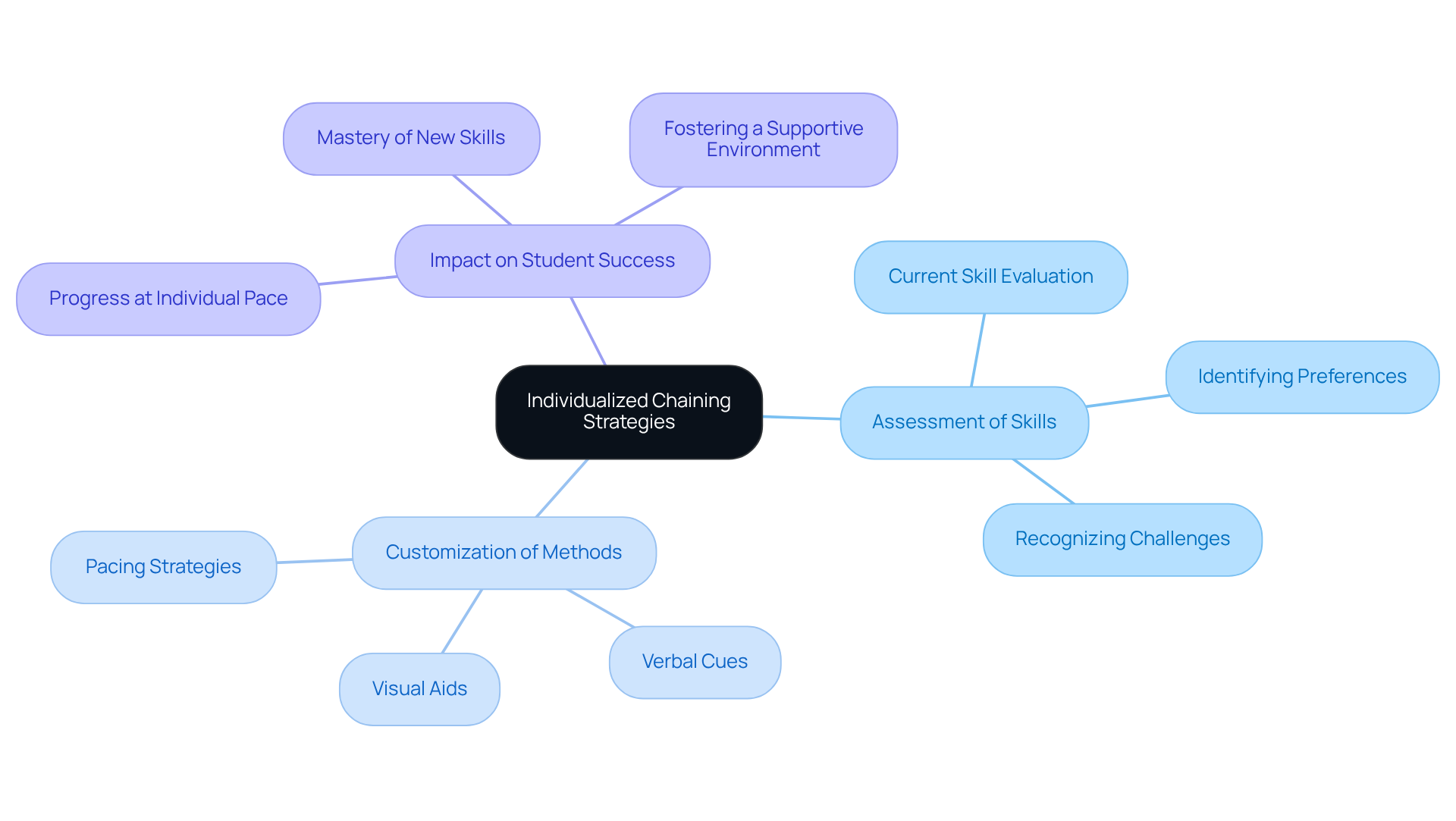
Personalized sequencing approaches are essential for addressing the . Did you know that can significantly enhance learning outcomes? By assessing an individual's current skills, preferences, and challenges, practitioners can customize to maximize effectiveness.
For instance, some students thrive with , while others may need additional verbal cues. This tailored approach not only ensures that each student progresses at their own pace but also fosters success in .
Imagine the impact of a on your students. Are you ready to embrace strategies that cater to their individual needs? By implementing these methods, you can create an environment where every student has the opportunity to excel.
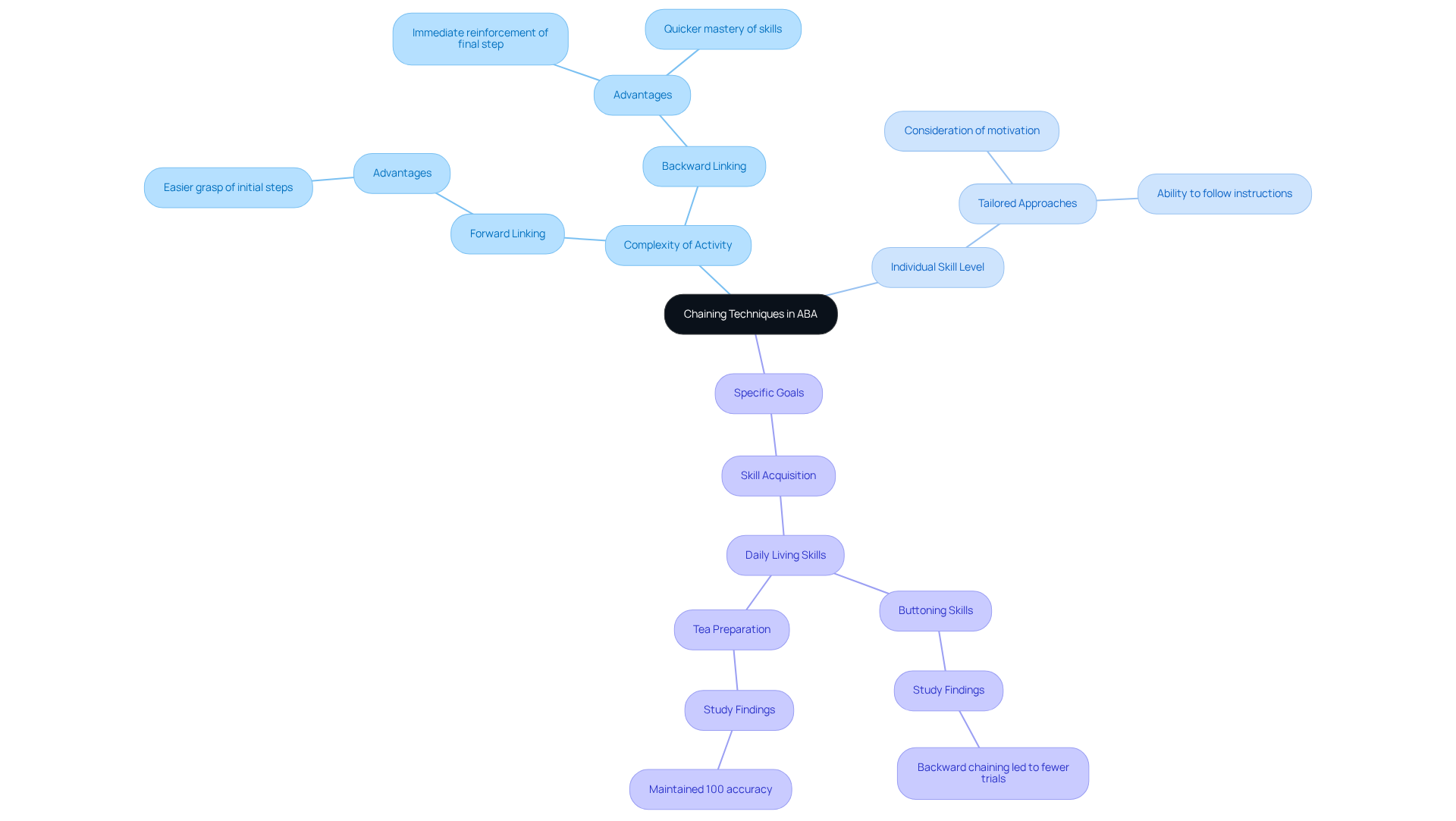
Choosing the right chaining procedures in is crucial. Have you considered how the complexity of the activity, the individual's skill level, and the specific goals of the intervention impact your approach? Research indicates that both forward and backward sequences can be effective, but their suitability often hinges on context. For example, is typically advantageous for activities where learners can easily grasp and execute the initial steps. In contrast, often proves more effective for tasks that benefit from immediate reinforcement of the final step. A study revealed that led to quicker mastery of skills in adolescents with intellectual disabilities, underscoring its efficiency in fostering independence.
The significantly influences the choice of linking method. Tasks with multiple stages may require a more structured approach, such as , allowing students to succeed with the final step before mastering the entire sequence. This method has been shown to needed for mastery. Participants reached the standard with fewer attempts when employing backward sequences compared to forward sequences.
It's essential for practitioners to consider the individual characteristics of each student, including their motivation and ability to follow instructions. Tailoring the linking approach to meet these unique needs can greatly enhance the intervention's effectiveness. As one ABA expert noted, understanding an individual's preferences and strengths is vital for selecting the most appropriate sequencing method. By carefully evaluating these factors, practitioners can implement effective that facilitate and promote learner success.
The demand for Board Certified Behavior Analysts (BCBAs) is skyrocketing, with a significant increase in job opportunities across the field. Embracing chaining procedures in Applied Behavior Analysis (ABA) is essential for developing effective training techniques that empower learners. By systematically linking individual behaviors to create complex skills, these methods simplify the learning process and enhance confidence and independence among individuals. The importance of incorporating these strategies cannot be overstated, as they lay the foundation for successful skill acquisition and mastery.
Throughout this article, we’ve explored key insights into various chaining techniques such as:
Each method offers unique advantages, allowing practitioners to tailor their approaches based on the complexity of tasks and the individual needs of learners. The integration of task analysis and reinforcement strategies further enhances the effectiveness of these techniques, ensuring that learners can navigate and succeed in daily living skills.
In light of the growing demand for skilled behavior analysts, consider your current hiring practices. Are they effectively supporting the implementation of these chaining procedures? Platforms like Hire ABA streamline the recruitment process, connecting qualified professionals with job opportunities that align with their expertise. By prioritizing the right talent, organizations can significantly improve the quality of care provided, ultimately transforming the lives of those they serve.
Embrace the power of chaining techniques and the importance of effective hiring. Take action today by utilizing Hire ABA to foster a brighter future in ABA therapy.
What is Hire ABA?
Hire ABA is a specialized recruitment platform designed specifically for Board Certified Behavior Analysts (BCBAs), using advanced algorithms to connect qualified professionals with job opportunities in the field of Applied Behavior Analysis (ABA) therapy.
How does Hire ABA benefit job seekers and employers?
For job seekers, Hire ABA reduces the time-to-hire, allowing them to quickly find roles that match their expertise. Employers can efficiently identify candidates who meet their specific requirements, enhancing the quality of care in ABA therapy settings.
What are chaining procedures in ABA?
Chaining procedures in ABA are techniques that link individual behaviors to create complex skills, making it easier to teach multi-step activities by breaking them down into manageable parts for systematic instruction.
How does chaining benefit learners in ABA therapy?
Chaining simplifies the learning process and builds confidence in learners as they master each component of a task before moving on to the next step.
What is forward chaining in ABA?
Forward chaining is a teaching method that starts with the initial phase of a task, ensuring mastery before progressing to subsequent phases, thereby fostering a sense of achievement and boosting confidence in learners.
What are the advantages of using forward chaining in teaching skills?
Research shows that forward chaining helps children acquire skills more efficiently by breaking tasks into manageable steps, leading to improved skill retention and generalization across various environments.
How does forward chaining impact children's learning outcomes?
Studies indicate that forward chaining can lead to a 25% increase in skill retention compared to traditional methods, as it allows learners to build momentum through initial successes.
Can you provide an example of forward chaining in practice?
An example of forward chaining is teaching a child to wash their hands, starting with turning on the faucet, then applying soap, and progressing through each step sequentially.
What role do structured prompts play in chaining procedures?
Structured prompts, whether verbal or physical, can significantly enhance a learner's ability to learn and retain new skills, further supporting the effectiveness of chaining procedures in ABA therapy.
Our expert recruitment strategies and AI-driven sourcing ensure that you receive top-notch candidates quickly, without compromising on quality. Whether you’re looking for BCBAs, Clinical Directors, or RBTs, we’ve got you covered.


