


Thank you! Your submission has been received!
Oops! Something went wrong while submitting the form.
February 18, 2026

Understanding the demand for Board Certified Behavior Analysts (BCBAs) is crucial in today’s therapeutic landscape. With a significant percentage of therapists employing various prompting strategies, the potential for effective learning is immense. This article explores ten essential model prompts that not only enhance skill acquisition but also empower individuals with autism to achieve greater independence.
As the field of Applied Behavior Analysis (ABA) therapy evolves, the challenge remains: how can therapists ensure they are using the most effective prompting techniques tailored to each learner's unique needs? Reflect on your current practices. Are you confident that your strategies are meeting the diverse needs of your clients?
Exploring this question opens the door to innovative strategies that can transform therapeutic practices and improve outcomes for clients. By focusing on effective prompting techniques, therapists can significantly enhance their impact, ensuring that every learner has the opportunity to thrive. Let's delve into these essential prompts and discover how they can make a difference.
Did you know that approximately ? This statistic underscores the significant demand for in supporting learners, particularly those with moderate to severe autism. , provide direct support that can be crucial for teaching .
The effectiveness of these cues lies in their ability to offer tailored assistance that meets individual needs. As learners gain confidence and skill, the level of support can be gradually reduced, fostering greater independence. Behavior analysts emphasize that when applied correctly, , ultimately improving their quality of life.
However, it’s essential to apply these techniques with caution. If over-relied upon, physical cues can inadvertently become physical restraints, raising ethical concerns. As young individuals transition into adulthood, the consistent use of can lead to lasting benefits, reinforcing the importance of these techniques in ABA therapy.
Are you currently facing challenges in implementing ? Consider how refining your approach with reliable methods can elevate your practice and support your clients' independence.

are a powerful tool in therapy, where the therapist demonstrates the desired behavior for the individual to imitate. For example, when teaching a child to wave goodbye, the therapist first waves their hand, encouraging the child to replicate the action. Why is this method so effective? It provides a , allowing students to understand exactly what is expected of them.
Consistent modeling not only enhances the but also promotes . Imagine the impact this could have on your practice. By integrating , you can significantly improve outcomes for your clients.
Are you facing challenges in teaching specific skills? Consider how can . Embrace this method to foster a more .

are vital spoken signals or instructions that guide learners toward desired behaviors. Did you know that approximately 80% of therapists utilize in their sessions? This statistic underscores their significance in practice. For example, a therapist might say, 'Please pick up your spoon,' to encourage a child during mealtime. These cues can range from direct commands to more subtle suggestions, such as asking, 'What do we say when someone gives us something?'
not only enhance a learner's ability to respond appropriately but also foster independence over time. By gradually reducing these cues, therapists can help individuals transition smoothly to performing tasks independently. This approach ultimately enhances their overall . Experts in the field emphasize that are crucial for assisting individuals in acquiring new skills and behaviors.
Moreover, it's essential to to each student's unique approach and requirements, ensuring their effectiveness. Are you currently evaluating the ? should consider implementing regular assessments to of these cues and adjust strategies accordingly. By doing so, they can ensure that their methods remain effective and responsive to the needs of their learners.

These cues are particularly advantageous for visual learners, who thrive on tangible representations of expected behaviors. Research shows that these supports lead to a 34% improvement in and a 28% increase in . Educators have observed that consistency in visual presentations not only reinforces learning but also promotes the generalization of skills, significantly enhancing both engagement and understanding.
Moreover, , enriching their learning experience. By integrating into educational environments, we can make learning more efficient, encouraging autonomy and improving skill retention. Are you ready to transform your teaching approach with these powerful tools?

Did you know that 60% of all human interaction is nonverbal? Gesture signals leverage this powerful aspect of communication, using like pointing or nodding to effectively guide a learner's behavior. For example, a therapist might point to a toy, encouraging a child to engage with it. These cues are less intrusive than physical or verbal signals, making them particularly beneficial for maintaining a calm and focused learning environment.
Research shows that not only enhance understanding but also by reducing reliance on more direct forms of support. Authorities in the field, such as Ally Dube, emphasize that 'ultimately, the goal of prompting is to encourage autonomy in students.' By integrating into therapy, practitioners can cultivate a that fosters self-monitoring and long-term success in .
Furthermore, is essential for evaluating the effectiveness of these prompting strategies. This ensures that interventions are of each student. Are you ready to enhance your approach to learning and communication? Embrace the power of gesture signals and watch as your students thrive.

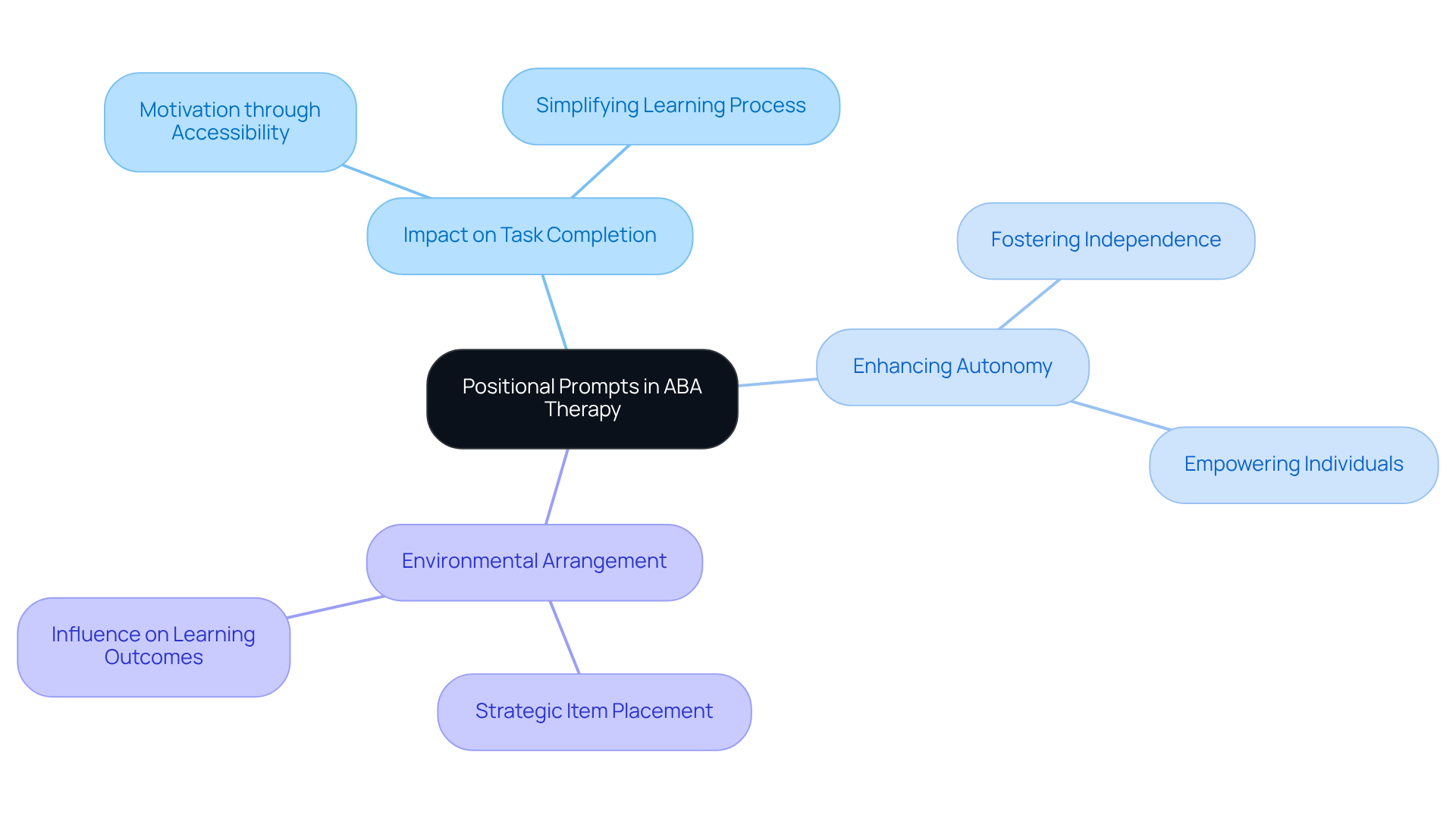
Positional prompts represent a vital technique in , strategically arranging items to guide participants toward . Consider this: placing a puzzle piece within easy reach can significantly motivate a child to engage with the puzzle independently. This method not only simplifies the learning process but also by leveraging environmental cues.
Recent findings underscore the importance of thoughtful , revealing that it significantly impacts rates. The physical setup can be a crucial factor in . Behavior analysts emphasize that the not only aids in but also fosters a sense of autonomy in individuals. This ultimately leads to in .
Are you currently facing challenges in your ? Reflect on how the strategic arrangement of items could transform your approach and enhance your clients' success. By embracing these techniques, you can create an environment that not only supports learning but also empowers individuals to thrive.
is a crucial technique in , where the level of assistance provided to individuals is gradually reduced as they gain proficiency. Imagine a therapist starting with a complete physical cue, then transitioning to a verbal cue, and ultimately offering no assistance at all. This method is vital for , enabling individuals to rely more on their own capabilities rather than external prompts.
Why is this important? Successful cue fading not only promotes self-reliance but also enhances the . It requires careful observation and adjustments based on the individual's progress, ensuring that they are supported appropriately at each stage of their development.
Consider your current hiring challenges. Are you finding it difficult to ? By understanding the significance of techniques like , you can better appreciate the expertise that professionals in this field bring to the table.
Incorporating is essential. specializes in connecting you with , ensuring that you have the right professionals to support your clients' needs. Don't miss out on the opportunity to enhance your team with skilled BCBAs who can implement techniques like effectively.
Take action today. Explore how can streamline your recruitment process and help you build a team that excels in promoting independence and .
Using a model prompt aba for customizing cues in therapy is essential for addressing the unique needs and skills of each student. Did you know that of weekly can lead to significant improvements in language, cognitive, and social skills? This statistic underscores the importance of . For instance, while some individuals may respond better to visual prompts, others might thrive with verbal or physical cues. By thoroughly assessing each learner's strengths and challenges, therapists can develop that enhance engagement and learning outcomes.
Moreover, a statement from a behavior analyst emphasizes the importance of : "Selecting the appropriate mix of evaluations and active family involvement guarantees that continues to adjust and enhance for each individual's unique journey." This approach not only fosters successful learning experiences but also aligns with the overarching goal of maximizing the effectiveness of , which boasts an impressive over .
Additionally, case studies such as 'Using the model prompt aba to Improve Attention to Task' illustrate the practical applications of tailored prompting strategies, showcasing how effective they are in real-world settings. Are you ready to explore how can transform your approach to ? Embrace the power of to ensure every learner reaches their full potential.

When cues fail to elicit the desired responses, is essential to uncover the root causes. Have you considered how the type of stimulus you use might impact outcomes? Strategies for enhancement may involve:
For instance, if a verbal cue doesn’t produce a reaction, shifting to a or visual stimulus can be advantageous.
is crucial. Did you know that than those who do not? This statistic underscores the importance of flexibility in approach. By combining with , you can ensure that learners receive the assistance they need for success.
Moreover, understanding that highlights the necessity of careful . Are you ready to refine your in supporting learners?

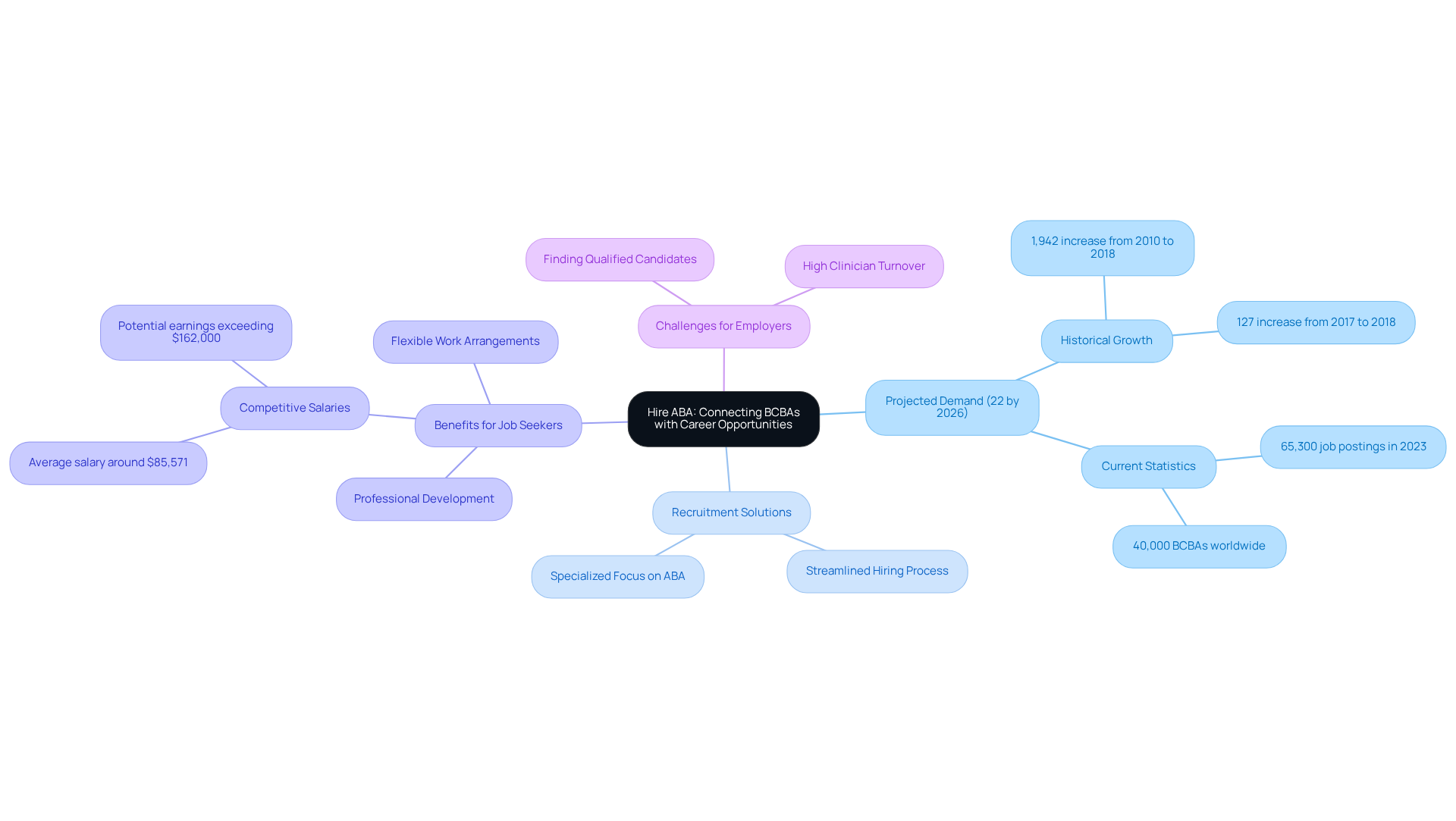
Did you know that the is projected to rise by a staggering 22% by 2026? This surge in demand highlights the critical need for effective in the field of . serves as a vital recruitment platform that connects BCBAs with premier job opportunities, streamlining the hiring process for both job seekers and employers.
By utilizing , qualified professionals can secure positions that align with their skills and career aspirations. This platform not only supports the professional development of BCBAs but also enhances the overall quality of . In a competitive job market, where employers are increasingly offering comprehensive benefits and flexible work arrangements, stands out as a reliable resource for attracting top talent.
Are you facing challenges in finding the right candidates for your ABA practice? addresses these issues head-on, ensuring that you connect with the best professionals in the field. With its specialized focus on recruitment, the platform is designed to meet the in ABA therapy. Don't miss out on the opportunity to elevate your practice - consider using for your recruitment needs today.
The demand for qualified professionals in ABA therapy is skyrocketing, making the incorporation of essential model prompts pivotal for fostering effective learning and promoting independence among learners. By utilizing various types of prompts - physical, verbal, visual, gesture, and positional - therapists can tailor their approaches to meet the unique needs of each individual. This strategic use of prompts not only enhances skill acquisition but also empowers individuals to thrive autonomously in their daily lives.
Each prompting technique plays a crucial role in successful behavior modification and skill development. From the direct support of physical prompts to the clarity offered by model prompts, and the guidance provided by verbal and visual cues, these methods contribute significantly to the learning process. Moreover, the significance of prompt fading and individualization ensures that learners transition smoothly towards independence, making these strategies indispensable in ABA therapy.
As the need for effective recruitment solutions grows, embracing these prompting techniques is essential for both practitioners and learners. Are you facing challenges in hiring qualified professionals? By refining approaches and ensuring that interventions are tailored to each individual's needs, therapists can significantly enhance their effectiveness. The call to action is clear: invest in understanding and implementing these strategies to transform the therapeutic experience and maximize the potential of every learner in ABA therapy.
What are physical prompts in ABA therapy?
Physical prompts are cues, such as hand-over-hand guidance, used by therapists to provide direct support to learners, particularly those with moderate to severe autism, in performing self-care skills.
How do physical prompts benefit learners?
Physical prompts offer tailored assistance that meets individual needs, helping learners gain confidence and skill. As they improve, the level of support can be gradually reduced, fostering greater independence and enhancing their quality of life.
What are the ethical considerations regarding physical prompts?
While physical prompts can be beneficial, over-reliance on them can lead to ethical concerns as they may inadvertently become physical restraints. It is important to apply these techniques with caution.
What are model prompts in therapy?
Model prompts involve the therapist demonstrating a desired behavior for the individual to imitate, such as waving goodbye, providing a clear visual example of what is expected.
Why are model prompts effective?
They enhance the learning experience and promote quicker skill acquisition by providing a clear and direct example for learners to follow.
What are verbal prompts in ABA therapy?
Verbal prompts are spoken signals or instructions that guide learners toward desired behaviors, such as telling a child to 'Please pick up your spoon.'
How prevalent are verbal prompts among therapists?
Approximately 80% of therapists utilize verbal cues in their sessions, highlighting their significance in guiding learners.
How do verbal prompts support skill acquisition?
Effective verbal prompting strategies enhance a learner's ability to respond appropriately and foster independence over time by gradually reducing the cues as individuals learn to perform tasks independently.
What should therapists consider when using verbal prompts?
Therapists should customize verbal cues to each student's unique approach and requirements and regularly assess the effectiveness of these cues to ensure responsive teaching methods.
Our expert recruitment strategies and AI-driven sourcing ensure that you receive top-notch candidates quickly, without compromising on quality. Whether you’re looking for BCBAs, Clinical Directors, or RBTs, we’ve got you covered.


