


Thank you! Your submission has been received!
Oops! Something went wrong while submitting the form.
November 18, 2025

Behavioral health technicians (BHTs) are essential in patient care, standing at the forefront of mental health support. With the demand for qualified professionals in this field skyrocketing, it’s crucial to understand the skills that drive effective practice. This article explores ten critical competencies that not only enhance the effectiveness of BHTs but also significantly improve patient outcomes.
How can these skills be mastered to transform interactions and elevate care in an increasingly challenging healthcare landscape? Reflect on your current hiring challenges - are you equipped to meet the growing needs of your patients? Discover how focusing on these essential skills can lead to better care and outcomes.
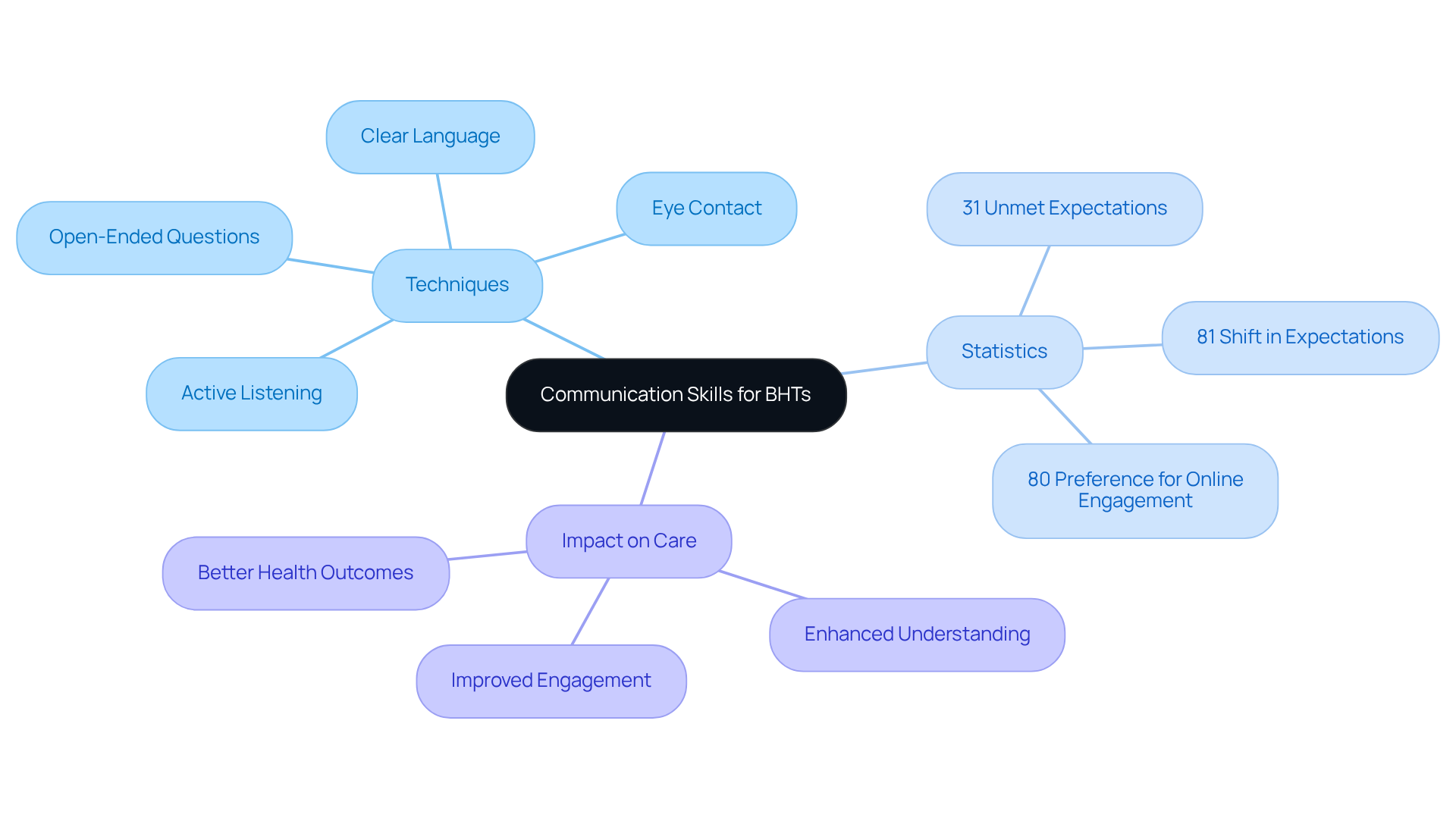
emphasizes that Behavioral Health Technicians (BHTs) must excel in both verbal and non-verbal communication to effectively convey empathy, provide , and enhance understanding. Did you know that ? This statistic underscores the critical need for BHTs to during their .
Active listening, clear language, and maintaining eye contact are essential for enhancing interactions with individuals. For instance, utilizing open-ended questions encourages individuals to share their feelings and concerns more openly, creating a supportive atmosphere.
Moreover, recent research indicates that , highlighting the importance of . This emphasizes the necessity for BHTs to adjust their methods accordingly as part of their . In fact, , highlighting the significance of adapting interaction methods to meet consumer preferences.
Expert opinions suggest that promoting a collaborative atmosphere through effective communication not only improves engagement but also leads to better overall health outcomes. By mastering these skills through , BHTs can facilitate more meaningful interactions, ultimately enhancing satisfaction and care for individuals. Are you ready to elevate your communication strategies and improve healthcare experiences?
Empathy is crucial in , as it involves acknowledging and affirming individuals' feelings and experiences. Have you considered how empathy can transform your interactions with clients? emphasizes the importance of actively listening and responding to emotional signals to enhance their practice. For instance, when a technician acknowledges an individual's anxiety about treatment, it fosters a sense of security and understanding. This connection ultimately enhances the , benefiting both the client and the skills gained through .
Incorporating empathy into your practice not only improves but also strengthens the therapeutic alliance. By prioritizing empathetic communication, you can create an environment where individuals feel valued and understood. This approach is essential for effective treatment and can significantly impact the overall success of your practice.
Are you ready to elevate your practice through empathy? Embrace this powerful tool to enhance your relationships with clients and improve their treatment experiences.

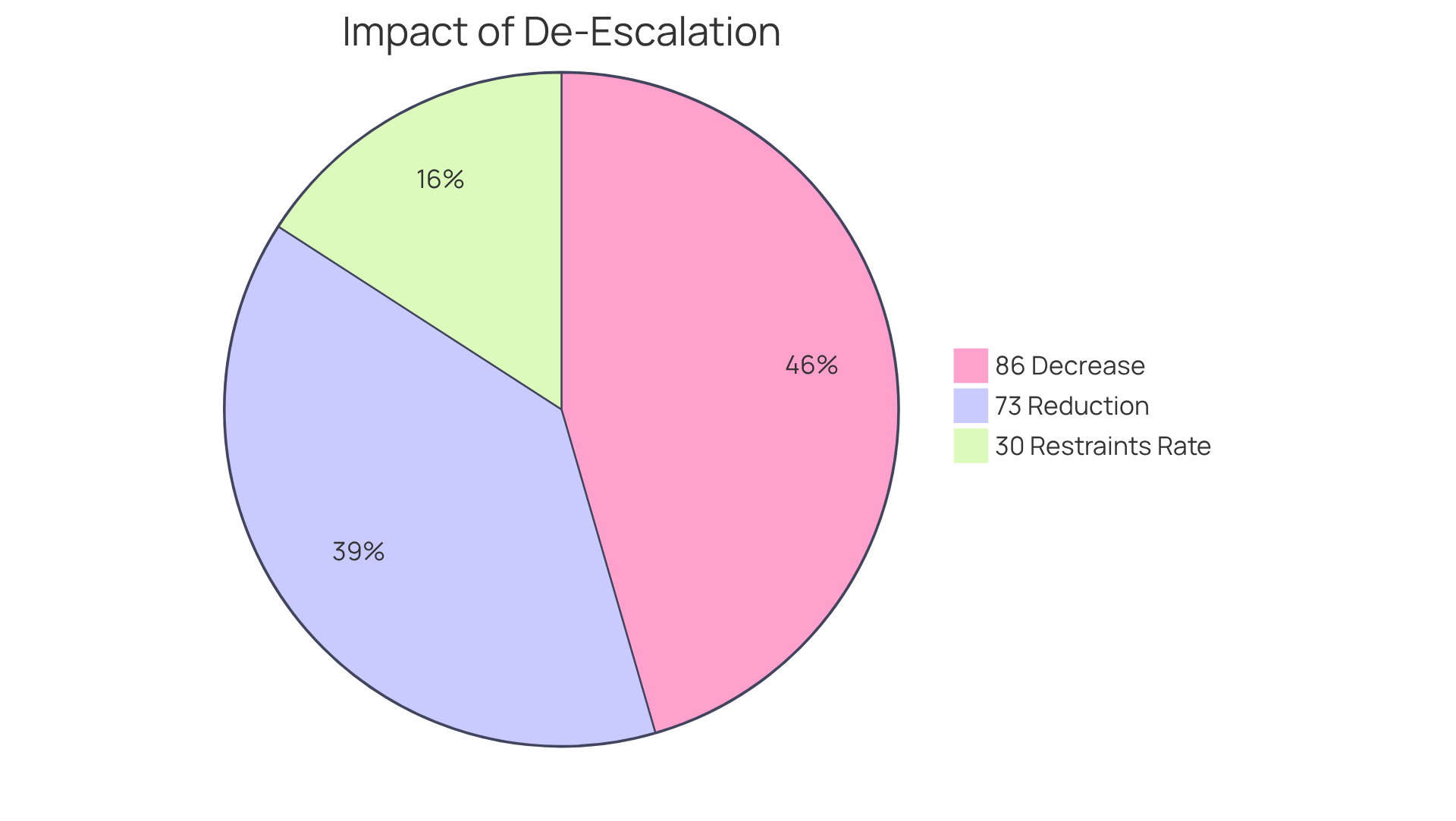
Behavioral Health Technicians (BHTs) play a crucial role in , and their proficiency in and is essential. Did you know that effective can lead to a staggering 73% reduction in aggressive events? This statistic underscores the importance of staying composed and using a calming tone, which can significantly alleviate tense situations and create a safer atmosphere for both individuals and staff.
Research shows that in acute psychiatric settings, there’s an 86% decrease in severe incidents when de-escalation techniques are employed. With the average aggression incidence rate in European acute psychiatric wards at approximately 9.3 events per individual per year, it’s clear that aggressive behavior is prevalent in these environments. is essential for BHTs to manage these situations effectively and recognize when to involve additional healthcare professionals or emergency services, ensuring .
Moreover, the impact of is evident in the experimental group, where the incidence rate of physical restraints due to aggression dropped to just 30% of the control group's rate. This highlights the effectiveness of implementing these strategies, which not only improves immediate crisis responses but also fosters a more .
Are you facing challenges in hiring qualified BHTs? Consider how prioritizing in de-escalation can enhance your team's effectiveness and patient care. By investing in the right training and recruitment strategies, you can create a safer and more supportive environment for everyone involved.
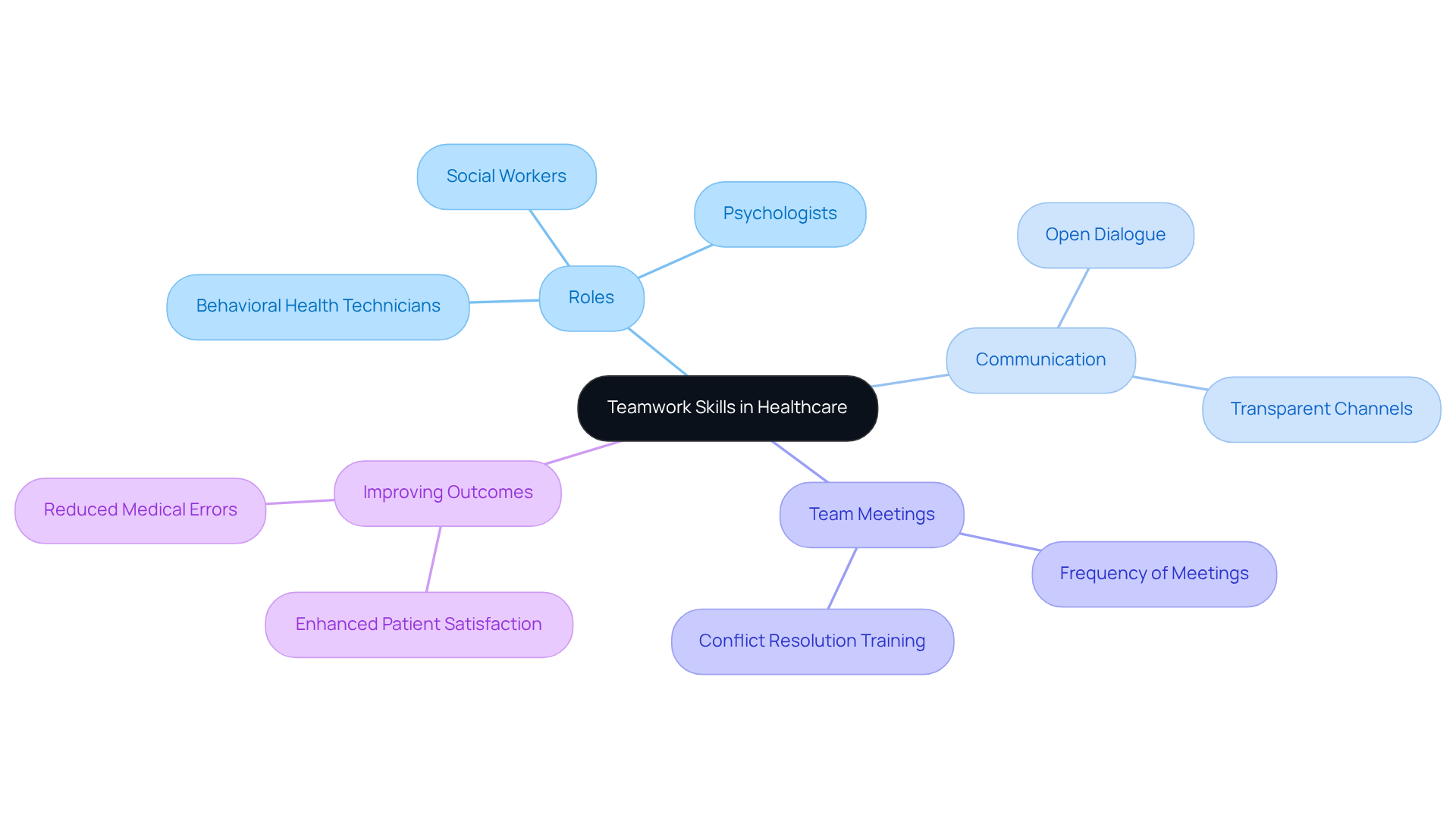
prepares individuals to play a crucial role in , social workers, and other healthcare providers. This collaboration is essential for sharing information, participating in treatment planning, and in the context of .
Consider this: how often do your teams meet to discuss patient care? are vital. They not only but also ensure that all in their approach to care.
By , you can enhance the effectiveness of your team. Are you ready to take the next step in optimizing your collaborative efforts? Embrace the power of teamwork and watch your improve.
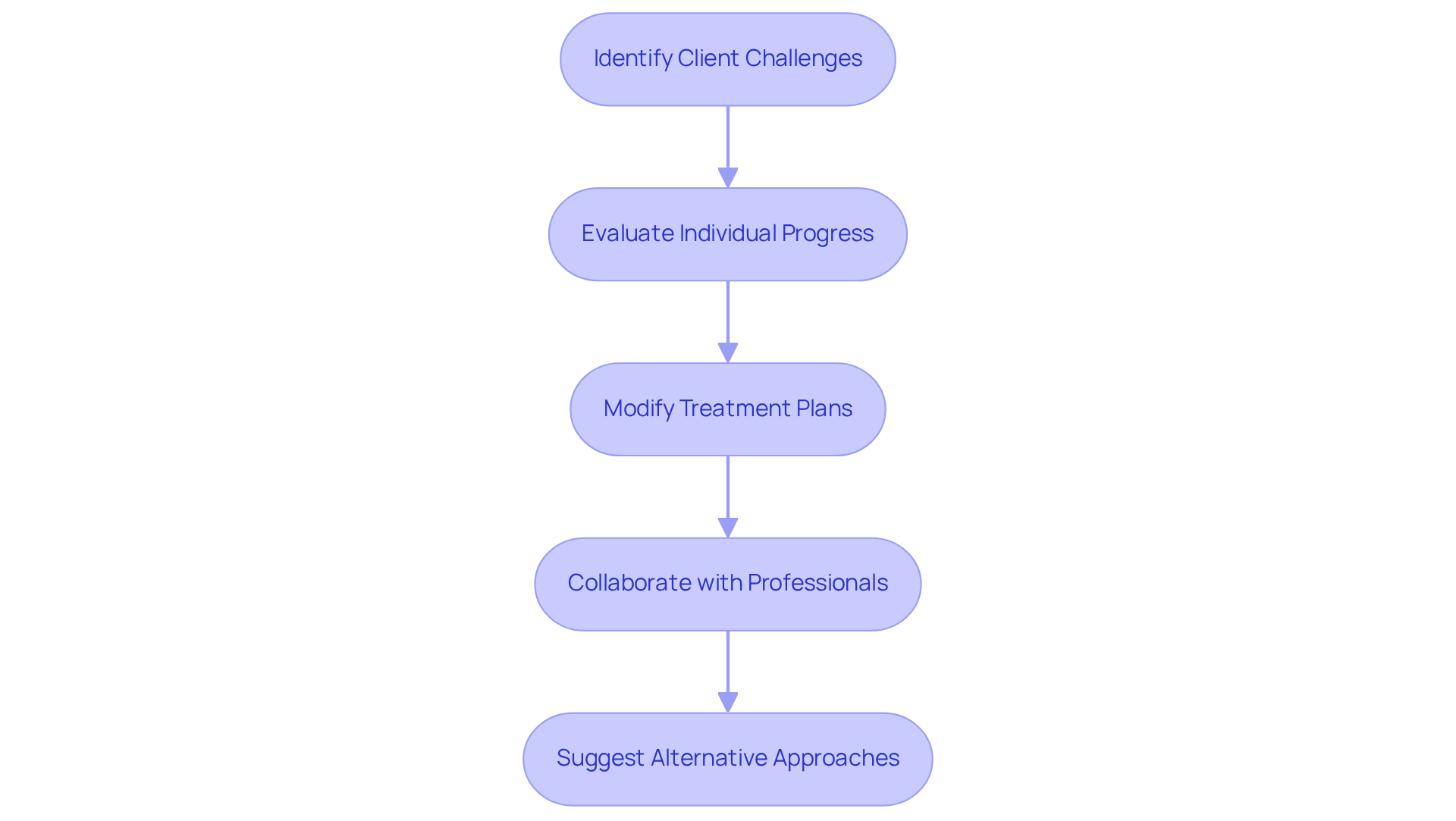
emphasizes the importance of BHTs excelling at identifying client challenges and devising actionable solutions. This involves not only evaluating individual progress but also modifying treatment plans as necessary during . Collaboration with other professionals is crucial to effectively implement innovative strategies in the context of . For example, if a client is not responding to a specific intervention, the BHT should thoroughly analyze the situation and suggest alternative approaches grounded in .
Are you facing challenges in hiring skilled BHTs? Consider how can . With the growing demand for (BCBAs), having a is essential. By leveraging , you can ensure that your team is equipped to meet the diverse needs of your clients.
Behavioral Health Technicians (BHTs) play a crucial role in adapting their approaches based on client reactions and the surrounding environment. This adaptability is essential, especially as the demand for continues to rise. For instance, if a client feels more at ease in a relaxed setting, BHTs must be prepared to modify their methods to foster a nurturing atmosphere.
Environmental factors - such as lighting, noise levels, and spatial arrangements - significantly influence an individual's comfort and engagement. Research shows that , including soft colors and natural light, can greatly enhance recovery. By recognizing and addressing these factors, BHTs can create a , leading to improved outcomes for clients.
As Peter Drucker noted, the . This underscores the importance of adaptability in and practice. Such flexibility not only strengthens the therapeutic relationship but also empowers individuals, making them feel valued and understood on their wellness journey.
With an anticipated by 2026, it is more critical than ever to focus on for adaptable health technicians. Ensuring effective care for individuals hinges on the ability of BHTs to respond to the unique needs of each client. Are you ready to invest in the future of behavioral health care? Now is the time to prioritize for flexible health technicians.

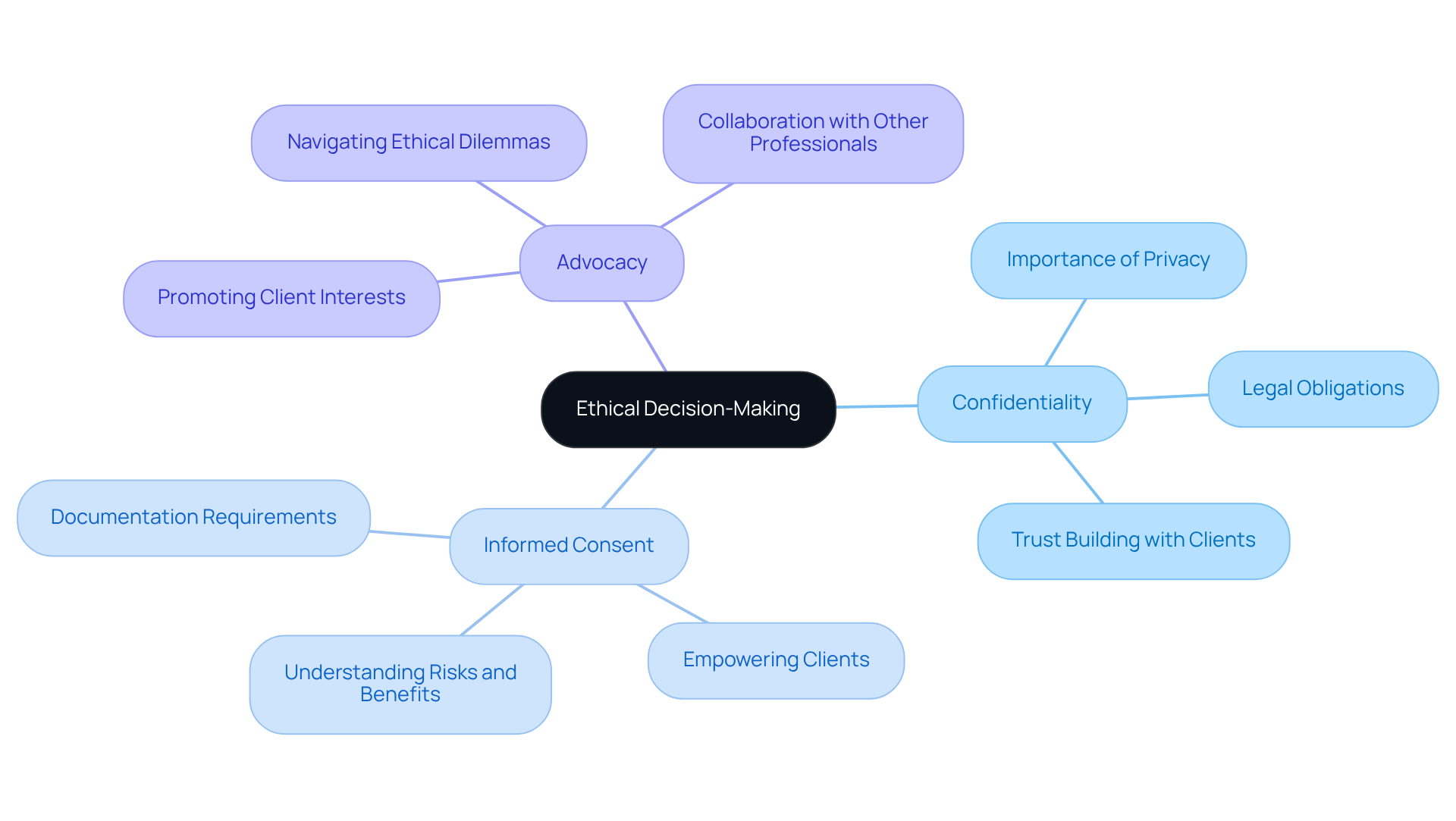
must ensure that technicians are well-versed in the that govern their practice. In , , informed consent, and the importance of is crucial.
Consider this: when faced with a dilemma regarding treatment choices, how do healthcare professionals navigate the complexities? They must weigh the potential advantages and disadvantages while respecting the individual's values and preferences. This careful evaluation not only demonstrates professionalism but also reinforces the .
Are you confident in your understanding of these ethical principles? Reflect on how they impact your daily decisions and interactions with clients. By prioritizing ethical considerations, you not only enhance your practice but also contribute to the overall integrity of the healthcare field.
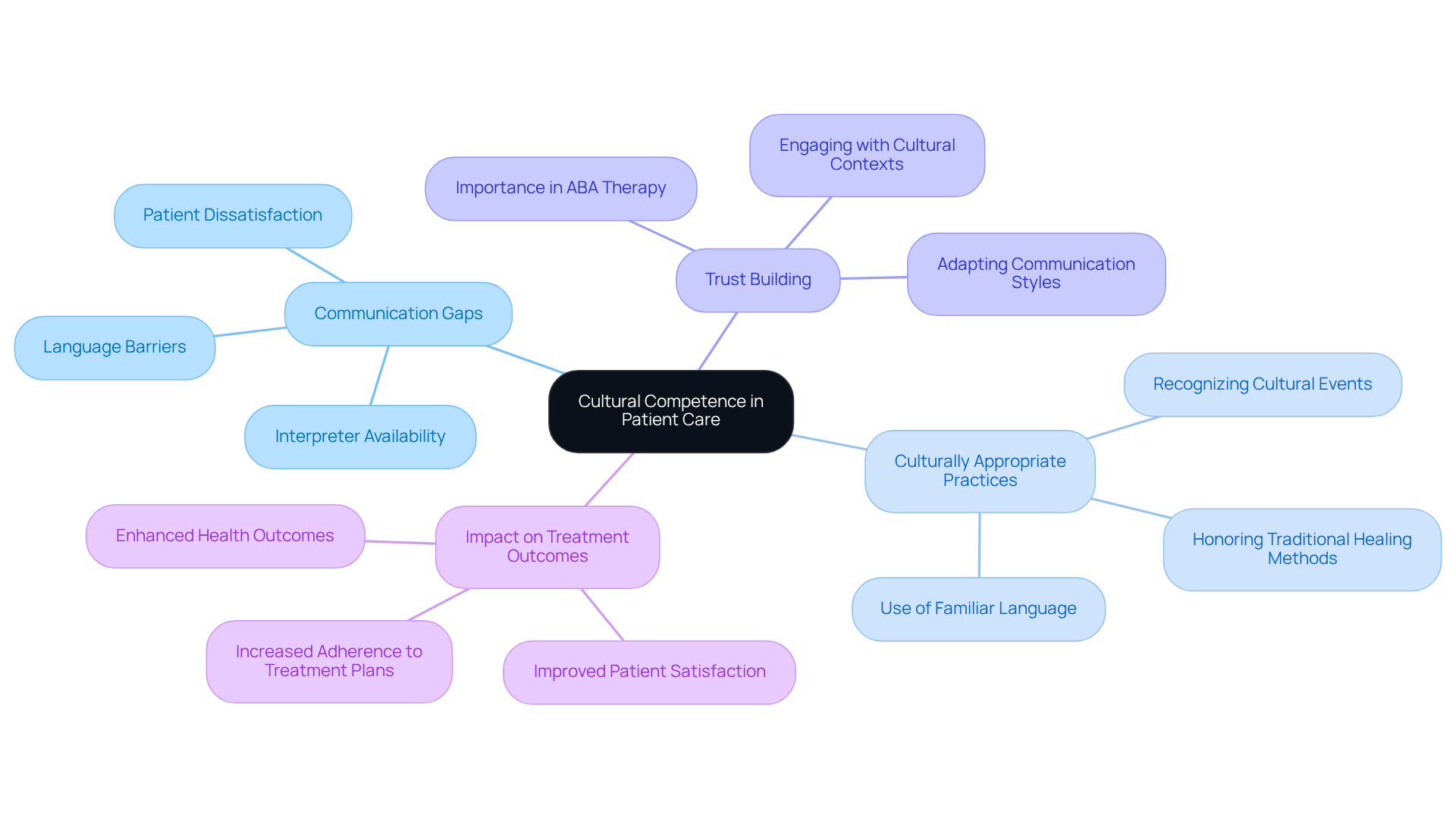
emphasizes the crucial role BHTs play in delivering effective care while addressing the challenges of understanding the of those they serve. Did you know that less than half of non-English speakers requiring an interpreter report having one during healthcare visits? This statistic highlights a significant gap in communication that can hinder treatment outcomes.
Understanding cultural norms, values, and beliefs is essential in . By integrating culturally appropriate practices into treatment plans - such as using familiar language, honoring , and recognizing important cultural events - BHTs can foster a . This not only enhances satisfaction among individuals but also promotes adherence to treatment plans, ultimately leading to improved health outcomes.
Moreover, builds trust, a vital component for establishing effective . When BHTs actively engage with individuals' cultural contexts and adapt their communication styles accordingly, they create an that supports and trust. This is particularly important in , where the therapeutic relationship is foundational to success.
As you reflect on your current hiring challenges, consider how prioritizing can transform your practice. By focusing on these , you can enhance the quality of care provided to individuals from diverse backgrounds through . Embrace the opportunity to improve your team's and witness the positive impact on your .
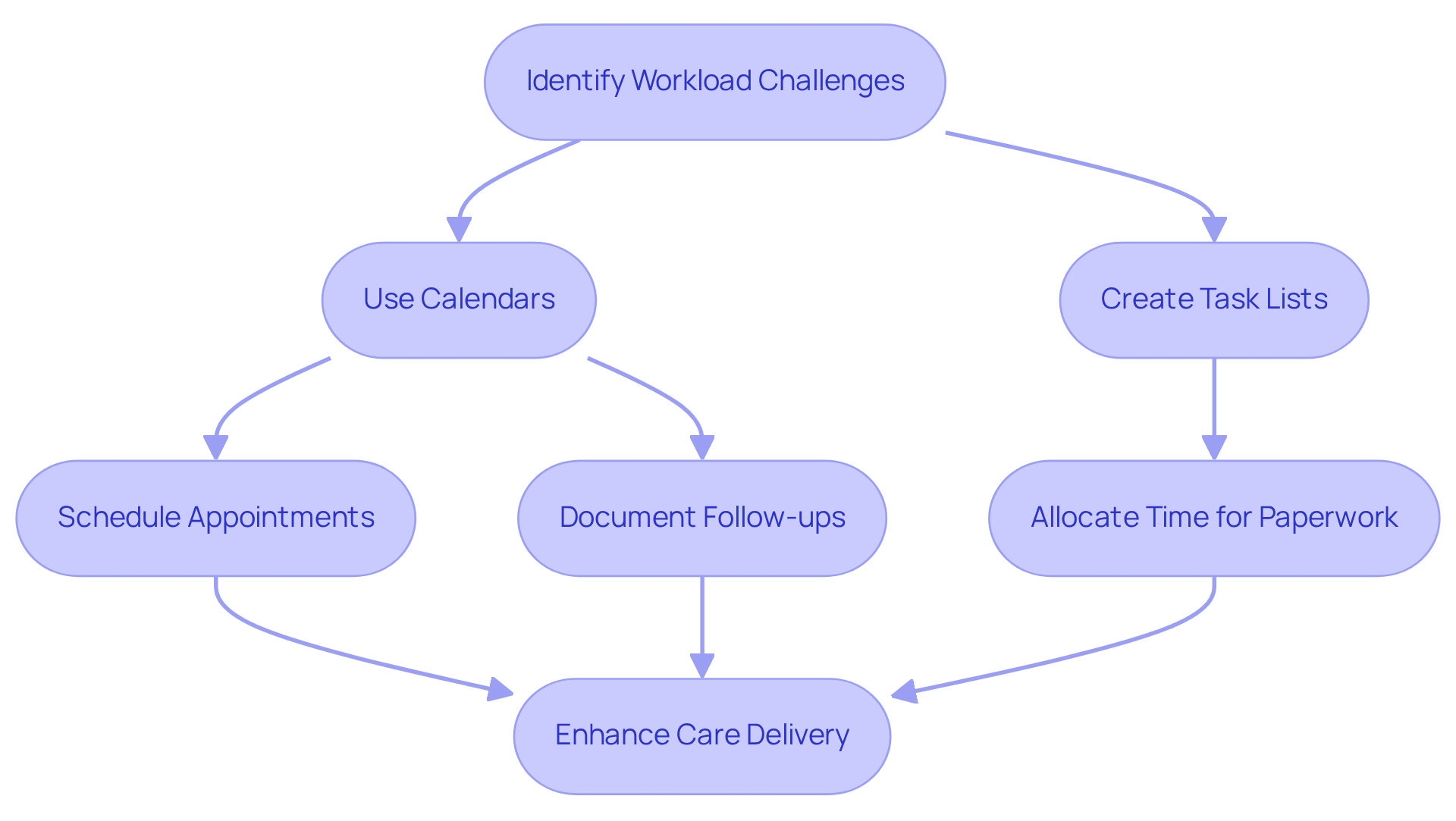
BHTs must prioritize to ensure . can include the use of calendars and task lists to keep track of appointments, documentation, and follow-ups. For example, not only guarantees that remains the top priority but also ensures that administrative responsibilities are met.
Are you currently facing challenges in ? Consider how implementing can alleviate these issues and enhance your effectiveness. By adopting these strategies, and focus on what truly matters: providing exceptional care.
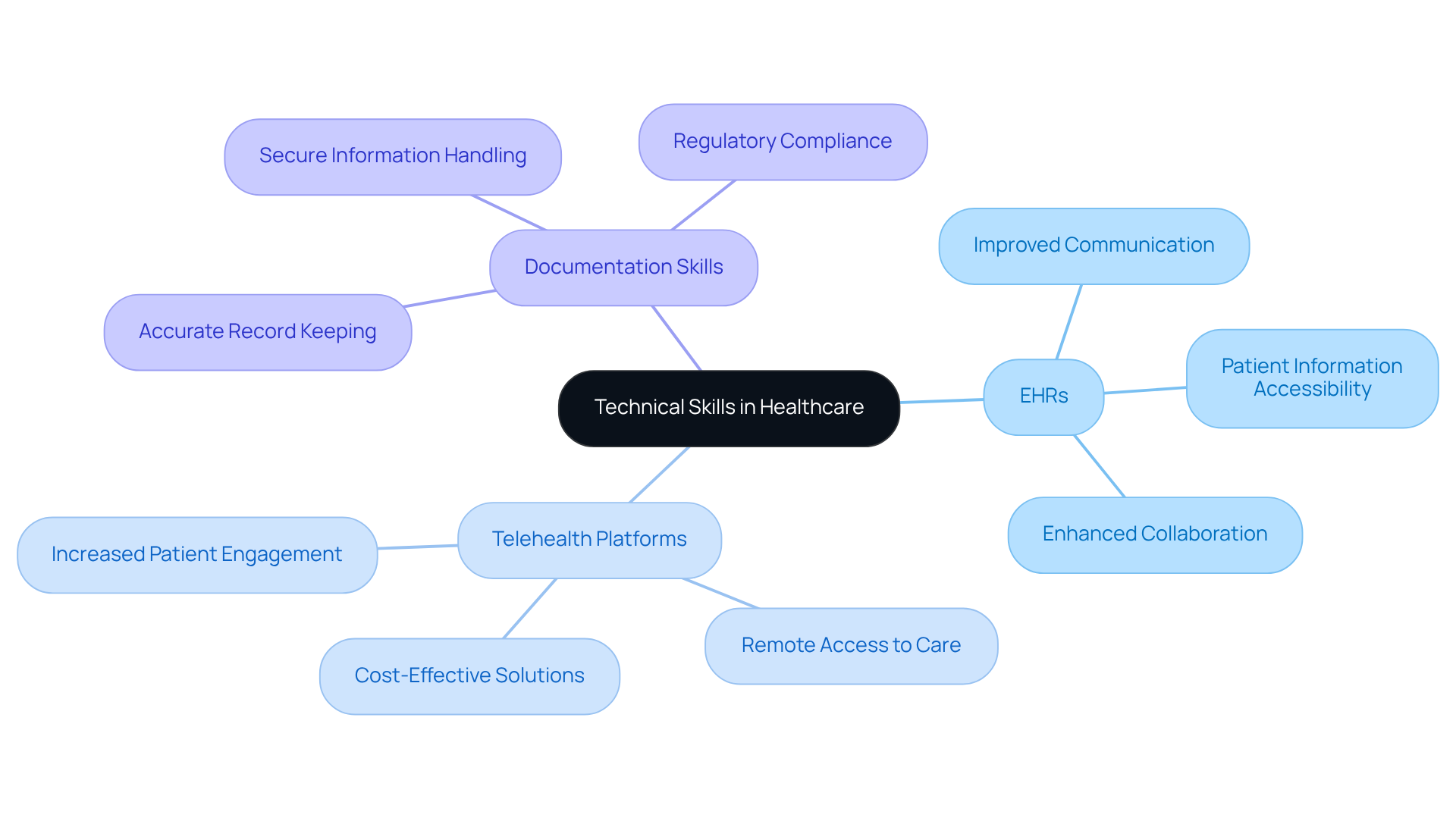
BHTs must be adept at using (EHRs), telehealth platforms, and other healthcare technologies. Why is this crucial? Because proficiency in these systems not only enhances communication with other healthcare providers but also ensures that is easily accessible.
Understanding how to document interactions accurately and securely is essential. For instance, being skilled in EHR systems can significantly improve collaboration among healthcare teams. This capability is not just a benefit; it’s a necessity in today’s fast-paced healthcare environment.
Are you facing challenges in ensuring your team is equipped with these vital skills? Consider how and operational efficiency. Embrace the technology that drives modern healthcare and watch your practice thrive.
Behavioral health technician training is crucial in meeting the growing demand for skilled professionals in the field. With the increasing need for effective and compassionate care, mastering essential skills such as:
is more important than ever.
Why is this training so vital? Effective communication fosters understanding and trust, while empathy strengthens therapeutic relationships. Crisis management skills ensure safety, and teamwork enhances collaborative care. Moreover, problem-solving abilities are essential for developing tailored treatment plans, and adaptability allows technicians to respond to the unique needs of each client. Upholding ethical standards and cultural competence enriches the care experience, while time management and technical skills guarantee efficiency and accuracy in documentation.
Investing in behavioral health technician training not only boosts individual competencies but also significantly improves overall patient outcomes. As the demand for skilled professionals continues to rise, prioritizing these essential skills is imperative. Are you ready to embrace these training opportunities? By doing so, healthcare organizations can create a supportive environment that promotes healing, inclusivity, and effective treatment for all individuals. This commitment ultimately transforms the landscape of behavioral health care.
Why are communication skills important for Behavioral Health Technicians (BHTs)?
Communication skills are essential for BHTs to effectively convey empathy, provide clear instructions, and enhance understanding during patient interactions. Mastering these skills can help address the 31% of individuals who report unmet expectations in their healthcare interactions.
What techniques can BHTs use to improve their communication with patients?
BHTs can enhance communication by practicing active listening, using clear language, maintaining eye contact, and asking open-ended questions to encourage individuals to share their feelings and concerns.
How has the COVID-19 pandemic affected patient interaction expectations?
Research indicates that 81% of individuals have observed a shift in their interaction expectations since the COVID-19 pandemic, emphasizing the need for BHTs to adapt their methods, particularly as 80% of healthcare consumers prefer engaging with providers online.
What role does empathy play in behavioral health?
Empathy is crucial as it involves acknowledging and affirming individuals' feelings and experiences. It enhances the therapeutic relationship by fostering security and understanding, ultimately improving client outcomes and strengthening the therapeutic alliance.
How can BHTs incorporate empathy into their practice?
BHTs can incorporate empathy by actively listening to clients, responding to emotional signals, and creating an environment where individuals feel valued and understood, which is essential for effective treatment.
What is the significance of crisis management skills for BHTs?
Crisis management skills are vital for BHTs as they play a crucial role in crisis intervention. Proficiency in de-escalation strategies and emergency response protocols can significantly reduce aggressive incidents and create a safer atmosphere.
How effective is de-escalation training in reducing aggressive events?
Effective de-escalation training can lead to a 73% reduction in aggressive events, and in acute psychiatric settings, employing these techniques has resulted in an 86% decrease in severe incidents.
What impact does de-escalation training have on the use of physical restraints?
De-escalation training has shown to reduce the incidence rate of physical restraints due to aggression to just 30% of the control group's rate, highlighting its effectiveness in improving crisis responses and fostering a supportive environment.
Our expert recruitment strategies and AI-driven sourcing ensure that you receive top-notch candidates quickly, without compromising on quality. Whether you’re looking for BCBAs, Clinical Directors, or RBTs, we’ve got you covered.


