


Thank you! Your submission has been received!
Oops! Something went wrong while submitting the form.
October 25, 2025

Understanding the nuances of behavior management is crucial in various settings, from parenting to the workplace. Positive punishment, a technique often misunderstood, can play a significant role in shaping behavior when applied thoughtfully. This article delves into ten compelling examples of positive punishment, illustrating how these methods can effectively guide individuals towards better choices.
However, the question remains: how can one ensure that these disciplinary techniques foster growth rather than resentment?
Did you know that ? Hire ABA serves as a dedicated recruitment platform that simplifies the job search for BCBAs, ensuring that candidates are matched with top-tier job opportunities that align with their skills and career goals.
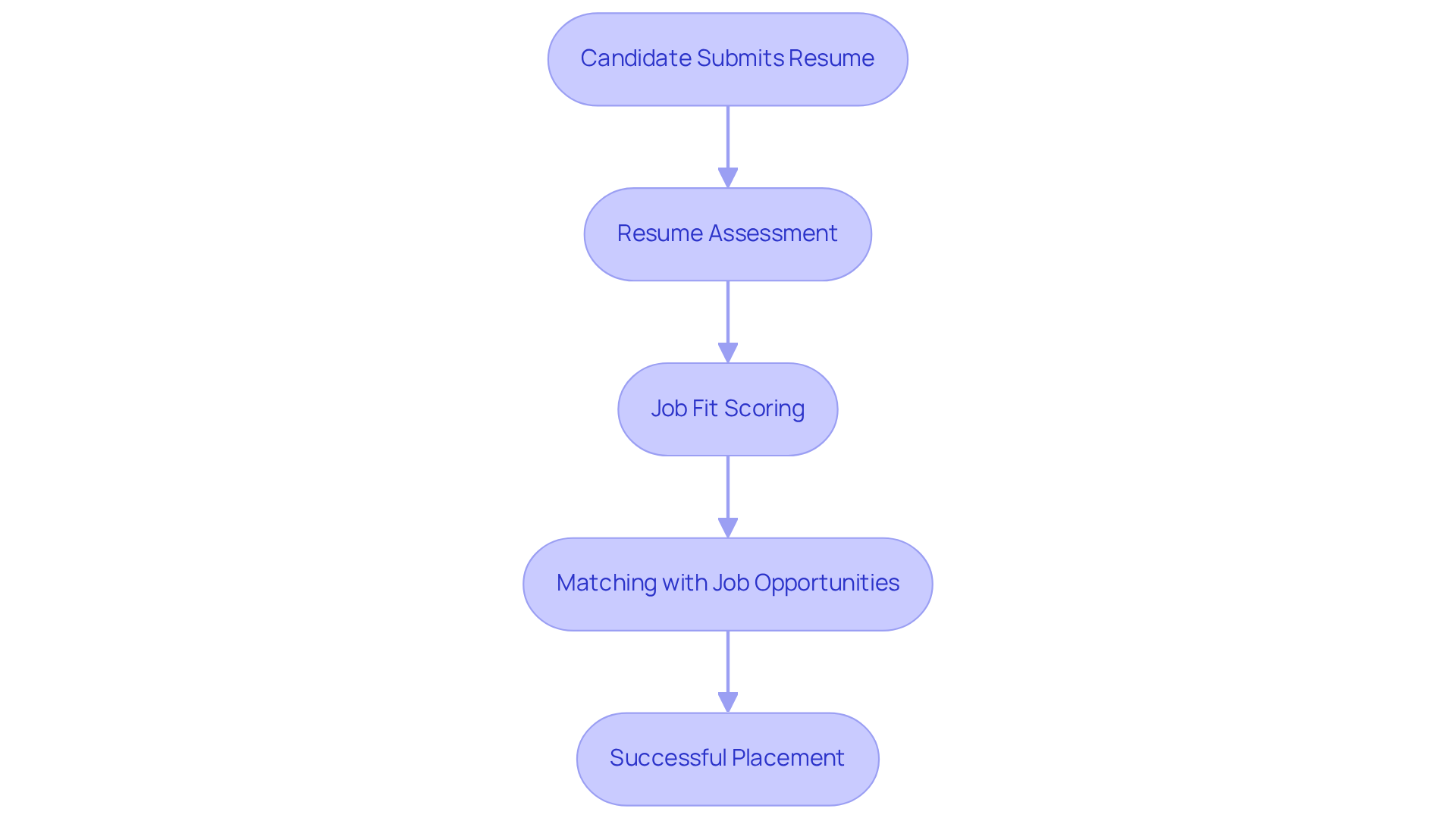
By focusing on the unique needs of BCBAs, our platform offers . Candidates can submit their resumes for evaluation, allowing our team to assess their experience and career aspirations. Utilizing advanced job fit scoring, we identify opportunities that match their skills, preferences, and desired locations.
This benefits job seekers and assists employers in finding qualified professionals efficiently. With the between $61,000 and $90,000, both job seekers and employers gain a clear understanding of the financial aspects of hiring. Recent trends indicate that , underscoring the urgency for .
Are you facing challenges in hiring qualified BCBAs? By utilizing Hire ABA, both job seekers and employers can navigate this dynamic job market with confidence. Our platform ensures successful placements that benefit all parties involved. Take action today and streamline your recruitment process with Hire ABA.
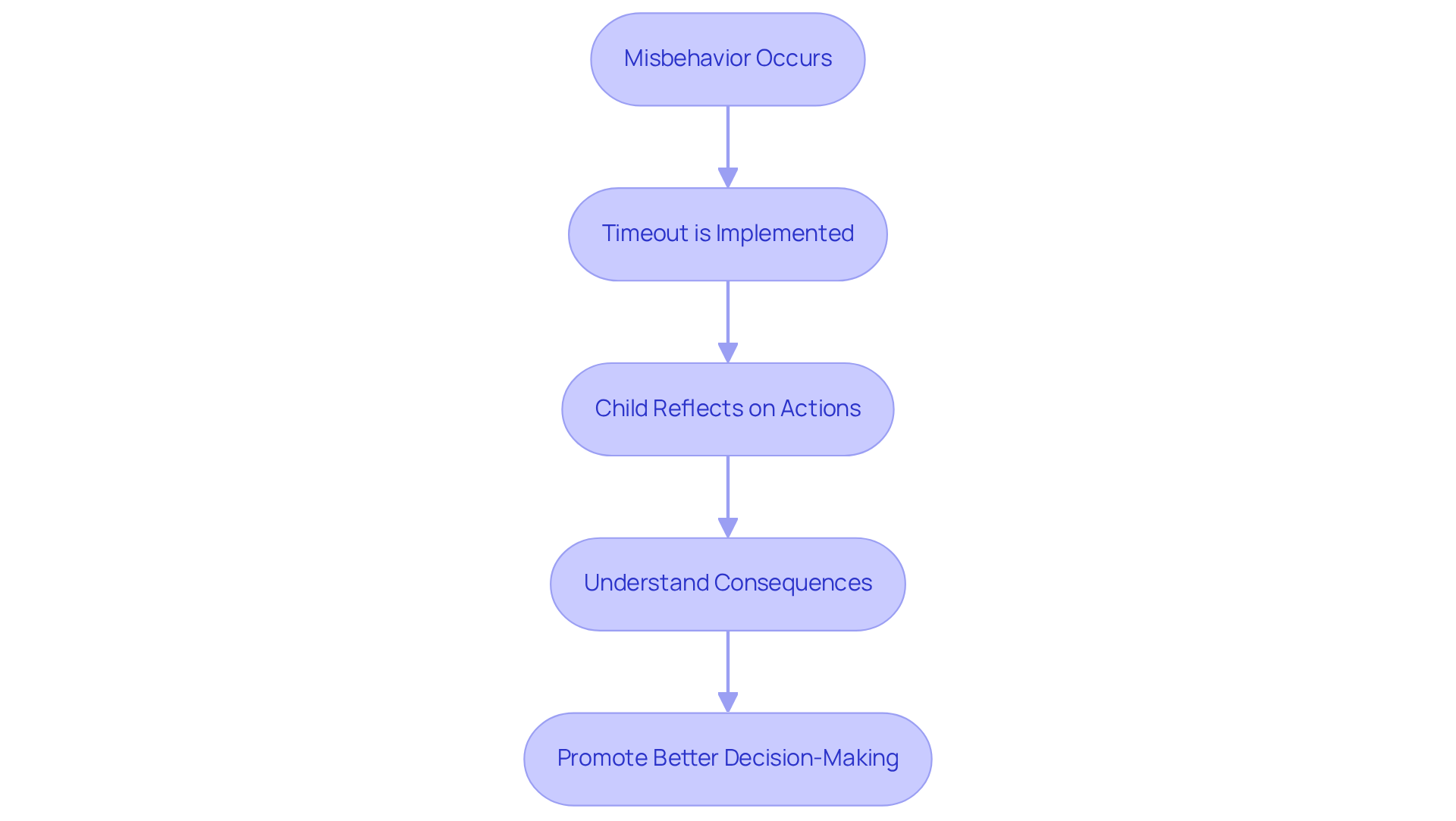
that involves removing a young person from a situation where they are misbehaving. This approach allows them to reflect on their actions. Timeout serves as a clear example of a , which of the following is an example of ? Such measures aid young individuals in understanding the effects of their choices and promote in the future.
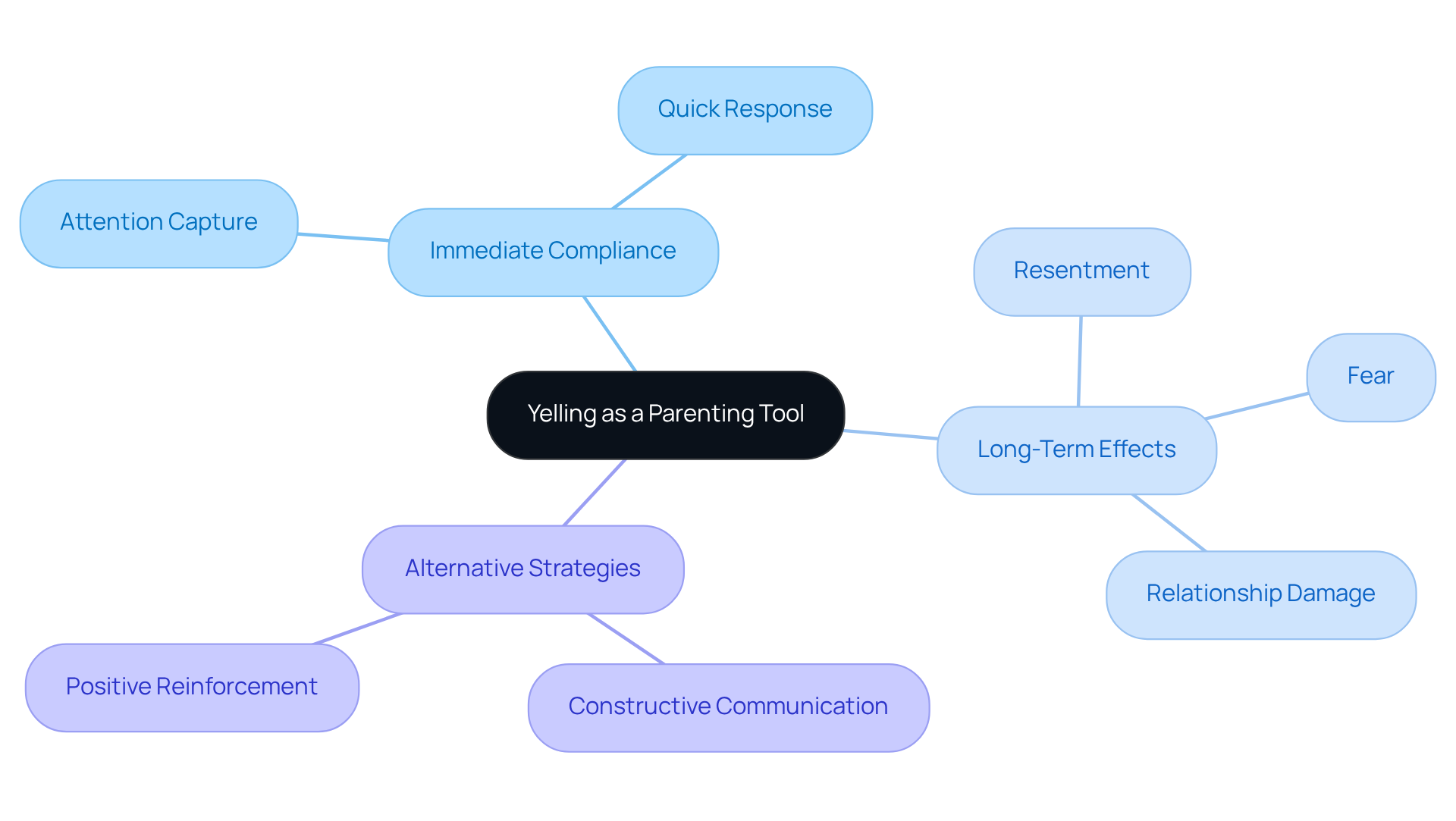
Yelling serves as a quick , aimed at and averting . While it may elicit immediate compliance, it can also instill fear or resentment, jeopardizing the parent-child relationship. Parents must weigh the and consider more .
What to have on your child? By exploring alternatives, you can .
Grounding is a disciplinary technique that involves restricting privileges, such as social outings or screen time, which of the following is an example of , serving as a powerful reminder that . This approach motivates young individuals to contemplate their actions and consider the implications of their decisions. To maximize its effectiveness, parents must clearly . By explaining the connection between their actions and the resulting consequences, young individuals can better comprehend the lessons intended by this approach.
Research suggests that when young individuals , they are more inclined to internalize the lessons learned, promoting a sense of responsibility and self-discipline. Child psychologists emphasize that when considering privilege restriction, which of the following is an example of , it should be approached thoughtfully to ensure that it . This balanced method not only assists children in but also , highlighting the concept that discipline is about directing them toward improved decisions.

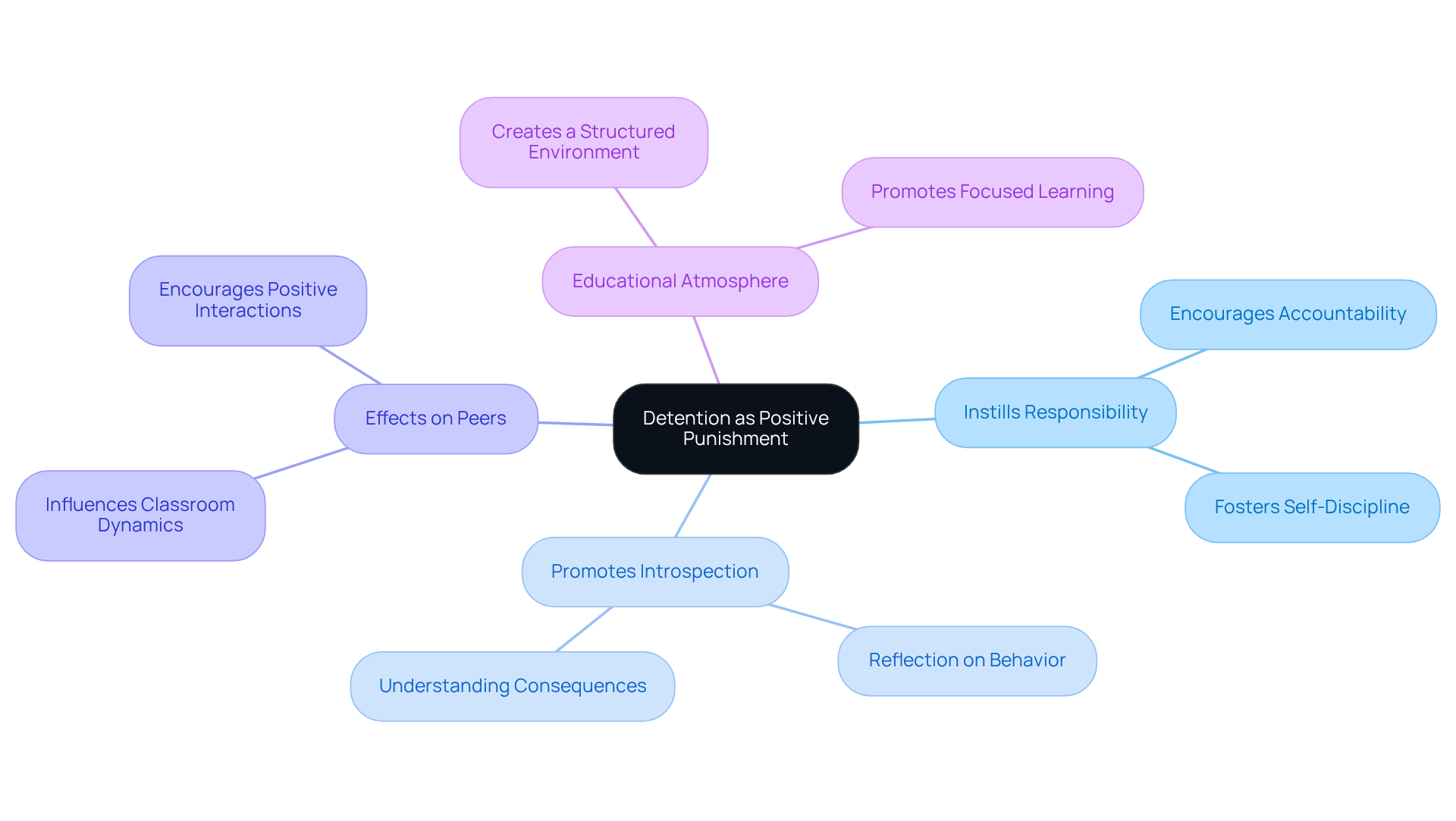
In schools, for students who disrupt the . Which of the following is an example of ? By mandating , educators strive to instill a sense of responsibility and promote introspection regarding their behavior. This how their actions affect their peers and the overall educational atmosphere.
Fines serve as a crucial financial deterrent for actions deemed inappropriate or illegal, including traffic violations and regulatory breaches. By enforcing , authorities aim to dissuade individuals from repeating such behaviors. This strategy emphasizes the , as research demonstrates that can lead to enhanced compliance rates.
For instance, the is estimated to surpass $14 million, illustrating the of failing to adhere to regulations. Organizations facing substantial fines often experience a notable increase in compliance, as the fear of financial consequences fosters a .
Legal experts assert that these penalties not only act as a punishment but also instill a sense of responsibility among individuals and organizations. Nathan Atkinson highlights that reductions in fines frequently lack justification, indicating that appropriate penalties are essential for effective deterrence.
Ultimately, the influence of transcends immediate deterrence, cultivating a compliant environment that aligns with established rules and norms. Organizations should consistently evaluate their in light of potential to bolster and adherence.

In the realm of sports, penalties play a crucial role in ensuring fair play and maintaining the integrity of the game. Consider the implications of free throws in basketball or penalty kicks in soccer. These outcomes aim to rectify infractions and discourage unsportsmanlike conduct. Such penalties serve as immediate repercussions for rule violations, which of the following is an , instilling a deeper understanding among athletes that their actions carry weight. This fosters a culture of responsibility and respect for the rules, which is essential for both individual growth and the overall spirit of competition.
Research indicates that athletes who experience penalties often demonstrate improved compliance with rules in subsequent performances. This highlights the . Sports psychologists emphasize that the role of consequences in athletics is vital; they teach athletes about accountability and the , ultimately shaping their conduct both on and off the field.
For instance, the illustrate the significant impact of penalties. The athletic department faces substantial fines and restrictions, reinforcing the message that compliance is paramount. Furthermore, while penalties aim to rectify conduct, they can also result in unintended consequences, such as heightened pressure on athletes. This factor is significant in the ongoing conversation about accountability and responsibility in sports.

are essential tools for supervisors addressing employee misconduct or performance issues. Prompt responses from employers effectively tackle unwanted behaviors and clarify expectations for future conduct. It is crucial that reprimands are framed constructively, focusing on rather than the individual. This approach not only cultivates a but also promotes .
Research indicates that , with 67% of managers identifying a lack of continuous as a primary reason for appraisal failures. This highlights the necessity of in upholding performance standards. Furthermore, , as 68% of workers feel more supported by their managers when provided with .
To maximize the effectiveness of , supervisors should prioritize , ensuring that feedback is actionable and relevant to the employee's role. As HR professionals emphasize, "" This approach not only assists in correcting behavior but also reinforces a culture of continuous improvement and development within the organization.
Supervisors are encouraged to conclude reprimands with a clear action plan, outlining specific steps the individual can take to enhance their performance.
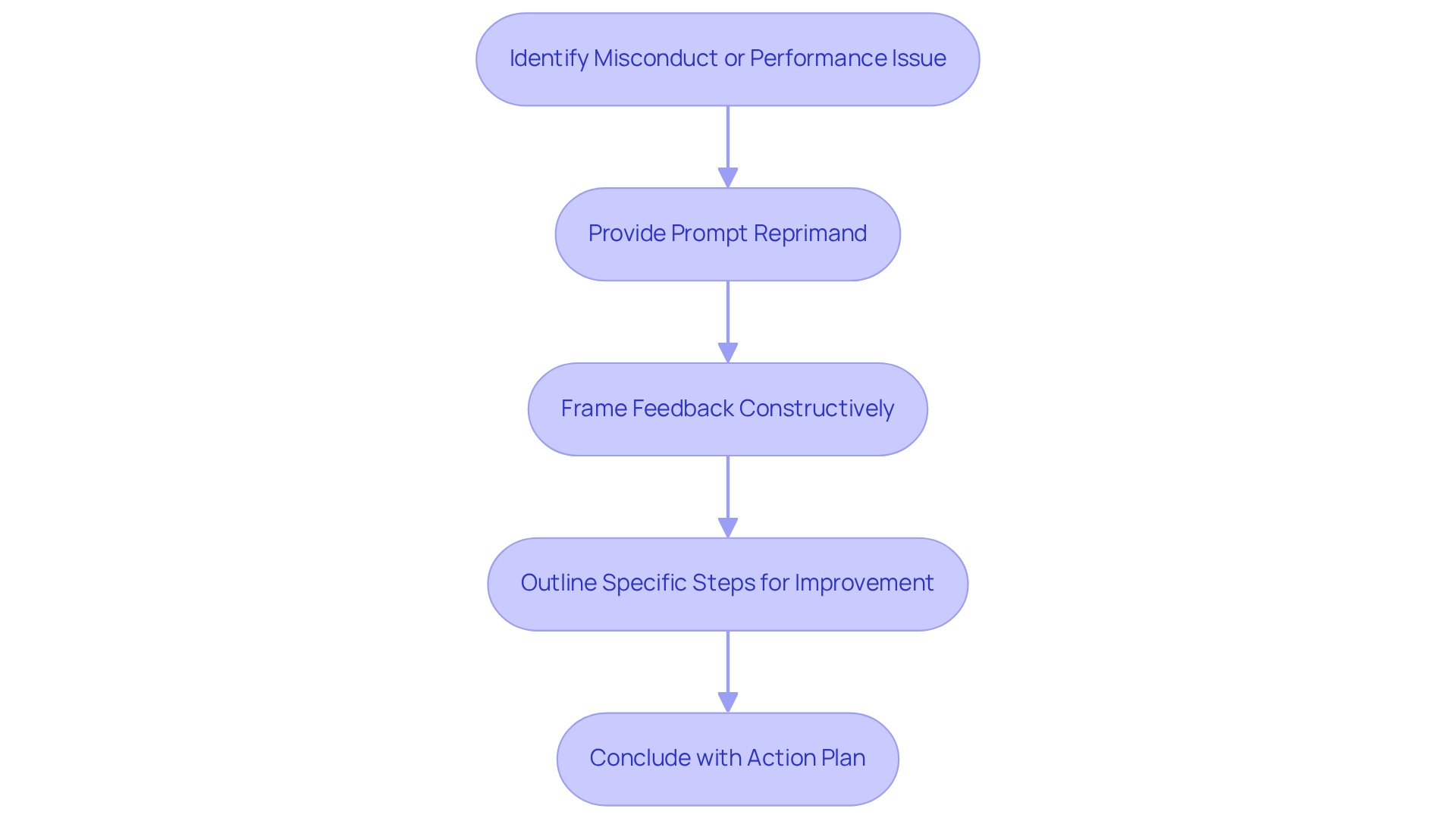
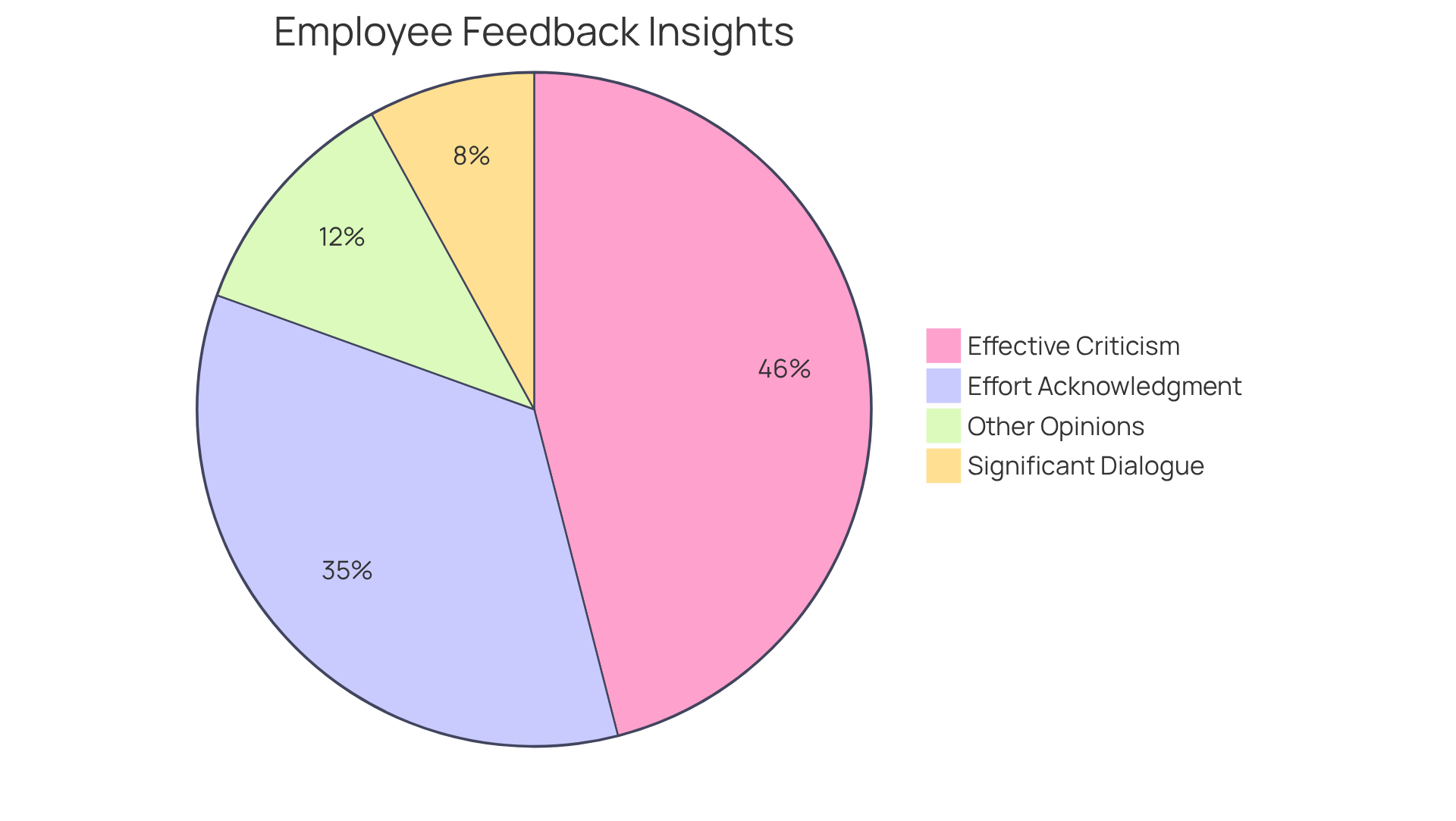
Delivering negative critiques effectively serves as a powerful catalyst for and . Research indicates that , when conveyed properly, significantly enhances worker performance and satisfaction. For instance, 92% of that effectively communicated negative criticism can lead to improved results. This underscores the necessity for managers to focus on behaviors rather than personal attributes, .
Moreover, specialists stress that responses must be prompt and relevant, ensuring that staff members feel supported and understood. By cultivating an environment where constructive feedback is commonplace, organizations can boost and improve overall performance. However, it is vital to acknowledge that only 16% of staff find their last dialogue with a manager significant, emphasizing the need for .
Furthermore, 69% of staff members would exert more effort if their contributions were acknowledged, highlighting that not only enhances performance but also elevates motivation. Addressing the disconnect between organizational goals for and the actual employee experience is essential. This alignment underscores the importance of feedback that resonates with broader objectives. As management expert Laura Caveney states, "Feedback becomes powerful when you turn responses into insight.
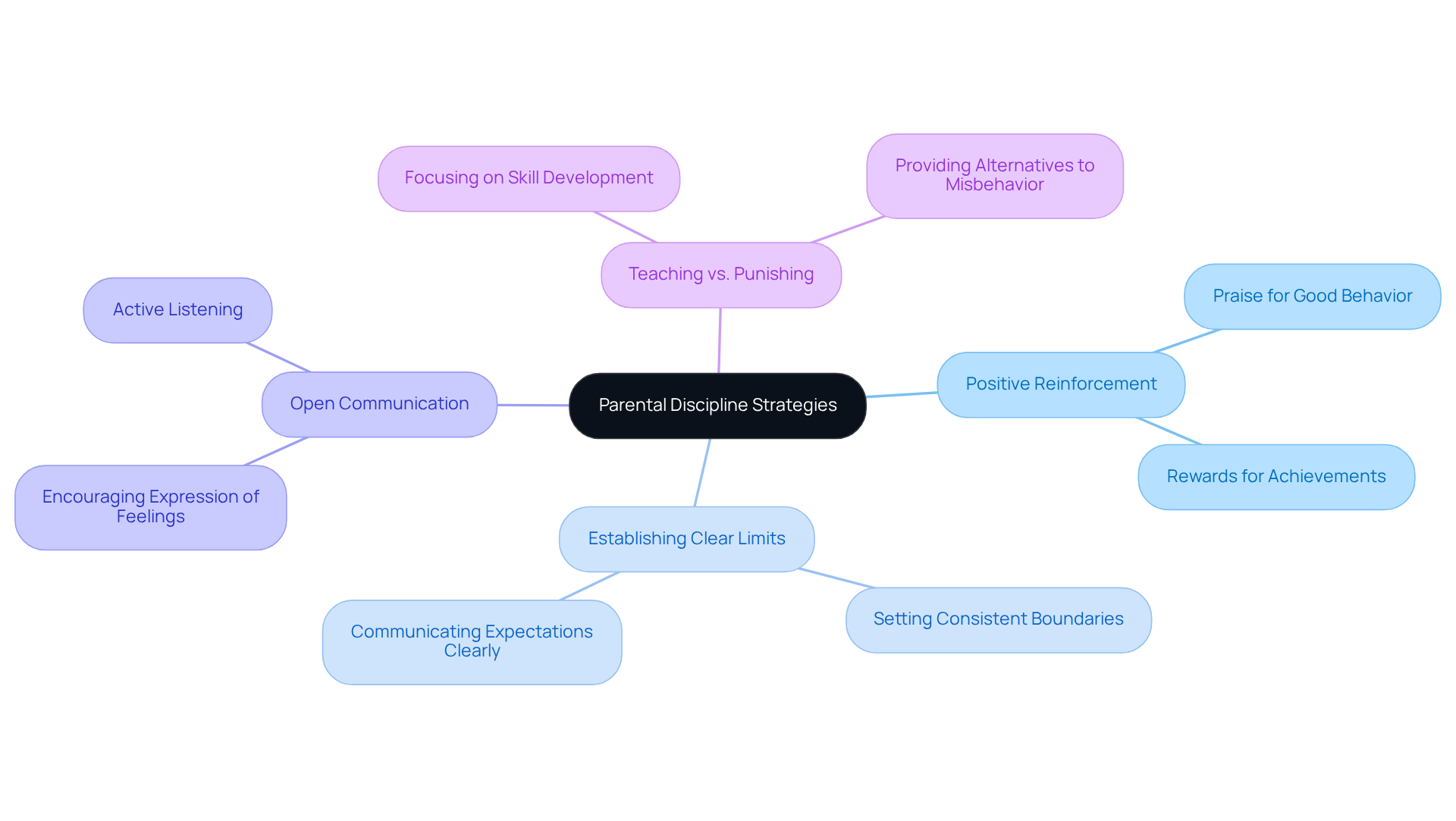
Effective parental discipline necessitates a strategic blend of techniques tailored to each child's unique needs and the specific behavior being addressed. Research indicates that consistent outcomes significantly influence , underscoring the importance of . Techniques such as , are crucial in shaping a young person's actions. Additionally, establishing helps children understand what is expected of them; as noted, clear boundaries enable kids to thrive, whereas vague limits do not.
Open communication fosters an environment where young individuals feel secure enough to express themselves. Youth psychologists emphasize that , guiding young individuals toward better decision-making and . As Daniel J. Siegel articulates, "Too often, we forget that discipline really means to teach, not to punish." By integrating these strategies, parents can cultivate a supportive atmosphere that effectively manages behavior while nurturing the child's overall development.
Positive punishment is an essential concept in behavior management, underscoring the necessity of implementing consequences to reinforce appropriate behavior. Understanding the various techniques highlighted in this article—such as timeout, yelling, grounding, and verbal reprimands—enables individuals to navigate the complexities of behavior modification across diverse contexts, from parenting to workplace dynamics.
Key examples throughout the discussion illustrate how positive punishment can lead to significant behavioral changes.
Each method provides a structured approach to teaching responsibility and self-discipline, ultimately guiding individuals toward better choices.
The importance of employing positive punishment strategies cannot be overstated. In parenting, education, or professional settings, these techniques play a vital role in shaping behavior and fostering a culture of accountability. By embracing these methods, individuals can enhance their effectiveness in behavior management, ensuring that lessons learned contribute positively to personal growth and development.
What is Hire ABA and what does it offer for Board Certified Behavior Analysts (BCBAs)?
Hire ABA is a dedicated recruitment platform designed to simplify the job search for BCBAs. It provides personalized resume assessments and utilizes advanced job fit scoring to match candidates with job opportunities that align with their skills and career goals.
What is the projected demand for BCBAs by 2026?
The demand for Board Certified Behavior Analysts (BCBAs) is projected to increase by 25% by 2026.
How does Hire ABA assist job seekers and employers?
Hire ABA assists job seekers by identifying opportunities that match their skills and preferences, while it helps employers efficiently find qualified professionals. This streamlined approach benefits both parties in the recruitment process.
What is the average salary range for BCBAs?
The average salary range for BCBAs is between $61,000 and $90,000.
How significant was the increase in job postings for BCBAs from 2023 to 2024?
Job postings for BCBAs surged by 58% from 2023 to 2024, indicating a growing demand for qualified professionals in this field.
What is the purpose of timeout as a disciplinary strategy?
Timeout is a disciplinary strategy that involves removing a young person from a situation where they are misbehaving, allowing them to reflect on their actions and understand the consequences of their behavior.
How can yelling affect the parent-child relationship?
While yelling may lead to immediate compliance, it can instill fear or resentment in children, potentially jeopardizing the parent-child relationship. Parents should consider the long-term impact of their communication strategies.
What should parents consider when using yelling as a tool for behavior modification?
Parents should weigh the long-term repercussions of yelling and explore more constructive communication strategies to foster a healthier, more trusting relationship with their children.
Our expert recruitment strategies and AI-driven sourcing ensure that you receive top-notch candidates quickly, without compromising on quality. Whether you’re looking for BCBAs, Clinical Directors, or RBTs, we’ve got you covered.


