


Thank you! Your submission has been received!
Oops! Something went wrong while submitting the form.
October 24, 2025

The article titled "10 Examples of Shaping Frequency in ABA Therapy for BCBAs" addresses the essential methods and strategies utilized in Applied Behavior Analysis (ABA) to shape the frequency of desired behaviors. In today's landscape, the demand for Board Certified Behavior Analysts (BCBAs) is ever-increasing, making it crucial for professionals in the field to master these techniques. This article promises to deliver concrete examples that demonstrate how BCBAs can effectively manipulate behavior frequency through various strategies, including reinforcement schedules and structured training activities. By implementing these methods, practitioners can significantly enhance therapeutic outcomes.
As the article unfolds, it will explore the intricacies of shaping frequency, providing insights that not only inform but also inspire action among BCBAs. Reflecting on your current hiring challenges, consider how the insights shared here can be pivotal in your practice. The reliability of these strategies is underscored by their proven effectiveness in real-world applications, making them indispensable tools for any BCBA aiming to achieve optimal results in therapy.
As the landscape of Applied Behavior Analysis (ABA) therapy evolves, the significance of shaping frequency techniques is becoming increasingly clear for Board Certified Behavior Analysts (BCBAs). This article delves into ten effective examples of how these strategies can enhance therapeutic outcomes, equipping practitioners with actionable insights to refine their methods.
Yet, what obstacles do BCBAs encounter in implementing these techniques?
How can they guarantee that their approaches remain ethical and effective in fostering meaningful behavior change?
Reflect on these questions as we explore the pivotal role of shaping frequency techniques in modern ABA therapy.
As the demand for Board Certified Behavior Analysts (BCBAs) is projected to surge, the need for effective recruitment solutions has never been more critical. Hire ABA provides a specialized recruitment platform that connects BCBAs with premium job opportunities, streamlining the hiring process. By leveraging advanced algorithms alongside a user-friendly interface, we ensure that qualified professionals can easily find roles that align with their expertise and career aspirations.
Are you facing challenges in hiring the right talent? With the increasing demand for BCBAs, efficient job matching is essential for both candidates and employers. Hire ABA not only simplifies this process but also enhances the likelihood of successful placements. Our platform is designed to meet the unique needs of the industry, making it a reliable resource for healthcare employers.
In a competitive job market, finding the right fit can be daunting. However, with Hire ABA's innovative approach, we empower BCBAs to connect with opportunities that resonate with their professional goals. This is particularly important as the landscape of behavioral analysis evolves, and the need for skilled practitioners continues to grow.
Take action today. Join Hire ABA and experience a recruitment solution that prioritizes efficiency and effectiveness. Together, we can navigate the complexities of hiring in the behavioral health field, ensuring that both candidates and employers thrive.
Incremental homework tasks are designed to progressively enhance the difficulty of assignments given to participants, promoting a systematic method for shaping actions. For instance, a BCBA may start with straightforward tasks, gradually introducing more challenging ones each night. This approach not only boosts individuals' confidence but also strengthens the skills they are acquiring in therapy.
Research indicates that this gradual increase in task difficulty is crucial for effective behavior shaping, which of the following is an example of shaping frequency, as it allows individuals to experience success at each stage, thereby enhancing their motivation and engagement.
Have you considered how this strategy can address the unique challenges faced by individuals, particularly those with autism? BCBA practitioners have noted that by adapting to their learning styles and emotional needs, this method effectively meets those challenges.
By integrating incremental homework into treatment plans, BCBAs can create a supportive environment that fosters sustained progress and skill mastery over time.

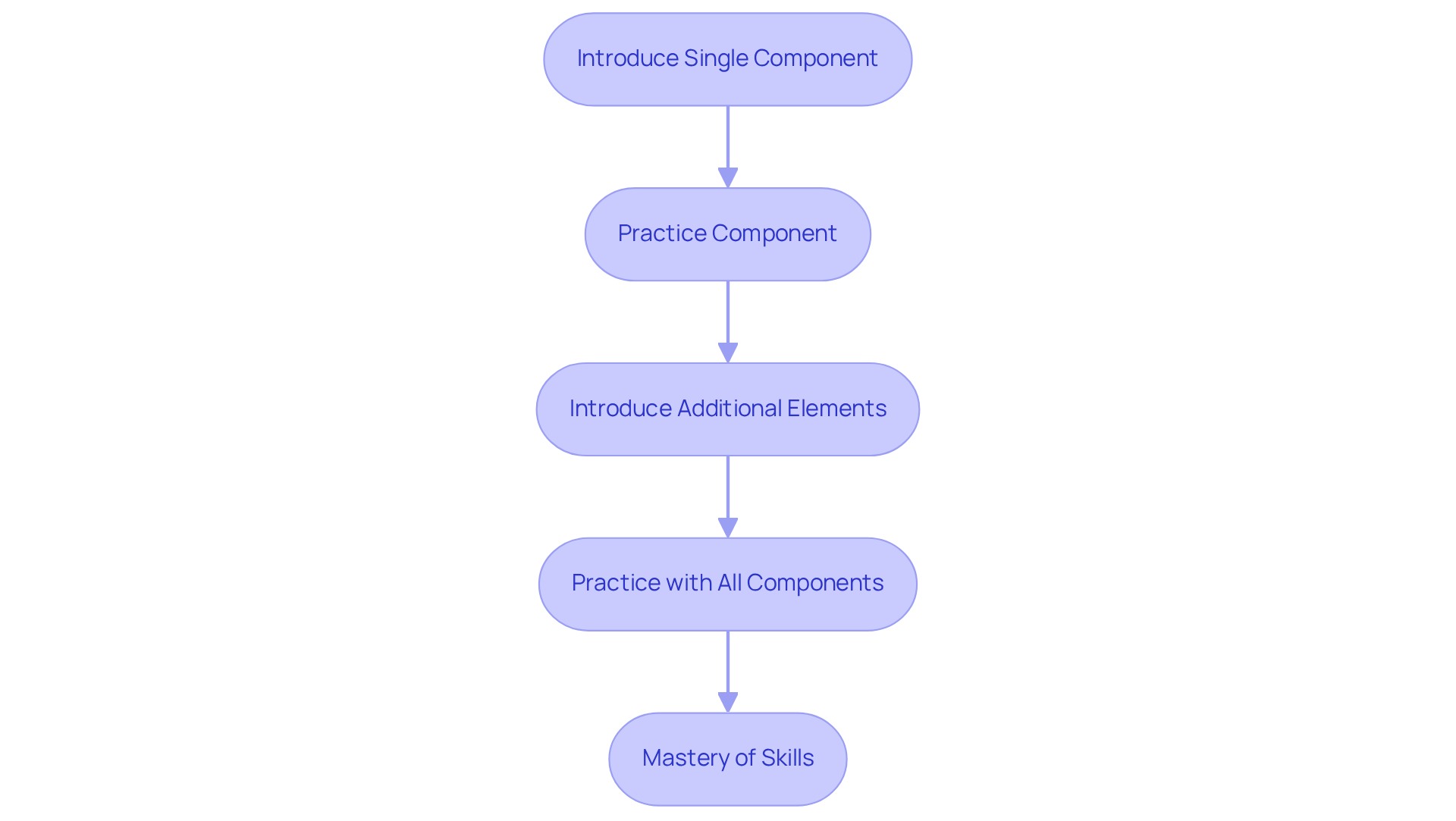
Gradual task complexity is a methodical approach that involves breaking down skills into smaller, manageable steps. For example, when teaching a new skill, a BCBA may initially focus on a single component before introducing additional elements. This systematic, step-by-step method enables participants to master each component thoroughly before progressing, thereby ensuring a solid foundation for more complex tasks. Such an approach is particularly effective in promoting long-term retention of skills.
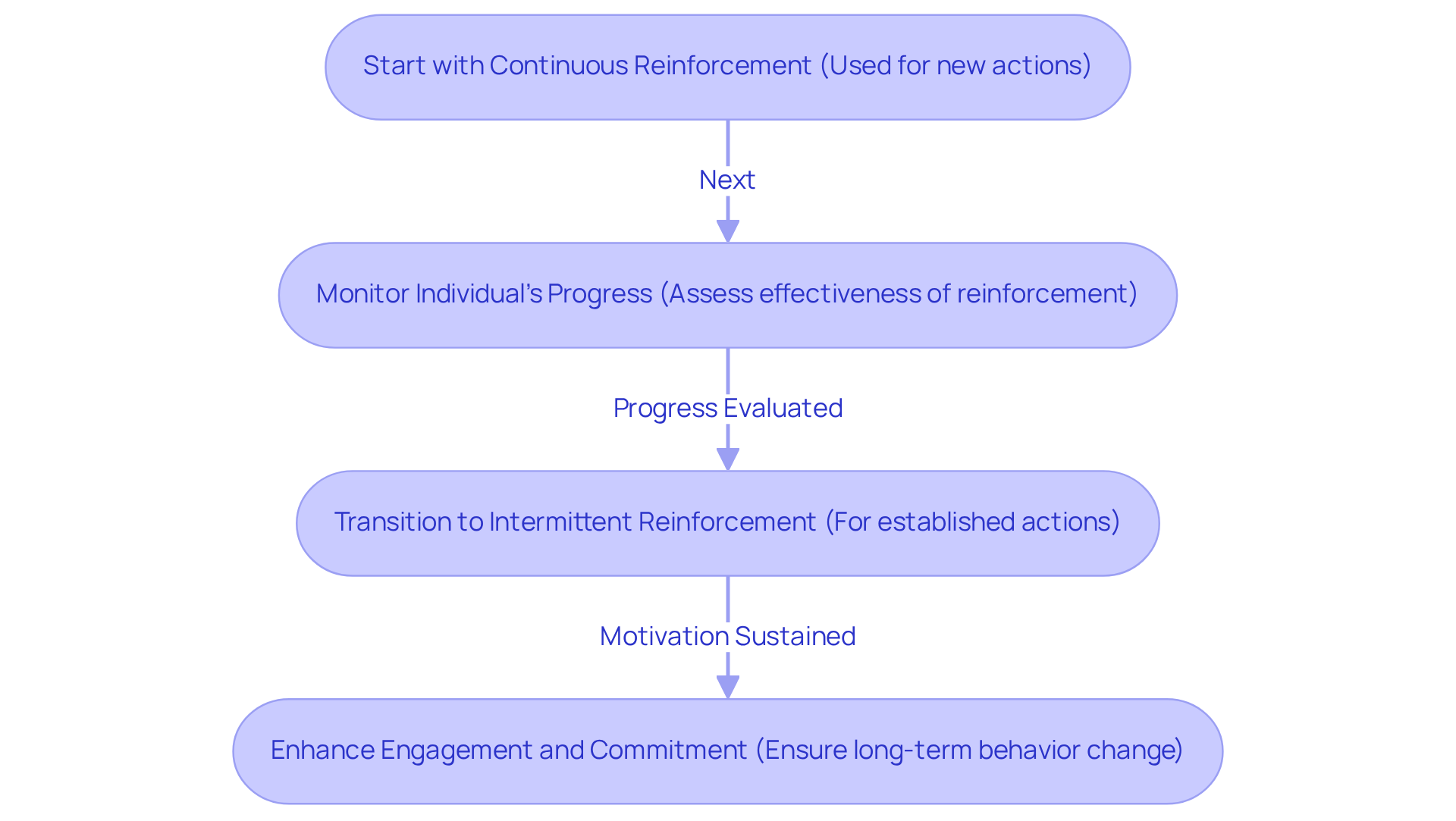
Reinforcement schedules play a critical role in determining the frequency of action reinforcement. The following is an example of shaping frequency, significantly influencing behavior occurrence:
Consider the implications of these adjustments: how might they enhance your approach to behavior management? By understanding and applying these principles, professionals can ensure that individuals remain engaged and committed to their developmental goals. The ability to adapt reinforcement strategies is not just a skill; it’s a necessity in fostering lasting change.
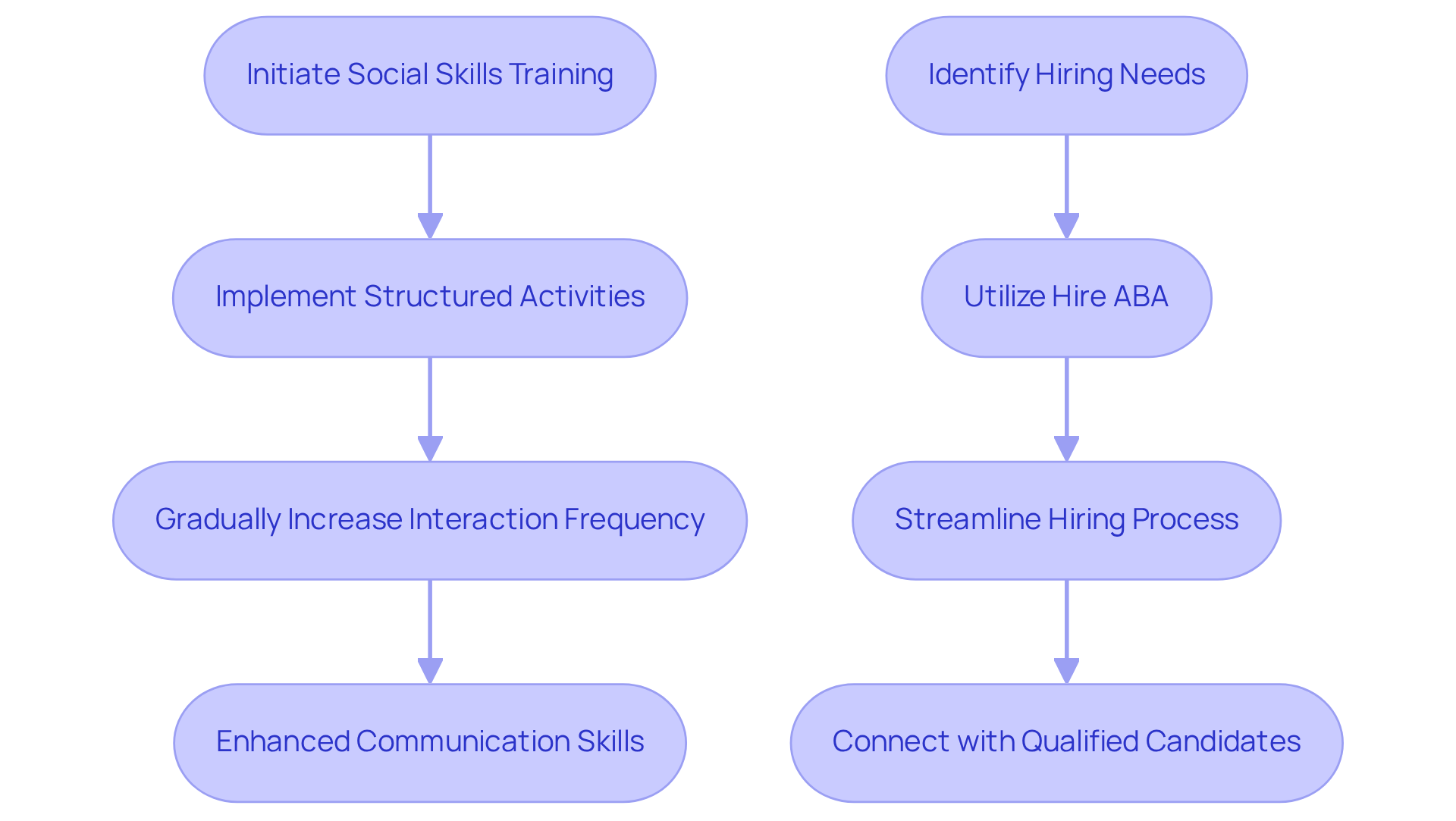
Social skills training in ABA is essential for shaping the frequency of interactions, which raises the question of which of the following is an example of shaping frequency that significantly improves communication and relationship-building skills. BCBAs can implement structured activities that motivate individuals to practice social skills in various contexts. By gradually increasing the complexity and frequency of these interactions, this approach not only enhances social competence but also fosters a sense of belonging and acceptance among peers.
Consider the growing demand for BCBAs in the field. As professionals seek ways to enhance their practice, utilizing effective recruitment platforms like Hire ABA becomes crucial. The benefits of such platforms are clear: they streamline the hiring process, ensuring that organizations can find qualified candidates who are well-versed in these essential skills.
Reflect on your current hiring challenges. Are you struggling to find the right talent? Hire ABA can address these issues by connecting you with skilled professionals who understand the nuances of social skills training in ABA.
In conclusion, the implementation of social skills training not only contributes to individual growth but also enhances the overall effectiveness of ABA practices. By leveraging platforms like Hire ABA, you can ensure that your organization is equipped with the expertise needed to thrive in this evolving field.
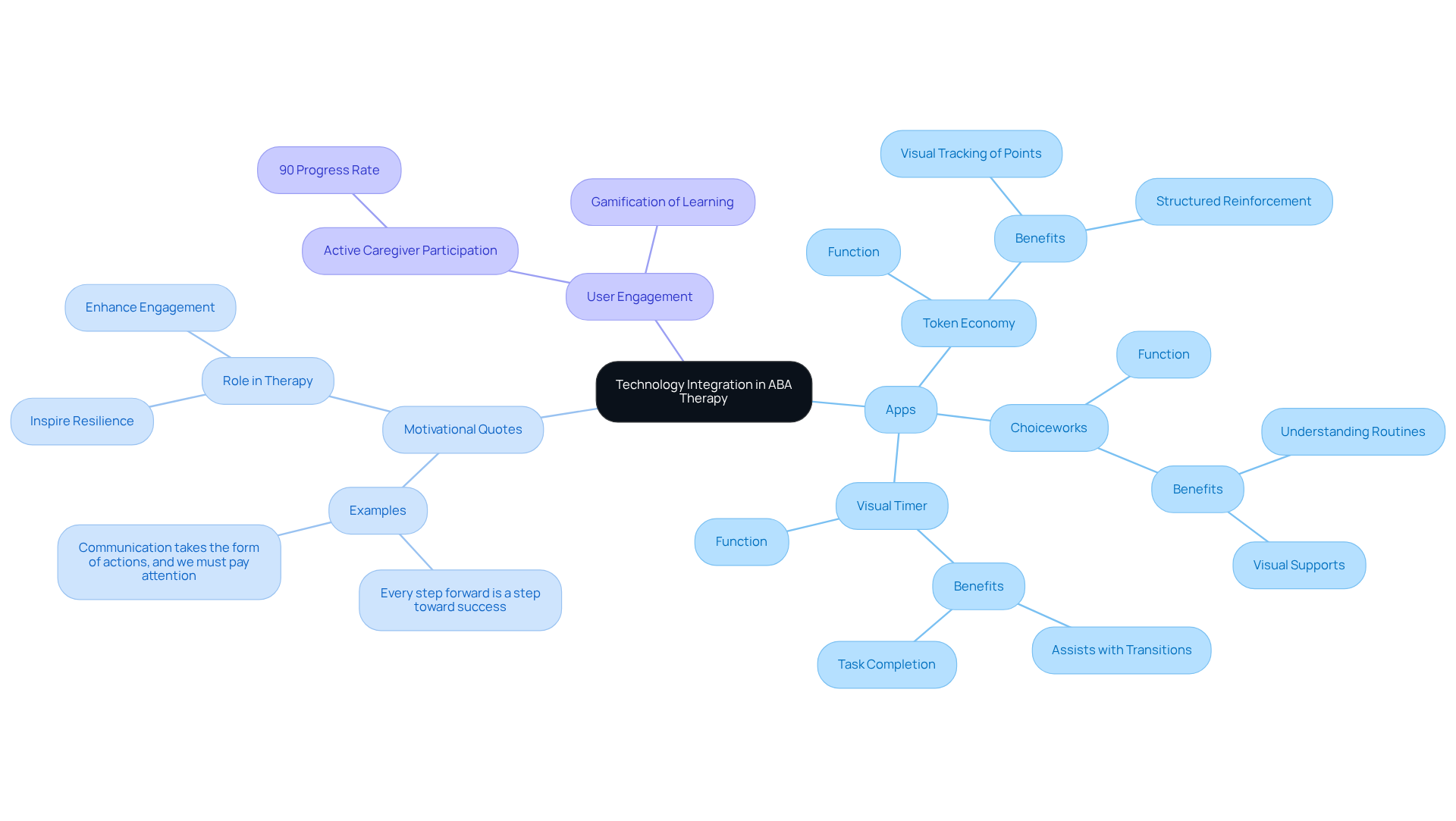
The incorporation of technology in ABA therapy, particularly through the use of apps and digital tools, significantly enhances the understanding of which of the following is an example of shaping frequency in actions. These tools offer real-time feedback, track progress, and provide interactive activities that engage users. For instance, the Token Economy app facilitates structured reinforcement systems, enabling users to visually track points and rewards, which substantially boosts motivation and engagement. This app has been shown to actively involve users in their progress and reinforce positive actions through a structured reward system. Furthermore, apps designed for ABA can gamify learning experiences, making it easier for clients to practice and reinforce desired behaviors in an enjoyable manner.
Research indicates that 90% of individuals demonstrate remarkable progress when caregivers are actively involved in the treatment process. Technology empowers caregivers with tools such as Choiceworks and Visual Timer to enhance their participation. Choiceworks aids individuals in understanding routines and schedules through visual supports, improving their ability to follow through with tasks and expectations. Additionally, the Visual Timer app, which offers various timer styles, assists with transitions and task completion, catering to diverse learning preferences and streamlining the therapeutic process.
BCBAs have noted that integrating motivational quotes into treatment practices can lead to a 30% increase in positive behavioral outcomes. For example, utilizing quotes like 'Every step forward is a step toward success' can inspire resilience in both therapists and participants, fostering a supportive learning atmosphere. Moreover, the quote, 'Communication takes the form of actions, and we must pay attention,' underscores the importance of understanding actions in treatment. By leveraging these technological tools and motivational strategies, ABA practitioners can explore which of the following is an example of shaping frequency to substantially enhance the shaping of actions, ultimately resulting in more effective interventions and improved outcomes for individuals. To maximize the impact of these tools, practitioners should consistently incorporate motivational quotes into their sessions to cultivate a positive and engaging therapeutic environment.
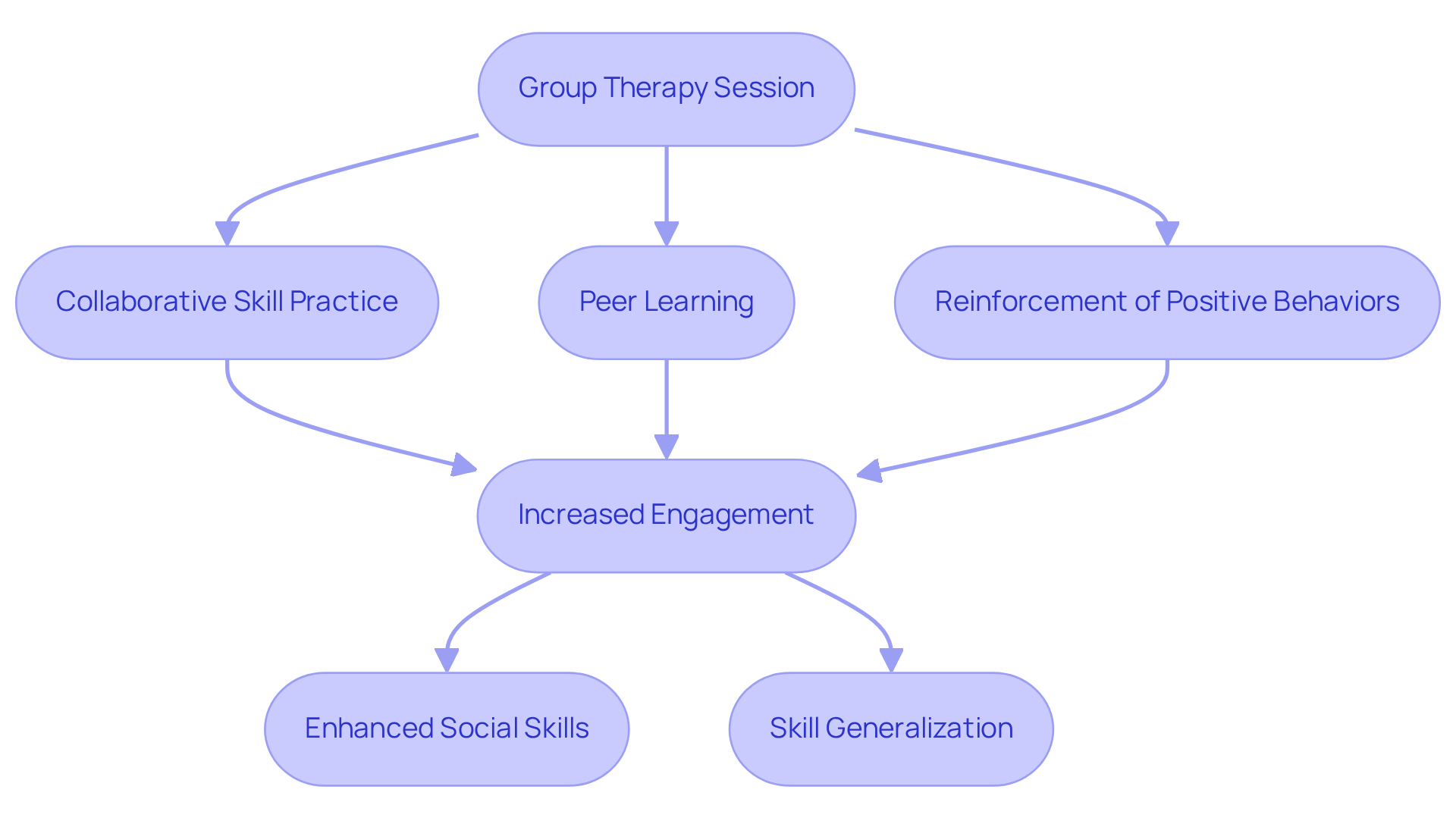
In group therapy dynamics, understanding which of the following is an example of shaping frequency through peer interaction is crucial. Board Certified Behavior Analysts (BCBAs) lead group sessions where participants collaboratively practice skills. This collaborative environment fosters learning from one another and reinforces positive behaviors. In a cooperative atmosphere, clients are encouraged to engage more frequently, which of the following is an example of shaping frequency, thereby enhancing social skills and increasing the likelihood of skill generalization in real-world contexts.
Parent training stands as a pivotal component of ABA intervention, empowering families to actively influence the occurrence of preferred behaviors within their homes. Board Certified Behavior Analysts (BCBAs) offer parents essential strategies and tools designed to reinforce skills acquired during sessions, thereby ensuring consistency across various environments. By engaging parents in the shaping process, therapists are demonstrating which of the following is an example of shaping frequency, significantly enhancing the effectiveness of interventions and fostering long-term success for individuals.

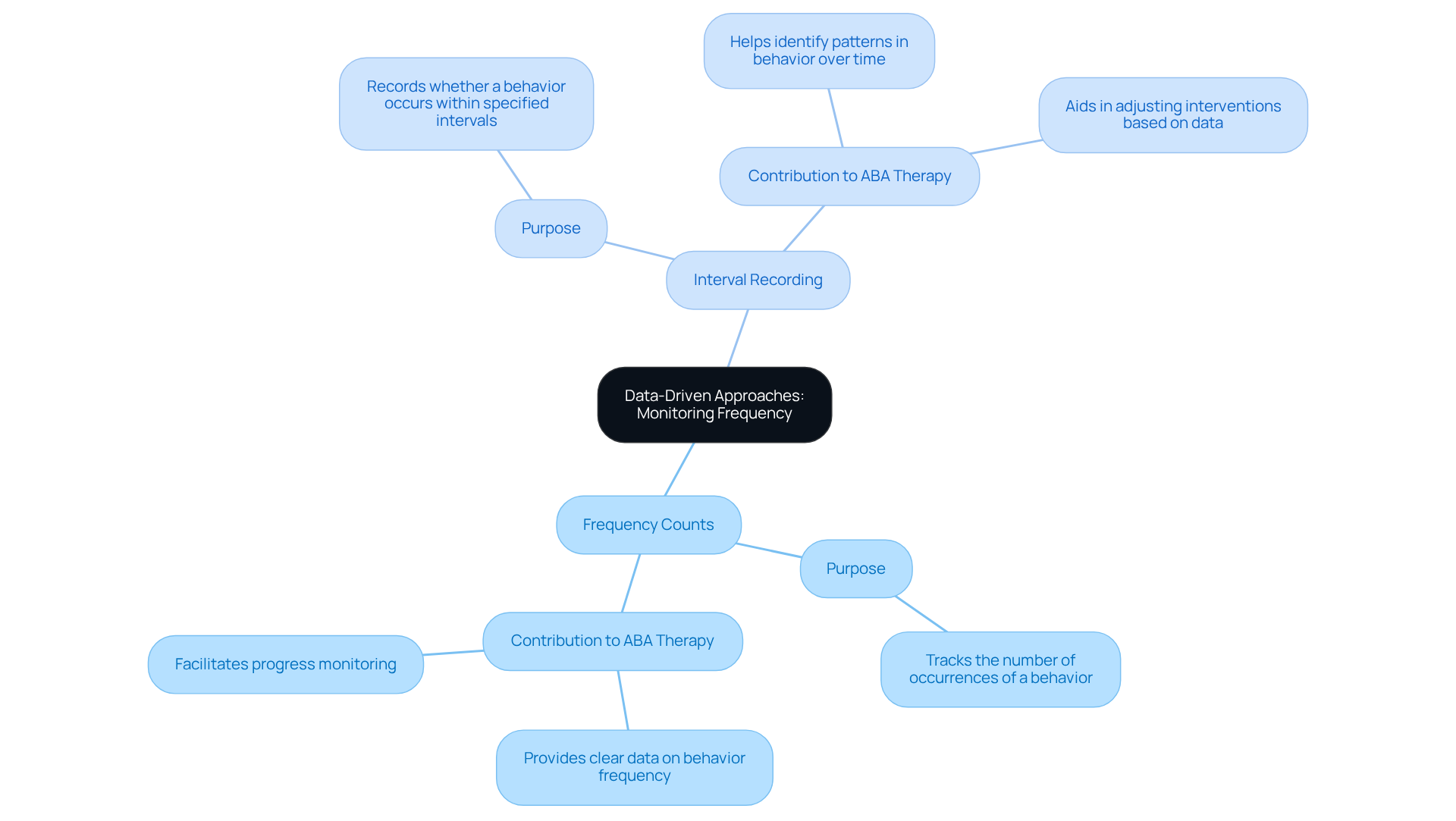
Data-driven approaches in ABA therapy are essential for systematically collecting and analyzing data on behavior frequency. Board Certified Behavior Analysts (BCBAs) use various data collection methods, which include the following examples of shaping frequency:
These methods help to monitor progress effectively and adjust interventions as necessary. This ongoing assessment empowers therapists to make informed decisions, ensuring that shaping strategies are not only effective but also tailored to meet each individual's unique needs.
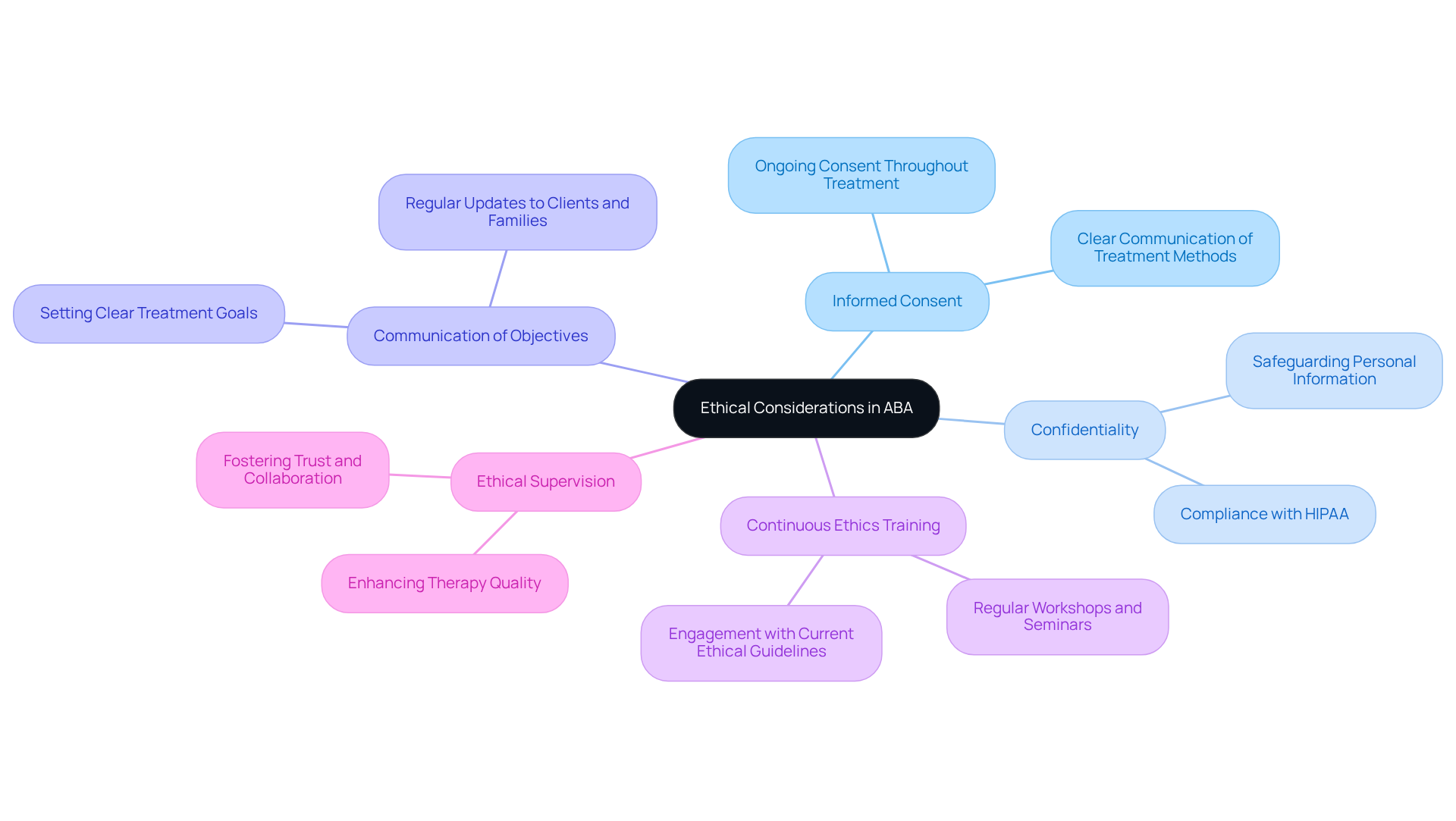
Ethical considerations are paramount in determining which of the following is an example of shaping frequency in ABA interventions. Board Certified Behavior Analysts (BCBAs) must prioritize client autonomy and dignity while facilitating positive behavior change. This responsibility entails:
Continuous ethics training is essential for behavior analysts to navigate complex ethical challenges and uphold the highest standards of practice.
Moreover, ethical supervision significantly enhances therapy quality and safety for individuals, ensuring that interventions are both effective and respectful. By adhering to ethical guidelines, BCBAs foster trust and collaboration with individuals and their families, while simultaneously mitigating the risk of legal repercussions associated with unethical practices. Such responsible practices not only contribute to improved client outcomes but also cultivate a more supportive therapeutic environment.
The exploration of shaping frequency in ABA therapy reveals its critical role in enhancing behavioral outcomes for individuals. With the increasing demand for Board Certified Behavior Analysts (BCBAs), employing a range of techniques—such as incremental homework assignments, gradual task complexity, and tailored reinforcement schedules—can effectively foster skill acquisition and promote positive behaviors. These strategies not only support individual growth but also ensure that practitioners can adapt their methods to meet the unique needs of each client.
Throughout the article, various approaches have been discussed, including the integration of technology, the dynamics of group therapy, and the empowerment of parents in the shaping process. Each method emphasizes the importance of creating a supportive environment where individuals can thrive. How can you ensure that your practice remains at the forefront of these advancements? The ethical considerations highlighted reinforce the necessity of maintaining client dignity and autonomy while implementing these shaping techniques.
Ultimately, the significance of shaping frequency in ABA therapy extends beyond individual interventions; it serves as a foundational principle for effective practice. By embracing these strategies and prioritizing ethical standards, BCBAs can enhance their effectiveness and contribute to the long-term success of their clients. Engaging with platforms like Hire ABA can further streamline the process of finding skilled professionals dedicated to advancing the field of behavior analysis. Are you ready to meet the demand for qualified practitioners with excellence? Start leveraging Hire ABA today to connect with the best talent in the industry.
What is Hire ABA?
Hire ABA is a specialized recruitment platform that connects Board Certified Behavior Analysts (BCBAs) with premium job opportunities, streamlining the hiring process through advanced algorithms and a user-friendly interface.
Why is there a need for Hire ABA?
The demand for BCBAs is projected to surge, making effective recruitment solutions critical for both candidates and employers. Hire ABA simplifies the job matching process and enhances the likelihood of successful placements.
How does Hire ABA benefit BCBAs?
Hire ABA empowers BCBAs to connect with job opportunities that align with their expertise and career aspirations, facilitating a better fit in a competitive job market.
What role does incremental homework play in behavioral therapy?
Incremental homework assignments progressively increase in difficulty, helping individuals build confidence and strengthen skills acquired in therapy, particularly for those with autism.
How does gradual task complexity support skill development?
Gradual task complexity involves breaking down skills into smaller steps, allowing participants to master each component thoroughly before progressing, which promotes long-term retention of skills.
What is the importance of shaping in behavioral analysis?
Shaping, through incremental tasks, allows individuals to experience success at each stage, enhancing their motivation and engagement, which is crucial for effective behavior shaping.
How can BCBAs integrate these strategies into treatment plans?
BCBAs can incorporate incremental homework and gradual task complexity into treatment plans to create a supportive environment that fosters sustained progress and skill mastery over time.
Our expert recruitment strategies and AI-driven sourcing ensure that you receive top-notch candidates quickly, without compromising on quality. Whether you’re looking for BCBAs, Clinical Directors, or RBTs, we’ve got you covered.


