


Thank you! Your submission has been received!
Oops! Something went wrong while submitting the form.
November 25, 2025

The growing demand for Board Certified Behavior Analysts (BCBAs) is reshaping the landscape of Applied Behavior Analysis (ABA) therapy. Projections indicate a remarkable 25% increase in need by 2026. This surge underscores the critical importance of well-defined job descriptions that not only attract qualified candidates but also clarify expectations and responsibilities.
However, with the complexities of the field and the unique skills required, how can employers ensure they are crafting effective ABA job descriptions that resonate with potential hires? This article delves into the ten key elements that every ABA job description should include. By focusing on these elements, employers can streamline their hiring process and connect with the right talent in this vital sector.
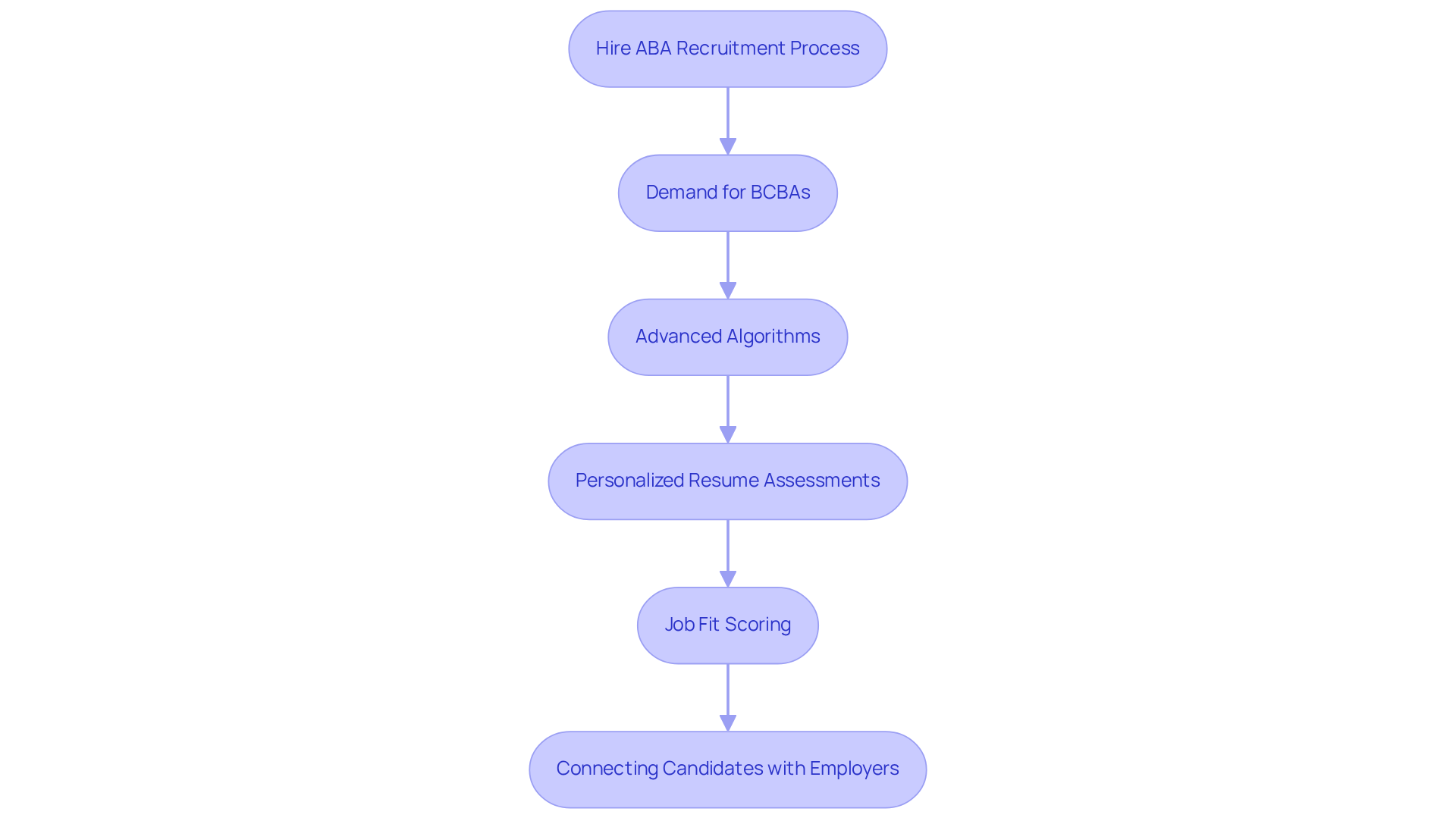
Did you know that the demand for Board Certified Behavior Analysts (BCBAs) is projected to rise by 25% by 2026? This surge highlights the urgent need for effective recruitment strategies that align with the [[ABA job description](https://hireaba.today/blog-posts/10-key-extinction-examples-and-their-impact-on-biodiversity) in the field of Applied Behavior Analysis (ABA) therapy](https://goldenstepsaba.com/resources/aba-therapy-job-outlook). Hire ABA is your dedicated recruitment platform, expertly designed to connect qualified professionals with top-tier job opportunities that align with the ABA job description in this rapidly expanding sector.
By leveraging advanced algorithms and a user-friendly interface, Hire ABA ensures that candidates are matched with roles that align with their skills, preferences, and desired locations. Our personalized resume assessments thoroughly evaluate candidates' experiences and career goals, allowing us to identify the best opportunities available.
Employers, are you struggling to find the right talent quickly? Our advanced job fit scoring system utilizes the ABA job description to streamline the hiring process, making it easier for you to connect with the ideal candidates. This approach not only enhances the job search experience for candidates but also addresses the growing demand for BCBAs, particularly in regions with higher autism diagnosis rates, such as California and Massachusetts.
With Hire ABA, you can trust that you’re utilizing a that prioritizes your recruitment needs. Don’t let the competition outpace you-take action today and discover how Hire ABA can transform your hiring process.
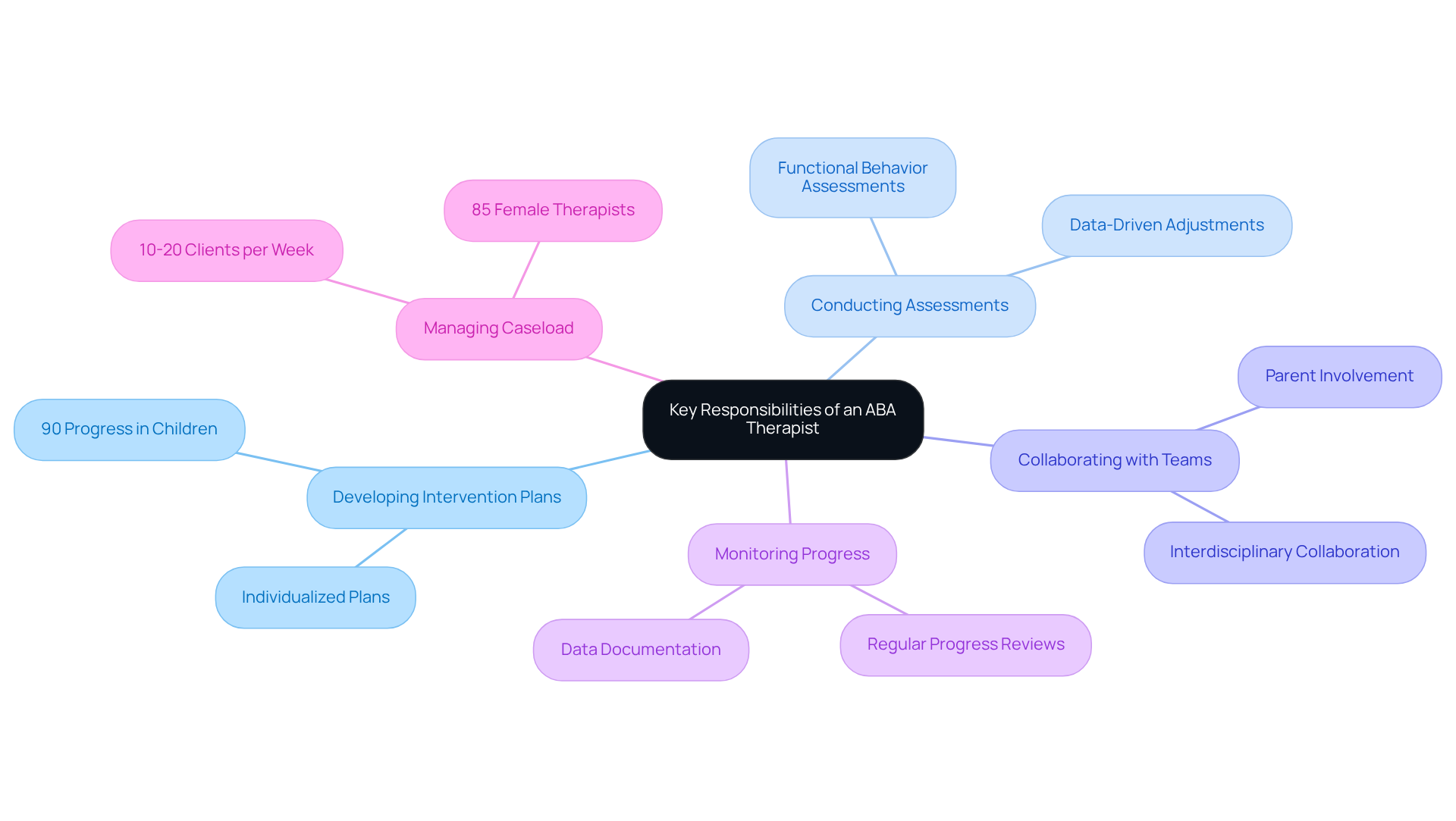
ABA therapists are essential in delivering effective treatment for individuals with autism and other developmental disabilities. Did you know that the demand for Board Certified Behavior Analysts (BCBAs) is projected to grow by 19% from 2020 to 2030? This statistic underscores the urgent need for qualified professionals in the field.
Their responsibilities, as detailed in the aba job description, encompass a range of critical tasks designed to promote positive outcomes for clients. Key duties include:
Experienced BCBAs emphasize the importance of adaptability and communication in this role. Successful ABA therapists must be ready to adjust their strategies based on ongoing assessments and client feedback. The dynamic nature of the aba job description highlights the need for continuous professional development and collaboration within the field.
Furthermore, Dr. Ivar Lovaas observed that 90% of children achieve significant progress through ABA methods, showcasing the efficacy of this approach. Additionally, approximately 85% of ABA therapists are women, reflecting the demographic composition of the workforce. ABA therapy can be provided in various settings, including home, school, and clinic, showcasing its versatility. On average, ABA therapists have between 5-10 years of experience, which is valuable for employers to consider when hiring.
Are you facing challenges in hiring qualified ABA therapists? Consider using Hire ABA for your recruitment needs. With a , you can ensure that your organization is equipped to provide the best care possible.
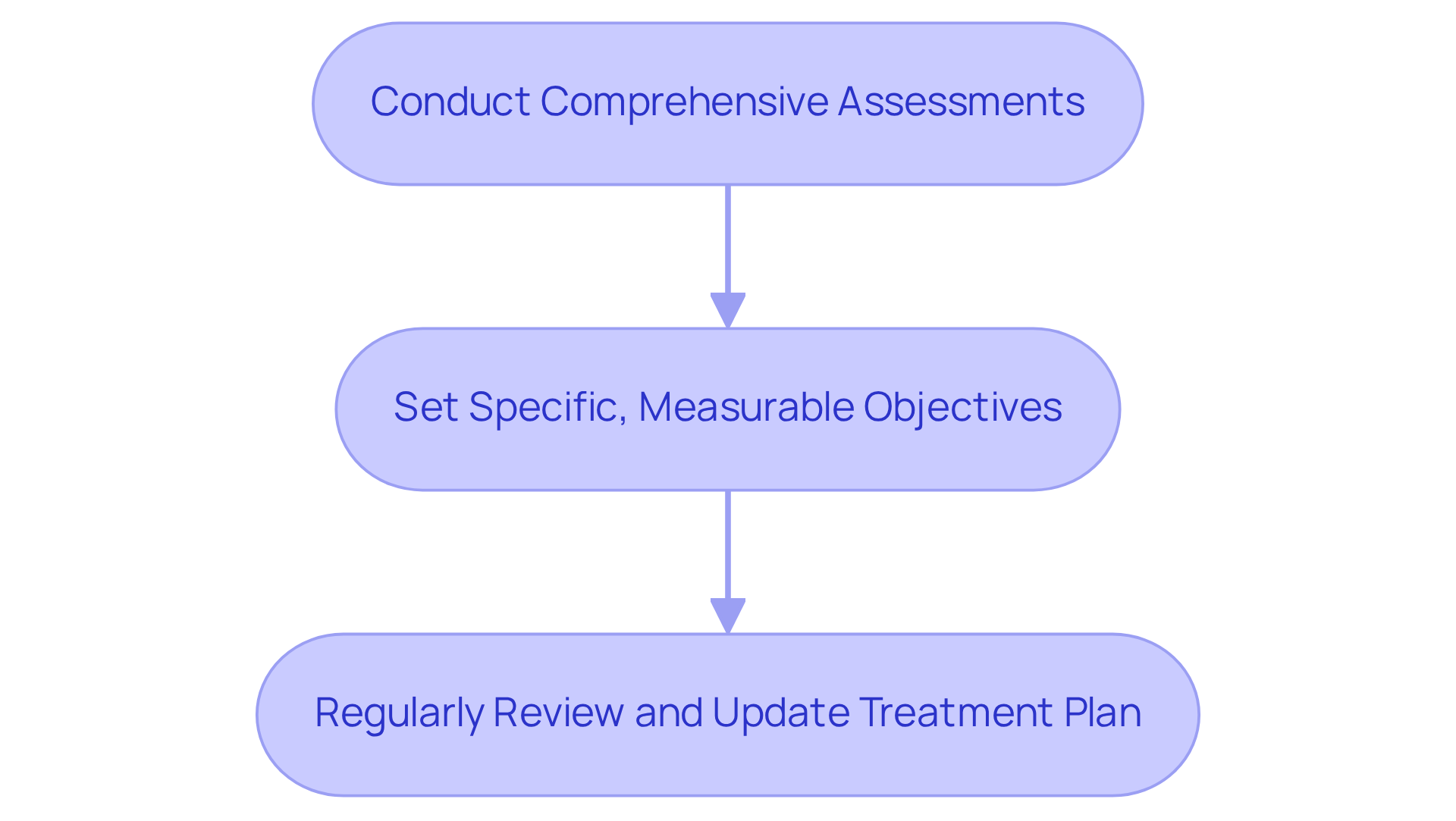
To qualify for ABA therapist roles, candidates typically need to meet several key requirements:
Are you facing challenges in hiring qualified therapists based on the ABA job description? Consider how Hire ABA can streamline your recruitment process and connect you with top talent in the field. With our platform, you can ensure that your team is equipped with the to make a difference.

Did you know that the demand for Board Certified Behavior Analysts (BCBAs) is skyrocketing? Developing customized treatment strategies is not just a responsibility of ABA therapists; it’s essential for achieving optimal outcomes for individuals. This process involves several key steps:
Leading BCBAs emphasize that the skill of the therapist and the fidelity of intervention implementation are critical factors influencing treatment success, as stated in the aba job description. By tailoring interventions to meet individual needs, ABA therapists can foster meaningful developmental progress, ultimately enhancing communication, social skills, and adaptive behaviors in their clients.
Are you facing challenges in hiring qualified BCBAs? Consider how Hire ABA can streamline your recruitment process and connect you with top talent in the field.
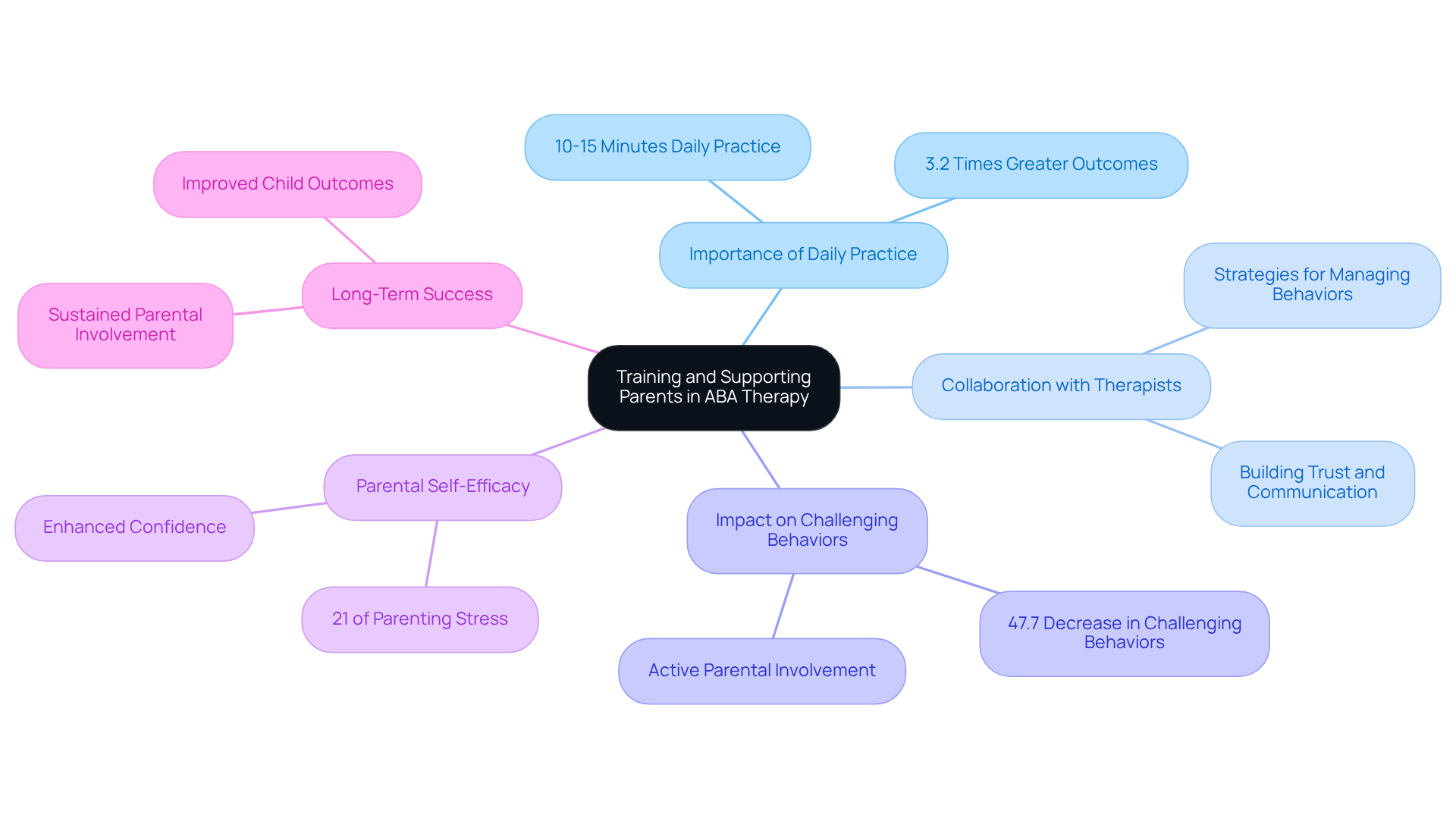
Training and supporting parents is a vital element of ABA treatment. Did you know that parents who practice skills for just 10-15 minutes daily achieve outcomes 3.2 times greater than those who practice sporadically? This statistic underscores the importance of educating parents on the [ABA job description](https://hireaba.today) and techniques, enabling them to reinforce learning effectively at home.
Moreover, therapists collaborate closely with families to provide strategies for managing challenging behaviors. This fosters positive interactions that enhance family dynamics. Research shows that effective parent training can lead to a remarkable 47.7% decrease in challenging behaviors when parents are actively involved in the training process.
Encouraging parental participation in the ABA job description treatment process is essential for achieving long-term success. Studies reveal that children with engaged parents demonstrate significant improvements in behavior and skill generalization. This highlights the importance of a collaborative approach as outlined in the ABA job description for effective treatment.
Furthermore, parental self-efficacy contributes to approximately 21% of parenting stress, emphasizing the emotional advantages of parent training in ABA. With the ABA job description demonstrating an , the role of parents becomes even more critical. As noted by Bennett, when parents aren’t involved in the process, it creates a disconnect between the treatment room and what goes on in the child’s home. Additionally, two-thirds of children referred for ABA stay in services for 12 months, emphasizing the need for sustained parental involvement for long-term success.
By equipping parents with the right tools and knowledge, therapists can foster a supportive environment that maximizes the effectiveness of ABA practices. This ultimately benefits both children and families, paving the way for a brighter future.
Data collection and analysis are not just important; they are essential components of an effective ABA job description. Did you know that systematic data collection, as outlined in the ABA job description, can significantly enhance client outcomes? Therapists employ various methods to ensure that every session is productive and insightful:
In a field where precision matters, the ABA job description emphasizes that the ability to make informed decisions based on solid data is invaluable. Are you facing challenges in your current hiring practices? Consider how a reliable recruitment platform like Hire ABA can streamline your process and connect you with qualified professionals who understand the importance of data-driven therapy. Don't let hiring hurdles hold you back from providing the best care possible.

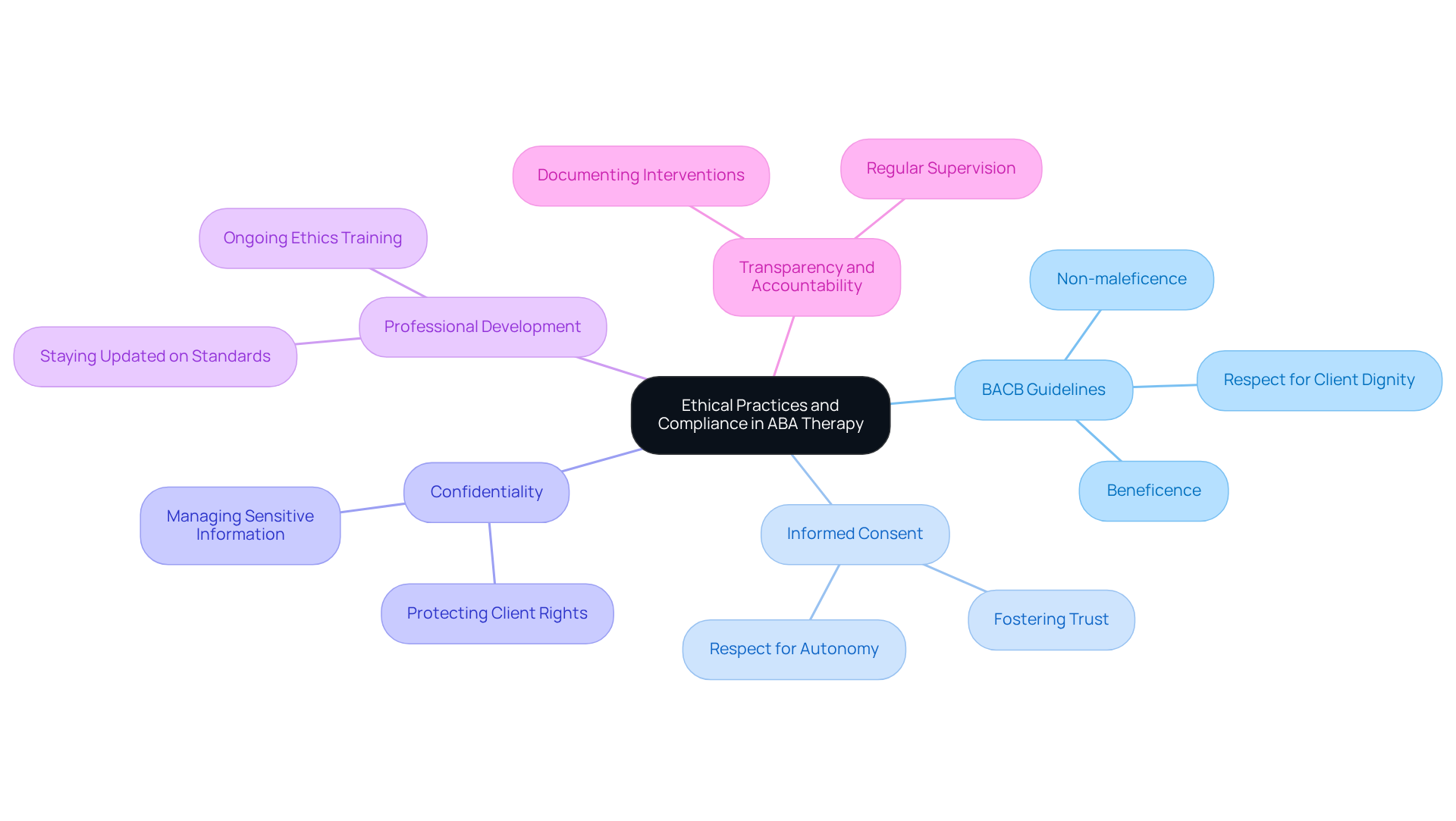
Ethical practices and compliance are not just essential in ABA therapy; they are the backbone of effective treatment. Did you know that adherence to ethical guidelines can significantly enhance client outcomes? Therapists must:
The ABA job description emphasizes that compliance with BACB ethical standards is not merely a regulatory requirement; it significantly impacts the effectiveness of ABA therapy. For instance, studies have shown that adherence to ethical practices enhances client engagement and outcomes, demonstrating that the ABA job description includes a direct correlation between ethical compliance and therapeutic success. Furthermore, the BACB emphasizes that organizations should promote transparency and implement checks for unethical behavior, reinforcing the importance of a culture that values ethical integrity in ABA practice.
Are you ready to elevate your practice by prioritizing ethical standards? Embrace the commitment to ethical integrity and watch your therapeutic relationships flourish.
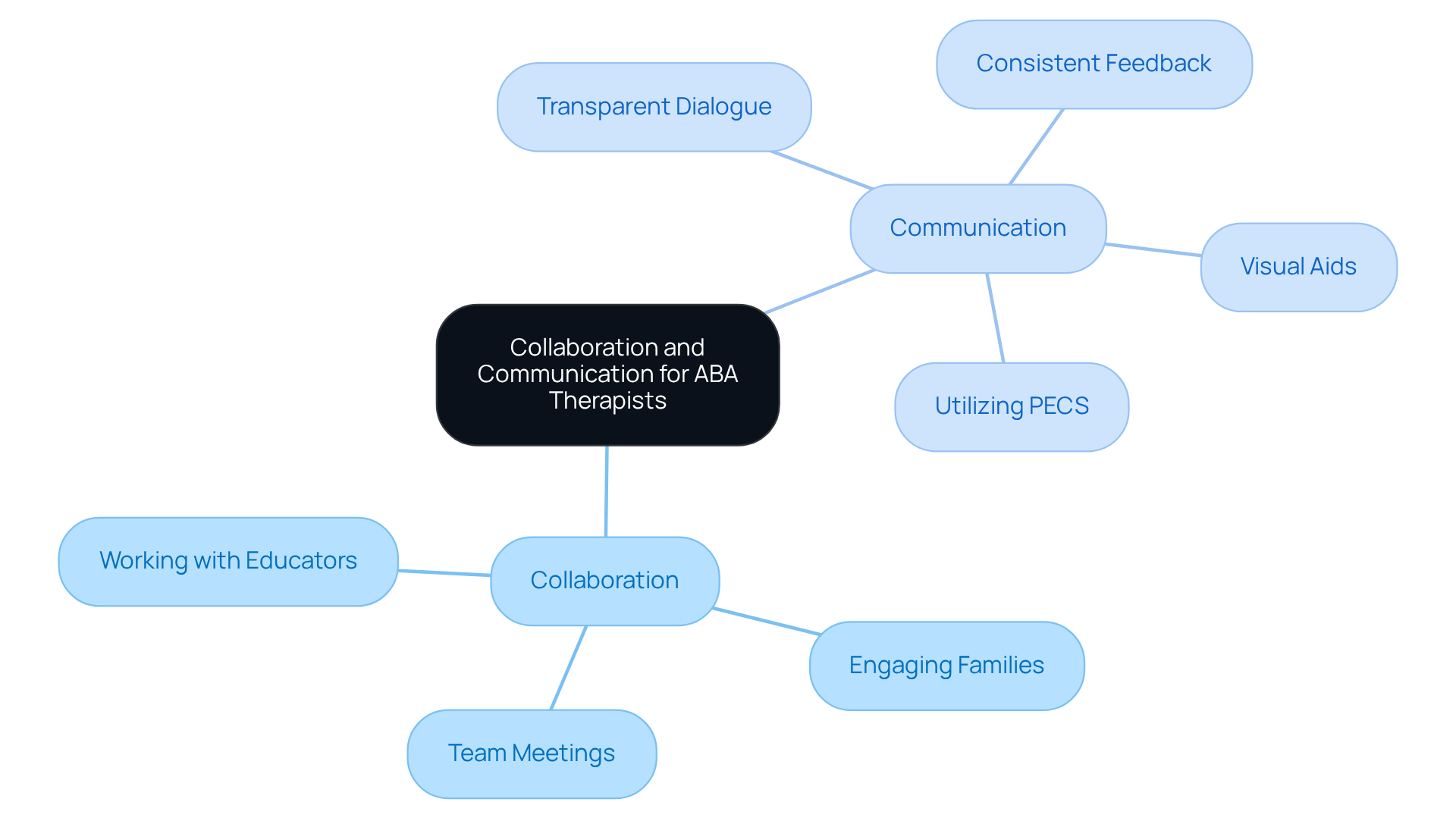
Collaboration and communication are essential competencies for ABA therapists, significantly influencing treatment effectiveness. Effective therapists:
Healthcare experts emphasize that effective communication skills are vital for improving patient outcomes in ABA treatment. For instance, the US Surgeon General asserts, "Most reputable health authorities support ABA as an effective, evidence-based treatment," highlighting the importance of clear communication in achieving successful treatment results. Effective communication not only fosters a better understanding of treatment goals but also empowers individuals and families to engage actively in the therapeutic process. Approaches such as utilizing the Picture Exchange Communication System (PECS), incorporating visual aids, and providing consistent feedback can significantly enhance interactions between therapists and clients, leading to more effective treatment experiences. Research indicates that children receiving ABA therapy show , with approximately 68% making notable gains in language skills, allowing them to express themselves more clearly and engage in conversations.
A commitment to professional development is essential for ABA therapists, especially given the projected 22% growth in the job market for behavior analysts over the next decade. This demand underscores the necessity for ongoing education, which encompasses several key components:
Overall, the commitment to ongoing education is not merely a requirement for the ABA job description; it is a pathway to ensuring high-quality care and professional growth in the field of Applied Behavior Analysis. Are you ready to elevate your practice and meet the growing demands of the industry? Consider how [Hire ABA](https://hireaba.today) can support your recruitment needs and help you find the right talent.

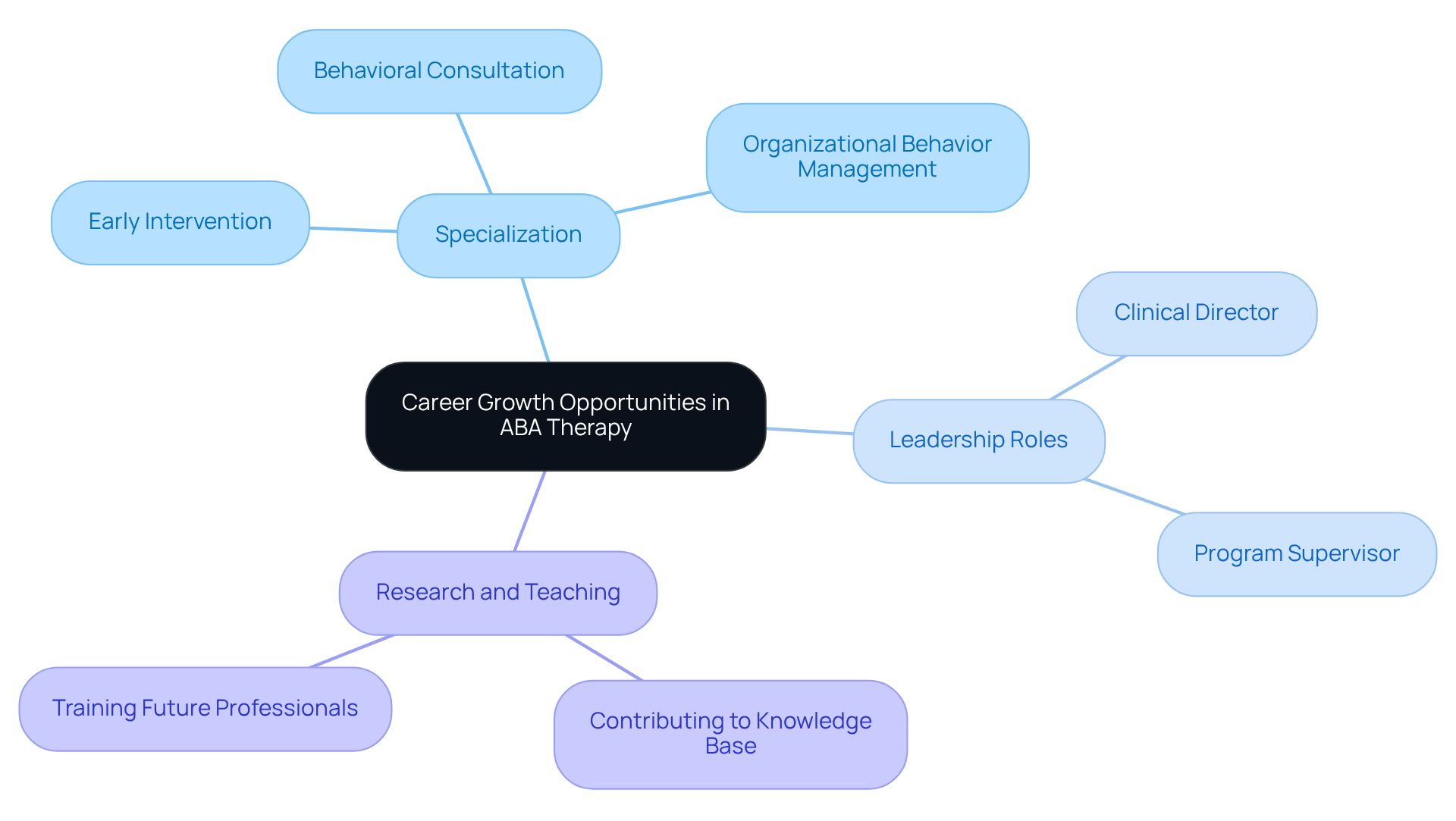
Did you know that the demand for Board Certified Behavior Analysts (BCBAs) has skyrocketed by an astonishing 1,942% from 2010 to 2018? This surge highlights the abundant career growth opportunities outlined in the ABA job description, offering various paths for advancement that can significantly enhance your professional journey.
As the field of ABA therapy continues to expand, the opportunities for advancement highlighted in the ABA job description are set to grow even further. This is an exciting time for professionals in the field. Successful BCBAs emphasize the importance of pursuing these paths to enhance both personal and professional fulfillment. Are you ready to take the next step in your career? Consider how Hire ABA can support your journey.
The landscape of Applied Behavior Analysis (ABA) therapy is witnessing an unprecedented surge in demand for Board Certified Behavior Analysts (BCBAs). With this growing need, understanding the key elements of an ABA job description becomes essential for employers aiming to attract qualified professionals who can provide effective treatment for individuals with autism and other developmental disabilities. By clearly defining roles, responsibilities, and qualifications, organizations can position themselves to meet the increasing needs of their clients.
What are the essential components of an effective ABA job description? This article delves into key responsibilities such as:
Moreover, it emphasizes the importance of ethical practices, ongoing professional development, and strong communication skills as vital for success in this field. The insights provided not only highlight the qualifications needed for ABA therapists but also underscore the critical role that data collection and parent training play in enhancing treatment outcomes.
The significance of a well-crafted ABA job description cannot be overstated. It serves as a foundational tool for recruitment, ensuring that organizations can connect with the right talent to deliver high-quality care. As the demand for ABA services continues to grow, embracing these key elements will empower employers to build effective teams that foster positive outcomes for clients.
Are you facing challenges in your hiring process? Taking proactive steps today to refine your hiring practices and utilizing platforms like Hire ABA can lead to a more impactful future in the realm of ABA therapy. Don't miss the opportunity to enhance your recruitment strategy and ensure that you have the right professionals on your team.
What is Hire ABA?
Hire ABA is a dedicated recruitment platform designed to connect qualified Board Certified Behavior Analysts (BCBAs) with top-tier job opportunities in the field of Applied Behavior Analysis (ABA) therapy.
Why is there a growing demand for BCBAs?
The demand for BCBAs is projected to rise significantly, with estimates indicating a 25% increase by 2026 and a 19% growth from 2020 to 2030, highlighting the urgent need for qualified professionals in the field.
How does Hire ABA match candidates with job opportunities?
Hire ABA uses advanced algorithms and a user-friendly interface to match candidates with roles that align with their skills, preferences, and desired locations. Personalized resume assessments evaluate candidates' experiences and career goals to identify the best opportunities.
What benefits does Hire ABA offer to employers?
Hire ABA features an advanced job fit scoring system that utilizes the ABA job description to streamline the hiring process, making it easier for employers to connect with ideal candidates quickly.
What are the key responsibilities of an ABA therapist?
Key responsibilities include developing individualized behavior intervention plans, conducting functional behavior assessments, collaborating with families and interdisciplinary teams, monitoring patient progress, and managing a caseload of 10 to 20 individuals per week.
What qualifications are typically required for ABA therapist roles?
Candidates usually need a minimum of a bachelor’s degree in psychology, education, or a related field, certification as a Registered Behavior Technician (RBT) or Board Certified Behavior Analyst (BCBA), strong communication skills, proficiency in data gathering and analysis, analytical thinking, attention to detail, and a commitment to ongoing professional development.
In what settings can ABA therapy be provided?
ABA therapy can be provided in various settings, including home, school, and clinic, showcasing its versatility in delivering care.
How does Hire ABA support recruitment for ABA therapists?
Hire ABA connects employers with skilled professionals, streamlining the recruitment process and ensuring that organizations are equipped to provide the best care possible.
Our expert recruitment strategies and AI-driven sourcing ensure that you receive top-notch candidates quickly, without compromising on quality. Whether you’re looking for BCBAs, Clinical Directors, or RBTs, we’ve got you covered.


