


Thank you! Your submission has been received!
Oops! Something went wrong while submitting the form.
November 23, 2025

The landscape of Applied Behavior Analysis (ABA) is evolving rapidly. Did you know that there’s been a significant surge in demand for Registered Behavior Technicians (RBTs) in Massachusetts? As organizations strive to enhance their teams with qualified professionals, understanding the intricacies of RBT certification becomes paramount. This is not just about filling positions; it’s about elevating the quality of care provided to clients.
Employers must navigate the certification process effectively to attract and retain top talent in a competitive job market. How can organizations leverage the RBT certification to fulfill staffing needs while ensuring high standards of care? This article delves into essential insights that will help you answer these questions and more.
By focusing on the RBT certification, organizations can not only meet their immediate hiring challenges but also enhance the overall effectiveness of their teams. As you consider your current hiring strategies, reflect on how platforms like Hire ABA can assist in addressing these pressing issues.
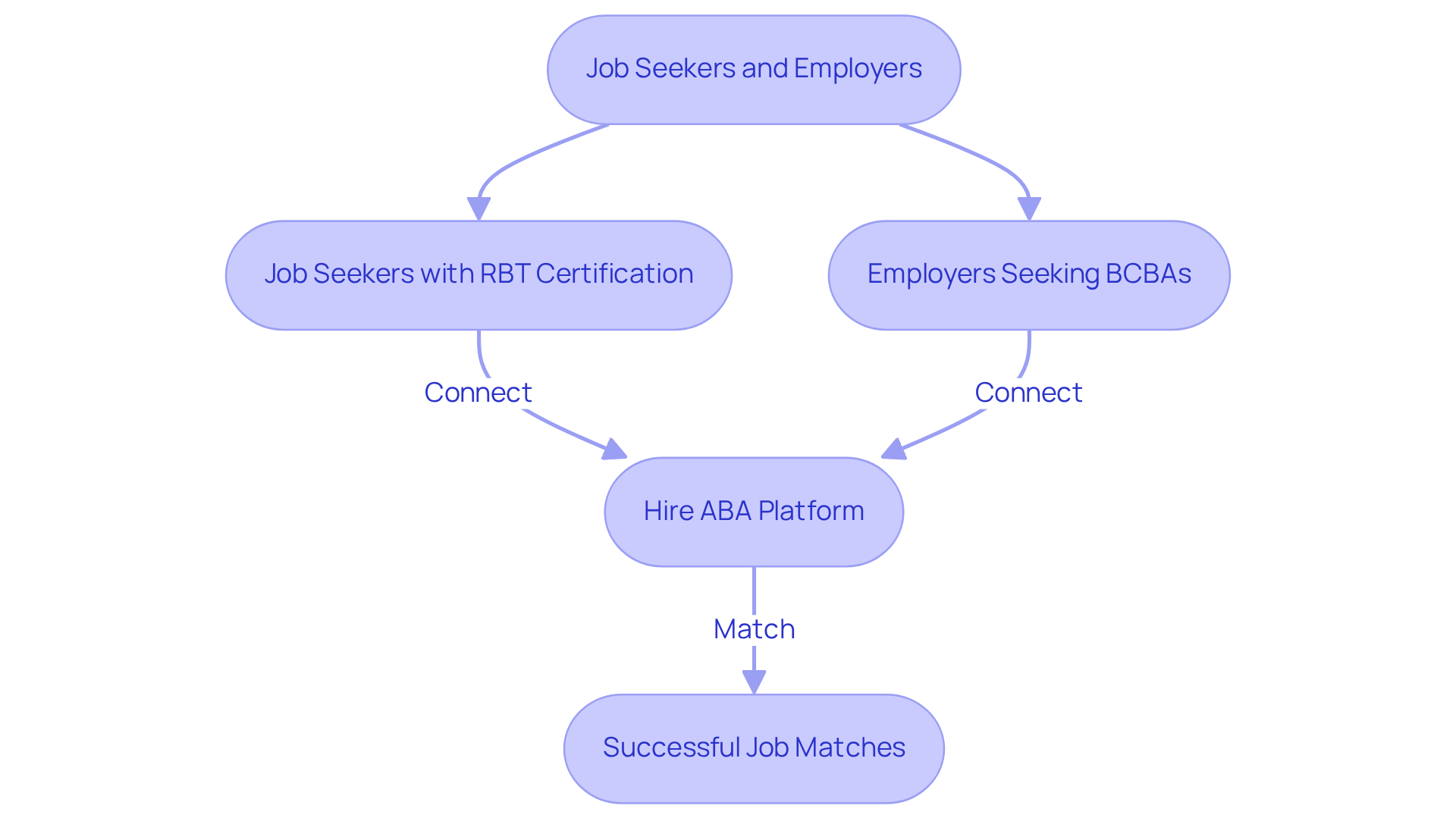
The demand for Board Certified Behavior Analysts (BCBAs) is projected to surge, with an anticipated increase of 12% to 22% over the next decade. In this competitive landscape, Hire ABA stands out as a premier platform that connects BCBAs and with exceptional , specifically for those with .
Why struggle with the when Hire ABA can streamline it for you? Utilizing advanced algorithms and a deep understanding of the ABA sector, Hire ABA effectively matches job seekers with positions tailored to their skills and career aspirations. This not only simplifies the for employers but also significantly boosts , facilitating their entry into a rapidly expanding field.
As organizations seek to attract qualified candidates, leveraging such technology becomes essential. Effective job matching is crucial for fostering a productive workforce, ultimately benefiting both employers and employees within the ABA community. Are you ready to enhance your and connect with top talent?
Take action today and discover . With our reliable platform, you can ensure that you’re not just filling positions, but building a strong, capable team that meets the .
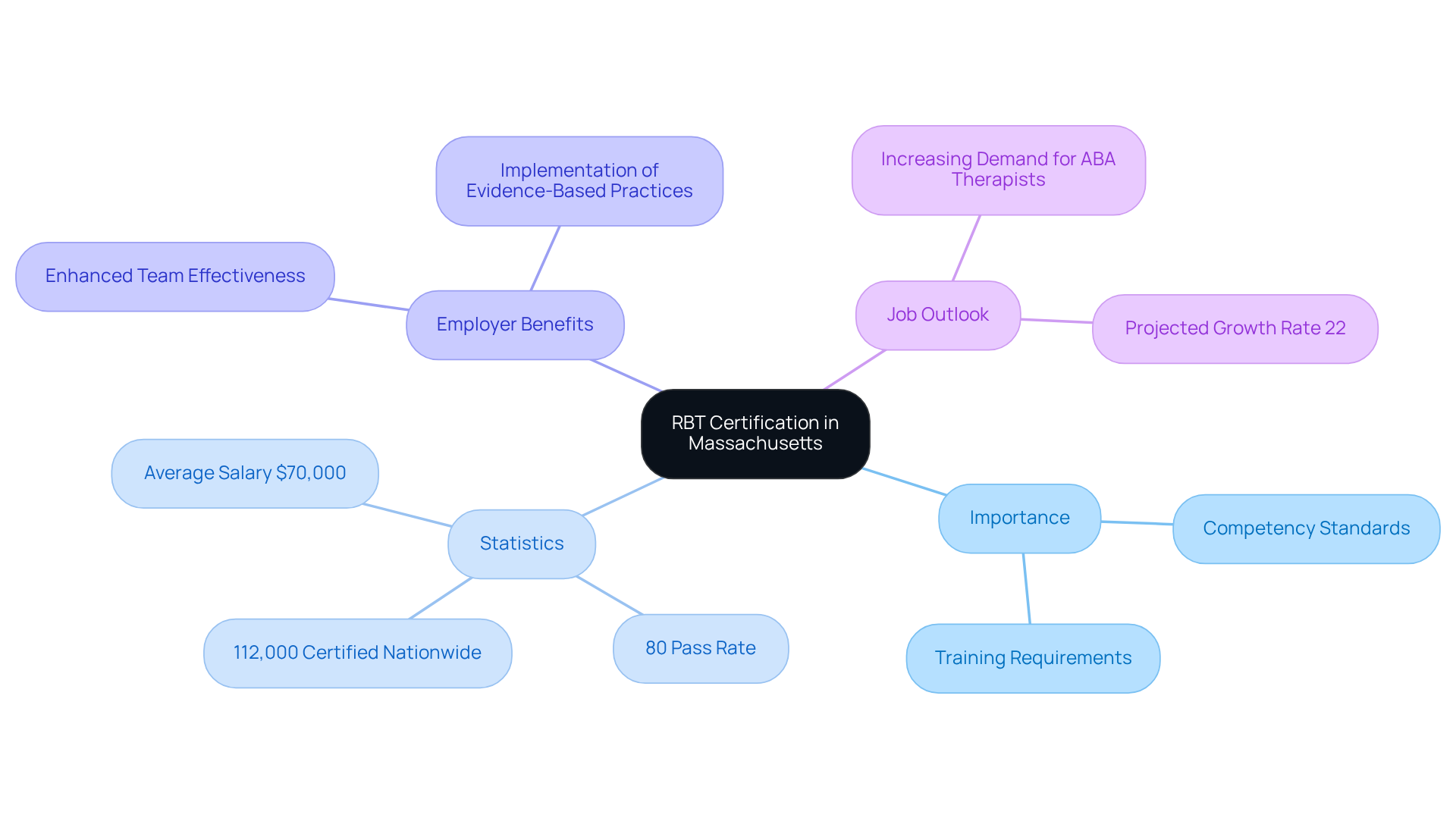
In Massachusetts, the demand for behavior technicians is increasing, leading to a rise in , with over 112,000 . This statistic underscores the importance of obtaining for individuals aspiring to work in Applied Behavior Analysis (ABA). Governed by the Behavior Analyst Certification Board (BACB), this certification ensures that registered behavior technicians have undergone extensive training and demonstrated competency in delivering effective behavioral interventions.
Employers can trust that these professionals have met stringent standards, making them invaluable assets to any ABA team. Recent statistics reveal that the is approximately 80%, reflecting the rigorous preparation involved. As the prevalence of autism spectrum disorder increases, the need for qualified professionals in the field continues to grow.
Have you considered how hiring ? Employers in Massachusetts report positive experiences when bringing certified RBTs on board, noting their ability to implement and contribute to improved client outcomes. The average salary for ABA therapists in Massachusetts is around $70,000 per year, and the job outlook for ABA therapists is projected to grow at a rate of 22% from 2019-2029.
As the landscape of evolves, staying informed about the and updates is essential for employers seeking to build a skilled and competent workforce. Don't miss out on the opportunity to enhance your team with certified professionals. Consider how Hire ABA can assist you in navigating the recruitment process and securing the best talent in the field.
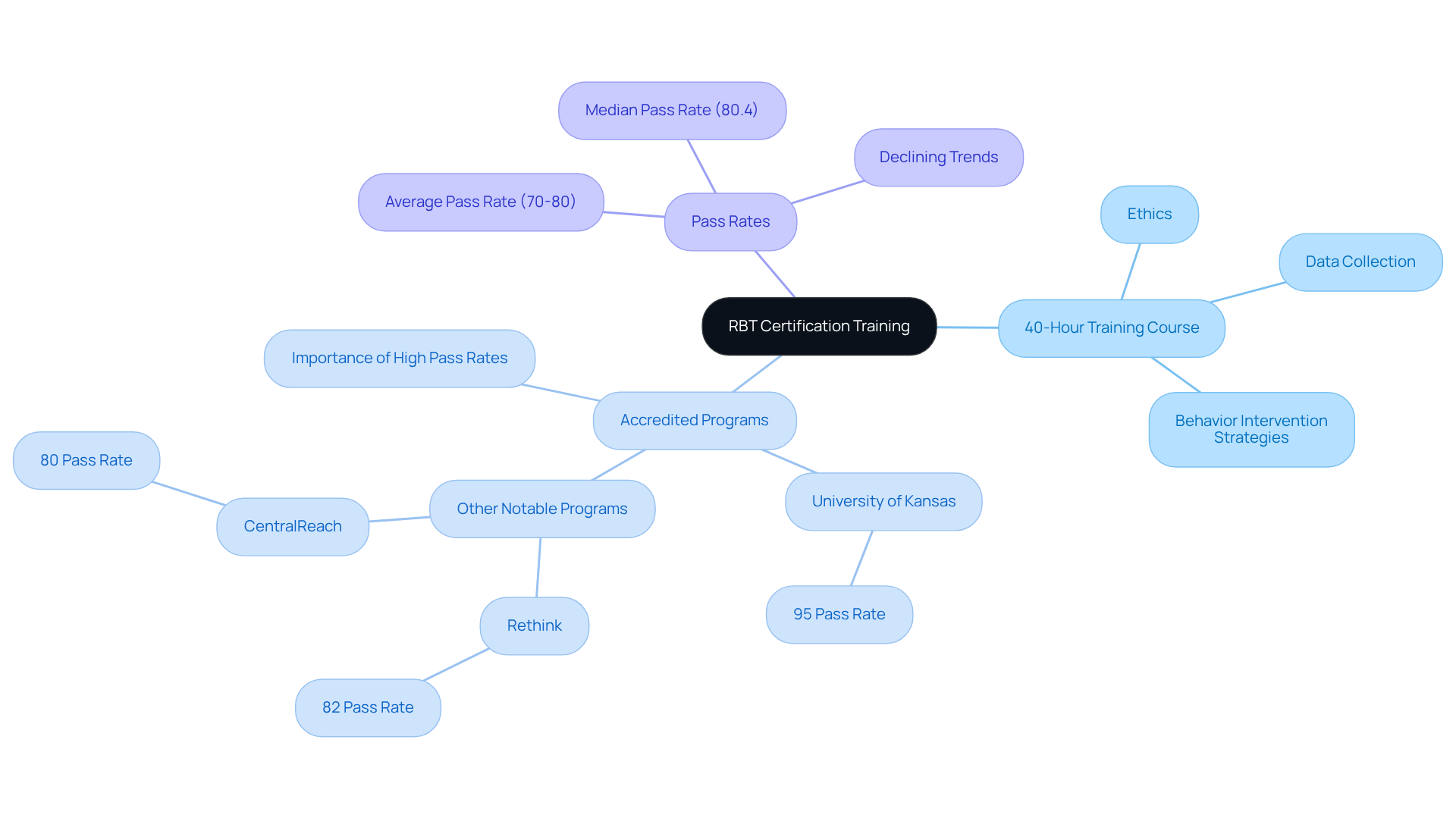
Achieving is a crucial step for those looking to excel in the field of . Did you know that the demand for is skyrocketing? This makes the completion of a of ABA. This course covers critical topics such as ethics, data collection, and behavior intervention strategies.
Choosing is vital. These programs significantly enhance candidates' readiness for the certification assessment. In fact, programs boasting a are particularly effective. For instance, the University of Kansas achieved an impressive 95% pass rate in 2023. On average, , highlighting the challenges candidates face.
Furthermore, the average to their professional development. This underscores the . As noted by ABA educators, "The rigor and accreditation of training programs play a crucial role in shaping competent behavior technicians ready to meet the demands of the field."
To maximize their chances of success, prospective RBTs should thoroughly research and select accredited programs with in Massachusetts. Are you ready to take the next step in your professional journey? The right training can make all the difference.
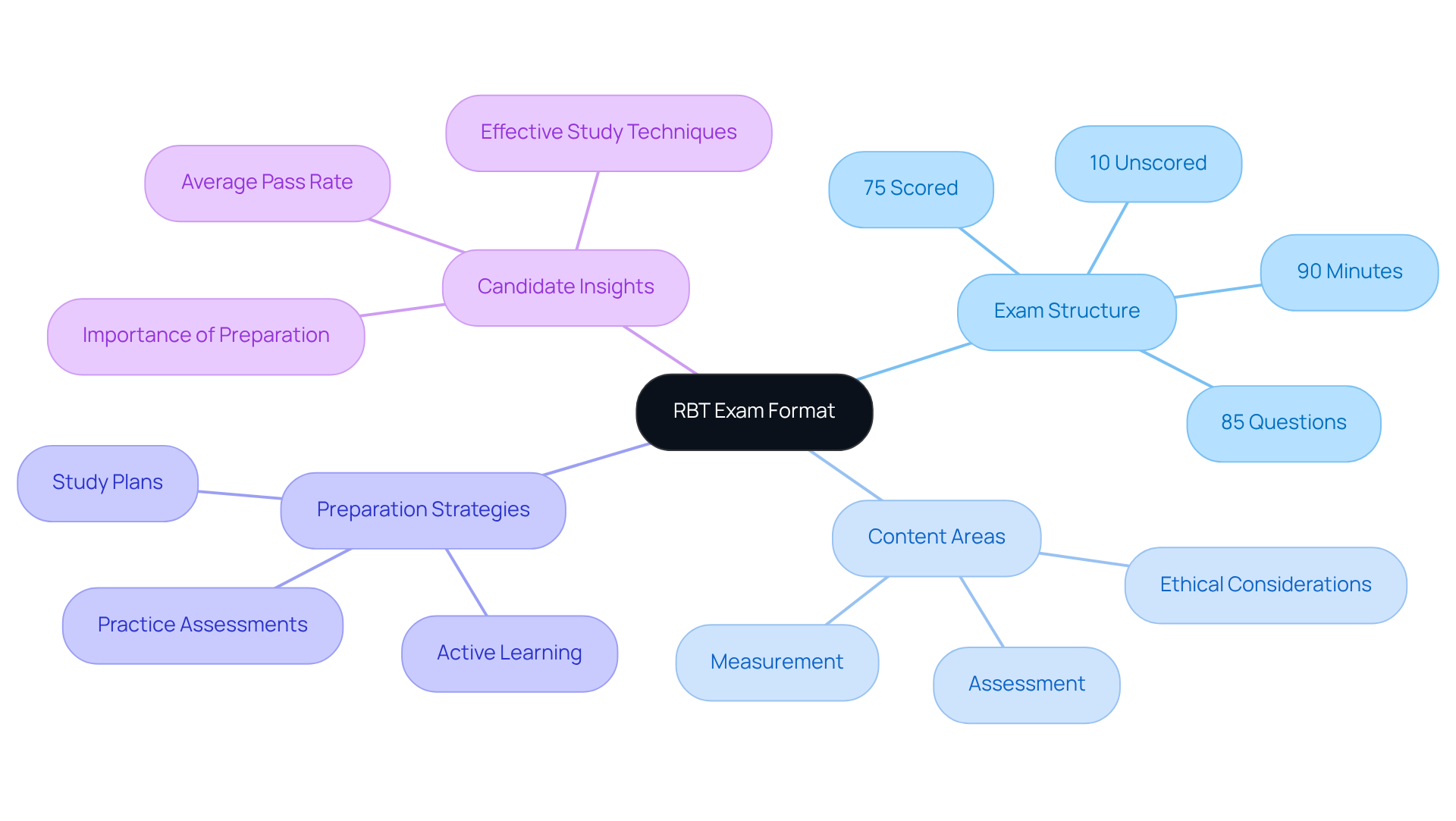
The comprises 85 multiple-choice questions, with 75 scored and 10 serving as unscored pilot questions. Candidates have 90 minutes to complete the test, which evaluates their knowledge in critical areas such as measurement, assessment, and ethical considerations. Understanding the is essential; it enables candidates to concentrate their studies on the most relevant content areas, thereby enhancing their chances of success.
Consider this: recent candidate experiences indicate that those who engage with and grasp the tend to perform better. , such as summarizing concepts and taking , can significantly improve success rates. The average pass rate for typically ranges from 70% to 80%, reflecting a solid understanding of the material among successful candidates.
Educators stress that thorough preparation is crucial. A clear combined with active learning techniques is vital for achieving a passing score. As one educator noted, "Understanding the assessment structure, essential elements, and effective study methods can greatly influence your likelihood of success." By mastering the assessment format and focusing on key subjects, candidates can markedly boost their chances of passing the on their first attempt.
Candidates must secure a on the to achieve the in Massachusetts. This score is not just a number; it signifies their and their readiness to function effectively as . But why settle for the bare minimum? Striving for a higher score is crucial, as a solid understanding of the content is vital for success in future roles within and for obtaining the in Massachusetts.
Research indicates that utilizing - like practice tests and study groups - can significantly enhance pass rates. In fact, candidates who adopt structured study plans often report improved outcomes, with . This is a compelling reason to invest time in preparation.
Moreover, the (BACB), highlight the importance of not only knowledge retention but also the application of concepts in real-world scenarios. This dual focus demands a that aligns with the latest standards in behavior analysis. Are you ready to elevate your study approach and ensure your success in the ?

Candidates often encounter significant challenges when pursuing the . Time management, , and grasping complex can hinder their progress. How can candidates ?
To tackle these challenges effectively, creating a is essential. This approach not only organizes study time but also helps in managing anxiety. Utilizing can further enhance understanding and retention of material. Additionally, seeking assistance from peers or mentors can provide valuable insights and support.
Familiarizing oneself with the is another crucial step. This knowledge can alleviate anxiety and boost performance on test day. By taking these proactive measures, candidates can navigate the with confidence and clarity.

The demand for , especially those with rbt certification massachusetts, is on the rise, with projections indicating a over the next decade. This surge is driven by a growing recognition of the vital role that (ABA) therapy plays in various settings, including schools, healthcare clinics, and private practices.
Employers are actively seeking qualified behavior technicians, creating a favorable landscape for those looking to enter this rewarding profession. With an , can expect variations based on geographical location and whether they work in urban or rural areas.
As the demand for skilled professionals continues to grow, obtaining rbt certification massachusetts provides registered behavior technicians with a wealth of opportunities to advance their careers in ABA therapy. Pursuing additional certifications and education can significantly enhance their earning potential and career trajectory.
Are you facing challenges in hiring qualified behavior technicians? Consider how can streamline your recruitment process and connect you with top talent in the field. With the right support, you can that meets the needs of your organization and the clients you serve.

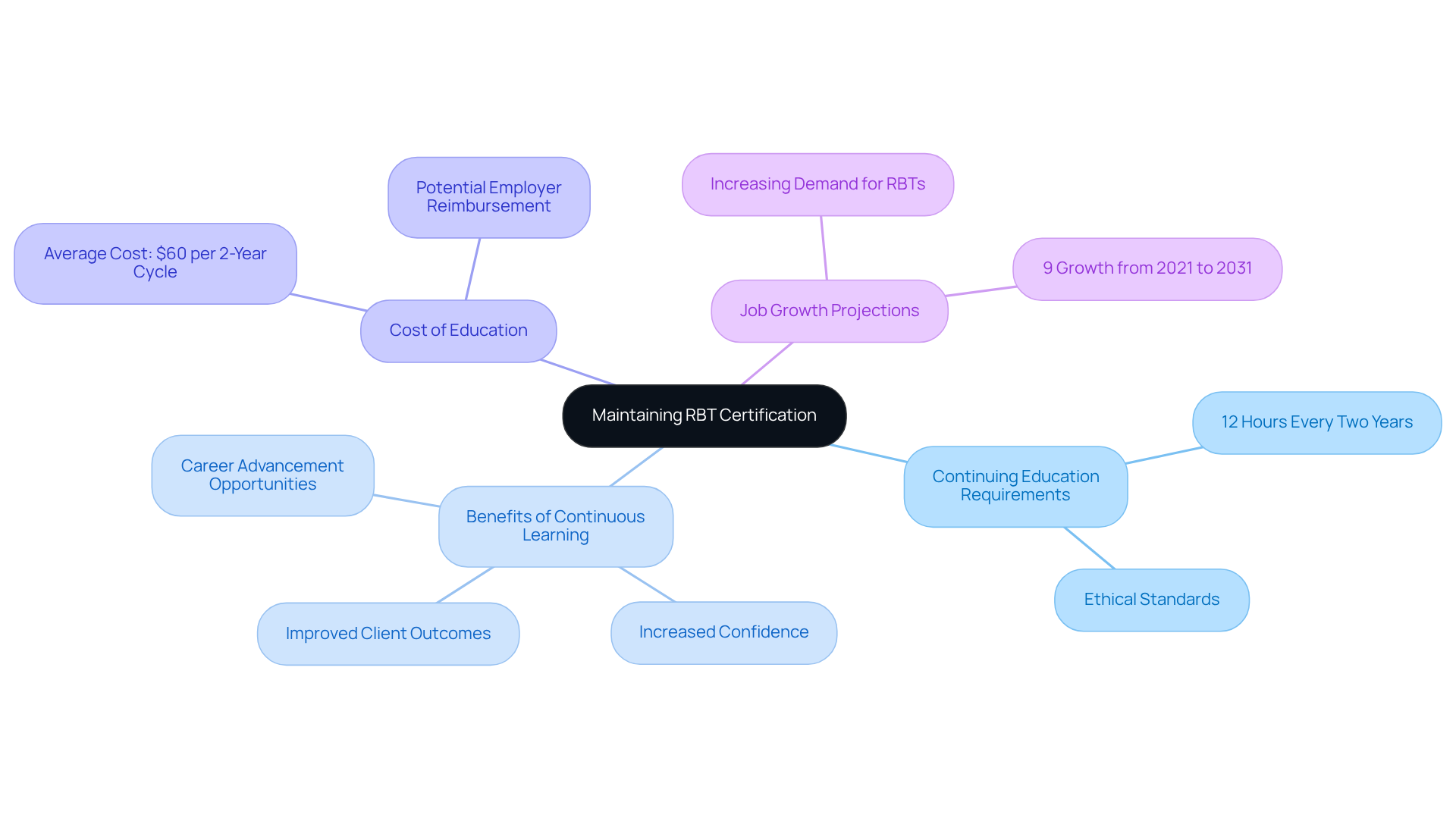
To maintain , professionals are required to complete 12 hours of every two years. This requirement is crucial, ensuring that registered behavior technicians stay current with the . Continuous learning not only enhances their skills but also significantly improves the quality of care they provide to clients.
Consider this: ongoing education can lead to in implementing . With the average around $60 per 2-year cycle, it’s a manageable investment for professionals dedicated to their growth.
Moreover, with a projected job growth rate of 9% for , the importance of and continuous education cannot be overstated in this rapidly evolving field. As emphasized in the field, "Every moment in therapy is a moment that matters," highlighting the necessity for behavior technicians to be well-equipped to support their clients effectively.
This ultimately leads to , reinforcing the idea that "Progress may be slow, but it’s still forward." By prioritizing continuous education, RBTs can ensure they are delivering the highest standard of care, which is essential in a field that is advancing at such a rapid pace. Are you ready to invest in your professional development and enhance your impact in the field?
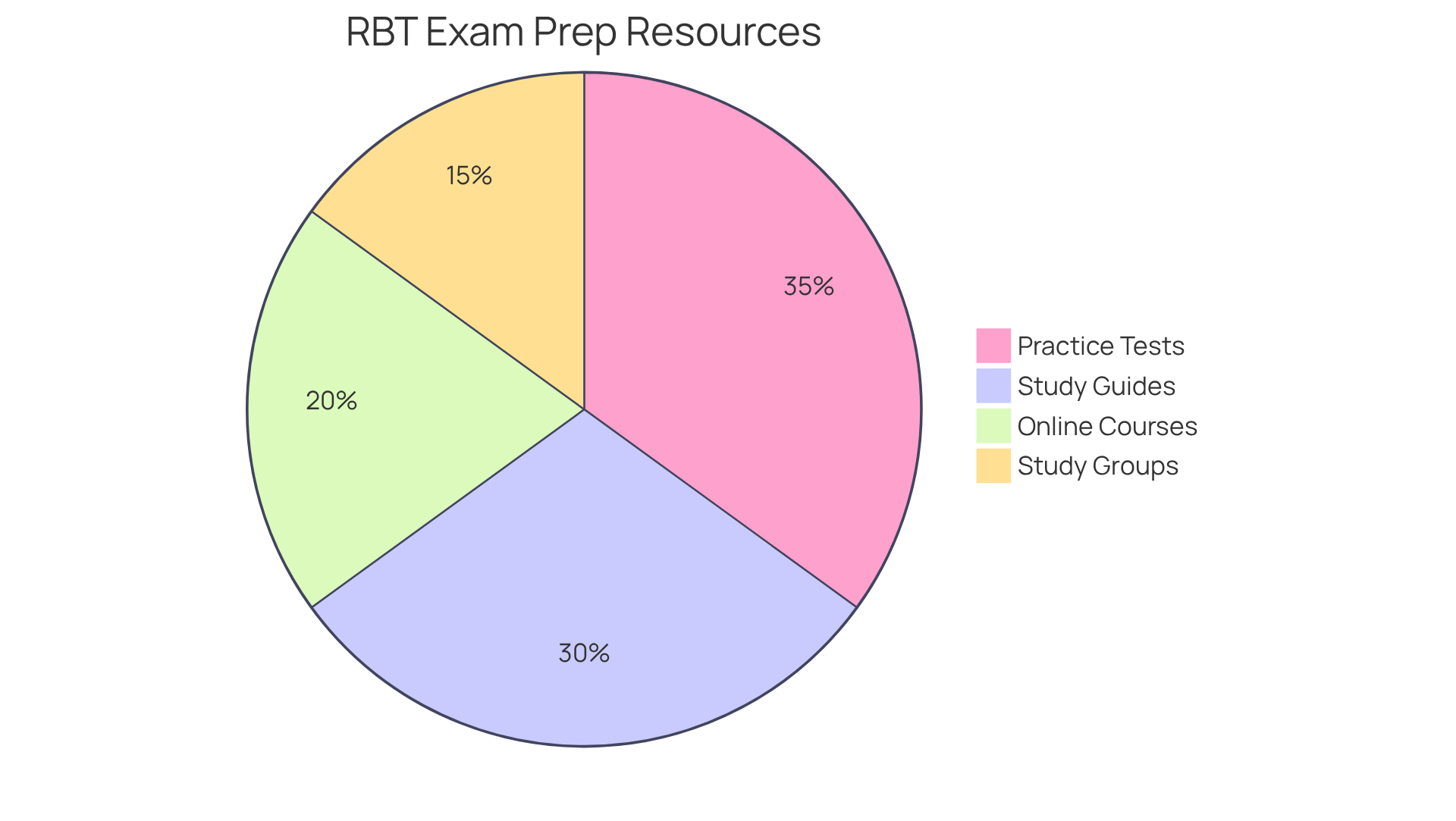
Candidates preparing for the can significantly enhance their chances of success by utilizing a range of resources, including study guides, practice tests, and online courses. Did you know that the in 2023? This statistic underscores the importance of organized . Comprehensive materials customized to the are available from reputable sources such as the Behavior Analyst Certification Board (BACB) and various for individuals seeking .
Statistics suggest that candidates who utilize , like , experience enhanced results. In fact, five programs achieved this year. Additionally, the , providing a broader context for these success rates. Have you considered how joining study groups or online forums can provide essential support and motivation? These collaborative environments help candidates remain focused and engaged in their preparation.
Effective study methods are vital for mastering the RBT Task List, which candidates need to comprehend thoroughly to successfully obtain the with a score of at least 200 out of 250 points. Reviewing difficult subjects from the 40-hour training program and using trustworthy study materials can make a significant difference. Furthermore, candidates should be aware that if they do not pass the RBT assessment on their first attempt, they can retake it after a 45-day waiting period.
Incorporating these strategies and resources will significantly improve overall exam readiness. Are you ready to take your preparation to the next level?
must adhere to a stringent (BACB). This code highlights the critical , respect, and professionalism in every interaction with clients, families, and colleagues. Are you aware of how these can significantly impact the quality of services provided? RBTs bear the responsibility of ensuring their practices are rooted in , all while safeguarding client confidentiality and honoring the dignity of each individual.
Adhering to these is not just a formality; it’s essential for that effectively meet client needs. The BACB emphasizes that ethical conduct is foundational to the practice of ABA. Ongoing training and strict adherence to these principles are crucial for maintaining and accountability in the field.
Consider the implications of ethical practices in your hiring process. How can you ensure that your team is equipped to uphold these standards? By prioritizing ethical conduct, you not only enhance the reputation of your practice but also foster a culture of excellence that benefits everyone involved.

The significance of RBT certification in Massachusetts is paramount, serving as a critical credential for professionals in Applied Behavior Analysis (ABA). This certification not only validates the skills and knowledge of Registered Behavior Technicians but also enhances the quality of care provided to clients, ultimately benefiting the entire ABA community.
With the demand for RBTs on the rise, it’s essential to recognize the value of proper training and structured preparation to navigate the certification process successfully. Ethical standards and continuous education are vital for maintaining high-quality services in ABA therapy. Platforms like Hire ABA emerge as invaluable resources for employers seeking to connect with qualified candidates efficiently.
As the job market for RBTs continues to grow, both aspiring technicians and employers must prioritize RBT certification and ongoing professional development. Investing in training, utilizing effective study resources, and adhering to ethical practices ensures the delivery of exceptional ABA services that truly make a difference in clients' lives.
Are you facing challenges in hiring qualified RBTs? Embracing these insights not only enhances individual careers but also contributes to the overall advancement of the ABA field in Massachusetts. Leverage Hire ABA to streamline your recruitment process and connect with the best talent in the industry.
What is Hire ABA and how does it benefit job seekers and employers in Massachusetts?
Hire ABA is a platform that connects Board Certified Behavior Analysts (BCBAs) and Registered Behavior Technicians (RBTs) with job opportunities in Massachusetts. It uses advanced algorithms to match job seekers with positions that align with their skills and career goals, simplifying the hiring process for employers and boosting employment rates for RBTs.
What is the projected demand for BCBAs in the coming years?
The demand for BCBAs is expected to increase by 12% to 22% over the next decade, indicating a growing need for qualified professionals in the field.
What is RBT certification and why is it important in Massachusetts?
RBT certification is a credential for Registered Behavior Technicians, governed by the Behavior Analyst Certification Board (BACB). It ensures that individuals have received extensive training and demonstrated competency in delivering effective behavioral interventions, making them valuable assets to ABA teams.
What is the pass rate for first-time RBT certification candidates in Massachusetts?
The pass rate for first-time candidates of RBT certification in Massachusetts is approximately 80%, reflecting the rigorous preparation required to achieve certification.
What is the average salary for ABA therapists in Massachusetts?
The average salary for ABA therapists in Massachusetts is around $70,000 per year.
What is the significance of the 40-hour training course for RBT certification?
The 40-hour training course is essential for understanding the core principles of Applied Behavior Analysis (ABA) and is a requirement for achieving RBT certification. It covers critical topics such as ethics, data collection, and behavior intervention strategies.
How can candidates choose the right training program for RBT certification?
Candidates should select accredited programs that meet the criteria set by the BACB and have a high first-time pass rate. Programs with an 80% or higher pass rate are particularly effective in preparing candidates for the certification assessment.
What role does quality education play in achieving RBT certification success?
Quality education is crucial for preparing candidates for the RBT certification exam. The rigor and accreditation of training programs significantly impact the readiness and competency of aspiring behavior technicians.
Our expert recruitment strategies and AI-driven sourcing ensure that you receive top-notch candidates quickly, without compromising on quality. Whether you’re looking for BCBAs, Clinical Directors, or RBTs, we’ve got you covered.


