


Thank you! Your submission has been received!
Oops! Something went wrong while submitting the form.
November 18, 2025

In the dynamic field of Applied Behavior Analysis (ABA) therapy, the demand for effective discrimination strategies is skyrocketing. In fact, job opportunities for Board Certified Behavior Analysts (BCBAs) are projected to rise by an impressive 25% by 2026. This surge highlights the critical need for practitioners to enhance their skills and adapt their methods to meet the unique needs of each learner.
So, how can BCBAs ensure their strategies are both effective and adaptable? This article explores ten key strategies that not only enrich the learning experience but also empower practitioners to navigate the complexities of discrimination training. By uncovering the answers to this pressing question, we can transform the outcomes of ABA therapy and significantly improve the lives of those we serve.
As you reflect on your current hiring challenges, consider how Hire ABA can address these issues. With our platform, you can connect with qualified candidates who are ready to make a difference in the field. Don't miss out on the opportunity to enhance your team and improve the quality of care you provide.
Did you know that the demand for is projected to increase by a staggering 25% by 2026? In this , finding the right can be a challenge. That's where Hire ABA comes in.
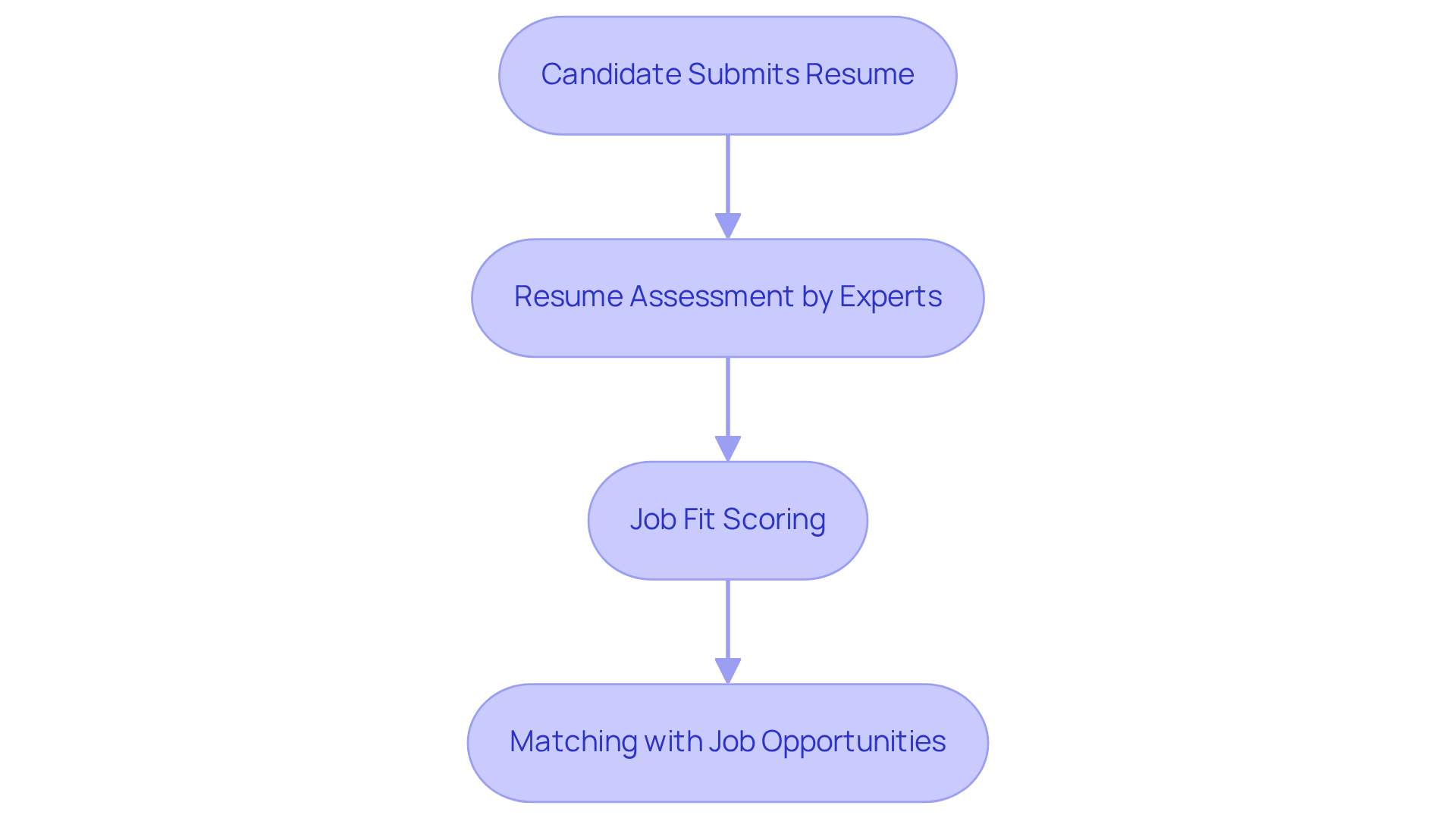
Hire ABA is a specialized recruitment platform designed to connect BCBAs with top-tier . We , ensuring that qualified professionals can easily find roles that align with their expertise and career aspirations. Our personalized allow candidates to submit their resumes for evaluation, where our expert team assesses their experience and career goals.
But we don’t stop there. By utilizing , we identify opportunities that match candidates' skills, preferences, and desired locations. This comprehensive support significantly enhances candidates' chances of securing desirable positions in a competitive job market.
Are you ready to take the next step in your career? Let Hire ABA be your partner in navigating the job market and finding the perfect fit for your skills and aspirations.
(SDs) are essential cues that signal the availability of reinforcement for specific behaviors. In the realm of training, these stimuli play a pivotal role in guiding learners toward . Have you ever considered how a simple verbal prompt or visual cue can indicate to a child that a particular response will be rewarded? This understanding is crucial for .
By effectively utilizing , can significantly enhance the . This approach not only makes learning more efficient but also more targeted. Imagine the impact on a when they clearly understand which behaviors lead to reinforcement. The strategic use of SDs can transform the , fostering a deeper comprehension of desired behaviors.
As you reflect on your current hiring challenges, consider how the right strategies can address these issues. The implementation of discriminative stimuli is just one example of how can lead to success in . Are you ready to elevate your practice and ensure that your learners achieve their full potential? Embrace the power of discriminative stimuli and watch as the learning process flourishes.

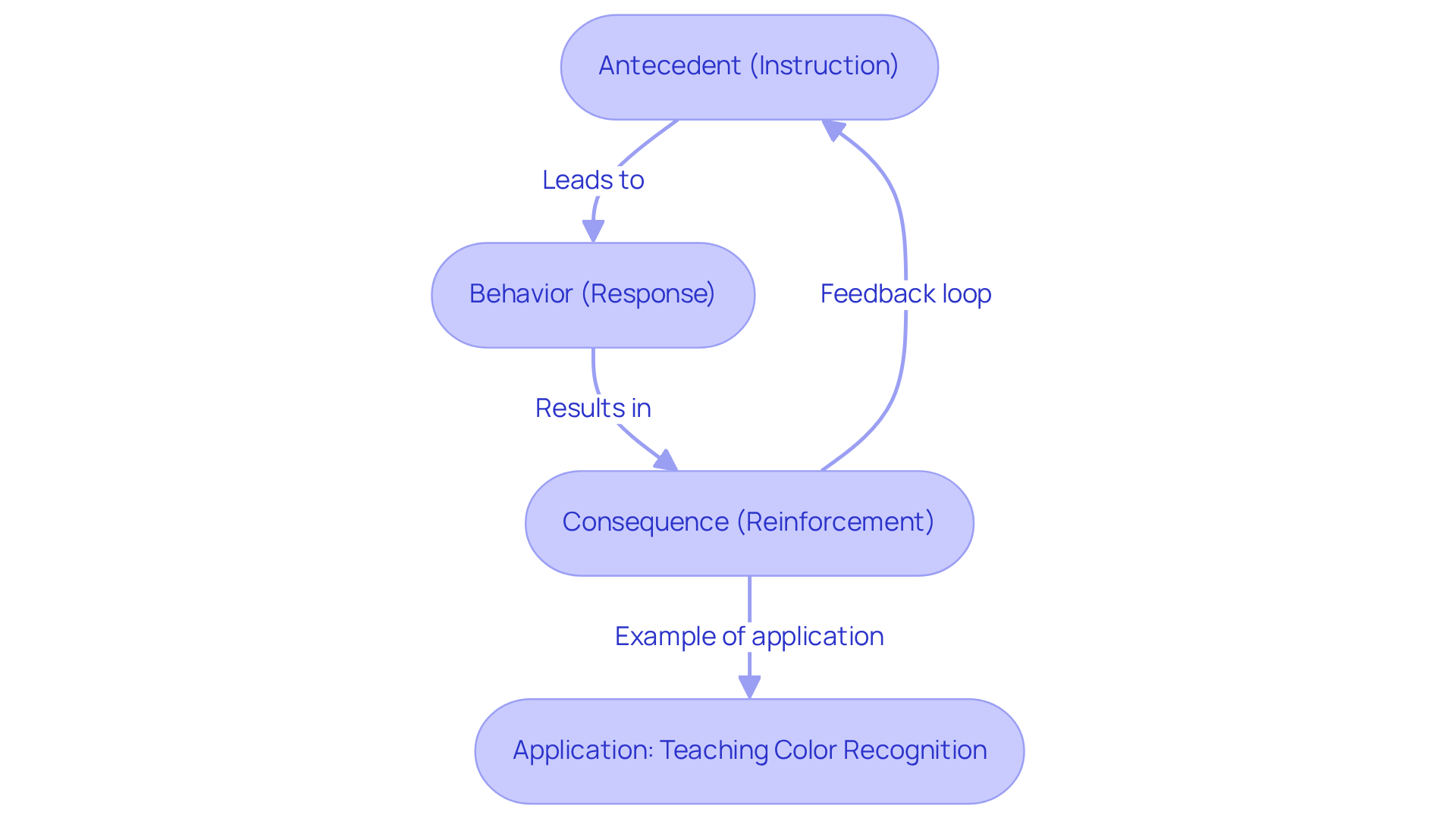
stands out as a highly organized instructional approach, breaking down complex abilities into smaller, manageable elements. This method is particularly effective for teaching . Each trial adheres to a systematic sequence: an antecedent (instruction), a behavior (response), and a consequence (reinforcement). Such organization enables continuous practice and prompt feedback-both essential for .
Consider this: a might employ DTT to teach a young learner how to distinguish between colors. By presenting various colored cards and providing positive reinforcement for correct identifications, the BCBA creates a structured learning environment. Studies indicate that . This statistic underscores DTT's efficacy not only in fostering language growth but also in improving discernment abilities.
Moreover, , crucial for individuals with to thrive. It helps lower anxiety and enhances engagement. The real-life applications of DTT extend beyond color recognition; it can also assist children in distinguishing between shapes, sounds, or even social cues, thereby promoting their overall , which is important in combating discrimination ABA.
To effectively implement DTT, healthcare employers should prioritize in this method. Ensuring that they have the necessary resources to create a conducive learning environment is vital. Are you facing challenges in hiring qualified professionals? Consider how can elevate your team's capabilities and improve outcomes for your clients.
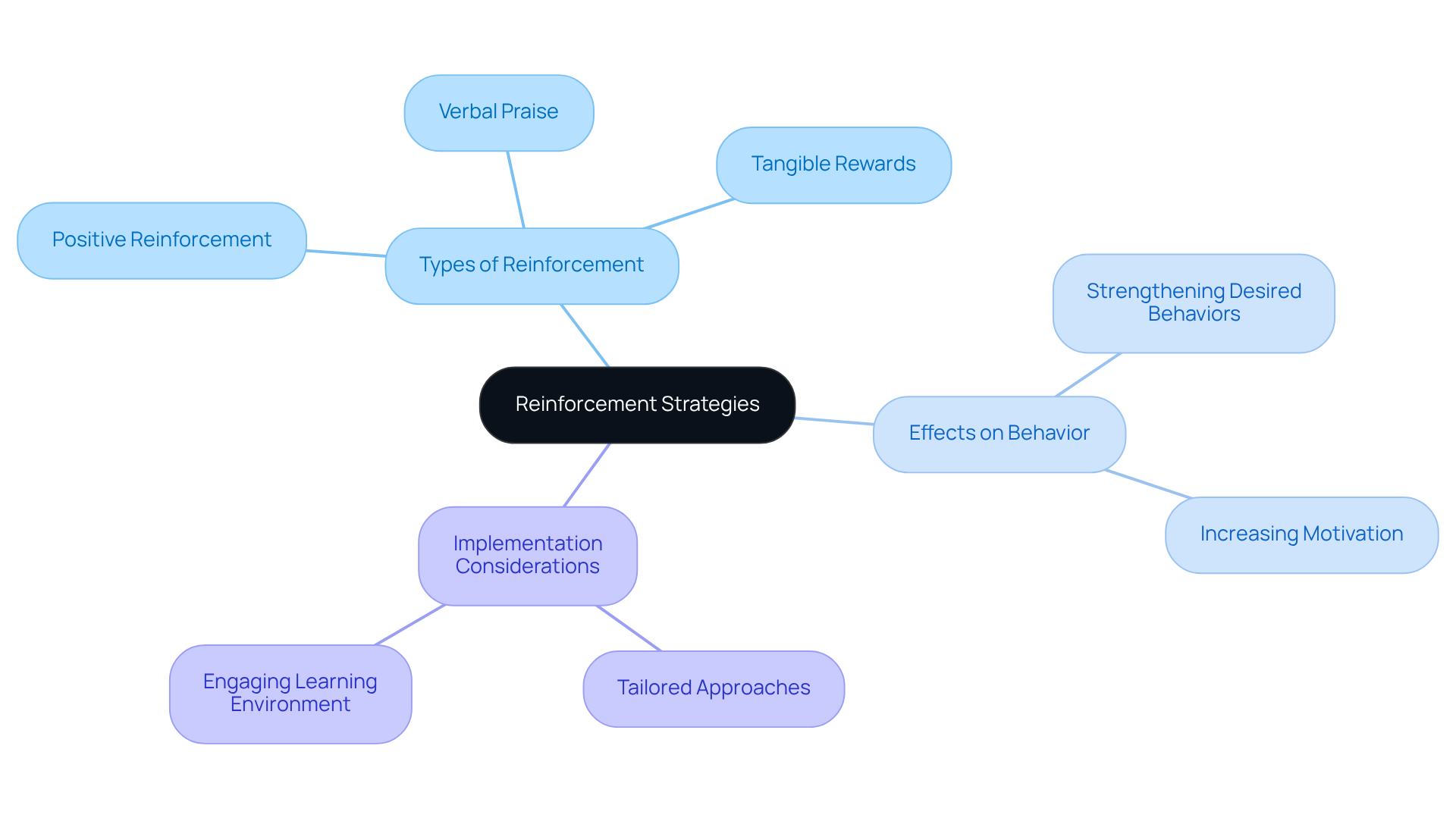
Reinforcement strategies are pivotal in discrimination ABA training, significantly strengthening . Did you know that to engage in the correct behavior? , plays a crucial role in this process. For instance, when a young individual successfully recognizes a , offering prompt praise not only strengthens that behavior but also increases the likelihood of its occurrence in the future.
that resonate with the individual. This maximizes effectiveness and fosters a more . Are you currently facing challenges in implementing ? Consider how a thoughtful selection of methods can transform your training outcomes. By focusing on what truly motivates each learner, you can enhance their engagement and success.
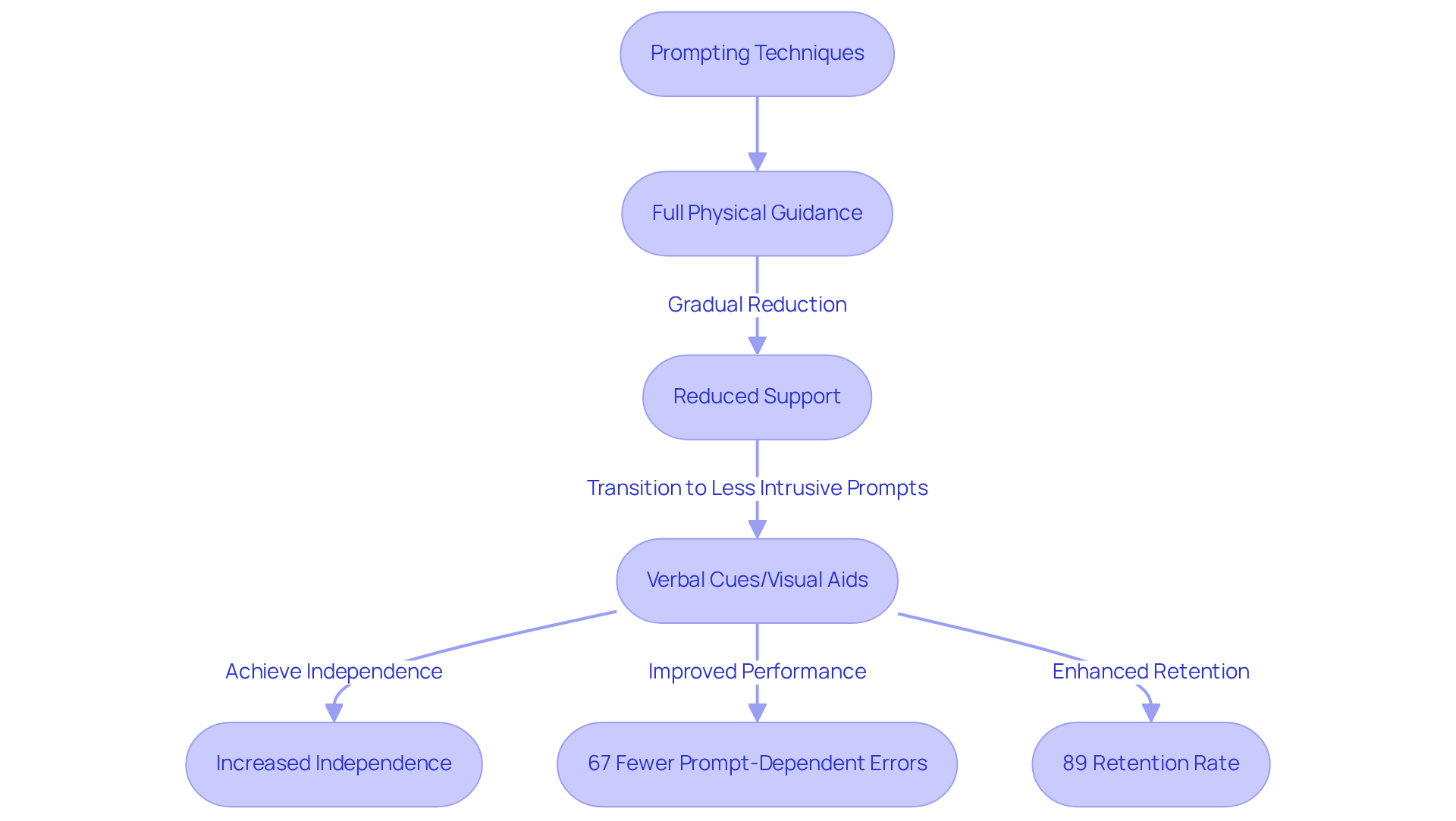
Prompting is an essential technique in , providing cues or assistance to help learners perform desired behaviors. Did you know that the demand for is on the rise? This highlights the importance of in the field. For instance, a BCBA may begin by offering full physical guidance to a young child learning to reach for a toy. As the child gains proficiency, the BCBA gradually reduces this support, transitioning to less intrusive prompts such as verbal cues or visual aids. This systematic approach not only enhances ability acquisition but also fosters independence, a primary goal in .
Research shows that compared to other fading methods. This significant improvement allows learners to engage with tasks more autonomously. Furthermore, studies indicate that at six-month follow-ups, compared to only 45% for abilities taught with persistent prompting. By employing these strategies, practitioners can ensure that learners not only master specific abilities but also apply them in various contexts, ultimately resulting in greater independence and an .
Moreover, , . This underscores the in the learning process. Are you facing challenges in hiring qualified BCBAs? Consider how can address these issues and enhance your team's capabilities.
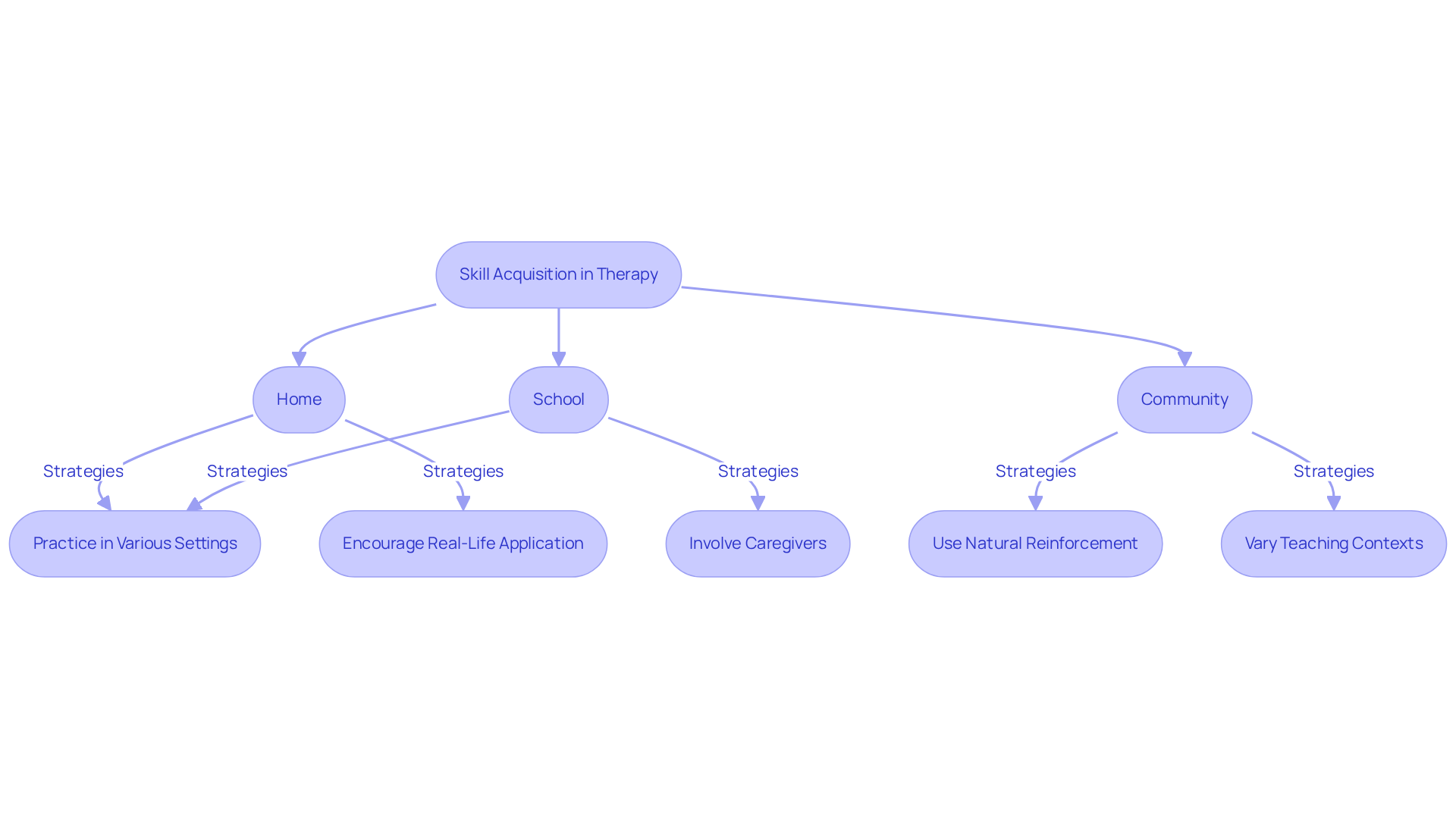
Ability generalization is a critical concept in the realm of , referring to the capacity of learners to apply to various situations. It is essential that are not only developed in a controlled environment but also effectively utilized in everyday life. For example, consider a child who learns to identify colors during therapy; this child should be able to recognize those same colors in their home or school settings.
play a pivotal role in promoting in which skills are taught. By encouraging practice across multiple settings, they ensure that learners can transfer their skills beyond the therapy room. Are you currently facing challenges in ensuring that your clients can generalize their skills effectively?
Utilizing not only enhances the effectiveness of therapy but also helps , empowering learners to navigate their environments with confidence. This approach underscores the importance of in the field of .
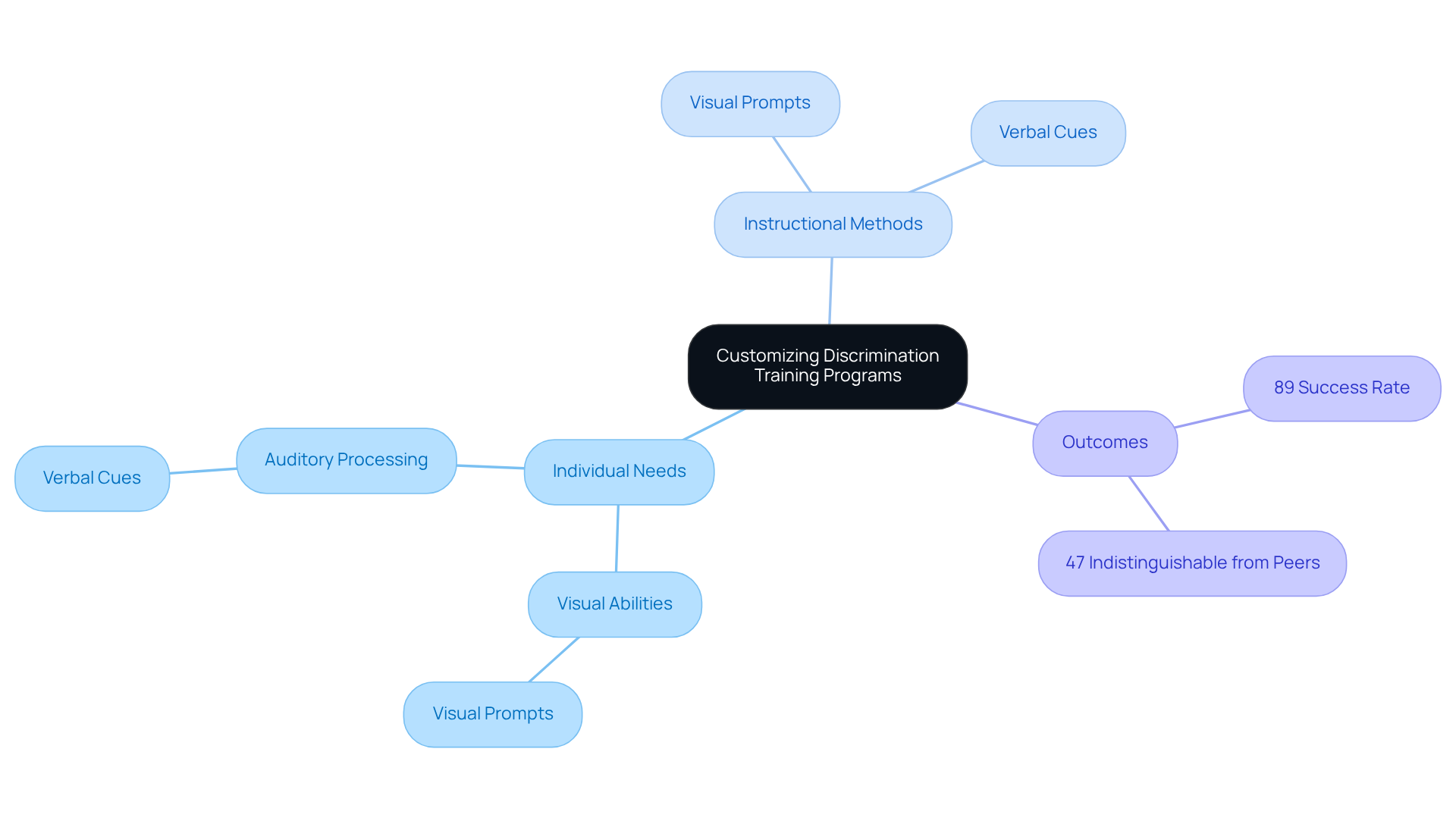
Evaluating individual needs is crucial for creating in therapy. Did you know that the demand for is at an all-time high? Each learner possesses unique strengths, challenges, and preferences that must be taken into account. BCBAs should perform thorough evaluations to recognize these factors and customize their instructional methods accordingly.
For instance, youngsters with excellent visual abilities may benefit from , while those who thrive in auditory processing might respond more effectively to verbal cues. Research indicates that significantly enhance learning outcomes. In fact, studies show that individuals receiving tailored interventions demonstrate notable improvements in social skills and adaptive behaviors.
Consider this:
Customization not only boosts engagement but also increases the overall effectiveness of the learning process, ensuring that each child receives the support they need to thrive.
As Stephen Covey wisely noted, 'Strength lies in differences, not in similarities.' Moreover, , making it essential to tailor development programs from the beginning. Are you ready to enhance your hiring process and ensure that your organization has the best talent? can help you address these challenges effectively.
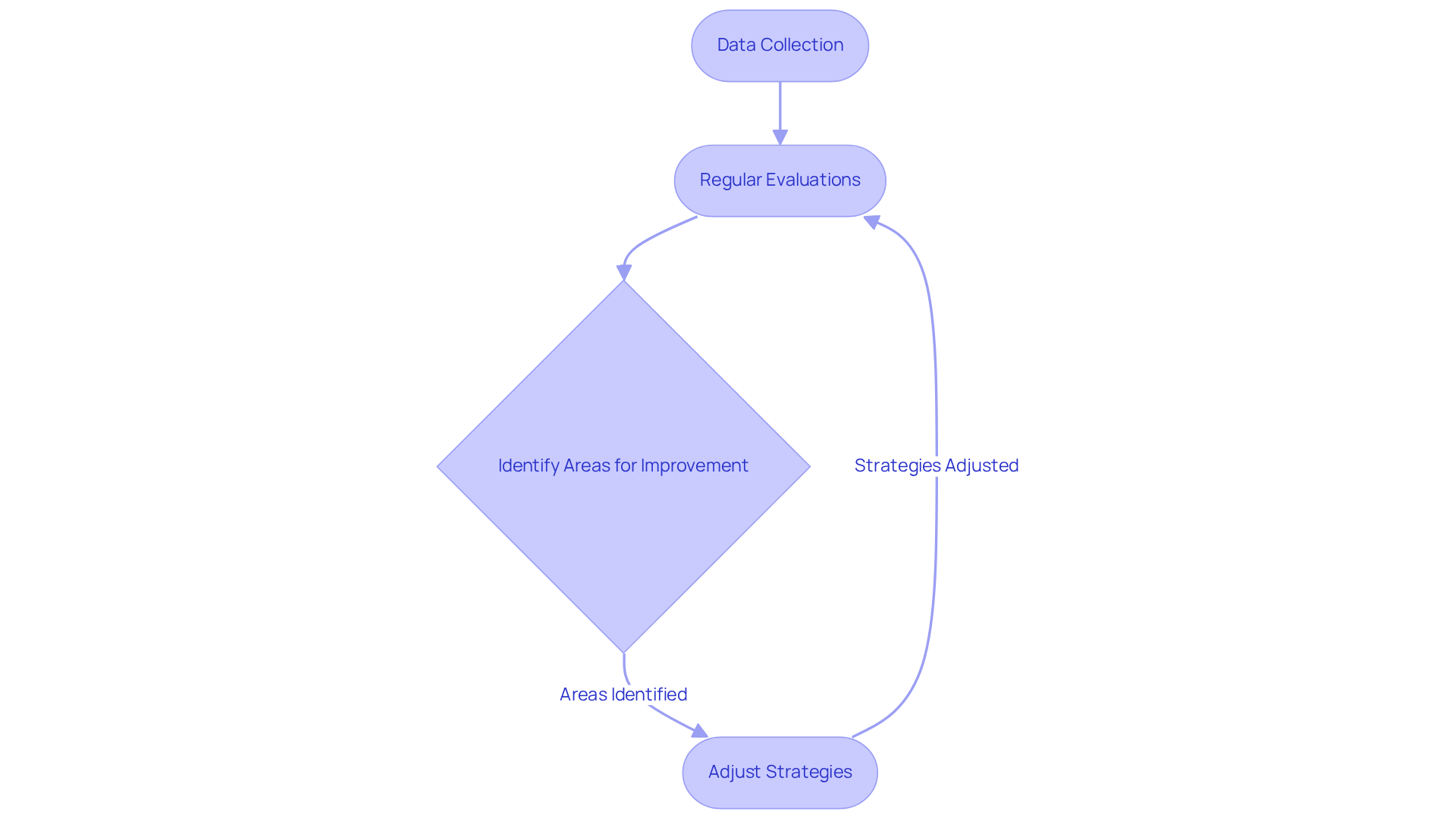
Efficient oversight of progress in bias education is paramount. Did you know that the demand for is on the rise? This highlights the critical need for effective , which are .
BCBAs must conduct regular evaluations of learners' performance. This enables prompt modifications to instructional strategies. For instance, if a child struggles with a specific identification task, the BCBA can swiftly adjust prompts or reinforcement methods to enhance support. This adaptive approach not only aligns development with the individual's evolving needs but also optimizes learning outcomes.
Statistics reveal that on . Consider quantifiable targets, such as increasing eye contact during discussions from 10% to 50% within three months. This illustrates the profound impact of .
further underscore its value. A BCBA might track a child's ability to differentiate between similar objects, adjusting the approach based on recorded performance metrics. Additionally, , streamlines the data collection process.
Such evidence-based practices, supported by systematic documentation and collaborative evaluation, ensure that interventions are tailored to maximize each learner's potential. Are you ready to enhance your bias education strategies? Embrace organized data practices to unlock the full potential of your learners.
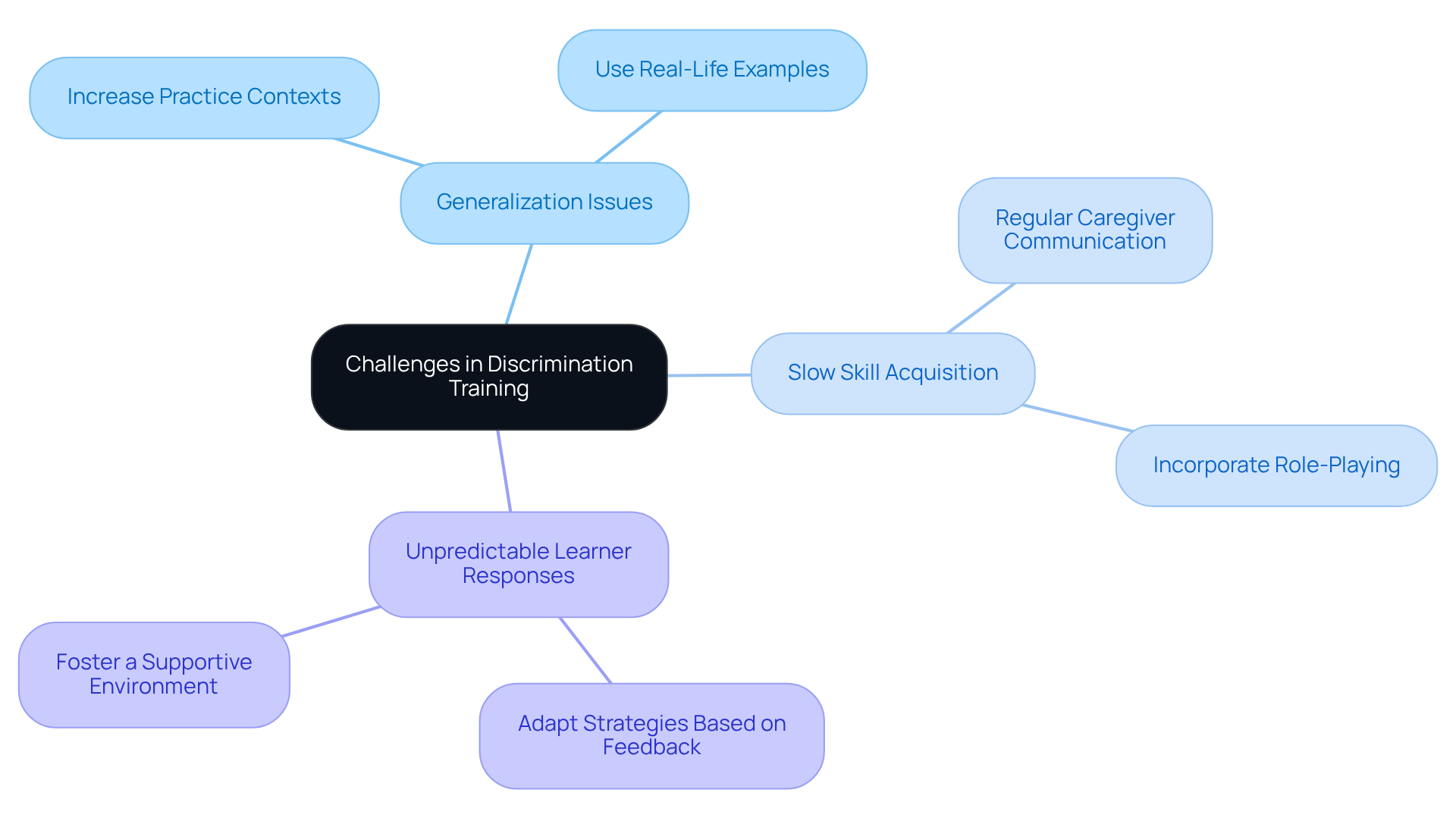
often encounters significant challenges, including , slow skill acquisition, and unpredictable learner responses. These obstacles demand from to ensure successful outcomes. For instance, when a learner struggles to , increasing the variety of contexts in which these skills are practiced can be particularly beneficial. This approach not only reinforces learning but also empowers the learner to apply skills across different situations.
Moreover, is essential. Caregivers offer invaluable insights into the learner's progress and challenges beyond therapy sessions, enabling BCBAs to adapt their strategies effectively. This collaborative approach fosters a that enhances the effectiveness of discrimination training.
Consider real-life examples that demonstrate the success of these strategies. A BCBA working with a child who had difficulty generalizing social skills found that incorporating in diverse settings - such as at home, in the community, and during therapy - significantly improved the child's ability to use these skills in real-world situations. By addressing common challenges with targeted solutions, BCBAs can significantly enhance the overall effectiveness of .
in therapy is crucial for equipping learners with the . This instruction empowers individuals to distinguish between various stimuli and respond appropriately, which is vital for enhancing communication, social skills, and decision-making abilities. Research shows that can lead to a significant reduction in tantrums and an increase in communication efforts among children with autism spectrum disorder (ASD).
However, common pitfalls in bias training, such as inconsistent reinforcement and insufficient prompting, can impede progress. play a pivotal role in implementing tailored strategies that not only promote greater independence but also improve the overall functioning of their clients in daily life. Practitioners must ensure consistency in the size of targets during listener-responding programs to prevent irrelevant influences on learning.
Real-world applications of these techniques highlight their effectiveness. For instance, children with Angelman syndrome have demonstrated increased social approach behaviors when trained using . By concentrating on the and ensuring consistent reinforcement, practitioners can foster a supportive learning environment that encourages skill generalization across various settings.
Moreover, conducting can help identify faulty sources of stimulus control, thereby enhancing learning outcomes. Ultimately, a commitment to is a key factor in achieving for individuals in . Are you ready to elevate your practice and ensure the best outcomes for your clients?

The demand for Board Certified Behavior Analysts (BCBAs) is skyrocketing, highlighting the urgent need for effective discrimination training within ABA therapy. By employing techniques such as discriminative stimuli, Discrete Trial Training (DTT), and customized reinforcement methods, BCBAs can significantly enhance their clients' learning experiences. These strategies not only facilitate skill acquisition but also promote independence and real-world application, ultimately leading to improved outcomes for individuals with diverse needs.
Consider this: Are your current training programs tailored to meet the unique needs of each learner? Customizing training is essential, as is the systematic monitoring of progress to adapt strategies for optimal results. Collaboration between BCBAs and caregivers is crucial in overcoming common challenges. By implementing these strategies, practitioners can create a supportive and effective learning environment that fosters skill generalization and empowers learners to navigate their surroundings confidently.
As the demand for skilled professionals in ABA therapy continues to rise, embracing effective discrimination strategies becomes increasingly vital. Investing in training and recruitment efforts can transform practices and enhance the quality of care provided to individuals in need. The commitment to excellence in discrimination training not only enriches the lives of clients but also elevates the entire field of ABA therapy.
Are you ready to take action? By prioritizing effective discrimination training, you can pave the way for a brighter future for all involved. Embrace these strategies and watch as they transform your practice and the lives of those you serve.
What is Hire ABA?
Hire ABA is a specialized recruitment platform designed to connect Board Certified Behavior Analysts (BCBAs) with top-tier job opportunities in the field of Applied Behavior Analysis (ABA) therapy.
How does Hire ABA assist job seekers?
Hire ABA streamlines the hiring process by offering personalized resume assessments and utilizing advanced job fit scoring to match candidates with roles that align with their skills, preferences, and desired locations.
What is the projected demand for BCBAs by 2026?
The demand for Board Certified Behavior Analysts (BCBAs) is projected to increase by 25% by 2026.
What are discriminative stimuli (SDs) in ABA training?
Discriminative stimuli (SDs) are cues that signal the availability of reinforcement for specific behaviors, guiding learners toward positive outcomes in ABA training.
How do discriminative stimuli enhance learning?
By effectively utilizing discriminative stimuli, BCBAs can make learning more efficient and targeted, helping learners understand which behaviors lead to reinforcement.
What is Discrete Trial Training (DTT)?
Discrete Trial Training (DTT) is a structured instructional approach that breaks down complex skills into smaller, manageable elements, facilitating effective teaching of discrimination ABA techniques.
How does DTT work in practice?
DTT follows a systematic sequence of an antecedent (instruction), behavior (response), and consequence (reinforcement), allowing for continuous practice and prompt feedback.
What are the benefits of using DTT in teaching?
DTT can lead to significant improvements in language outcomes and overall cognitive and social development for individuals with Autism Spectrum Disorder (ASD).
How can healthcare employers implement DTT effectively?
Healthcare employers should prioritize educating their staff in DTT methods and ensure they have the necessary resources to create a conducive learning environment.
Our expert recruitment strategies and AI-driven sourcing ensure that you receive top-notch candidates quickly, without compromising on quality. Whether you’re looking for BCBAs, Clinical Directors, or RBTs, we’ve got you covered.


