


Thank you! Your submission has been received!
Oops! Something went wrong while submitting the form.
November 18, 2025

The rising demand for Board Certified Behavior Analysts (BCBAs) is undeniable. As the need for effective data collection methods in Applied Behavior Analysis (ABA) grows, momentary time sampling (MTS) has emerged as a leading behavioral assessment strategy. This technique not only streamlines the process for BCBAs but also significantly enhances the accuracy of observations across various settings, from classrooms to therapy sessions.
However, as practitioners increasingly adopt MTS, they may face challenges that could impede its effectiveness. Are you aware of the potential pitfalls that could arise? Understanding these challenges is crucial for BCBAs aiming to leverage this powerful tool effectively. By navigating these obstacles, practitioners can ensure optimal outcomes for their clients.
In this article, we will explore how BCBAs can harness the benefits of MTS while addressing the challenges that come with it. Let’s delve into the strategies that can help you maximize the effectiveness of your behavioral assessments.
Did you know that ? This surge is particularly evident in settings that utilize a for accurate information collection. In this competitive landscape, stands out as a vital resource, for both BCBAs and employers.
At , we specialize in that leverage their expertise in the . Our ensure that your experience and career goals are thoroughly evaluated, allowing us to match you with the best roles available. By employing advanced job fit scoring, we identify opportunities that align with your skills, preferences, and desired locations.
This platform not only enhances job matching but also fosters the across diverse therapeutic settings. Organizations that have successfully integrated methodologies that include a report improved client outcomes and increased operational efficiency. This underscores the value of skilled BCBAs in the field.
With the , particularly in 2025, now is the time to act. ensures that qualified professionals are positioned to meet the evolving needs of the industry. Are you ready to take the next step in your career? Let us help you find the right opportunity that aligns with your expertise.

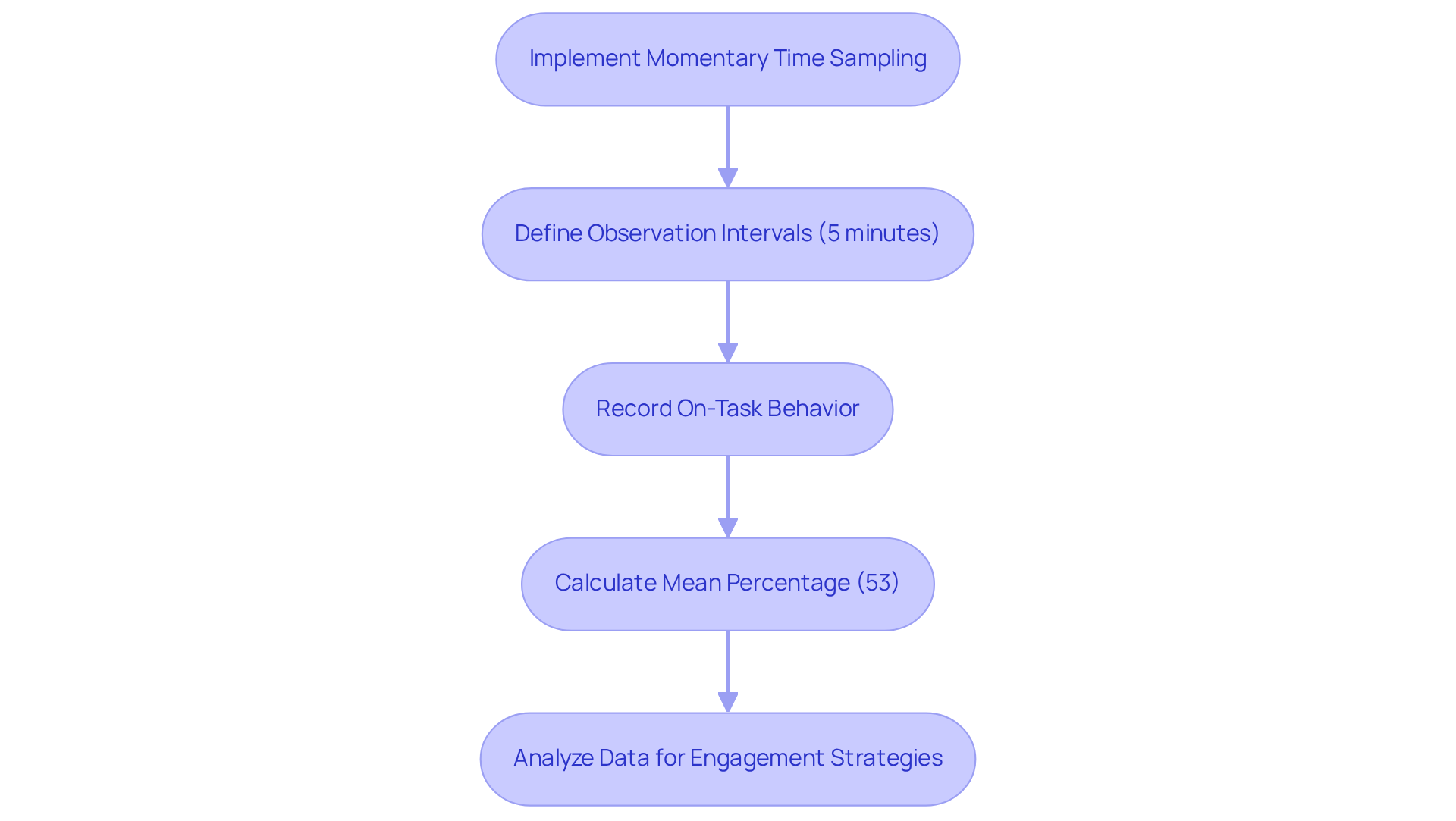
In classroom environments, a stands out as a powerful tool for monitoring student engagement. Did you know that research indicates a mean percentage of on-task activity observed at just 53%, with a range from 35% to 66%? This statistic underscores the importance of .
An example of allows teachers to assess whether students are on-task at the end of each 5-minute interval during a lesson. By meticulously recording the presence or absence of on-task actions, educators gather critical information that informs teaching methods and behavioral interventions. This not only enhances understanding of student actions but also facilitates the development of , ultimately leading to .
The successful implementation of the has been validated across various educational settings, confirming its effectiveness in fostering academic engagement among students. Moreover, MTS is not only effective but also cost-free to implement. , making it an accessible option for educators eager to enhance their teaching practices.
Are you ready to elevate your classroom engagement strategies? Embrace a and witness the positive impact on your students' learning experiences.
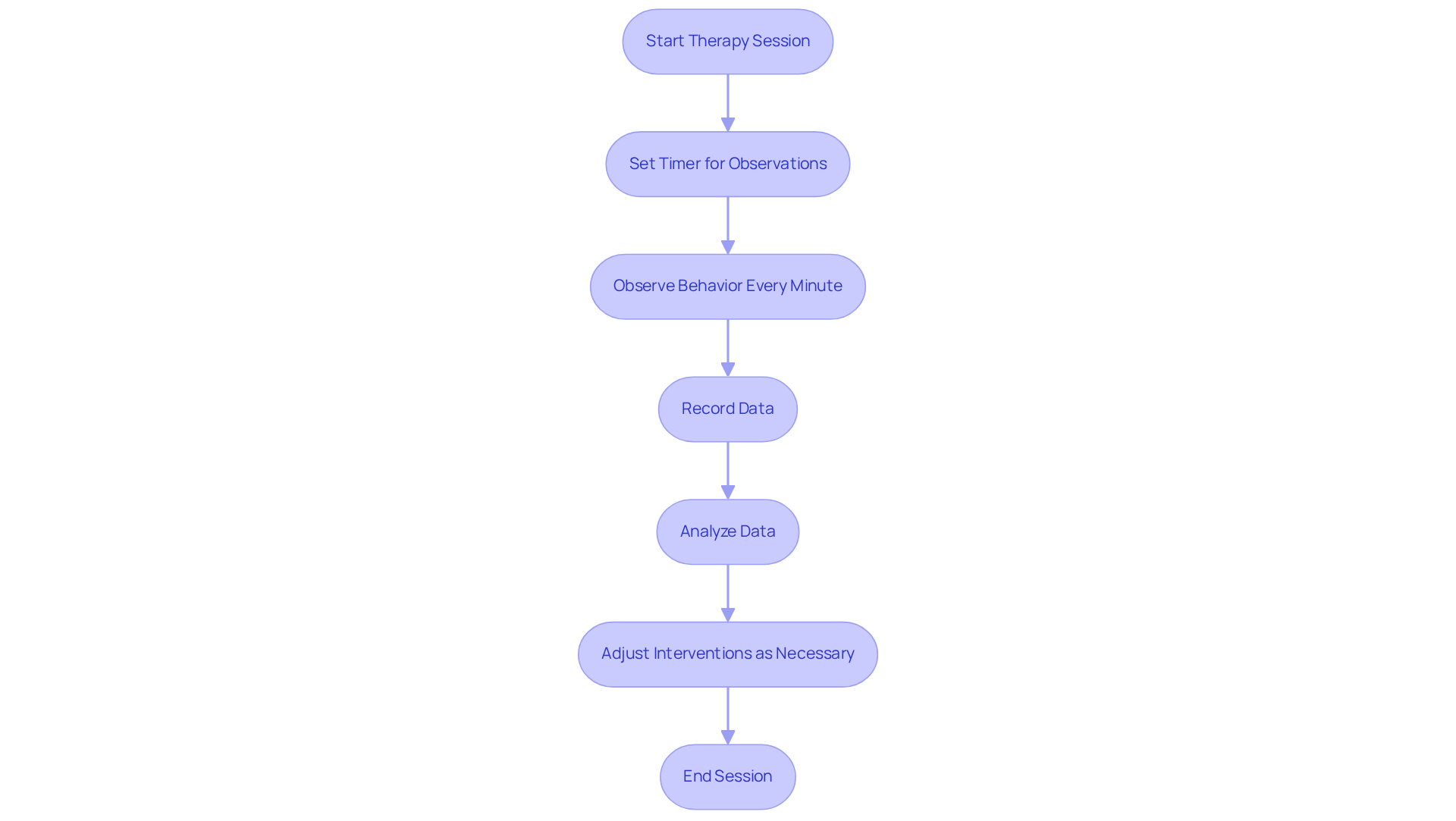
In therapy sessions, a stands out as a , such as compliance and social interactions. Imagine a Board Certified Behavior Analyst (BCBA) checking every minute to see if a child is following instructions or engaging with peers. This method allows therapists to gather crucial information effectively, without the need for constant observation. It simplifies the process of monitoring progress and adjusting interventions as necessary. The is recognized as the most efficient and least time-consuming data collection method in , which is essential in busy therapeutic environments.
Consider the case studies that highlight the effectiveness of a across various settings. One a student's on-task behavior, observing them every five minutes to calculate the percentage of intervals in which they remained engaged. This approach, as a , provided clear insights into the student's progress, enabling . Similarly, an educator employed a , a brief sampling method, to evaluate student involvement during group discussions. This effectively gauged engagement levels and informed instructional strategies.
The efficiency of the proves especially advantageous in organized settings like classrooms, where therapists juggle multiple tasks while still collecting significant data. As BCBA Torres aptly noted, " requires less total time investment, but it can be even trickier to monitor." By implementing a , therapists can effectively capture essential behavioral information without overwhelming their observational capacity. To enhance accuracy, during data collection is advisable.
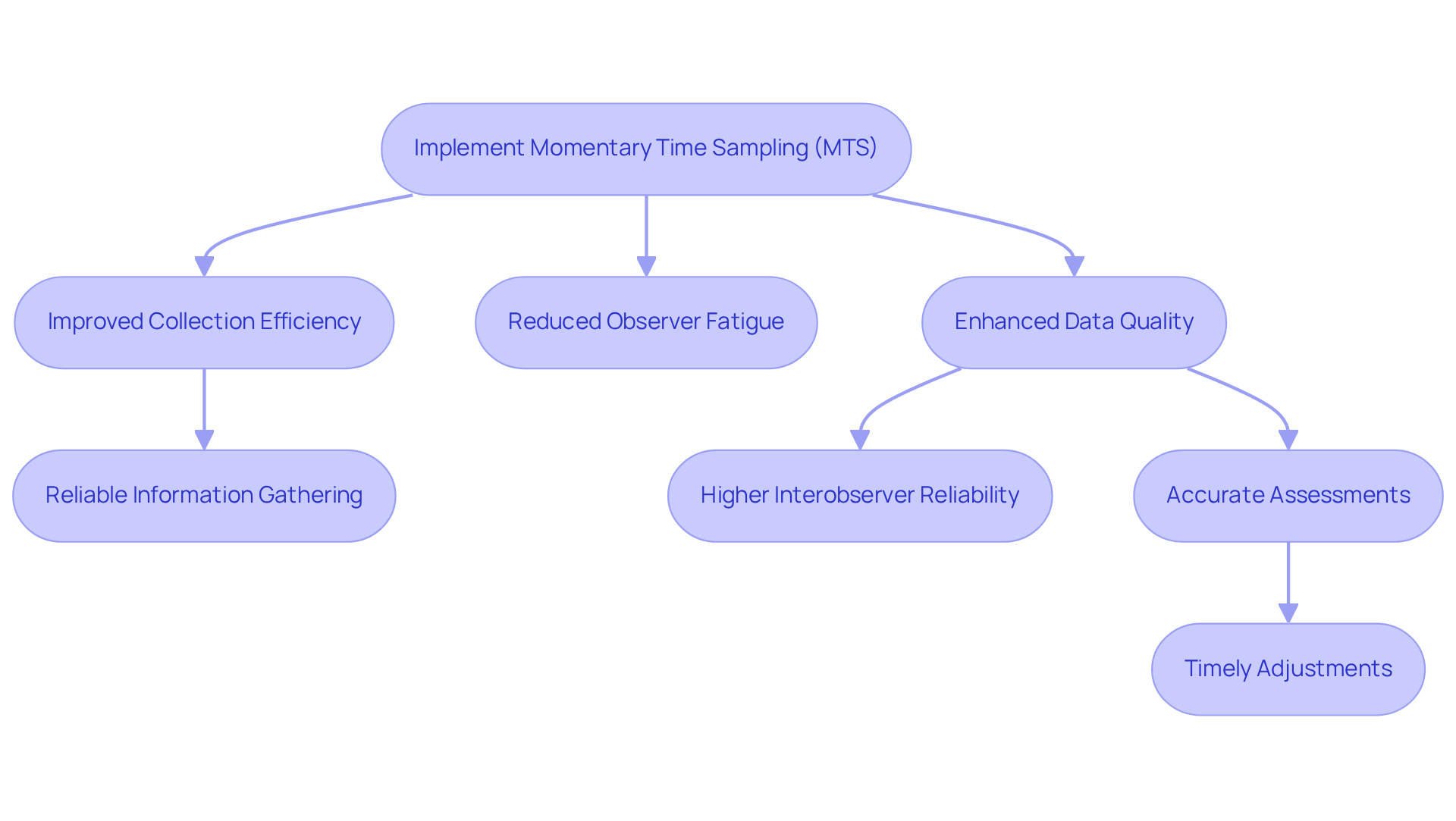
The is revolutionizing the way approach data collection. Did you know that the demand for BCBAs is skyrocketing? With this increased demand comes the need for . MTS serves as a that offers substantial benefits, particularly in while reducing .
By concentrating on specific moments through a rather than engaging in constant observation, without the risk of feeling overwhelmed. This method serves as a , especially effective for tracking , providing clearer insights into behavioral patterns over time.
Research indicates that MTS significantly decreases . Traditional continuous observation techniques often lead to burnout among practitioners, which can compromise the quality of information collected. In contrast, the facilitates intermittent checks, preserving the observer's energy and maintaining high interobserver reliability.
Consider the impact of MTS on treatment plans. Case studies have shown that implementing MTS results in more accurate assessments and timely adjustments, ultimately enhancing the effectiveness of interventions. For instance, one study highlighted how the was instrumental in monitoring on-task behaviors in a classroom setting. This enabled educators to determine the percentage of intervals during which students were engaged, thereby refining their instructional strategies.
In conclusion, MTS stands out as a practical and efficient tool in the arsenal of ABA practitioners. It ensures that data collection remains both manageable and insightful. Are you ready to elevate your ? Embrace MTS and witness the difference it can make in your practice.
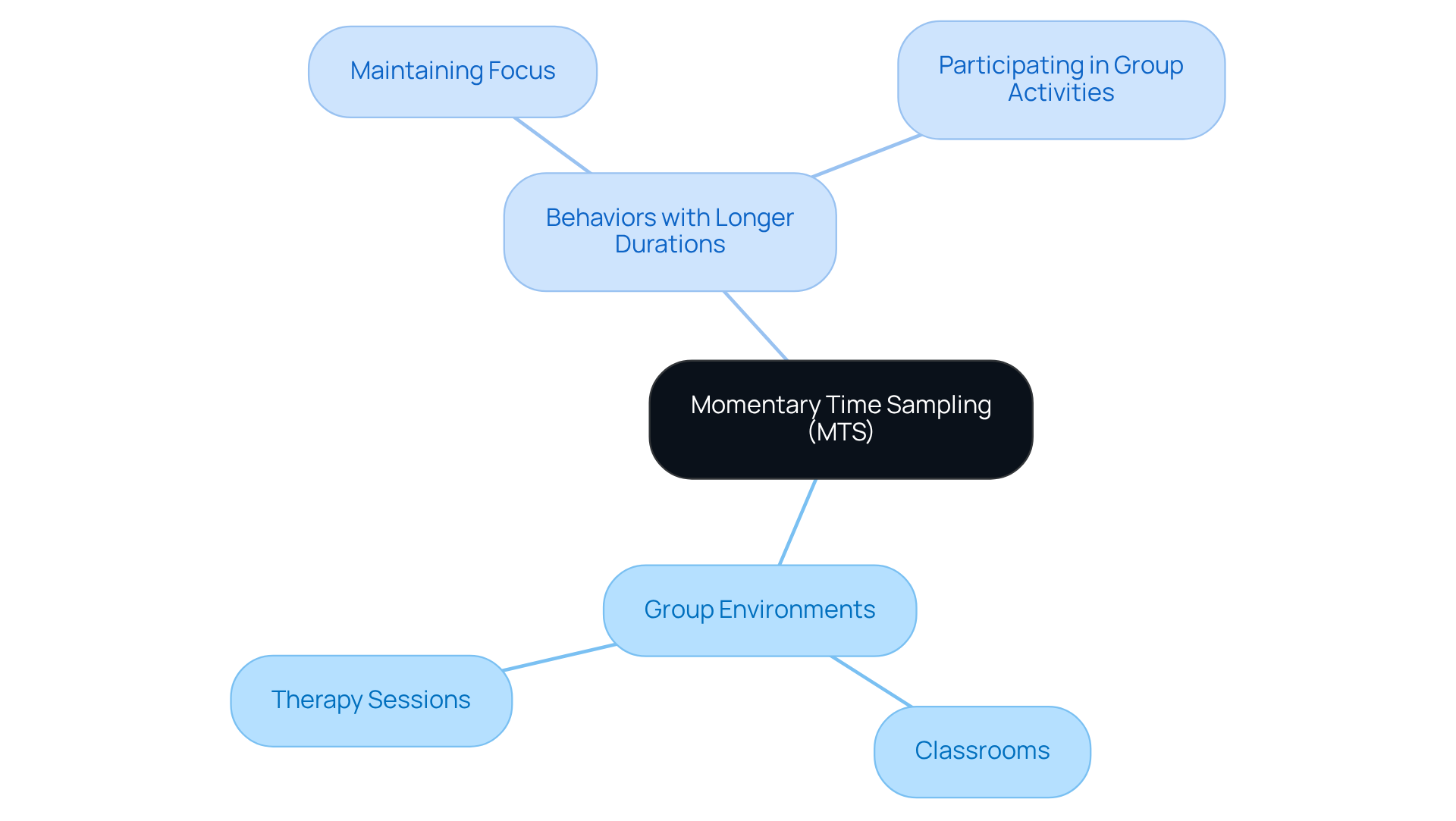
A proves most effective in scenarios where actions are expected to occur frequently, yet continuous observation isn't required. Consider group environments, such as classrooms or therapy sessions, where multiple actions can be monitored simultaneously.
MTS excels particularly for behaviors with longer durations, like maintaining focus on a task or participating in , which serves as a . This method allows for efficient data collection without interrupting the session's natural flow.
Are you facing challenges in observing behaviors effectively? you need to .
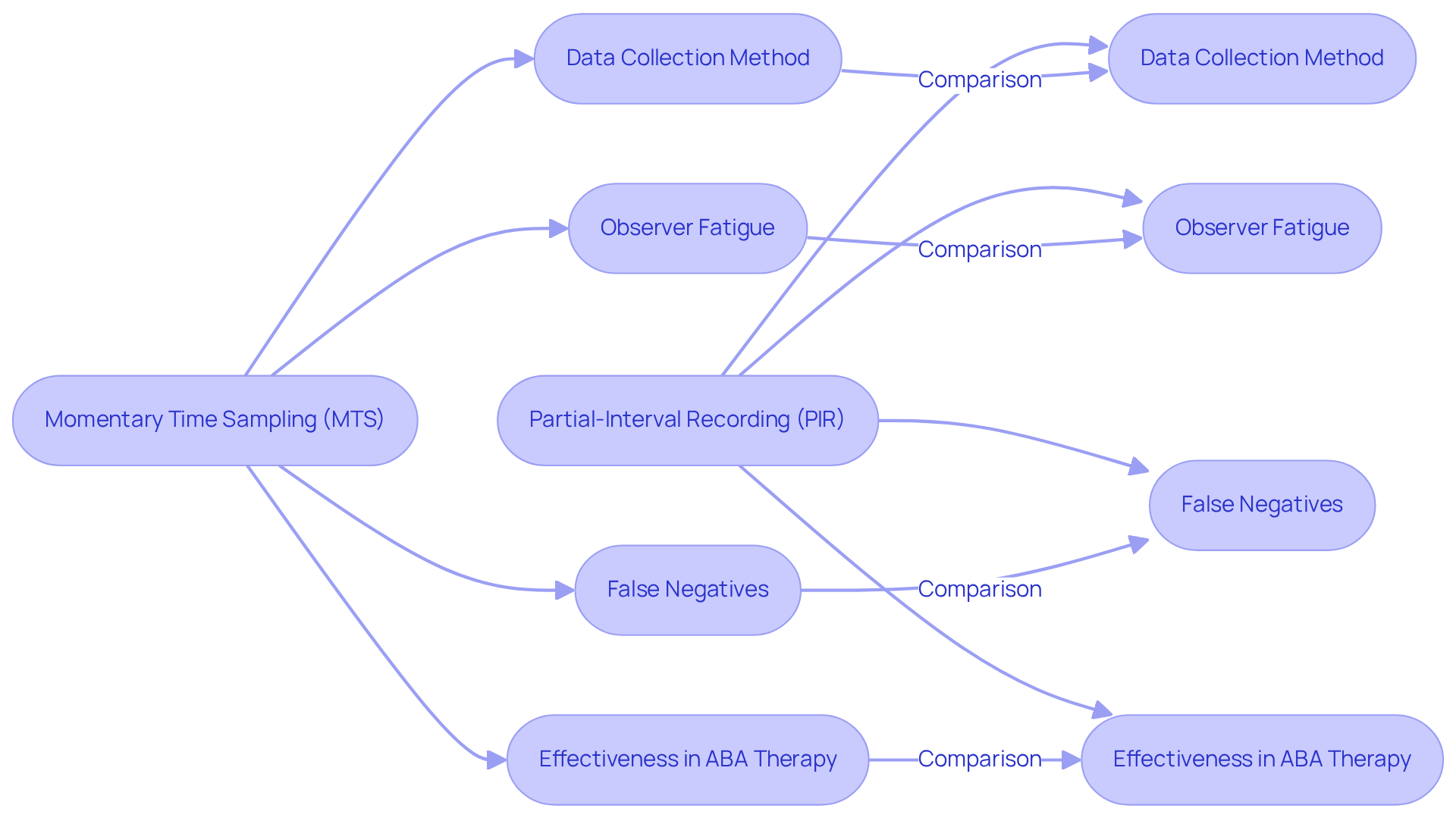
stands out in the realm of by documenting actions solely at the end of a specified interval. In contrast, (PIR) captures occurrences throughout the entire interval. This distinction is crucial, especially in , where a minimizes observer fatigue and enhances the efficiency of .
Research indicates that a generates fewer false negatives than PIR, particularly when it comes to identifying functional relations. This reliability establishes MTS as a dependable option for . For instance, a study involving children with autism revealed that a aligned more closely with continuous duration recordings than PIR, highlighting its effectiveness in accurately estimating activity duration.
Furthermore, analysts recommend MTS over PIR for estimating duration, reinforcing its advantages. This distinction is vital when selecting the appropriate for actions that occur frequently and require precise monitoring.
Overall, MTS offers a of a streamlined approach to in , ensuring that essential actions are monitored effectively without overwhelming the observer. Are you ready to enhance your ? Consider the benefits of adopting MTS in your practice.
To effectively implement a in , must adhere to several best practices that enhance the reliability of their . Did you know that the demand for BCBAs is at an all-time high? This makes it crucial for professionals in the field to ensure their methods are both effective and trustworthy.
By adhering to these strategies, BCBAs can significantly enhance their and ultimately improve treatment results for clients in . Are you ready to elevate your practice and ensure the highest standards in your work?

A significant case study involving a child with autism highlights the effectiveness of a in monitoring engagement during therapy sessions. The observed the child at 30-second intervals, meticulously recording participation in activities. Over a 12-week period, the data revealed a remarkable increase in , with the child achieving on-task behavior criteria of 60% or more during sessions. This improvement prompted the BCBA to , further enhancing the child's participation and overall progress.
Establishing daily mastery standards, such as maintaining focus for 60% of the session, can inspire students to achieve their objectives. This reinforces the practical implications of a . Additionally, data was collected on at least 20% of MTS sessions, ensuring the reliability of the observations. Such outcomes underscore the (MTS) as a reliable method for measuring and informing treatment decisions, ultimately fostering greater engagement in therapeutic settings.
As Kathleen B Cook observes, 'Of the three frequently utilized interval systems, (MTS) is generally considered to lead to less measurement error than whole-interval recording (WIR) and partial-interval recording (PIR).' This statement highlights the in the context of the case study while acknowledging that discontinuous measurement methods like MTS may lead to undetected functional relations. Overall, this case illustrates the significant benefits of using a in enhancing engagement and guiding effective interventions.

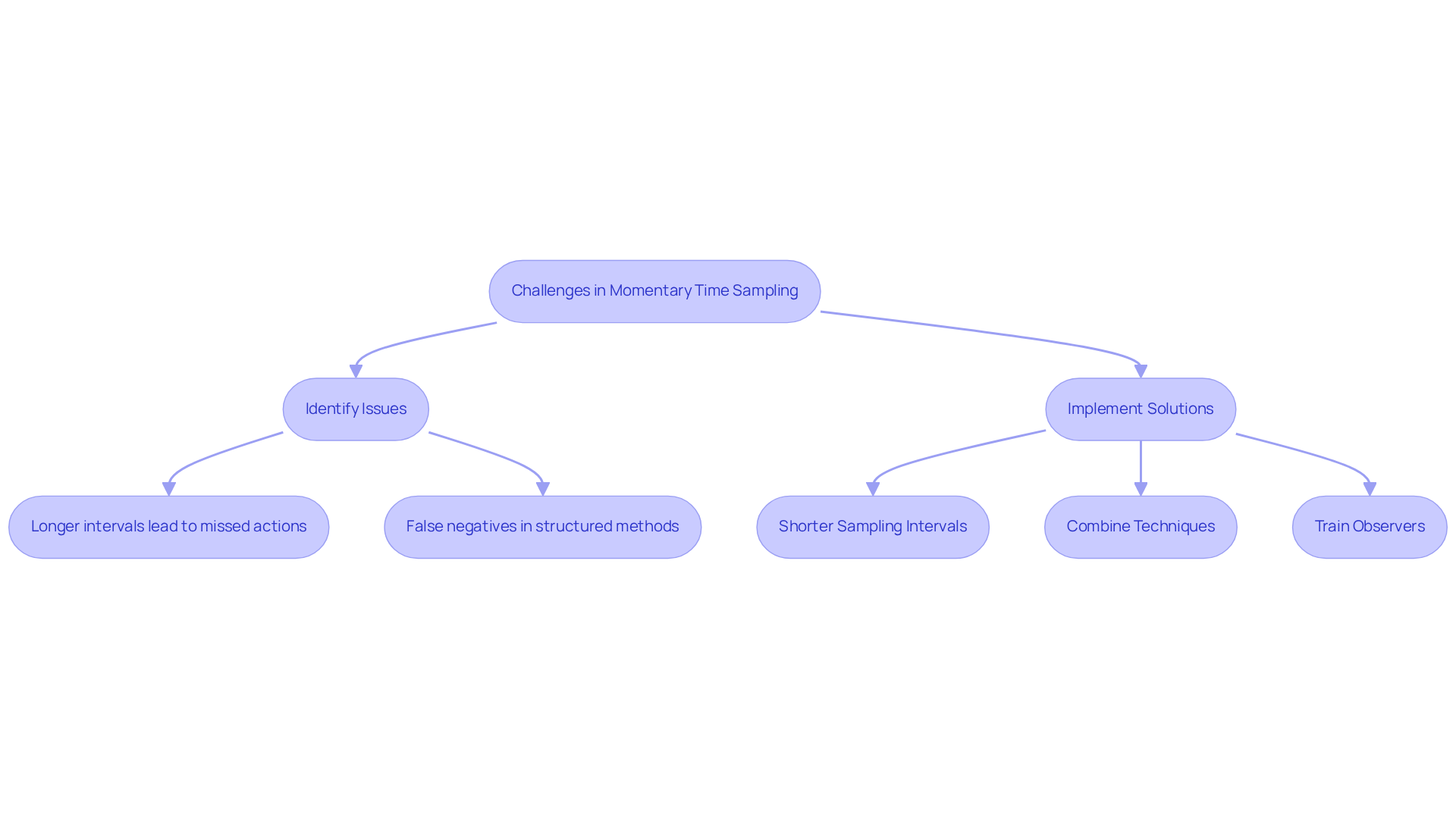
is an essential data collection method in , yet it comes with challenges, particularly regarding overlooked actions. Did you know that longer intervals can lead to higher rates of missed actions? Research shows that 100% of errors made with both MTS and (PIR) were false negatives during structured criterion methods. To combat this issue, should consider implementing . These intervals have been proven to yield more accurate representations of high-duration actions.
Moreover, combining MTS with other information-gathering techniques, like or , can provide a more comprehensive view of the subject's behavior. Training observers thoroughly is crucial; studies indicate that participants' can exceed 80%. This demonstrates that well-prepared observers significantly reduce variability in information collection, leading to enhanced precision. For instance, a involving 50 observers revealed that those using MTS had fewer misclassifications compared to those employing whole-interval recording (WIR). This underscores the importance of method selection and in minimizing overlooked actions.
As one analyst aptly noted, "The secret to successful MTS lies not only in the selected intervals but also in the preparation and training of those gathering the information." By proactively addressing these challenges, BCBAs can improve the reliability of their . A practical takeaway for BCBAs is to consistently review and adjust their sampling intervals based on the specific actions being measured. This ensures the most precise information collection, ultimately enhancing the effectiveness of their interventions.
Examining data from a is crucial for understanding . Did you know that can significantly improve ? When determining the percentage of intervals in which a target action occurs, BCBAs can make informed decisions. For instance, if a behavior is observed in 15 out of 30 intervals, the occurrence percentage stands at 50%. This empowers to identify trends over time and evaluate the effectiveness of interventions.
, such as graphs and charts, play a pivotal role in presenting these findings. They not only enhance the understanding of but also facilitate with stakeholders, including parents and educators. By utilizing visual representations, BCBAs can clearly convey the data's implications. How can you leverage these tools to foster collaboration and informed decision-making in your therapeutic process?
Incorporating into your practice can transform the way you communicate data. It fosters a collaborative environment, ensuring that everyone involved understands the implications of the findings. This clarity is essential for effective treatment planning and execution. Embrace the power of to enhance your practice and improve outcomes.

The demand for Board Certified Behavior Analysts (BCBAs) is skyrocketing, highlighting the urgent need for effective recruitment strategies. In this context, the exploration of momentary time sampling (MTS) in ABA therapy reveals its significant potential in educational and therapeutic settings. This method streamlines data collection and enhances the accuracy and efficiency of behavioral assessments, making it an invaluable tool for practitioners.
By leveraging MTS, professionals can gather critical insights without the burden of constant observation. This ultimately leads to improved outcomes for clients. Consider the practical applications of momentary time sampling:
The benefits are clear: MTS reduces observer fatigue, allows for timely modifications to interventions, and fosters a more effective learning environment. Moreover, when compared to traditional methods like partial-interval recording, MTS stands out for its reliability and ease of implementation.
Given these insights, it is essential for BCBAs and educators to embrace momentary time sampling as a vital tool in their practice. Are you currently facing challenges in hiring skilled professionals? By adopting best practices-such as clear conduct criteria and regular data analysis-professionals can significantly enhance their effectiveness in supporting clients. The growing demand for skilled BCBAs further emphasizes the importance of mastering innovative methodologies like MTS. Taking proactive steps to integrate these strategies can lead to more successful interventions and improved behavioral outcomes.
In conclusion, the integration of momentary time sampling into ABA therapy not only enhances the quality of care but also addresses the pressing need for skilled BCBAs. Embrace this innovative approach and consider how platforms like Hire ABA can assist in your recruitment efforts. The future of effective ABA therapy depends on it.
What is Hire ABA and what services does it provide?
Hire ABA is a platform that connects Board Certified Behavior Analysts (BCBAs) with job opportunities, specializing in roles that utilize momentary time sampling for data collection. It offers personalized resume assessments and advanced job fit scoring to match BCBAs with suitable job roles.
Why is there a growing demand for BCBAs?
The demand for BCBAs is projected to grow by 22% over the next decade, particularly in settings that employ momentary time sampling for accurate information collection.
How does momentary time sampling benefit educational settings?
Momentary time sampling is used in classrooms to monitor student engagement by assessing on-task behavior at specific intervals. This data-driven approach helps educators develop targeted interventions to improve learning outcomes.
What are the training requirements for implementing momentary time sampling in classrooms?
Training for implementing momentary time sampling typically ranges from 4 to 15 hours, making it an accessible option for educators.
How is momentary time sampling used in therapy sessions?
In therapy sessions, momentary time sampling is used to assess specific behaviors, such as compliance and social interactions, by checking for these behaviors at regular intervals. This method allows therapists to gather crucial information efficiently without constant observation.
What are the advantages of using momentary time sampling in busy therapeutic environments?
Momentary time sampling is recognized as the most efficient and least time-consuming data collection method in Applied Behavior Analysis (ABA). It allows therapists to monitor progress and adjust interventions without overwhelming their observational capacity.
Can you provide an example of how momentary time sampling is implemented in practice?
One example includes a BCBA monitoring a student's on-task behavior by observing them every five minutes to calculate engagement levels. This approach provides insights into the student's progress and informs timely modifications to their treatment plan.
What is the significance of using a timer during data collection in momentary time sampling?
Using a timer during data collection helps enhance accuracy by providing reminders for when to check and record observations, thereby ensuring consistent data collection.
Our expert recruitment strategies and AI-driven sourcing ensure that you receive top-notch candidates quickly, without compromising on quality. Whether you’re looking for BCBAs, Clinical Directors, or RBTs, we’ve got you covered.


