


Thank you! Your submission has been received!
Oops! Something went wrong while submitting the form.
March 26, 2026

Understanding human behavior is crucial, revealing how negative reinforcement significantly shapes our actions. Consider the nagging reminders that prompt children to clean their rooms or the removal of chores as a reward for good behavior. These examples highlight the powerful role of negative stimuli in our daily lives.
But here's a thought: can relying on negative reinforcement lead to unintended consequences, like resentment or avoidance? This exploration dives into the diverse applications of negative reinforcement in psychology, uncovering both its potential benefits and pitfalls across various contexts.
Nagging serves as a prime example of , where the unpleasant stimulus of persistent reminders fades once the task is completed. An example of can be seen in a scenario where a parent consistently urges a child to clean their room; the reminders cease upon compliance, reinforcing the act of tidying up.
Research indicates that , including nagging, significantly influence child compliance. As Hughes E. notes, " if you aim to enhance a specific action." This dynamic not only highlights the effectiveness of adverse motivation in fostering compliance but also extends to various relationships, such as those in the workplace.
For instance, Piazza et al. (1997) discovered that employees who receive fewer performance-related criticisms when meeting deadlines tend to maintain higher levels of task efficiency. However, it’s essential to recognize that an , like nagging, can lead to avoidance behaviors and resentment, complicating the desired outcomes. Understanding these is crucial for effectively modifying behaviors.

In a household context, consider this: 90.4% of youth aged 8-17 participate in household chores. This statistic underscores the prevalence of chores and their . Parents often eliminate a young person's chore as a reward for demonstrating good behavior, such as completing homework on time. This act of , motivating the young one to sustain their positive actions to avoid the chore in the future.
Engaging in chores not only promotes a sense of responsibility but also where young individuals feel valued for their efforts. , peer relationships, and overall life satisfaction. This connection highlights the .
However, , potentially interfering with education and leisure time. While removing chores can foster a positive family dynamic, it is essential to manage responsibilities wisely to ensure children's well-being. Reflect on your own household: Are chores enhancing your child's growth, or are they becoming a source of stress? Finding the right balance is key.

In corporate settings, the impact of cannot be overstated. Did you know that highly engaged business units see and compared to disengaged teams? This statistic highlights the critical need for effective strategies that foster a motivated workforce.
Providing additional break time as a reward for achieving tight deadlines is an example of that serves as a powerful approach to enhancing engagement. By alleviating the pressure of continuous work, organizations can encourage employees to maintain high performance levels. Research shows that such strategies not only but also enhance employee satisfaction. When individuals , they are more likely to invest in their work.
Consider your current . Are you struggling to find candidates who align with your organizational goals? Utilizing platforms like can , ensuring you attract .
This constructive encouragement of actions promotes a more involved workforce, ultimately leading to enhanced organizational results. By prioritizing , you can create a thriving work environment that drives success. Don't wait - take action today to transform your hiring strategy and cultivate a motivated team.

When a team completes a project ahead of schedule, management might consider canceling a follow-up meeting. But is this really the best approach? This cancellation can inadvertently send the wrong message, as it to attend a meeting that is no longer necessary.
Recognizing and rewarding efficiency is crucial. By doing so, organizations can among their teams. Imagine the impact of , and team members feel valued for their hard work.
In conclusion, let’s reflect: how does your organization currently handle ? Are you encouraging a , or are you inadvertently ? It's time to take action and ensure that your practices align with your goals.
Managing tantrums can be a significant challenge for parents. Did you know that , peaking at a staggering 91% prevalence between 30-36 months? By choosing to ignore a young one's tantrum, parents effectively withdraw the attention that often reinforces such behavior. This method is an example of , as the young one learns that or result.
Over time, this strategy can be viewed as an example of , leading to a reduction in tantrums as the young one begins to seek more . However, it’s crucial to understand that ignoring a tantrum can lead to an , where the behavior may initially intensify before it diminishes. Consistent application of this technique fosters healthier emotional expression and encourages young individuals to articulate their needs in more constructive ways.
As Daniel J. Siegel suggests, creating safe zones can help children shift from a reactive state to a reflective state, further supporting their emotional development. Are you ready to implement these strategies and witness a positive change in your child's behavior?

In professional and academic settings, the can act as a form of adverse encouragement. Have you considered how this lack of unfavorable feedback might lead individuals to continue adhering to guidelines? By fostering an environment where compliance is acknowledged through silence rather than criticism, organizations can effectively cultivate a and accountability.
Research shows that environments emphasizing positive encouragement significantly boost . In fact, employees who receive are fully engaged. Establishing clear expectations and recognizing compliance can further enhance this culture, ensuring that employees feel supported and motivated to adhere to .
As noted, "Feedback, whether constructive or positive, should motivate employees to enhance their performance." This highlights the in fostering a productive workplace. Are you ready to transform your organization's ? Embrace the power of feedback to drive performance and accountability.

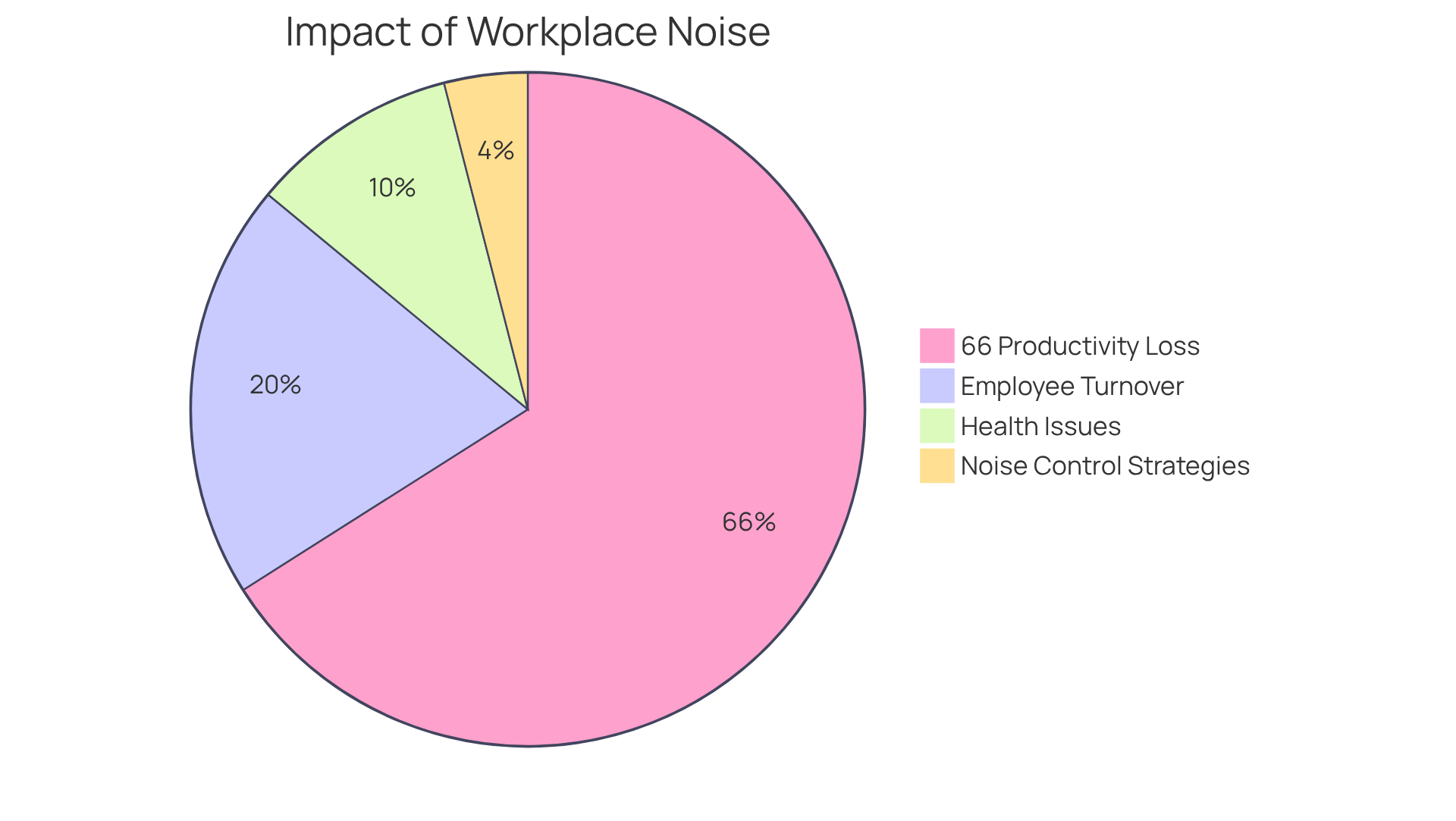
Excessive noise in both classroom and office environments can drastically undermine concentration. Did you know that when just one nearby conversation is happening? This statistic highlights the critical need for a conducive atmosphere that fosters focus.
By establishing a rule that mandates low noise levels, individuals who comply can significantly reduce disruptive sounds in their surroundings. This reduction is an example of in psychology, as it encourages adherence to the rule and promotes a more productive setting. The implications of ; it can also lead to increased and health issues.
Implementing effective or designated quiet zones, not only enhances compliance with established rules but also boosts overall productivity and well-being. Are you ready to take action? Consider how these strategies can transform your work environment into one that supports focus and efficiency.
In fitness training, allowing a pause after completing a workout can serve as a crucial . Have you ever considered how a well-timed break can enhance your ? When an individual finishes a challenging workout, rewarding themselves with a moment of rest serves as an example of , as it reinforces the habit of completing workouts. This strategic pause makes it more likely that they will continue to engage in regular exercise. By integrating this practice, individuals can effectively build a that promotes .

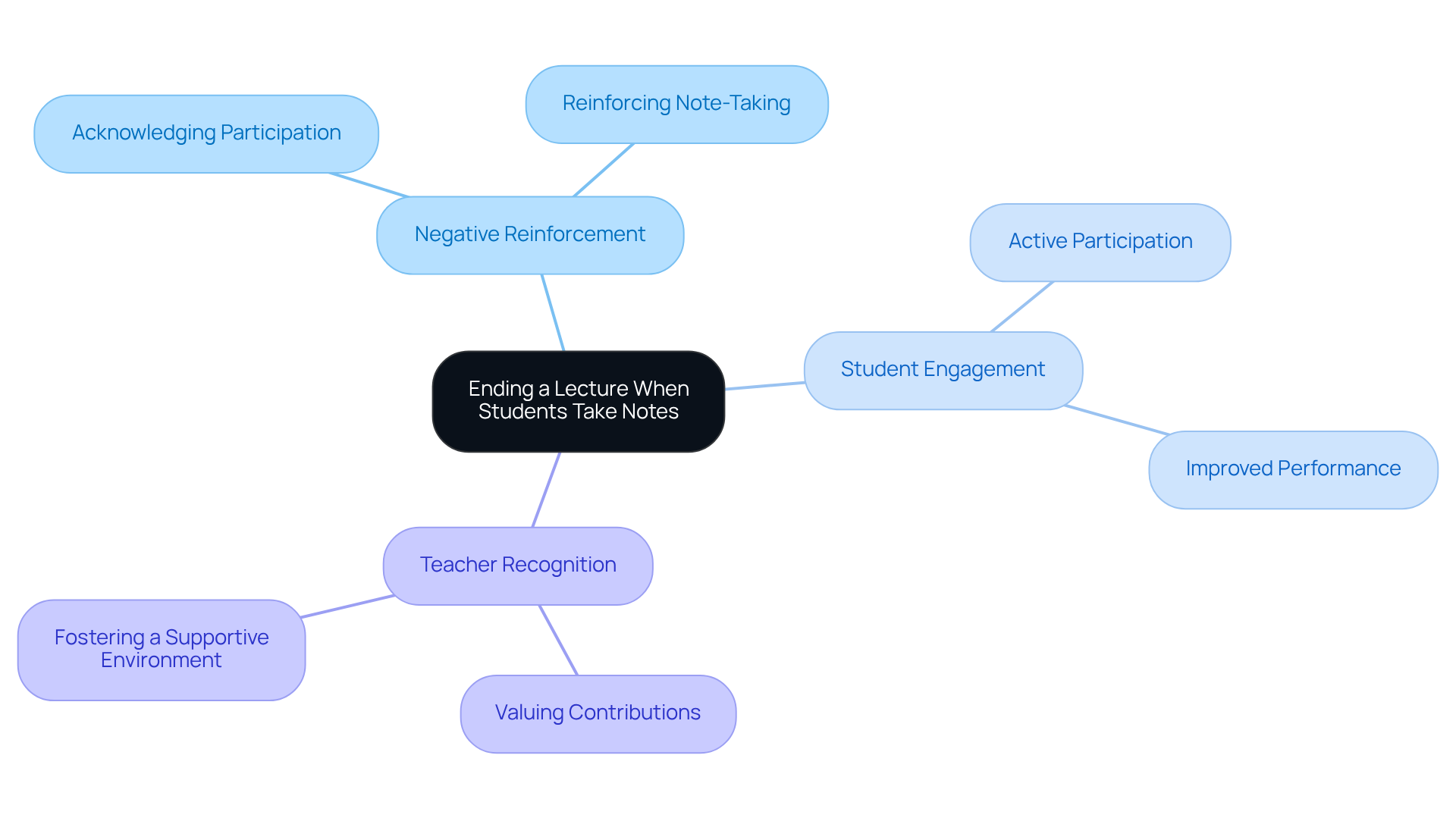
In a classroom environment, a teacher may conclude a lecture upon observing students diligently taking notes. This approach is an example of ; by stopping the lecture, the instructor not only acknowledges the students' participation but also reinforces the habit of note-taking.
Such a strategy motivates students to and fosters a supportive learning atmosphere where their contributions are valued. Have you considered how recognition impacts ? Research shows that when , their overall engagement and academic performance improve. This highlights the .
Incorporating this practice can transform your classroom dynamics, making it essential for educators aiming to enhance student outcomes.
In today's work and study environments, did you know that organizations implementing report a staggering 43% ? This statistic highlights a growing demand for strategies that enhance . When individuals are not subjected to constant monitoring of their internet usage, they experience a significant . The alleviates pressure, allowing them to concentrate more effectively on their tasks.
This absence of monitoring is an example of , encouraging individuals to stay focused and complete their work without the distraction of potential scrutiny. Research indicates that this approach not only but also improves , leading to a more .
By fostering an environment that minimizes distractions and empowers employees, companies can enhance overall performance. Are you ready to transform your workplace into a hub of productivity? Embrace and witness the positive impact on your team's engagement and output.
Negative reinforcement plays a pivotal role in shaping behaviors across various aspects of life, from parenting to workplace dynamics. Understanding how this psychological principle operates is crucial. By leveraging negative reinforcement effectively, individuals can encourage desirable actions while being mindful of its potential drawbacks. Consider how it can motivate compliance, enhance productivity, and foster positive relationships when applied thoughtfully.
Throughout this discussion, key insights demonstrate the practical applications of negative reinforcement. For instance, think about the nagging of parents to encourage chores or the strategic removal of stressors in professional settings. Each scenario highlights the delicate balance required to ensure that reinforcement leads to constructive outcomes. Recognizing achievements, whether in the classroom or workplace, further emphasizes the need for a supportive environment that promotes engagement and accountability.
Ultimately, the significance of negative reinforcement in everyday life cannot be overstated. It serves as a powerful tool for behavior modification, but its effectiveness hinges on the context and manner of its application. By fostering environments that prioritize understanding and balance, individuals can harness the benefits of negative reinforcement to create positive change. Embrace these insights to refine strategies in parenting, education, and professional settings. How can you ensure that behaviors are encouraged in a way that supports growth and well-being?
What is nagging and how does it relate to negative reinforcement?
Nagging is a form of negative conditioning where persistent reminders serve as an unpleasant stimulus that fades once the task is completed. It exemplifies negative reinforcement, as seen in scenarios like a parent urging a child to clean their room, with reminders ceasing upon compliance.
How does nagging influence child compliance?
Research indicates that parental encouragement techniques, including nagging, significantly influence child compliance. It can effectively enhance specific actions, but overreliance on negative reinforcement may lead to avoidance behaviors and resentment.
What are the effects of removing chores as a reward for good behavior?
Removing a chore as a reward for good behavior, such as completing homework, serves as negative reinforcement, motivating young individuals to sustain positive actions to avoid the chore in the future. Engaging in chores promotes responsibility and can enhance academic abilities and overall life satisfaction.
What are the potential downsides of chores for children?
While chores can foster a sense of responsibility, they can also lead to stress and fatigue, potentially interfering with education and leisure time. It is essential for parents to manage responsibilities wisely to ensure children's well-being.
How does allowing extra break time impact employee engagement?
Providing additional break time as a reward for meeting tight deadlines is a form of negative reinforcement that can enhance employee engagement. This strategy helps alleviate work pressure, boosts productivity, and improves employee satisfaction.
What benefits do engaged business units experience?
Highly engaged business units see 14% higher productivity and 78% less absenteeism compared to disengaged teams, highlighting the importance of fostering a motivated workforce.
How can organizations attract engaged candidates?
Utilizing platforms like Hire ABA can streamline the recruitment process, helping organizations attract top talent who are not only skilled but also engaged, ultimately leading to enhanced organizational results.
Our expert recruitment strategies and AI-driven sourcing ensure that you receive top-notch candidates quickly, without compromising on quality. Whether you’re looking for BCBAs, Clinical Directors, or RBTs, we’ve got you covered.


