


Thank you! Your submission has been received!
Oops! Something went wrong while submitting the form.
November 26, 2025

The landscape of behavior management is evolving. Professionals are increasingly turning to differential reinforcement as a key strategy. This approach not only enhances the effectiveness of interventions but also cultivates a more positive environment for learning and development.
As educators and parents seek to address challenging behaviors, consider this: how can various types of differential reinforcement be effectively implemented to foster lasting change? Exploring the nuances of these techniques reveals a wealth of opportunities for improving behavior management across diverse settings.
The demand for effective behavior management strategies is higher than ever. By understanding and applying differential reinforcement, we can create environments that not only address behaviors but also promote growth and learning. Are you ready to explore how these techniques can transform your approach to behavior management?
Did you know that over the next decade? This significant increase highlights the urgent need for in . Hire ABA is a specialized recruitment platform designed specifically for BCBAs, addressing this rising demand head-on.
With Hire ABA, job seekers can simplify their search for positions that align with their expertise and career aspirations. By submitting their resumes for assessment, candidates allow our team to evaluate their experience and career goals. We utilize to identify opportunities that match their skills, preferences, and desired locations. This means that qualified candidates can connect with top-tier opportunities tailored to their unique qualifications.
Employers also benefit from Hire ABA, gaining access to a curated pool of skilled candidates. This enhances the efficiency of the hiring process in the rapidly evolving field of ABA. Our streamlined approach not only supports the recruitment of qualified professionals but also contributes to the overall effectiveness of ABA services. Organizations can meet the increasing demand for with confidence.
To maximize your experience on our platform, job seekers should regularly update their profiles and actively engage with potential employers. Are you ready to take the next step in your career? Join Hire ABA today and discover how we can help you navigate the job market with ease.

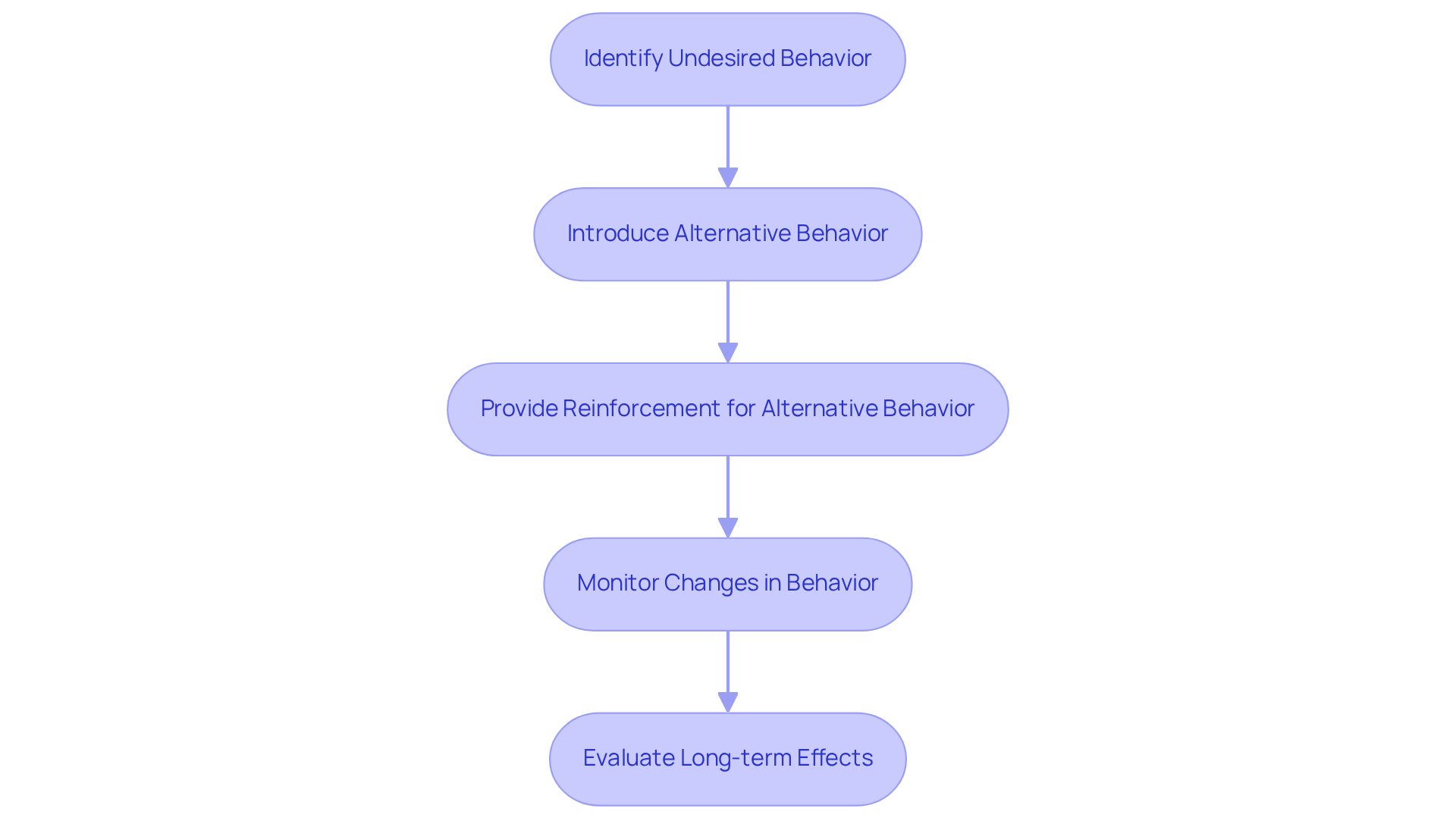
is a notable strategy among the that reinforces a specific alternative action in place of an undesired behavior. For example, when a child shouts for attention, a therapist can guide the child to raise their hand instead, providing reinforcement for this positive behavior. This method exemplifies , as it not only promotes the desired actions but also over time, creating a more supportive learning environment.
in educational contexts have yielded significant advantages. Research shows that DRA can lead to a marked decrease in problematic behaviors while simultaneously enhancing appropriate actions. A notable study involving children with autism spectrum disorder (ASD) revealed a following the implementation of DRA techniques. The results highlighted that the rates of both problematic and appropriate actions were influenced by the quality and duration of reinforcement, underscoring the .
As we look ahead to 2025, the effectiveness of DRA remains bolstered by ongoing research, which underscores its . The impressive success rates of (DRA) in modifying youth behavior are reflected in numerous educators reporting improved classroom dynamics and increased student engagement. By focusing on strengthening alternative actions, DRA not only addresses immediate behavioral concerns but also fosters long-term positive changes in youth behavior, establishing it as an essential tool in the repertoire of management strategies.
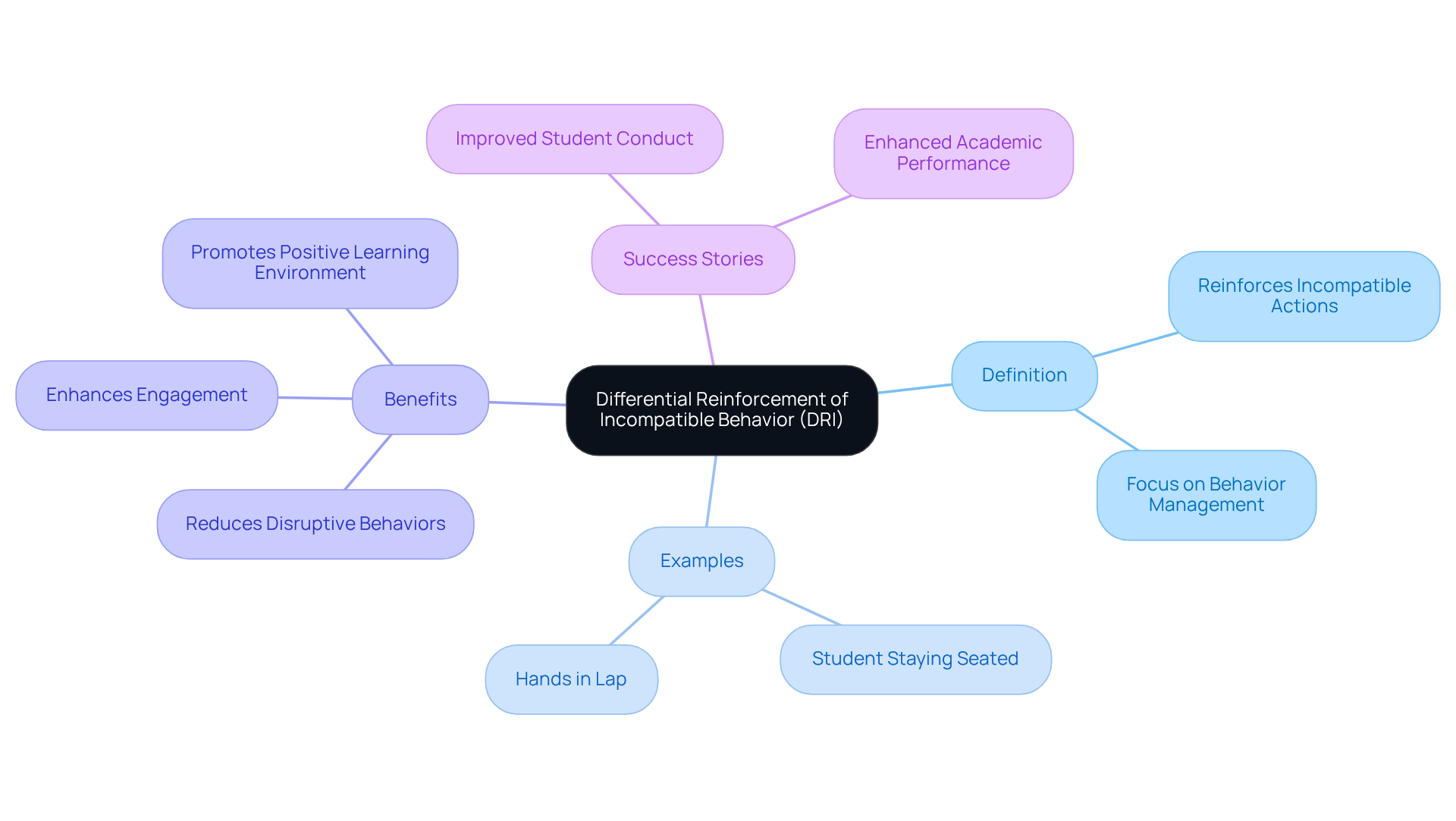
is considered one of the important in behavior management, focusing on reinforcing responses that cannot coexist with undesired actions. For instance, when a student frequently leaves their seat during class, a teacher can effectively encourage the child to stay seated by rewarding them for sitting quietly with their hands in their lap. This approach not only but also promotes a more suitable alternative, as the two actions cannot occur simultaneously.
In educational settings, the application of DRI has yielded promising results. Educators have noted that implementing DRI strategies not only but also . One teacher observed, "By reinforcing students for remaining seated, we create an environment where they feel secure and focused, which ultimately leads to better learning outcomes."
Success stories in the application of DRI within classrooms are plentiful. In 2025, numerous schools reported significant improvements in student through DRI techniques. For example, a classroom that previously faced regular interruptions saw a after educators consistently applied DRI strategies. The positive reinforcement of sitting quietly fostered a more conducive learning atmosphere, enabling students to excel both academically and socially.
Overall, DRI serves as a formidable tool in , effectively through while addressing and in educational environments. Are you ready to explore how DRI can transform your ?
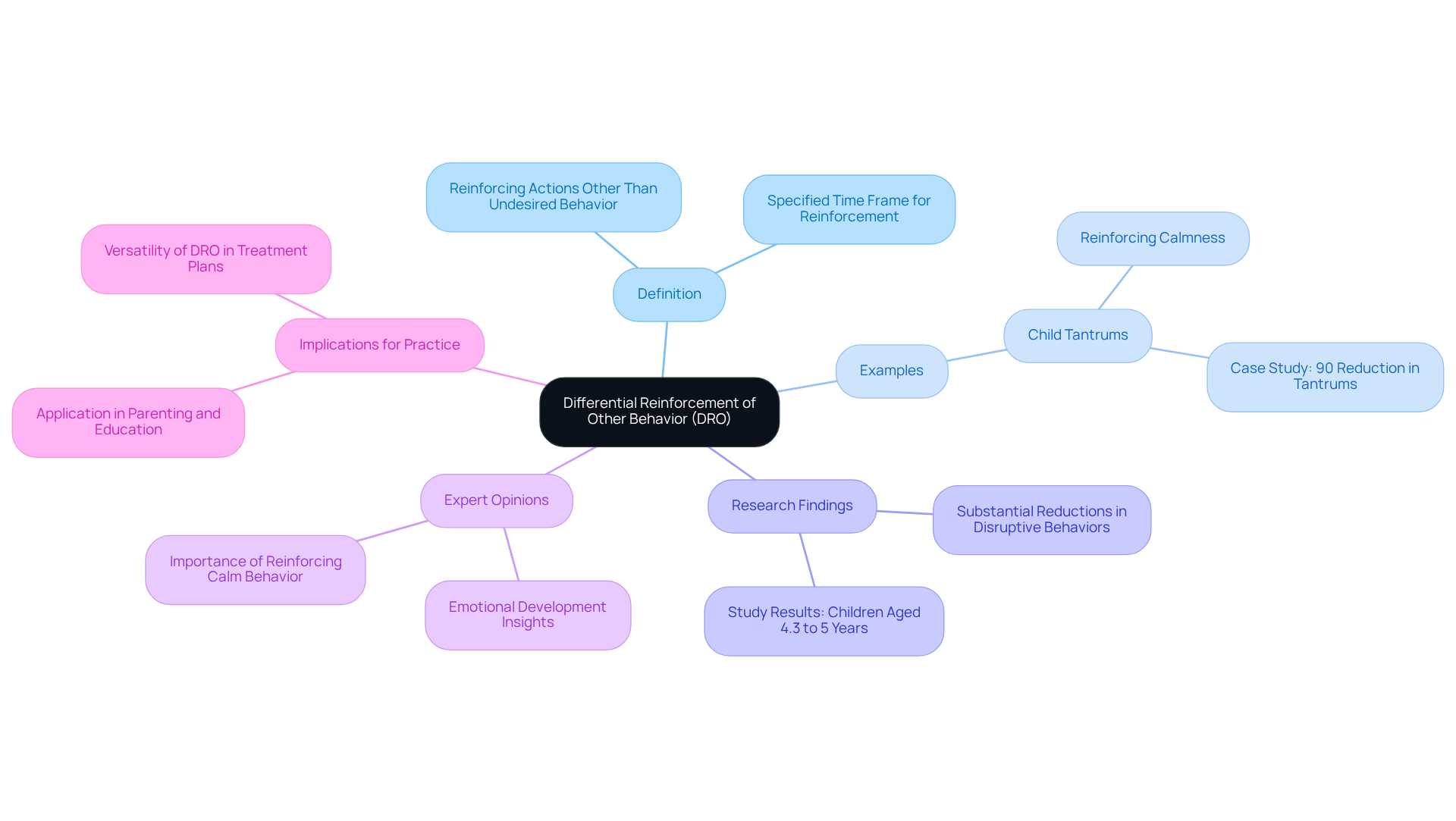
is an that focuses on reinforcing any action other than the undesired behavior within a specified time frame. For example, when a child is prone to tantrums, caregivers can effectively reinforce the child for remaining calm during designated intervals. This method not only promotes constructive behaviors but also significantly reduces the frequency of outbursts, as children learn that their composure is rewarded.
Research consistently shows that the leads to . In a recent study, children aged 4.3 to 5 years demonstrated remarkable improvements in conduct when DRO was implemented, with many experiencing a complete cessation of tantrums. One notable case study revealed a child who achieved a over a two-month period, underscoring the method's effectiveness in real-world scenarios.
Child psychologists stress the . As one expert noted, "Reinforcement of nurtures an atmosphere where children feel secure and understood, which is essential for their ." This perspective aligns with findings indicating that types of differential reinforcement, particularly DRO, not only curtail tantrums but also in youth.
As of 2025, the effectiveness of DRO continues to be validated through ongoing research, with practitioners reporting high success rates in minimizing tantrums and fostering desirable behaviors. The versatility of DRO positions it as an invaluable tool for parents and educators striving to cultivate a supportive and positive environment for children.
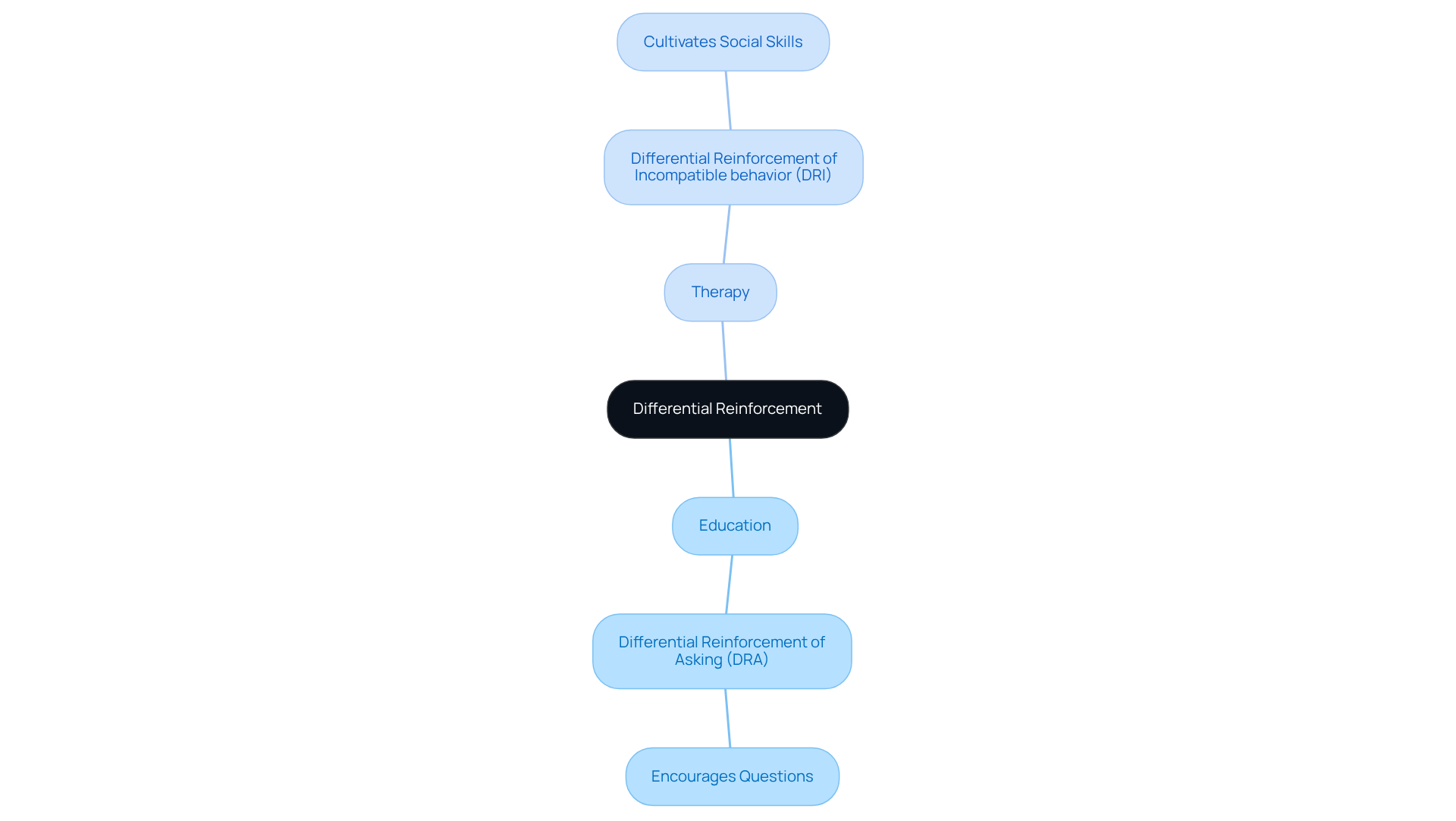
In various settings, from classrooms to therapy sessions, are . Did you know that can significantly enhance ? In educational environments, teachers can implement , such as , to encourage students to ask questions rather than interrupting their peers. This not only fosters a more respectful classroom atmosphere but also .
In therapeutic contexts, practitioners often apply , such as , to cultivate . By reinforcing appropriate interactions, they help individuals develop essential communication abilities. The flexibility of these techniques allows for tailored interventions that meet the specific needs of each individual, ultimately enhancing their learning and development.
Are you facing challenges in effectively implementing these strategies? Consider how a can transform your educational or therapeutic practices. With the right , you can create an environment that supports growth and learning for everyone involved.
stand as a cornerstone of operant conditioning, a principle that underscores how actions are shaped by their consequences. Did you know that is in high demand among professionals? Practitioners can significantly influence by applying , which includes reinforcing desired actions and withholding rewards for undesired ones. This method illustrates by encouraging the repetition of positive actions and diminishing the likelihood of negative behaviors.
Imagine a learning environment where . This approach fosters a , essential for both learning and development. As you consider your current hiring challenges, think about how implementing can enhance your .
Incorporating this strategy can lead to a more engaged and productive workforce. Are you ready to transform your approach to behavior management? Embrace the power of and witness the positive changes it can bring.

The various types of differential reinforcement encompass several strategies, each tailored to address specific behavioral challenges. The three primary types include:
In addition to these, and are effective for managing the frequency of behaviors. DRL is employed to decrease the frequency of an action by reinforcing lower rates, while DRH encourages higher rates of desirable actions.
Research shows that these techniques can lead to significant . For instance, studies have indicated that DRA can effectively diminish disruptive behaviors in educational environments, while DRI has proven successful in reducing aggression among children with developmental disabilities. Furthermore, the strategic application of DRL and DRH has demonstrated effectiveness in various settings, including clinical and home environments, enhancing overall management strategies.
By understanding and applying these types of differential reinforcement techniques, analysts can create tailored interventions that foster positive changes and improve outcomes for individuals across diverse contexts. As B.F. Skinner aptly noted, "What is love except another name for the use of positive reinforcement?" This underscores the in shaping behavior.

In , types of serve as essential tools for modifying behavior. Did you know that intensive programs yield ? This statistic underscores the demand for effective strategies in the field. Practitioners employ , such as:
to create structured interventions that foster positive change.
For instance, consider the impact of DRA: "Students who had previously completed assignments 40% of the time saw an increase to 89% completion rates within just six weeks." This example illustrates how DRA encourages constructive actions. Similarly, DRI can replace self-stimulatory behaviors with functional communication, leading to rapid changes often within 2-3 weeks of consistent application.
DRO systems have also demonstrated success, with results indicating a "" after implementing a school-wide program. By systematically applying these techniques, analysts can effectively tackle challenging behaviors while ensuring that interventions remain ethical and focused on skill development and independence.
The effectiveness of these methods is further reinforced by research, which shows that what is reinforced tends to grow. To maximize the impact of these interventions, practitioners should monitor key metrics such as frequency, duration, intensity, and latency, ensuring a comprehensive understanding of behavioral changes.
Ultimately, the consistent application of techniques can lead to . Are you ready to explore how these strategies can transform your approach to behavior analysis?

In educational environments, are essential reinforcement strategies that significantly boost student engagement and learning outcomes. Teachers can effectively implement by using the to reward students for timely completion of assignments, which discourages late submissions. This method not only promotes responsibility but also cultivates a among students. Similarly, , including , encourage students to raise their hands before speaking, reducing disruptions and fostering a respectful classroom atmosphere.
The effectiveness of DRA in enhancing academic performance is well-documented. Research shows that classrooms employing DRA techniques experience a notable increase in student engagement and a decrease in off-task behaviors. As we approach the end of 2025, the has become increasingly clear, with educators recognizing the necessity of creating supportive learning environments.
in classrooms demonstrate that these improve student conduct and lead to better academic outcomes. Educators stress that consistent application of these techniques is vital for nurturing a positive learning environment. As W.B. Yeats aptly noted, "Education is not the filling of a pot, but the lighting of a fire," underscoring the transformative potential of . The ultimate goal of these strategies is to foster a classroom culture where students feel motivated to engage and succeed, resulting in a more effective educational experience.

Parents can effectively employ types of to manage their children's behavior at home. Consider this: using , such as , parents can reinforce kids for using polite language instead of resorting to yelling for attention. This approach not only encourages respectful communication but also fosters a .
Moreover, , such as , can be utilized by rewarding youngsters for periods of good behavior, such as not arguing during dinner. This method reinforces the desired behavior, making it more likely to occur in the future. By consistently applying these techniques, parents can while teaching their children valuable social skills.
Are you ready to ? Embrace these strategies to enhance your child's behavior and strengthen your family dynamics.

Differential reinforcement strategies represent a powerful suite of techniques that effectively manage behavior across various settings, from classrooms to therapy sessions. By focusing on reinforcing desired behaviors while diminishing unwanted actions, these methods not only foster positive changes but also create supportive environments conducive to growth and learning.
Throughout this discussion, we’ve explored the distinctive methods of Differential Reinforcement of Alternative Behavior (DRA), Differential Reinforcement of Incompatible Behavior (DRI), and Differential Reinforcement of Other Behavior (DRO). Each method offers unique advantages, such as promoting respectful communication, enhancing student engagement, and reducing disruptive behaviors. The evidence underscores their effectiveness, with numerous studies highlighting significant improvements in behavior management outcomes across educational and therapeutic contexts.
Ultimately, applying differential reinforcement strategies transcends mere behavior modification; it cultivates an atmosphere of encouragement and support. Whether in parenting, education, or therapy, these techniques empower individuals to thrive by reinforcing positive actions. Are you ready to embrace these strategies? Doing so can lead to transformative changes, making it essential for practitioners, educators, and parents to integrate differential reinforcement into their behavior management practices for lasting success.
What is Hire ABA and what purpose does it serve?
Hire ABA is a specialized recruitment platform designed for Board Certified Behavior Analysts (BCBAs) to streamline the job matching process and address the growing demand for qualified professionals in the field of Applied Behavior Analysis (ABA).
How does Hire ABA benefit job seekers?
Job seekers can simplify their search for positions that match their expertise and career goals by submitting their resumes for assessment. Hire ABA evaluates their experience and uses advanced job fit scoring to identify suitable opportunities tailored to their qualifications.
What advantages does Hire ABA offer to employers?
Employers gain access to a curated pool of skilled candidates, enhancing the efficiency of the hiring process and supporting the recruitment of qualified professionals in the rapidly evolving field of ABA.
What is Differential Reinforcement of Alternative Behavior (DRA)?
DRA is a strategy that reinforces a specific alternative behavior in place of an undesired behavior, promoting positive actions while reducing the frequency of unwanted behaviors.
How has DRA been applied in educational contexts?
DRA has been successfully used in educational settings, leading to a decrease in problematic behaviors while enhancing appropriate actions. Research shows significant improvements, especially in children with autism spectrum disorder (ASD).
What are the long-term benefits of using DRA?
DRA fosters long-term positive changes in youth behavior, improves classroom dynamics, and increases student engagement by focusing on reinforcing alternative actions.
What is Differential Reinforcement of Incompatible Behavior (DRI)?
DRI is a behavior management strategy that reinforces responses that cannot coexist with undesired actions, promoting acceptable alternatives while reducing unwanted behaviors.
What results have educators observed from implementing DRI?
Educators have reported diminished disruptive behaviors and enhanced classroom engagement. Successful applications of DRI have led to significant improvements in student conduct management.
How does DRI contribute to a better learning environment?
By reinforcing students for engaging in acceptable behaviors, DRI creates a secure and focused environment, leading to better academic and social outcomes for students.
Our expert recruitment strategies and AI-driven sourcing ensure that you receive top-notch candidates quickly, without compromising on quality. Whether you’re looking for BCBAs, Clinical Directors, or RBTs, we’ve got you covered.


