


Thank you! Your submission has been received!
Oops! Something went wrong while submitting the form.
December 4, 2025

The landscape of mental health care is rapidly evolving, with a striking statistic: the demand for licensed behavior specialists is projected to exceed 33,000 professionals by 2025. These specialists are not merely practitioners; they play a pivotal role in shaping behavioral interventions that significantly enhance the quality of life for individuals facing various challenges.
However, as the need for these experts grows, so do the complexities surrounding their recruitment and training. Are you facing challenges in hiring the right talent? Understanding the key insights into the role and impact of licensed behavior specialists can illuminate their importance in today's healthcare environment.
By leveraging platforms like Hire ABA, healthcare employers can navigate these complexities more effectively. With the right recruitment strategies, you can ensure that your organization is equipped with the specialists who can make a real difference in the lives of those they serve.
In this evolving field, the right support can transform your hiring process, making it not just easier but also more effective. Let's explore how you can address your hiring challenges and secure the expertise needed to thrive in this critical area of healthcare.
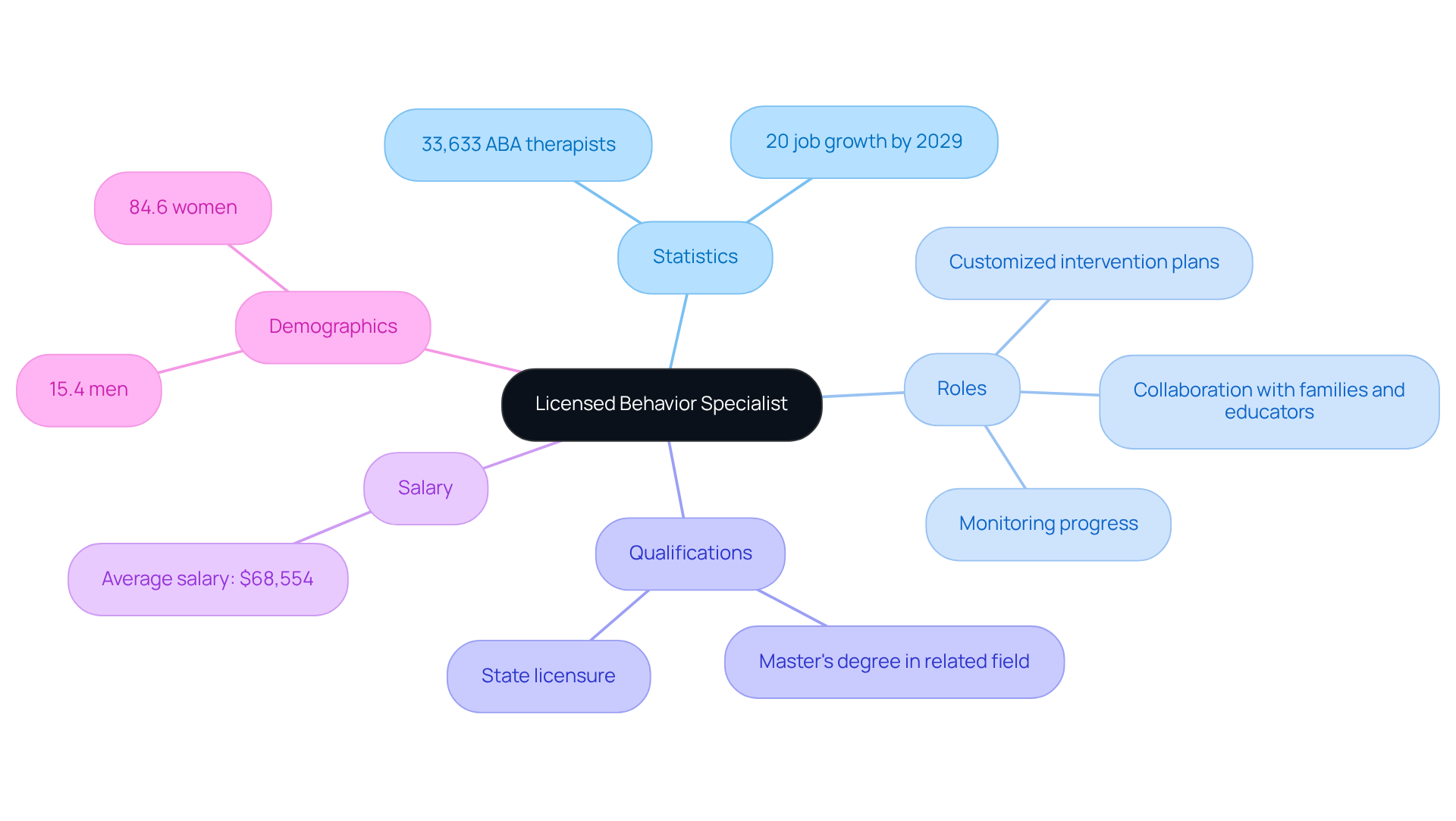
A staggering statistic: as of 2025, there are over 33,633 employed in the United States. This number highlights the growing demand for , who are trained experts in Applied Behavior Analysis (ABA) and tackle behavioral challenges faced by individuals.
play a crucial role in creating and executing customized tailored to the unique needs of those they serve. Their significance spans various environments, including schools, clinics, and private practices, where they employ to enhance behavioral outcomes.
To qualify as a licensed behavior specialist, individuals typically need a master's degree in a related field and must obtain , ensuring adherence to specific educational and ethical standards. The Bureau of Labor Statistics projects a , indicating a robust future demand for this profession.
The presence of has been shown to positively . Studies indicate that effective behavioral interventions lead to significant improvements in social skills, communication, and overall quality of life for individuals receiving ABA therapy. Their responsibilities encompass conducting assessments, collaborating with families and educators, and continuously monitoring progress to ensure the effectiveness of interventions.
Consider this: the . This reflects not only the financial aspects of this role but also the value placed on their expertise. Additionally, it's noteworthy that 84.6% of in the U.S. are women, providing insight into the demographics of the workforce.
The role of is essential in fostering positive changes and supporting individuals with diverse needs. Are you facing challenges in hiring qualified professionals? Explore and connect you with the right talent to make a difference.
are increasingly recognized for their vital roles in mental health and educational settings. Did you know that the demand for and is projected to rise by 25% by 2026? This significant growth reflects a heightened awareness of mental health concerns and the .
As behavioral disorders become more prevalent, the need for in this field is more critical than ever. not only provide direct assistance to individuals but also that promote overall well-being. This collaborative approach ensures that all aspects of a person's care are considered, leading to better outcomes.
Are you facing challenges in ? Consider how can streamline your recruitment process. With a focus on connecting you with top-tier professionals, is your in this essential field. Don't miss out on the opportunity to enhance your team with skilled who can make a real difference.

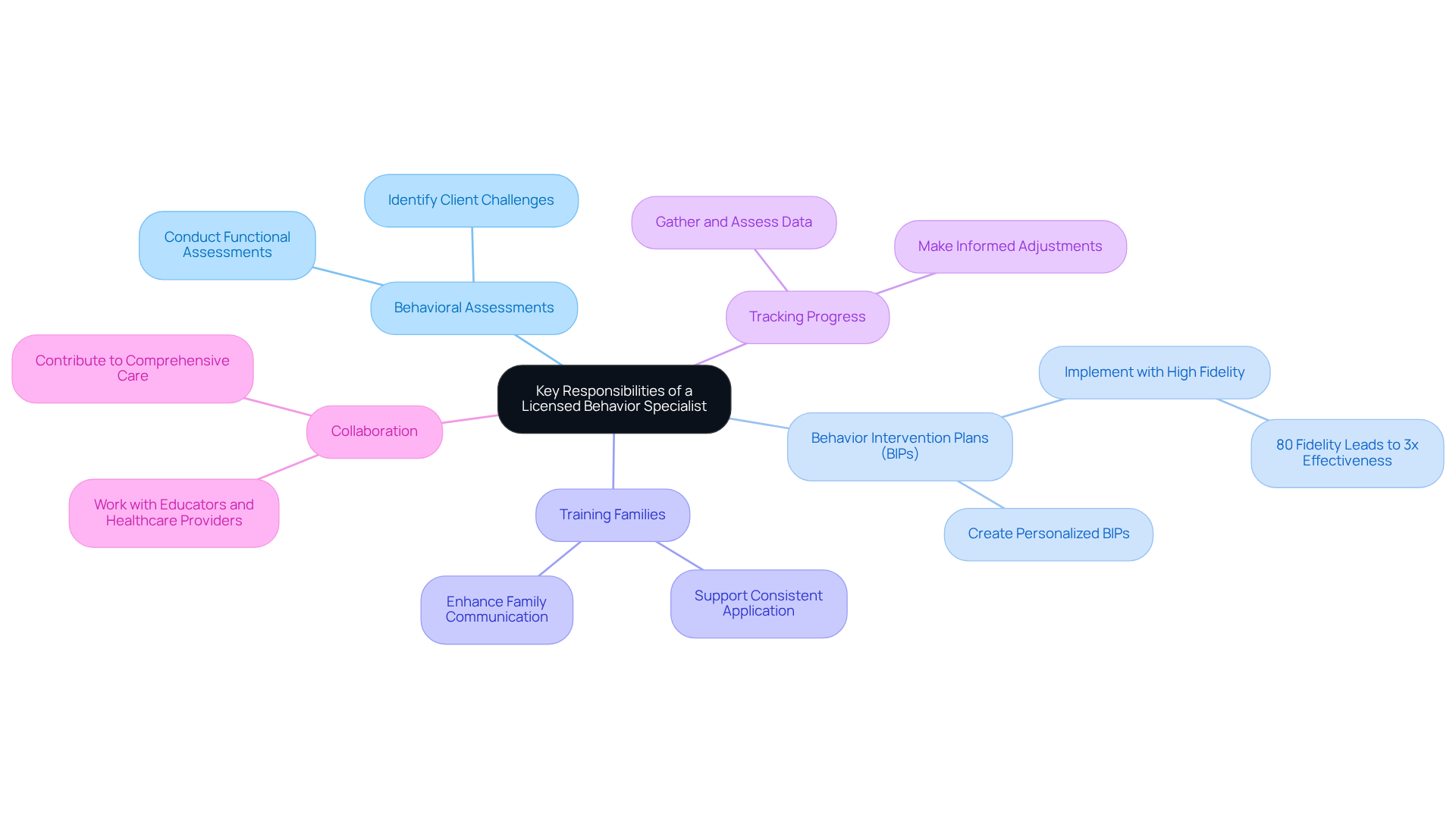
The demand for Applied Behavior Analysis (ABA) therapy is soaring, with an expected growth rate of 22% for ABA therapists from 2019 to 2029. The movement is significantly driven by (LBS), who play a crucial role in enhancing individual behavior and overall quality of life through a variety of responsibilities.
LBS experts conduct thorough to pinpoint specific challenges faced by clients. Based on these assessments, they create personalized that employ to encourage . Research shows that interventions implemented with 80% or higher fidelity are three times more likely to be effective. This statistic underscores the importance of fidelity in the implementation of BIPs.
But their role doesn’t stop there. LBS experts also train and support families and caregivers, ensuring that behavioral techniques are consistently applied across various environments. This consistency is vital for the success of interventions. Tracking participant progress is another key responsibility; LBS specialists gather and assess of the implemented strategies. This ongoing assessment allows them to make informed adjustments to treatment plans as needed.
Collaboration is fundamental to the LBS role. By working closely with educators, healthcare providers, and other professionals, they contribute to a comprehensive approach to care. This collaboration not only boosts the effectiveness of interventions but also ensures that all aspects of a person's well-being are considered, leading to better outcomes in behavior and quality of life.
As the Analyst Certification Board states, the demand for ABA therapy is rising. With the anticipated growth rate of 22% for ABA therapists, it’s clear that the is becoming increasingly important in the evolving landscape of client care. Are you facing challenges in hiring qualified professionals? Consider how can address these issues and support your recruitment needs.
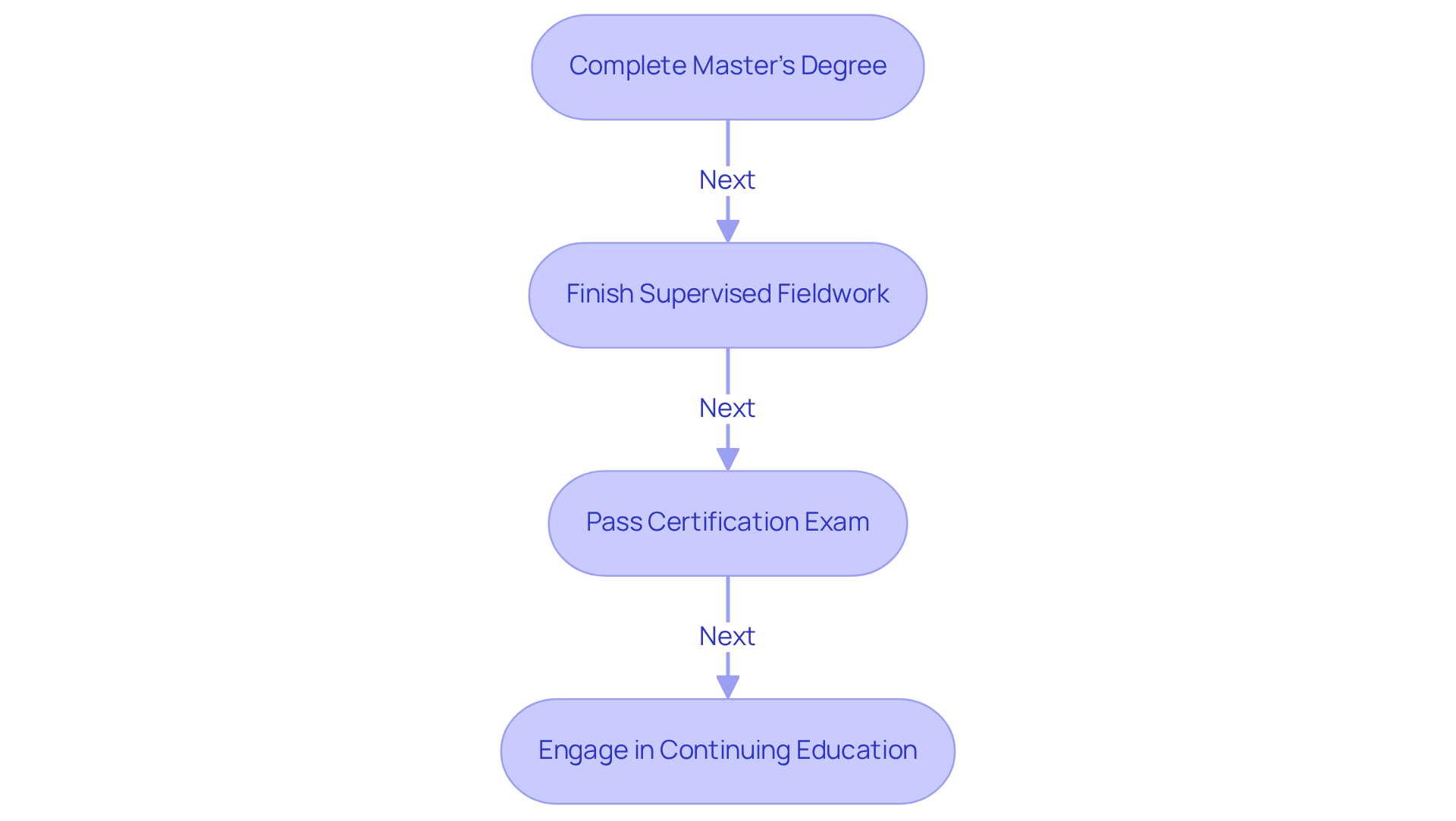
Did you know that the demand for is skyrocketing? To meet this growing need, it is essential to become a . Typically, individuals must complete a master's degree in behavior analysis, psychology, or a related field. This educational foundation equips them with the necessary knowledge of .
After earning their degree, candidates must finish , gaining under the guidance of skilled experts. Once these requirements are met, they can pursue licensure by passing a , such as the Board Certified Analyst (BCBA) exam.
But it doesn't stop there. Ongoing professional development and are crucial for maintaining licensure and staying updated with best practices in the field. This rigorous educational pathway ensures that behavior specialists are licensed and well-prepared to provide to their clients.
Are you facing ? Consider how Hire ABA can streamline your recruitment process and connect you with top talent in the field. With our platform, you can who are ready to make a difference.
The demand for licensed behavior specialists is skyrocketing, with a projected growth rate that underscores their critical role in addressing behavioral challenges across various settings. These trained professionals not only craft personalized intervention plans but also collaborate closely with families and educators to foster positive behavioral changes. As the need for such specialists continues to rise, their expertise becomes essential in enhancing the quality of life for those they serve.
Why is this growth happening? A heightened awareness of mental health issues and the proven effectiveness of Applied Behavior Analysis (ABA) are driving the demand for licensed behavior specialists. The significant salary potential and job growth projections further highlight the value placed on these professionals. Moreover, the rigorous educational pathways and collaborative responsibilities they undertake emphasize the comprehensive nature of their work, ensuring that interventions are both effective and tailored to individual needs.
As the landscape of mental health care evolves, the importance of licensed behavior specialists cannot be overstated. Their unique skill set and unwavering dedication to improving client outcomes make them indispensable in the field. Are you facing challenges in hiring qualified professionals? Exploring resources like Hire ABA can streamline your recruitment process, connecting you with the talent needed to make a meaningful impact. Embracing the role of licensed behavior specialists is not just about filling a position; it’s about enhancing the lives of individuals and fostering a supportive environment for growth and development.
What is the role of a licensed behavior specialist?
Licensed behavior specialists are trained experts in Applied Behavior Analysis (ABA) who create and implement customized behavior intervention plans to address behavioral challenges faced by individuals in various environments such as schools, clinics, and private practices.
What qualifications are needed to become a licensed behavior specialist?
To qualify as a licensed behavior specialist, individuals typically need a master's degree in a related field and must obtain state licensure, adhering to specific educational and ethical standards.
What is the job growth projection for ABA therapists?
The Bureau of Labor Statistics projects a job growth rate of over 20% for ABA therapists by 2029, indicating a strong future demand for this profession.
How do licensed behavior specialists impact client outcomes?
Licensed behavior specialists positively impact client outcomes by implementing effective behavioral interventions that lead to significant improvements in social skills, communication, and overall quality of life for individuals receiving ABA therapy.
What responsibilities do licensed behavior specialists have?
Their responsibilities include conducting assessments, collaborating with families and educators, and continuously monitoring progress to ensure the effectiveness of interventions.
What is the average salary for Board Certified Analysts (BCBAs)?
The average salary for Board Certified Analysts (BCBAs) is around $68,554, reflecting the financial value and expertise of this role.
What demographic information is available about ABA therapists in the U.S.?
Notably, 84.6% of ABA therapists in the U.S. are women, providing insight into the demographics of the workforce in this field.
Our expert recruitment strategies and AI-driven sourcing ensure that you receive top-notch candidates quickly, without compromising on quality. Whether you’re looking for BCBAs, Clinical Directors, or RBTs, we’ve got you covered.


