


Thank you! Your submission has been received!
Oops! Something went wrong while submitting the form.
November 21, 2025

Understanding the distinct roles of Board Certified Behavior Analysts (BCBAs) and Applied Behavior Analysts (ABAs) is crucial in today’s booming behavioral health sector. With the demand for qualified professionals in this field skyrocketing, employers are faced with the challenge of navigating the nuances between these two vital positions. This article explores the key differences in responsibilities, educational requirements, and career opportunities, providing insights that empower organizations to make informed hiring decisions.
How can employers effectively leverage these differences to build a robust team that meets the evolving needs of clients? By recognizing the unique contributions of BCBAs and ABAs, organizations can enhance their service delivery and client outcomes.
As the behavioral health landscape evolves, the need for skilled professionals has never been greater. Hiring the right talent is essential for success. Consider how Hire ABA can streamline your recruitment process, ensuring you attract the best candidates in the field.
In this competitive environment, understanding these roles is not just beneficial; it’s imperative. Let’s delve deeper into how these distinctions can shape your hiring strategy.
Applied Behavior Analysis (ABA) is a scientific discipline that often comes up in discussions about , focusing on understanding and modifying behavior through evidence-based techniques. , implementing strategies designed for behavior modification and skill acquisition. When discussing , it's important to note that a (BCBA) is a certified expert who plays a crucial role in designing and supervising ABA programs. These professionals conduct thorough evaluations, create , and oversee ABA therapists to ensure that interventions are both effective and ethical. This supervisory role is essential, as BCBAs guarantee that treatment aligns with best practices, particularly when considering the differences in , and meets the unique needs of each client.
. Job postings skyrocketed from 7,091 in 2017 to 16,109 in 2018 alone. This remarkable growth reflects for individuals with autism and other behavioral challenges. As of 2023, over 65,300 job postings for BCBAs exist, nearly matching the number of certified professionals in the field. This indicates a robust job market ripe with opportunities.
In the context of , BCBAs not only oversee ABA therapists but also engage in data-informed decision-making. They gather and analyze progress data to refine treatment plans, ensuring interventions are tailored to the specific needs of clients. Their expertise is crucial in enhancing the effectiveness of ABA therapy. through 2030, underscoring the rising demand for these professionals.
Are you facing challenges in hiring qualified ? is here to help. We provide tailored resume evaluations to assist in navigating this competitive landscape. By submitting their resumes, they receive personalized evaluations that align their experience and career goals with the best job opportunities available. Utilizing advanced job fit scoring, ensures that are matched with positions that suit their skills, preferences, and desired locations. This extensive assistance is vital for employers aiming to build effective teams in the behavioral health sector, as each position contributes uniquely to the success of ABA strategies.
Don't miss out on the opportunity to enhance your hiring process. Trust to connect you with the right talent in the field of behavior analysis.

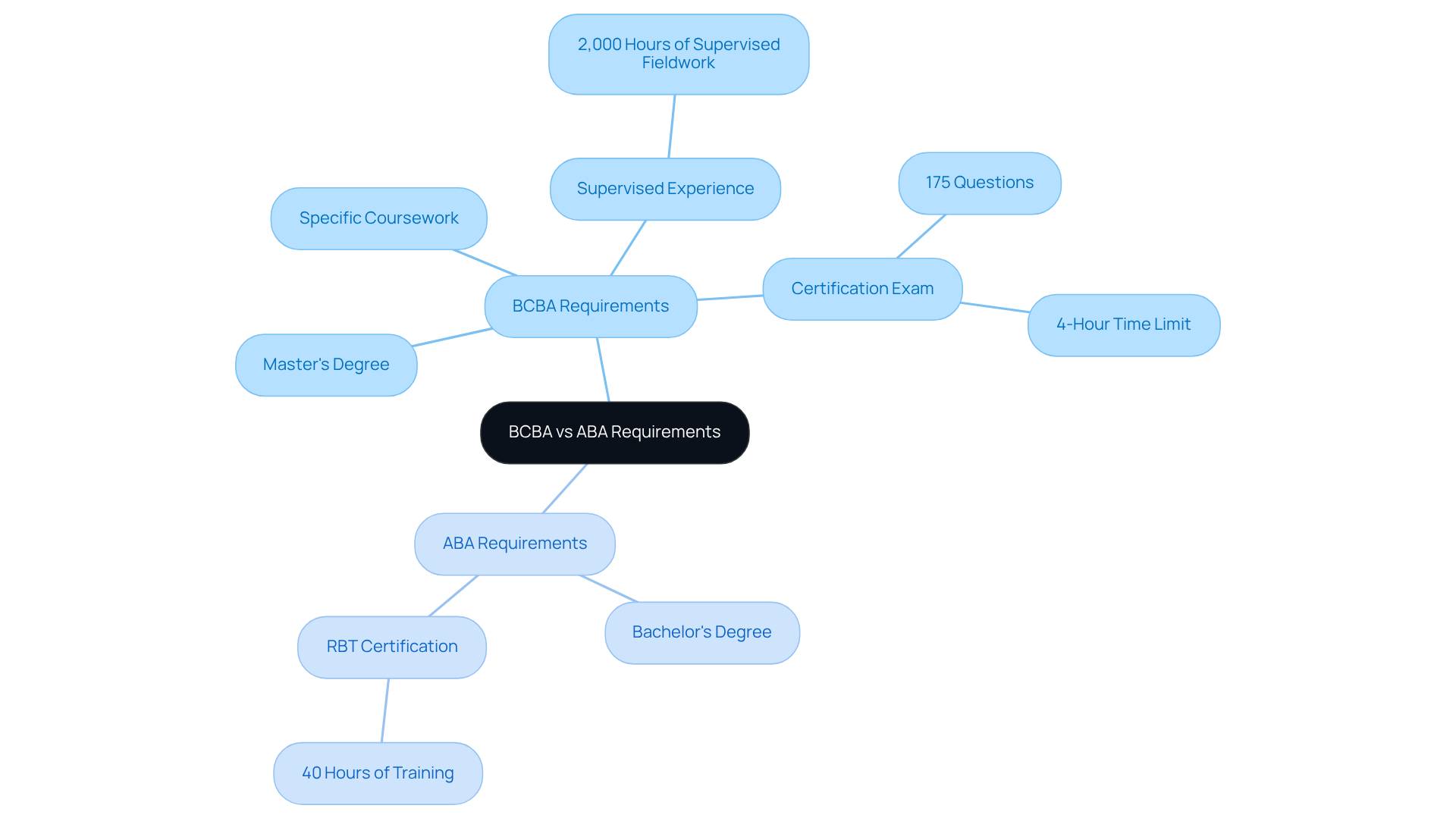
Did you know that the demand for () is skyrocketing? To become a BCBA, candidates must:
This rigorous process ensures that possess advanced knowledge and skills, making them invaluable in the field of .
In contrast, ABA therapists typically require only a bachelor's degree in psychology, education, or a related field. Many pursue certification as a (RBT) to enhance their qualifications. This difference in that bring to their roles when considering the .
Are you facing challenges in hiring qualified professionals for your organization? Consider how can and connect you with top-tier candidates. With the right support, you can ensure that your team is equipped with the to make a significant impact.
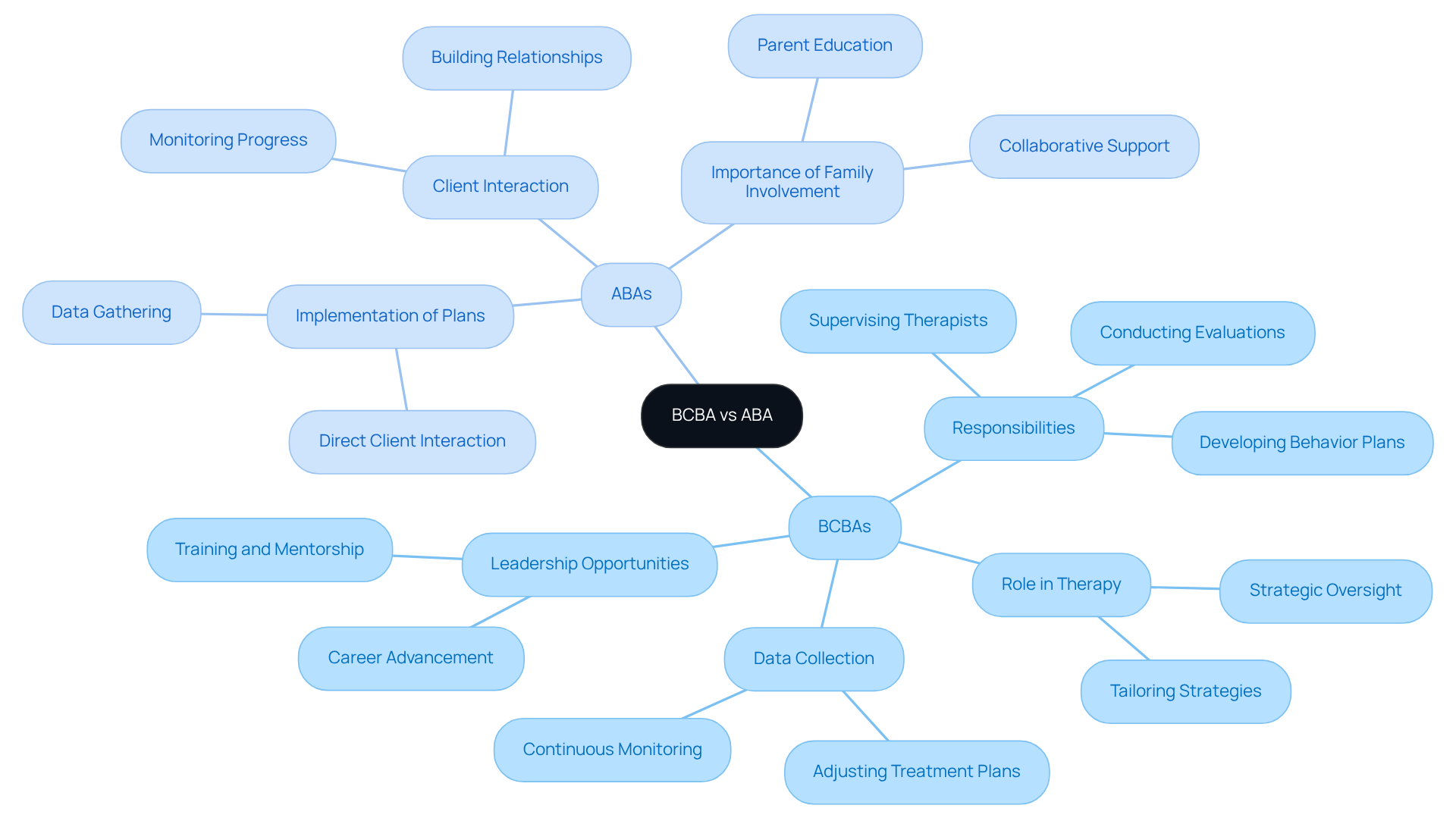
The demand for Board Certified Behavior Analysts (BCBAs) is high, with a projected increase of 25% in the next five years, making the increasingly relevant. This surge presents a unique opportunity for healthcare employers to enhance their teams with qualified professionals. When considering , it's important to recognize that in developing and supervising behavior plans, conducting thorough evaluations to ensure strategies are tailored to meet each client's specific needs. They oversee the differences between , ensuring that interventions are grounded in empirical evidence and best practices.
In contrast, when discussing , therapists implement these plans, working directly with clients to gather data and monitor progress. This collaborative structure is essential for effective , allowing behavior analysts to provide strategic oversight while therapists engage with clients. Research shows that when comparing interventions, the significantly improve treatment outcomes, boasting an impressive .
Moreover, BCBAs emphasize the . This ongoing process not only informs treatment adjustments but also empowers ABA therapists to deliver personalized care. The highlights the vital synergy between behavior analysts and therapists in fostering positive behavioral changes and achieving meaningful progress for clients.
The expanding field of also offers various leadership roles and flexible working conditions, allowing BCBAs to make a significant impact while advancing their careers in the . Parent education is another critical component of successful , underscoring the necessity of family involvement in the therapeutic journey. Initiating before the age of two is crucial for enhancing communication skills and facilitating integration into preschool, highlighting the importance of early intervention.
As the market for continues to grow, the collaboration between behavior analysts, therapists, and families becomes increasingly important for optimizing intervention effectiveness. Are you facing challenges in hiring qualified BCBAs? Consider how can streamline your recruitment process and connect you with top talent in the field.
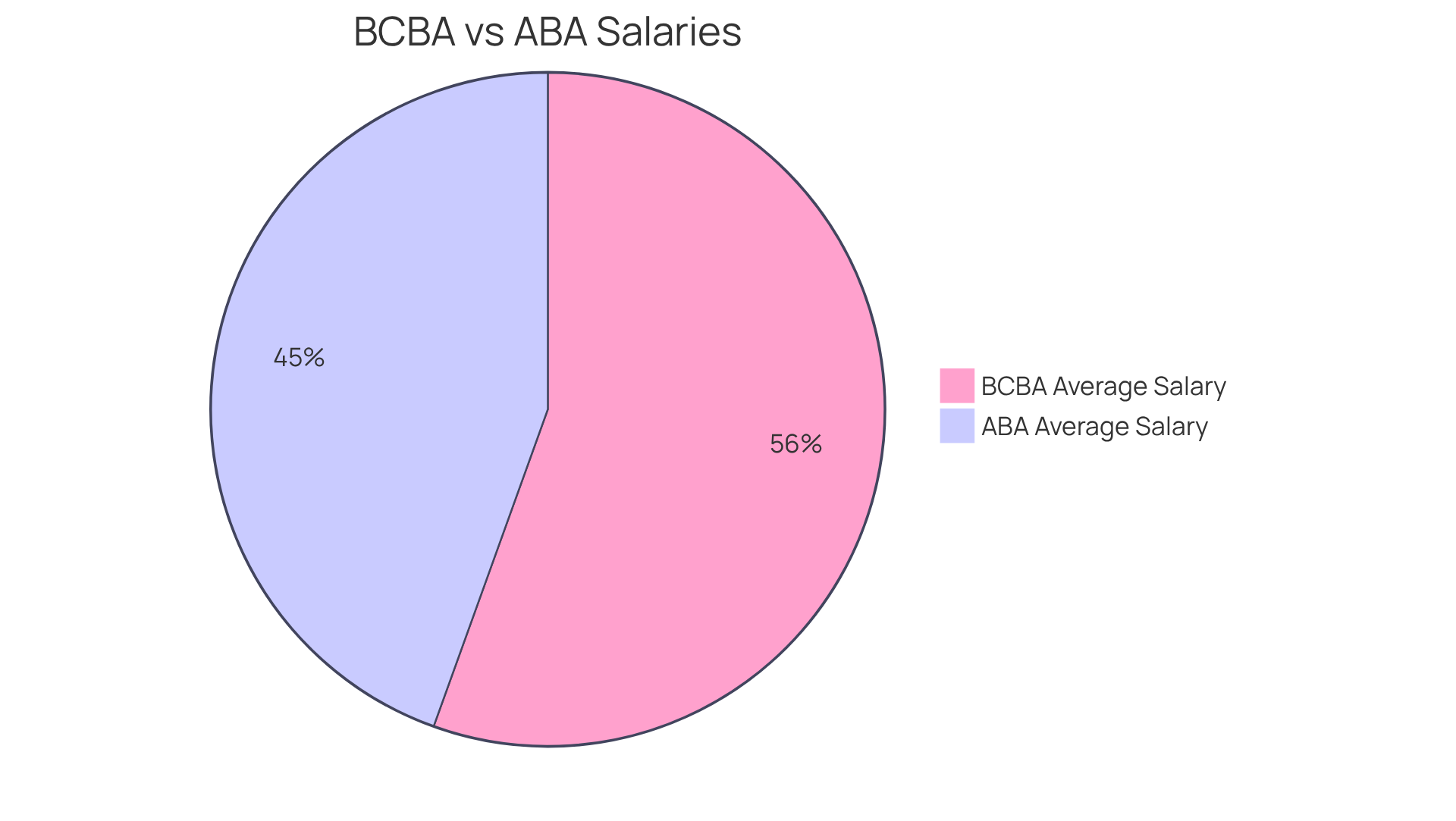
The demand for is high, showcasing the salary advantage they have over in the context of . Did you know the is around $89,075? This figure notably exceeds the average of $73,532 for ABAs, showcasing the . However, salaries can vary widely based on experience and location, ranging from $47,500 to $149,000. This disparity reflects the advanced qualifications and responsibilities that come with .
The employment landscape for is thriving, with a projected growth rate of 14% annually since 2010. This surge is driven by the increasing demand for qualified professionals in various settings, including schools, clinics, and private practices. The rising prevalence of autism spectrum disorder has heightened the need for effective therapeutic interventions, which brings attention to the importance of BCBAs in the debate of in today’s healthcare environment.
For those looking to advance their careers, BCBAs often have access to leadership roles that can significantly boost their earning potential. For instance, behavior analyst directors can earn over $100,000 annually, highlighting the financial rewards of advanced certifications and specialized training. Interestingly, BCBAs with 1 to 4 years of experience typically earn around $63,000, while those with 10 to 19 years can earn approximately $77,000.
Industry analysts predict that the demand for will continue to rise, with job listings for these positions increasing significantly in recent years. Geographic location plays a crucial role in at $99,394, and urban areas like San Francisco averaging about $93,846. This trend underscores the in delivering effective therapy and the value placed on their expertise in the healthcare landscape.
Are you facing challenges in hiring qualified ? Consider how can help you connect with top talent in this growing field.
Understanding the distinctions between Board Certified Behavior Analysts (BCBAs) and Applied Behavior Analysts (ABAs) is crucial for employers seeking to build effective teams in the field of behavior analysis. Did you know that the demand for BCBAs has surged by over 30% in recent years? This statistic highlights the urgent need for qualified professionals in this field. While both roles are integral to ABA therapy, they serve different functions that contribute to the overall success of interventions. BCBAs, with their advanced training and supervisory responsibilities, play a pivotal role in designing and overseeing treatment plans, while ABAs implement these strategies in direct client interactions.
Throughout the article, key differences have been highlighted, including:
BCBAs require a master's degree and certification, which positions them for higher salaries and leadership roles compared to ABAs, who typically hold a bachelor's degree. The growing demand for both roles, particularly for BCBAs, underscores the significance of their expertise in delivering effective behavioral interventions.
As the field of behavior analysis continues to expand, it is essential for employers to recognize the value of hiring qualified professionals in both capacities. Are you facing challenges in your hiring process? By leveraging resources like Hire ABA, organizations can streamline their recruitment processes and ensure they attract the right talent to meet the evolving needs of clients. Investing in skilled behavior analysts not only enhances treatment outcomes but also strengthens the overall effectiveness of ABA strategies, ultimately leading to better support for individuals with behavioral challenges. Don't miss out on the opportunity to elevate your team-consider using Hire ABA today.
What is Applied Behavior Analysis (ABA)?
Applied Behavior Analysis (ABA) is a scientific discipline focused on understanding and modifying behavior through evidence-based techniques.
What role does a Board Certified Behavior Analyst (BCBA) play in ABA?
A BCBA is a certified expert responsible for designing and supervising ABA programs, conducting evaluations, creating personalized treatment strategies, and overseeing ABA therapists to ensure effective and ethical interventions.
Why is the supervisory role of BCBAs important?
The supervisory role of BCBAs is crucial as they ensure that treatment aligns with best practices and meets the unique needs of each client.
How has the demand for behavior analysts changed in recent years?
The demand for behavior analysts has significantly increased, with job postings rising from 7,091 in 2017 to 16,109 in 2018, and over 65,300 job postings for BCBAs as of 2023.
What is the expected growth rate for behavior analysts through 2030?
The anticipated overall growth rate for behavior analysts is approximately 22% through 2030.
How do BCBAs use data in their practice?
BCBAs engage in data-informed decision-making by gathering and analyzing progress data to refine treatment plans, ensuring that interventions are tailored to the specific needs of clients.
What services does Hire ABA provide for behavior analysts?
Hire ABA offers tailored resume evaluations to help behavior analysts navigate the job market, providing personalized evaluations that align their experience and career goals with suitable job opportunities.
How does Hire ABA assist employers in the behavioral health sector?
Hire ABA helps employers build effective teams by matching behavior analysts with positions that fit their skills, preferences, and desired locations, enhancing the hiring process in the field of behavior analysis.
Our expert recruitment strategies and AI-driven sourcing ensure that you receive top-notch candidates quickly, without compromising on quality. Whether you’re looking for BCBAs, Clinical Directors, or RBTs, we’ve got you covered.


