Introduction
Understanding behavioral extinction is crucial for practitioners in Applied Behavior Analysis (ABA) therapy. This concept serves as a powerful tool for modifying unwanted behaviors. By halting the reinforcement that sustains these behaviors, therapists can effectively diminish or even eliminate them, leading to improved outcomes for the children they support.
However, the journey to successfully implementing behavioral extinction is not without its challenges. Practitioners often encounter initial resistance and inconsistencies in application. How can you navigate these obstacles to harness the full potential of behavioral extinction strategies?
Reflect on your current hiring challenges. Are you equipped to address the complexities of behavioral extinction in your practice? Consider how effective recruitment can enhance your team's capabilities and ultimately improve the lives of those you serve.
Define Behavioral Extinction in ABA Therapy
Understanding behavioral extinction is crucial for in . This process involves behavioral extinction, which diminishes or eradicates a specific response by halting the reinforcement that previously supported it. For instance, consider a child who has learned that throwing a tantrum results in gaining attention. In this scenario, a therapist would strategically ignore the tantrum, effectively eliminating the reinforcement.
This method is grounded in the principles of , which explains how behavioral extinction happens when actions that are no longer reinforced tend to diminish over time. By grasping this concept, practitioners can apply more effectively in their interventions.
Are you aware of how these strategies can transform your approach to ? Understanding and implementing these techniques not only enhances your effectiveness as a practitioner but also significantly benefits the children you work with. Embrace the power of and elevate your practice.

Steps to Implement Behavioral Extinction
- Identify the Target Action: Start by clearly defining the specific behavior you want to eliminate. This could range from aggressive outbursts to attention-seeking actions, ensuring that the behavior is observable and measurable. Did you know that in children receiving ? This statistic underscores the for effective intervention.
- Conduct a : Next, perform a comprehensive FBA to uncover the underlying reasons for the behavior. This assessment involves collecting data through direct observation and interviews with caregivers and teachers, helping to pinpoint triggers and consequences associated with the behavior. for individuals with autism and developmental disabilities.
- Develop a Termination Plan: Create a detailed that outlines how reinforcement will be consistently withheld. This plan should include specific strategies for all caregivers and involved parties, ensuring they are trained to implement the plan uniformly. Consistency across environments is key. The success of often relies on the collaborative efforts of everyone involved in the child's care.
- Implement the Plan: Now, initiate the extinction procedure by applying the plan consistently. For instance, if the target behavior is tantrums for attention, all caregivers must ignore the tantrum without providing any form of reinforcement. This approach decreases the likelihood of , which reduces the chances of the behavior recurring. Consistent application of the plan is vital, as the effectiveness of ABA strategies is supported by empirical studies.
- Monitor Progress: Finally, continuously observe and document the frequency of the target behavior to assess the effectiveness of the extinction strategy. Regular data collection allows for adjustments to the strategy based on observed results, ensuring that the approach remains adaptable to the individual's needs and effectively addresses . Ongoing professional development is essential for maintaining , ensuring that interventions are grounded in research and proven methodologies.

Address Challenges in Implementing Extinction
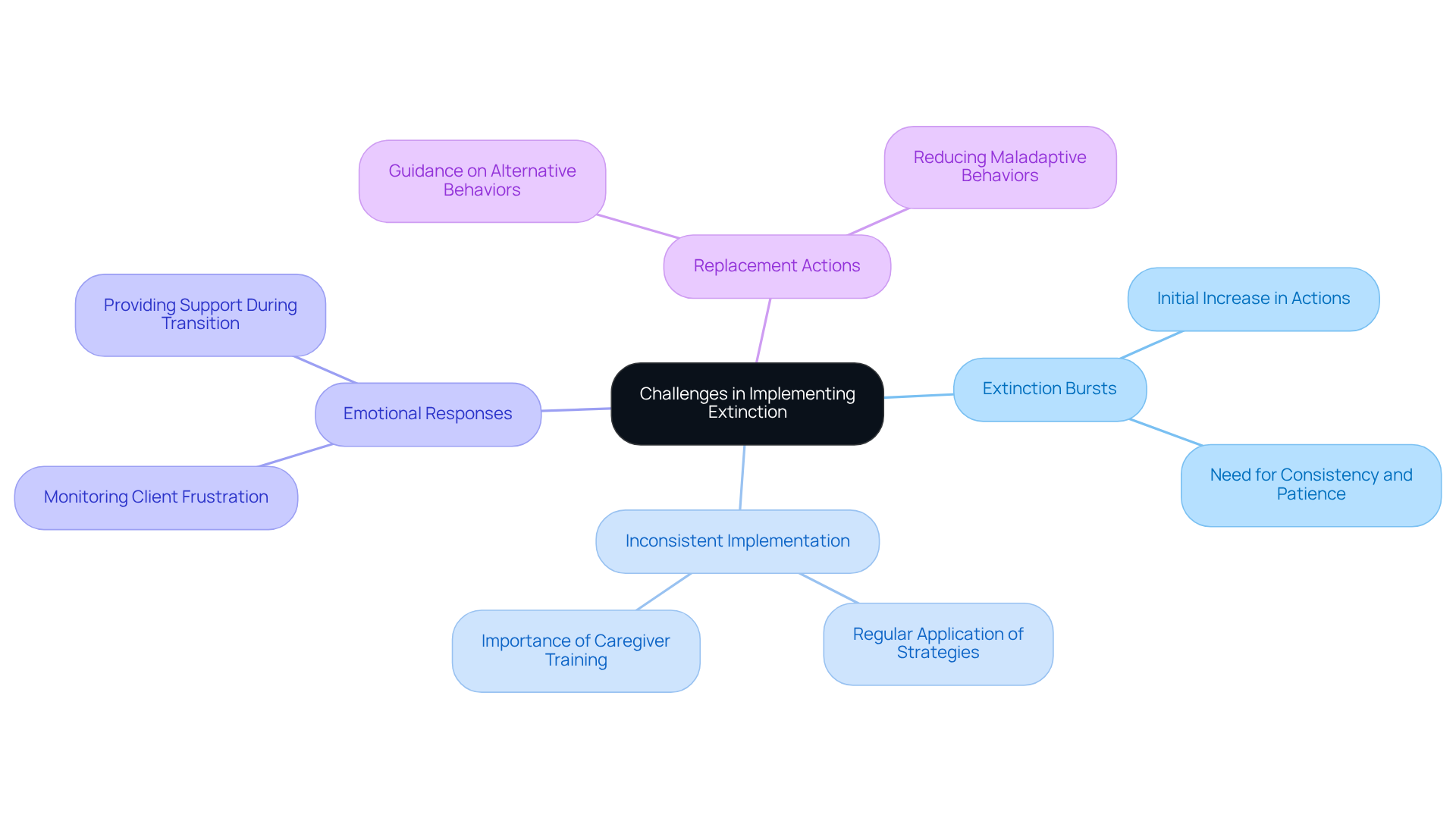
Implementing can present several challenges that require careful consideration:
- : Initially, actions may increase in frequency or intensity before they start to decline. This phenomenon, known as a cessation burst, necessitates that practitioners remain consistent and patient during this phase.
- : If caregivers do not regularly apply the cessation strategy, the actions may persist or even intensify. Therefore, are crucial to ensure effective implementation.
- : Clients may exhibit frustration or distress during the extinction process. It is vital to monitor these and provide support as needed to facilitate a smoother transition.
- : Without guidance on alternative, suitable actions, clients may resort to other maladaptive behaviors. Integrating these alternative actions into the plan can significantly reduce this risk.
By addressing these challenges head-on, practitioners can enhance the effectiveness of strategies for .
Evaluate the Effectiveness of Extinction Strategies
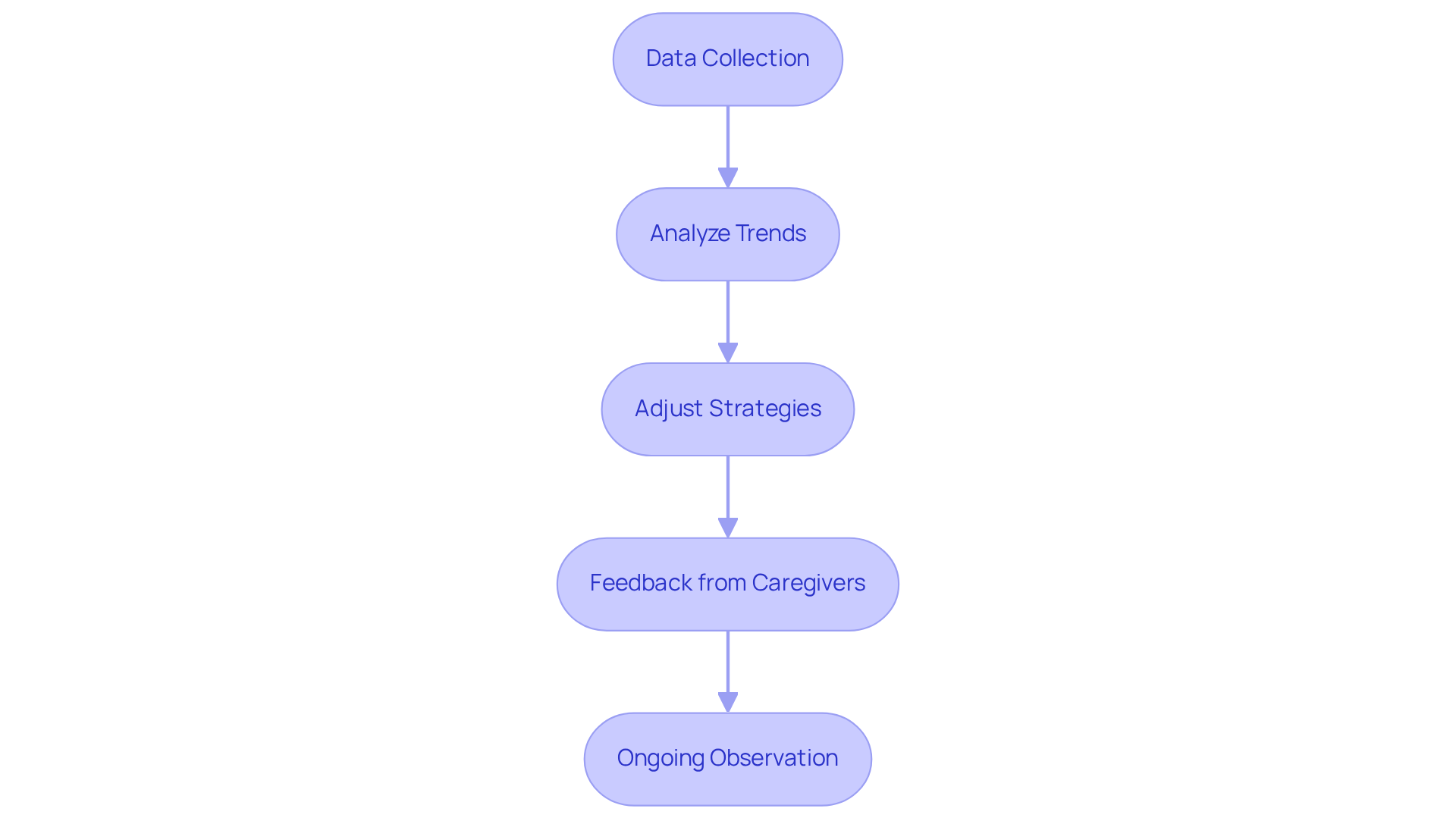
To effectively evaluate the success of extinction strategies in , follow these :
- Data Collection: Thorough documentation is key. before, during, and after the intervention. This foundational step is crucial for understanding . Methods like frequency recording and ABC charts can significantly enhance the accuracy of your data collection.
- Analyze Trends: Look for patterns in the collected data. A steady decline in the target behavior over time signals the effectiveness of your . Research shows that often exceed 89%. This statistic underscores the of well-implemented strategies.
- Adjust strategies: If the behavior doesn't diminish as expected, revisit the and the plan for behavioral extinction. Assess whether reinforcement was adequately withheld or if additional support systems are needed to boost the approach's effectiveness. Identifying barriers, such as logistical issues or family dynamics, can also guide necessary adjustments.
- Feedback from Caregivers: involved in the process. Their insights can illuminate the client’s emotional state and provide valuable feedback on the intervention's overall effectiveness. Involving caregivers is essential for a comprehensive understanding of the child's progress.
- Ongoing Observation: Even after achieving desired behavioral outcomes, continuous observation is vital. This ongoing assessment ensures stability and helps prevent the emergence of new maladaptive behaviors. A comprehensive review by the National Autism Center found , emphasizing the importance of sustained evaluation.
Conclusion
Understanding and implementing behavioral extinction in ABA therapy is not just important; it’s essential for effectively addressing maladaptive behaviors. Did you know that a significant percentage of children with behavioral issues can show marked improvement when these techniques are applied correctly? This process, which involves the strategic cessation of reinforcement for specific actions, can lead to transformative changes in a child's behavior. By mastering the steps involved - identifying target behaviors, conducting thorough assessments, developing consistent plans, and monitoring progress - practitioners can enhance their therapeutic interventions and foster positive change.
Key insights highlight the critical role of consistency and collaboration among caregivers. Addressing challenges such as extinction bursts and emotional responses is vital. Are you prepared to remain vigilant and adaptable? By refining strategies and ensuring that interventions are responsive to each child's unique needs, practitioners can significantly improve outcomes. Data collection and feedback from caregivers are not just helpful; they are vital components that enable practitioners to assess effectiveness and make necessary adjustments throughout the therapeutic process.
Ultimately, the significance of behavioral extinction in ABA therapy cannot be overstated. By embracing these techniques and committing to ongoing evaluation and adaptation, practitioners can create a supportive environment that empowers children to develop more appropriate behaviors. The journey toward effective behavioral change is both challenging and rewarding. With the right strategies in place, practitioners can make a lasting impact on the lives of those they serve. Are you ready to take the next step in your practice?
Frequently Asked Questions
What is behavioral extinction in ABA therapy?
Behavioral extinction in ABA therapy is the process of diminishing or eradicating a specific response by stopping the reinforcement that previously supported it.
Can you provide an example of behavioral extinction?
An example of behavioral extinction is when a child throws a tantrum to gain attention. A therapist would ignore the tantrum, effectively removing the reinforcement and helping to eliminate the behavior.
What principles is behavioral extinction based on?
Behavioral extinction is grounded in the principles of operant conditioning, which explains that actions that are no longer reinforced tend to diminish over time.
How can understanding behavioral extinction benefit practitioners in ABA therapy?
Understanding and implementing behavioral extinction strategies can enhance a practitioner's effectiveness and significantly benefit the children they work with by improving intervention outcomes.
List of Sources
- Steps to Implement Behavioral Extinction
- Applied Behavior Analysis (ABA) Statistics: Data, Effectiveness, and Evidence-Based Practices (https://nexoaba.com/applied-behavior-analysis-statistics)
- advancedautism.com (https://advancedautism.com/post/how-functional-behavior-assessments-inform-therapy-for-advanced-autism)
- Success Rates of ABA Therapy | Advanced Autism Services (https://advancedautism.com/post/success-rates-of-aba-therapy)
- Patient Outcomes After Applied Behavior Analysis for Autism Spectrum Disorder - PMC (https://pmc.ncbi.nlm.nih.gov/articles/PMC8702444)
- Best ABA Quotes (https://testpreptech.com/post/best-aba-quotes)
- Evaluate the Effectiveness of Extinction Strategies
- The Significance of Statistics in ABA Therapy | All Star ABA (https://allstaraba.org/statistics-in-aba-therapy)
- Resources | Golden Steps ABA (https://goldenstepsaba.com/resources/success-rates-of-aba-therapy)
- 7 Strategies for Effective Extinction Behavior Modification – Rori Blog (https://rori.care/post/7-strategies-for-effective-extinction-behavior-modification)
- Success Rates of ABA Therapy | Advanced Autism Services (https://advancedautism.com/post/success-rates-of-aba-therapy)
- Applied Behavior Analysis (ABA) Statistics: Data, Effectiveness, and Evidence-Based Practices (https://nexoaba.com/applied-behavior-analysis-statistics)


