4 Steps to Obtain Your BCBA Certificate Successfully

December 18, 2025

Introduction

The landscape of behavioral analysis is witnessing an unprecedented surge in demand for Board Certified Behavior Analysts (BCBAs). In fact, the need for qualified professionals in this field has skyrocketed in recent years, highlighting the critical importance of navigating the certification process effectively. Obtaining a BCBA certificate not only enhances your professional credibility but also opens doors to a fulfilling career.

However, many aspiring analysts may find themselves overwhelmed by the numerous steps involved - from educational qualifications to passing a rigorous examination. How can you streamline your journey toward certification? What essential steps will ensure your success in this competitive field?

Consider this: the right guidance can make all the difference. By leveraging platforms like Hire ABA, you can navigate the complexities of certification with confidence. This resource not only simplifies the hiring process but also connects you with opportunities that align with your career goals.

Reflect on your current hiring challenges. Are you struggling to find the right candidates? Hire ABA can address these issues, providing you with the tools and support needed to thrive in this evolving landscape.

As you embark on this journey, remember that each step you take brings you closer to achieving your professional aspirations. The path to becoming a BCBA is not just about meeting requirements; it’s about embracing the opportunities that come with certification.

Complete Required Educational Qualifications

The demand for qualified Board Certified Behavior Analysts (BCBAs) is skyrocketing, with job opportunities projected to increase by nearly 2,000% from 2010 to 2020. This surge highlights the importance of pursuing a master's degree in behavior analysis, a pathway that not only opens doors to a rewarding career but also ensures you meet the qualifications necessary for success in this field.

To obtain the BCBA certificate, you must first fulfill the required educational qualifications. This typically involves:

  1. Earning a Bachelor's Degree: Start with a bachelor's degree in psychology, education, or a related field. This foundational step is crucial as it prepares you for advanced studies in the analysis of conduct.

  2. Pursuing a Master's Degree: Enroll in a master's program accredited by the Association for Behavior Analysis International (ABAI). Accreditation is essential; programs with ABAI recognition have shown higher first-time pass rates on the certification exam, boasting an overall pass rate of 82% for graduates from these programs. Furthermore, 69% of Verified Course Sequences (VCSs) with at least two years of published data have demonstrated an increase in first-time pass rates over time, underscoring the effectiveness of accredited programs.

  3. Completing Behavior-Analytic Coursework: Your master's program should encompass key areas such as ethical and professional conduct, assessment, intervention, and research methods in behavior analysis. Ensure that your coursework aligns with the BACB's guidelines, which typically require at least 315 hours of relevant content. It's important to note that 53% of the VCSs had an overall first-time pass rate of less than 70%, emphasizing the significance of choosing accredited programs for earning a BCBA certificate.

  4. Documenting Your Education: Maintain detailed records of your transcripts and course syllabi, as these documents will be necessary when applying for the BCBA certificate exam. Accurate documentation is essential, as it confirms your educational background and adherence to qualification requirements.

Moreover, possessing BACB credentials is crucial for reimbursement of ABA services in more than 30 states, highlighting the significance of qualifications in this field. Are you ready to take the next step in your career? Consider how Hire ABA can assist you in navigating the recruitment landscape effectively.

Each box represents a step in the educational journey to becoming a BCBA. Follow the arrows to see how each step builds on the previous one, leading to certification.

Fulfill Experience Requirements

Acquiring your BCBA certificate is essential in today’s competitive landscape. Did you know that the demand for Board Certified Behavior Analysts is skyrocketing, particularly for those holding a BCBA certificate? Meeting the experience requirements is crucial to stand out in this field.

  • Completing Supervised Fieldwork: Candidates must accumulate at least 2,000 hours of supervised fieldwork in applied behavior analysis. This experience should be conducted under the guidance of a qualified Board Certified Behavior Analyst. Such hands-on training is vital for applying theoretical knowledge in real-world settings.

  • Types of Experience: Fieldwork can be categorized into various types, including supervised independent fieldwork, practicum, or intensive practicum. It’s essential that these experiences align with the standards set by the Behavior Analyst Certification Board (BACB) to ensure compliance and effectiveness.

  • Tracking Your Hours: Accurate documentation of your supervised hours is critical. Maintain a detailed log that includes the types of activities performed and the supervision received. This precise record-keeping is crucial for your BCBA certificate application and helps avoid common pitfalls like incomplete documentation, which can delay obtaining your BCBA certificate.

  • Regular Supervision Meetings: Schedule consistent meetings with your supervisor to discuss your progress and receive constructive feedback. These sessions are vital for ensuring that you meet the required competencies outlined by the BACB. They also enhance the quality of your training through ongoing support and guidance.

Effective supervision models, characterized by regular feedback and structured oversight, significantly contribute to the quality of fieldwork experience. Participating in these activities not only prepares candidates for the certification test but also fosters professional development and ethical conduct in analysis. Are you ready to take the next step in your career? Start your journey today!

Follow the arrows to see the steps you need to take to meet the experience requirements for your BCBA certification. Each box represents a key action in the process.

Pass the BCBA Examination

The demand for Board Certified Behavior Analysts (BCBAs) is on the rise, making the BCBA certificate a valuable asset in the field of behavioral analysis. Once you’ve met your educational and experience requirements, the next crucial step is to obtain the BCBA certificate by passing the certification examination. Here’s how to prepare effectively:
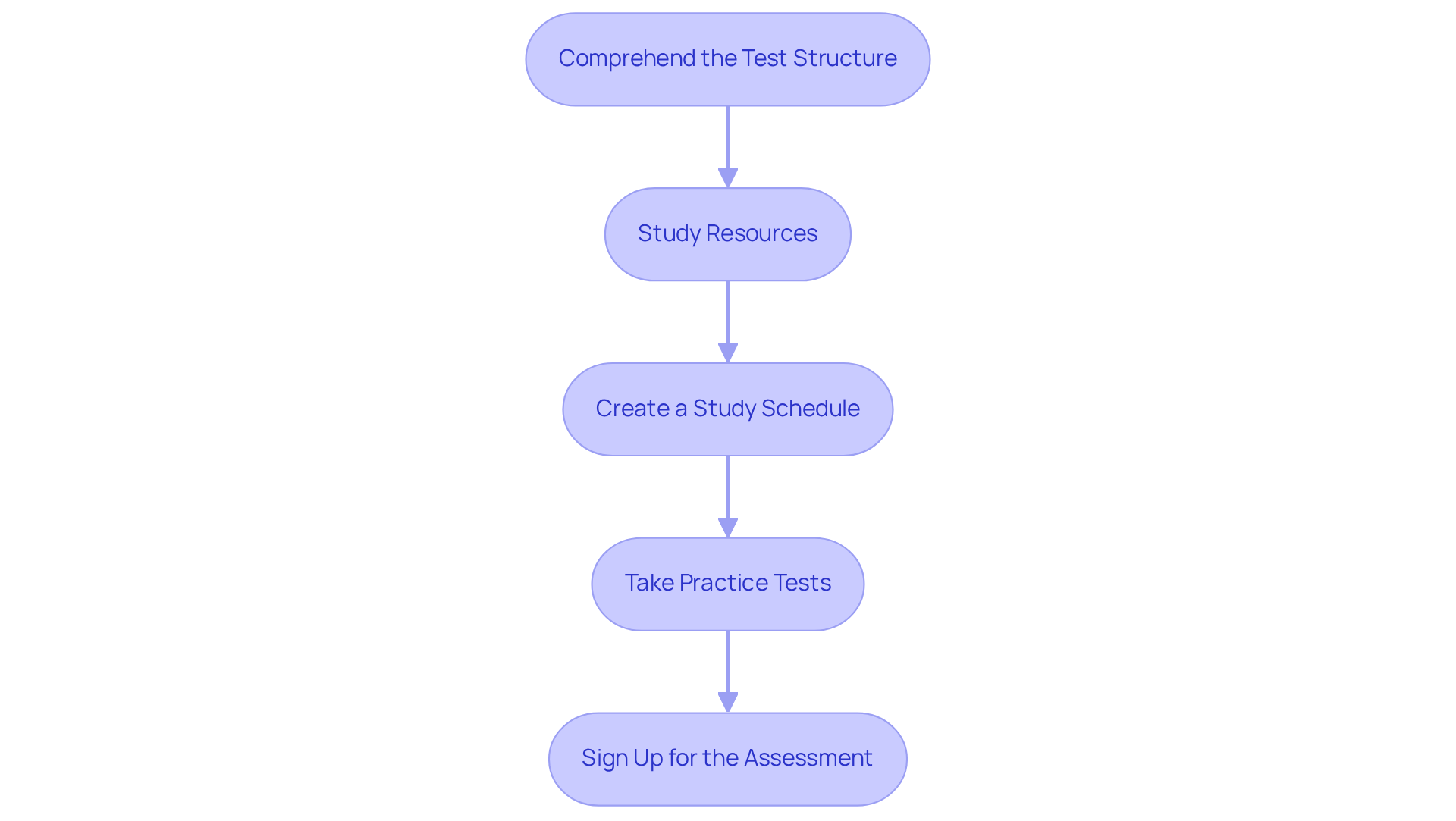
  1. Comprehend the Test Structure: The BCBA assessment consists of multiple-choice questions designed to evaluate your grasp of behavioral analysis principles and practices. Familiarize yourself with the test structure, which includes essential content areas such as measurement, behavior change procedures, and ethics.

  2. Study Resources: Leverage a variety of study materials, including textbooks, online courses, and practice tests. Recent trends show that candidates benefit from engaging with diverse resources, such as simulation software and study apps, which enhance interactivity and accessibility. Consider joining study groups or forums to share resources and strategies with peers, fostering a collaborative learning environment. Additionally, utilizing academic support services can significantly bolster your test preparation.

  3. Create a Study Schedule: Develop a structured study plan that allocates time for each content area. Research indicates that candidates typically invest around 150-200 hours in preparation. Incorporate regular review sessions and practice tests to assess your understanding and readiness, ensuring comprehensive coverage of all necessary topics.

  4. Take Practice Tests: Simulate the testing environment by completing full-length practice tests. This strategy not only helps you manage your time effectively but also allows you to pinpoint areas needing further review for the BCBA certificate. Engaging in practice assessments can greatly enhance your confidence and performance on the actual test day.

  5. Sign Up for the Assessment: When you feel prepared, register for the assessment through the BACB website. Ensure you meet all application requirements, including the submission of necessary documentation, and adhere to specified timelines. Keep in mind that the current fee for the Board Certified Behavior Analyst exam is $370, a significant financial consideration for candidates.

Each box represents a crucial step in your preparation journey. Follow the arrows to see how to progress from understanding the test to registering for it.

Maintain Your BCBA Certification

After acquiring your bcba certificate, it’s crucial to uphold it through continuous professional development. Did you know that the demand for BCBAs is skyrocketing? Staying certified not only enhances your credibility but also opens doors to new opportunities. Here’s what you need to do:

  1. Complete Continuing Education Units (CEUs): Every two years, you must earn a minimum of 32 CEUs to maintain your credentials. This includes at least 4 CEUs focused on ethics and 3 CEUs related to supervision if you provide supervision to others.

  2. Stay Informed: Regularly review the BACB's updates and changes to credentialing requirements. Staying compliant with new regulations or standards in the field is essential for your professional growth.

  3. Document Your CEUs: Keep accurate records of your completed CEUs, including certificates of completion and course descriptions. You’ll need to submit this documentation during the recertification process.

  4. Renew Your Credential: Submit your renewal application through the BACB website before your credential expires. Ensure that all CEUs are documented and that you meet all renewal requirements to avoid any lapse in certification.

Are you ready to take the next step in your professional journey? Upholding your bcba certificate is not just a requirement; it’s an investment in your future.

Each box represents a step in the process of maintaining your BCBA certification. Follow the arrows to see how each step leads to the next, ensuring you stay on track.

Conclusion

The demand for Board Certified Behavior Analysts (BCBAs) is soaring, with a significant increase in job opportunities projected in the coming years. This makes acquiring a BCBA certificate not just a personal achievement but a strategic career move. By following the essential steps outlined in this guide, you can build a solid foundation for a successful career in this dynamic field.

  • Selecting an accredited master's program is crucial. It ensures that you receive the quality education necessary to excel.
  • Accumulating supervised fieldwork hours is equally important, as it provides hands-on experience that is invaluable in practice.
  • Moreover, utilizing effective study strategies for the BCBA exam can significantly enhance your chances of success.

But it doesn’t stop there. Ongoing professional development through continuing education is vital for maintaining your certification and staying current in the field. As the landscape of behavioral analysis evolves, so too must your skills and knowledge.

Are you facing challenges in hiring qualified BCBAs? Consider how Hire ABA can streamline your recruitment process. With a focus on connecting employers with top talent, Hire ABA is your reliable partner in enhancing the quality of behavioral analysis services.

Taking proactive steps today can lead to a rewarding career tomorrow. Embrace this journey with confidence and determination, and watch as you contribute to the broader goal of improving behavioral analysis services. Start your path to becoming a BCBA now!

Frequently Asked Questions

What is the demand for Board Certified Behavior Analysts (BCBAs)?

The demand for BCBAs is rapidly increasing, with job opportunities projected to rise by nearly 2,000% from 2010 to 2020.

What educational qualifications are required to become a BCBA?

To become a BCBA, you must earn a bachelor's degree in psychology, education, or a related field, followed by a master's degree in behavior analysis accredited by the Association for Behavior Analysis International (ABAI).

Why is it important to choose an ABAI-accredited master's program?

Choosing an ABAI-accredited master's program is important because these programs have higher first-time pass rates on the BCBA certification exam, with an overall pass rate of 82% for graduates.

What coursework should be included in a master's program for BCBA certification?

The master's program should include coursework in ethical and professional conduct, assessment, intervention, and research methods in behavior analysis, aligning with the BACB's guidelines, which require at least 315 hours of relevant content.

What is the significance of documenting educational qualifications for BCBA certification?

Documenting your educational qualifications is crucial as it involves maintaining detailed records of transcripts and course syllabi, which are necessary when applying for the BCBA certificate exam.

How do BACB credentials impact the reimbursement of ABA services?

Possessing BACB credentials is essential for the reimbursement of ABA services in more than 30 states, highlighting the importance of having the appropriate qualifications in this field.