


Thank you! Your submission has been received!
Oops! Something went wrong while submitting the form.
November 17, 2025

Understanding how learned behaviors transfer across different contexts is crucial in healthcare, particularly in Applied Behavior Analysis (ABA). Did you know that the demand for Board Certified Behavior Analysts (BCBAs) is skyrocketing? As this need grows, the effectiveness of their training methods directly impacts patient outcomes. This article delves into nine key examples of response generalization, illustrating how the ability to apply skills in various situations enhances therapeutic success.
What challenges do healthcare employers face in ensuring that their hiring practices align with these essential principles? Innovative recruitment strategies like Hire ABA can help bridge the gap. By focusing on the right candidates, healthcare organizations can ensure that they are equipped to meet the rising demands of the field.
In a landscape where effective training is paramount, understanding these dynamics is not just beneficial - it's essential. Let's explore how Hire ABA can transform your hiring process and contribute to better patient outcomes.
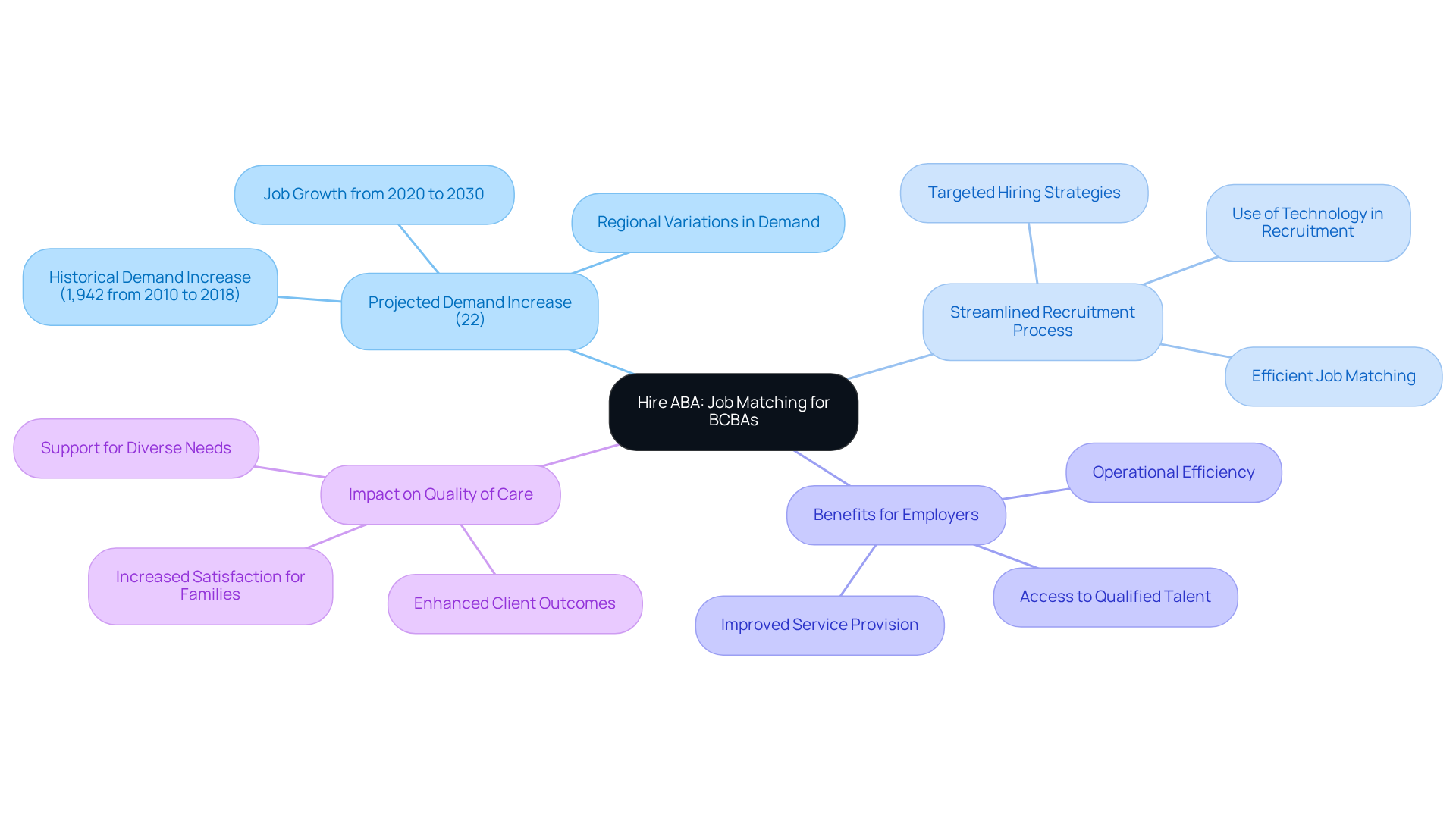
Are you aware that the ? This statistic underscores the urgency for healthcare employers to adopt efficient recruitment processes.
Hire ABA functions as a dedicated to connecting BCBAs with . By streamlining the , Hire ABA ensures that and career aspirations. This . Employers can swiftly secure the right talent to meet their needs, ultimately benefiting their operational efficiency.
The platform's focus on specialized recruitment in ABA has proven successful. Many . Are you ready to ? Trust Hire ABA to in the field.
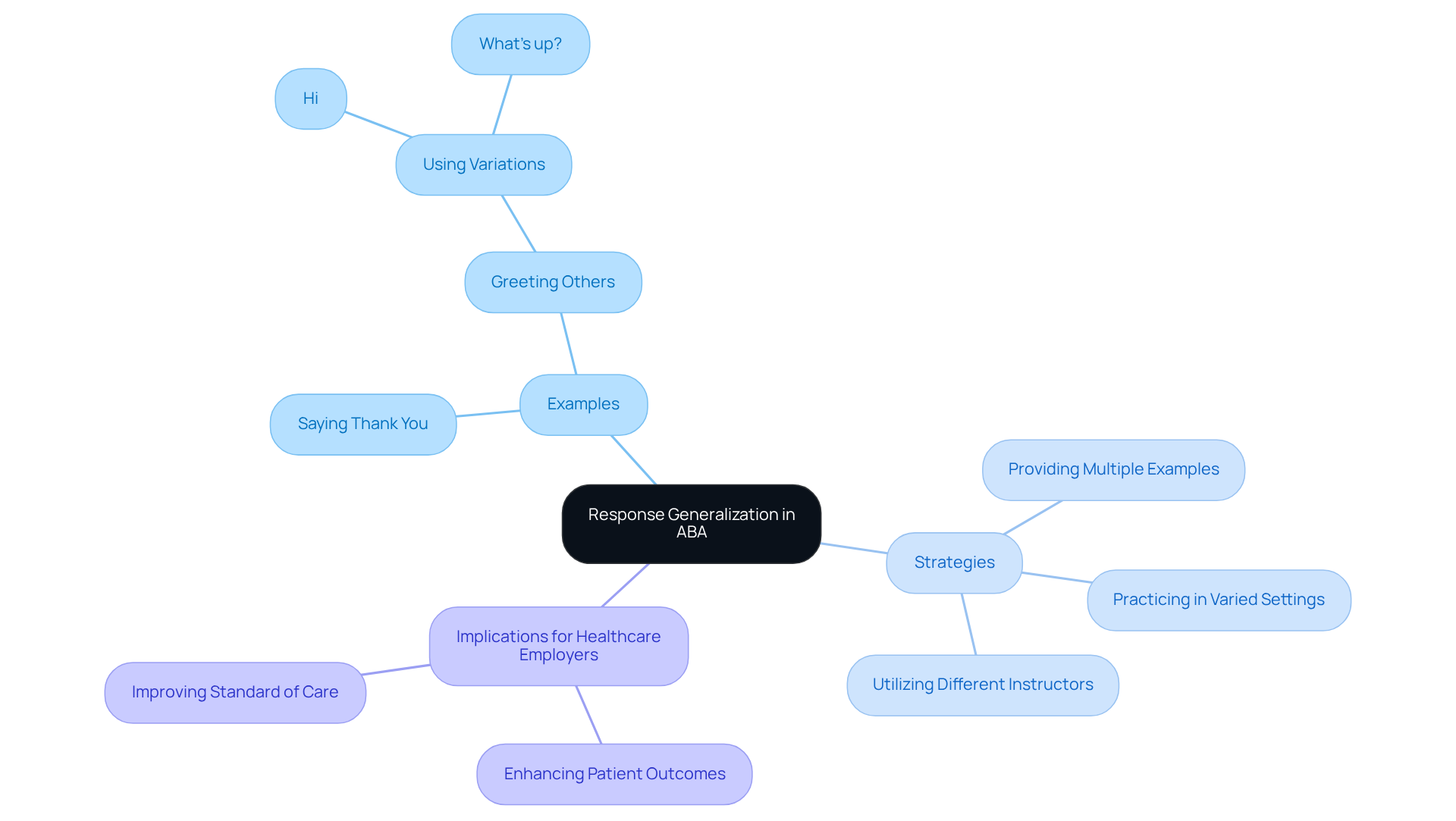
An example of response generalization is crucial in , as it allows individuals to apply learned behaviors in new contexts. This means that a behavior taught in one setting can be adapted for use in different, yet similar, situations. For example, when a child learns to say 'thank you' during therapy sessions, they may later use this skill in social interactions. Understanding this concept is vital for , as it directly impacts the provided by (BCBAs).
Recent studies underscore the significance of adaptability in enhancing cognitive flexibility. This flexibility enables individuals to adjust their skills to various situations. Consider a child who learns to greet others with 'Hello'; they may also start using variations like 'Hi' or 'What’s up?' This ability to provide a not only improves social interactions but also fosters lifelong growth.
BCBAs emphasize the importance of teaching skill transfer, providing a to ensure that abilities extend beyond specific environments. Strategies such as:
are essential for facilitating this process. Moreover, understanding the specific elements that influence response generalization-such as cognitive skills and motivation-can lead to more effective interventions tailored to each learner's needs.
For , recognizing the is crucial. It ensures that the skills taught in therapy are not only retained but also effectively applied in real-life situations. This ultimately enhances patient outcomes and elevates the overall standard of care. Are you ready to ensure that your hiring practices align with these essential principles? Consider how can support your recruitment needs and help you find the right talent to improve your practice.
In language learning, variation application is essential. It allows students to utilize different forms of a learned expression in various situations. For example, a is when a child learns to say 'hello' upon being greeted and then later adopts other greetings like 'hi' or 'hey' in similar contexts. This is not just beneficial; it is crucial for and social interaction.
Have you considered how this principle applies to your hiring practices? As a BCBA, understanding the nuances of language variation can enhance your approach to recruitment. The ability to adapt communication styles is vital in fostering connections with children and their families.
This focus on flexibility is an important consideration for . By emphasizing variation in language use, you can improve social interactions and communication outcomes. Are you ready to elevate your hiring strategy? Explore how Hire ABA can and ensure you find the right candidates who understand the importance of .
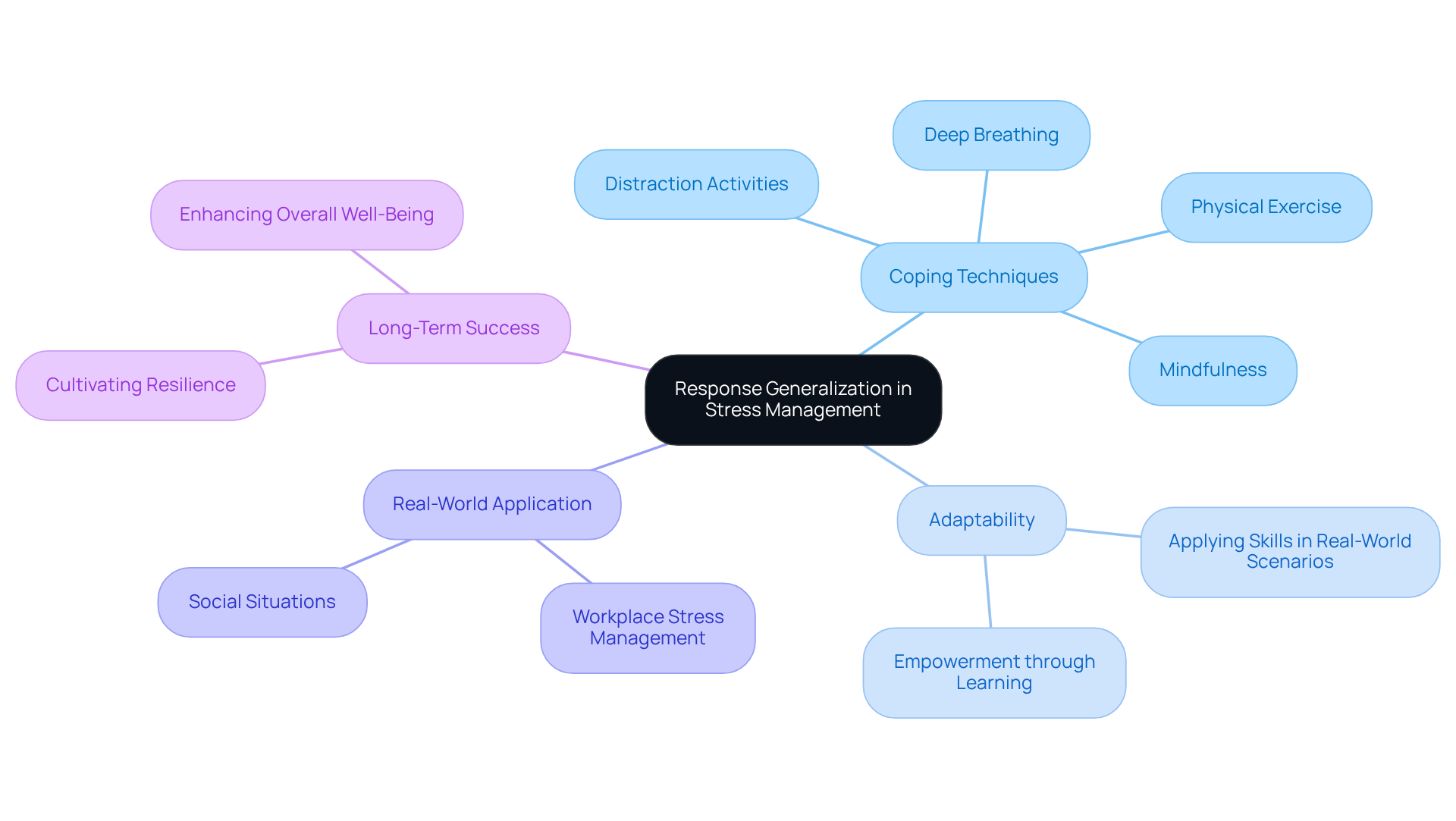
In the realm of , adaptability is essential. Clients can significantly benefit from learning various tailored for different contexts. For example, consider a client who masters during counseling sessions. This skill can then be seamlessly applied when facing at work or in social settings. Such adaptability not only empowers individuals but is also crucial for achieving in managing anxiety.
Are you aware of how these techniques can ? By integrating these strategies into daily life, clients can and enhance their overall well-being. The ability to adapt and in real-world scenarios is a that acts as a game-changer in the journey toward effective anxiety management.
Achieving effective in presents several challenges that can significantly impact learning outcomes. Consider this: many learners, particularly those with autism, face obstacles that hinder their ability to apply learned behaviors in real-world scenarios.
Addressing these challenges requires a comprehensive approach. Tailored interventions, such as using , can help children attend to multiple features of a stimulus. By focusing on these elements, practitioners can more effectively assist learners in achieving significant application of their abilities.

To effectively measure and assess , practitioners can implement several key strategies:
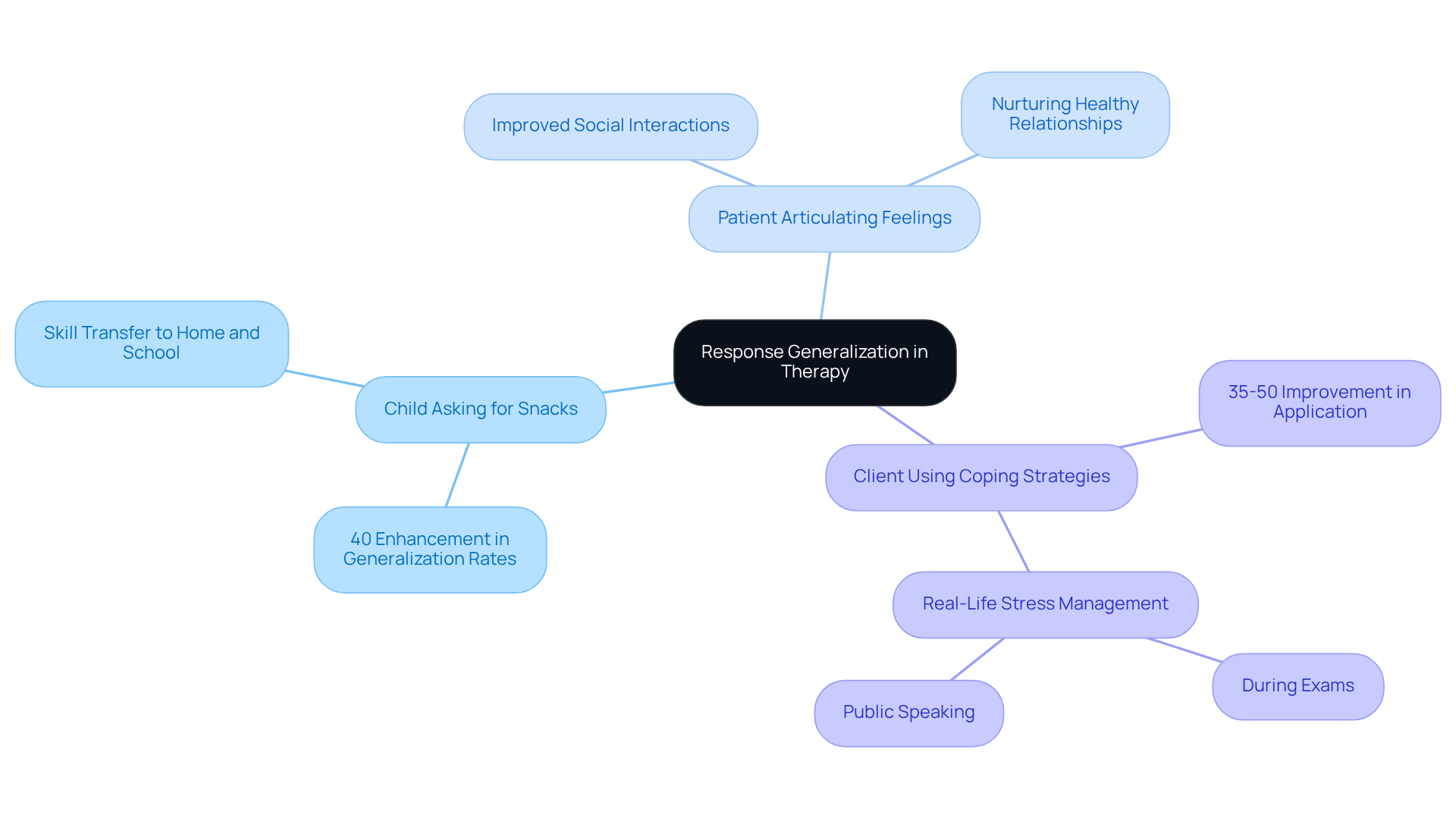
Effective assessment strategies are backed by data showing that children receiving demonstrate significantly improved outcomes, serving as a example. For example, children who start therapy before age five show a 40% enhancement in transfer rates compared to those who begin later. This underscores the importance of in fostering skill development. Furthermore, the quantity of necessary demonstration samples for broad application usually varies from 3 to 8 instances, highlighting the importance of thorough evaluation methods.
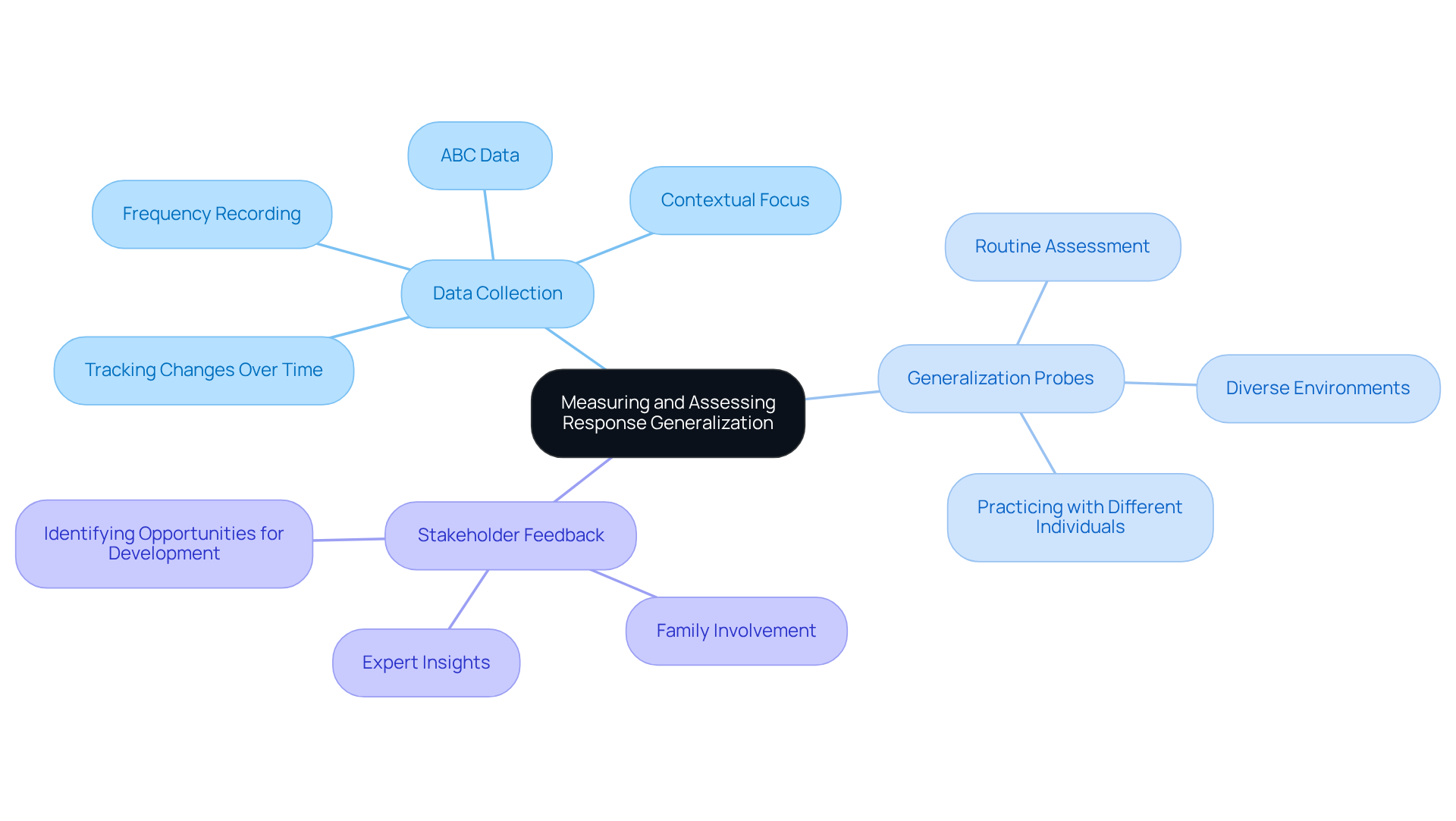
significantly influence the . Understanding these factors is crucial for . Consider the following key aspects:
By focusing on these elements, you can create a that improves the effectiveness of your training programs and ensures better outcomes.

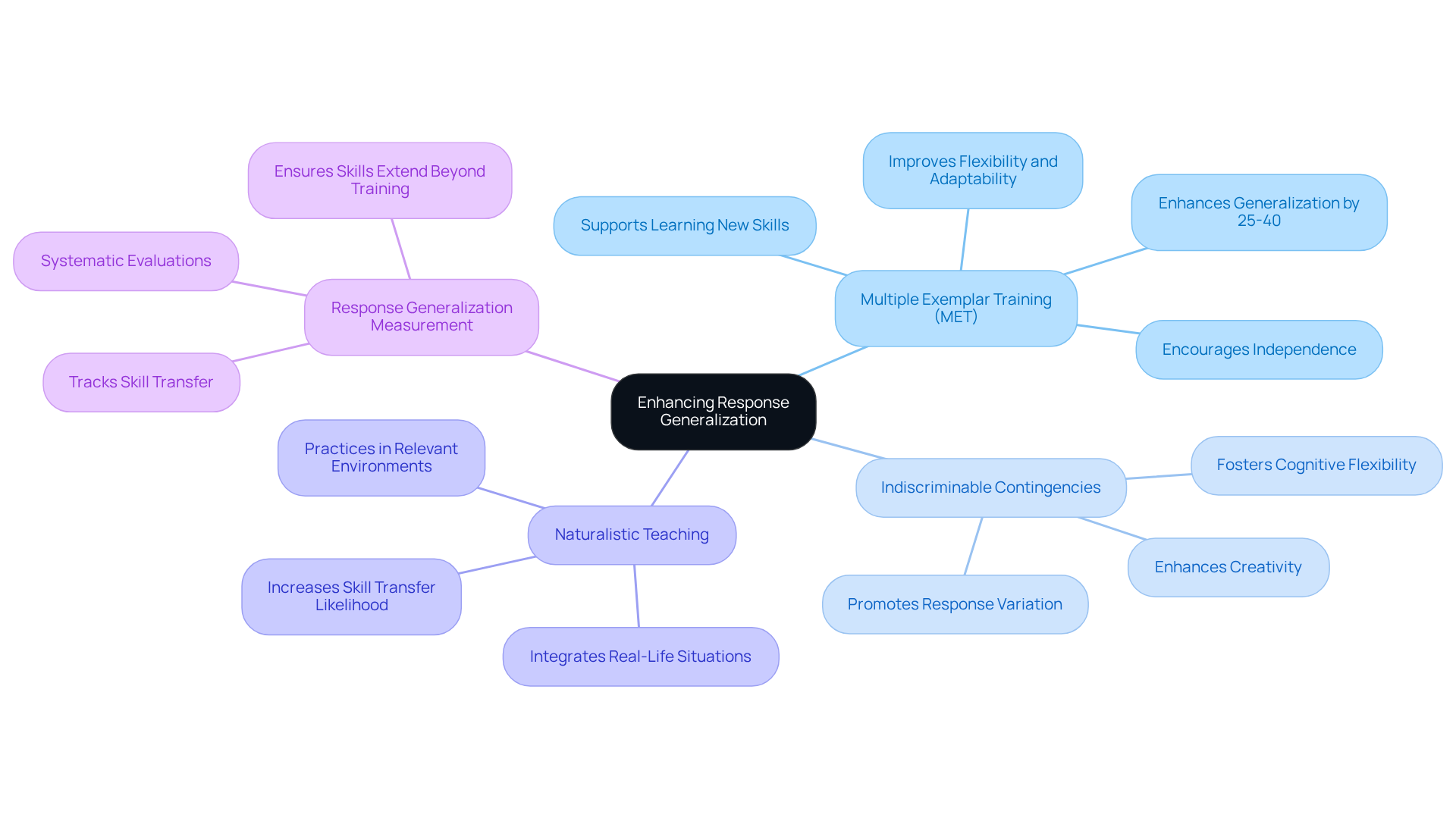
Practitioners can employ several effective instructional strategies that are essential in to enhance .
Additionally, a is crucial for the systematic measurement of response transfer. Continuous evaluations should be conducted to monitor the transfer of skills, ensuring that acquired behaviors extend beyond the training environment. These strategies are vital for promoting effective , ultimately helping individuals receiving ABA services achieve greater independence and adaptability.
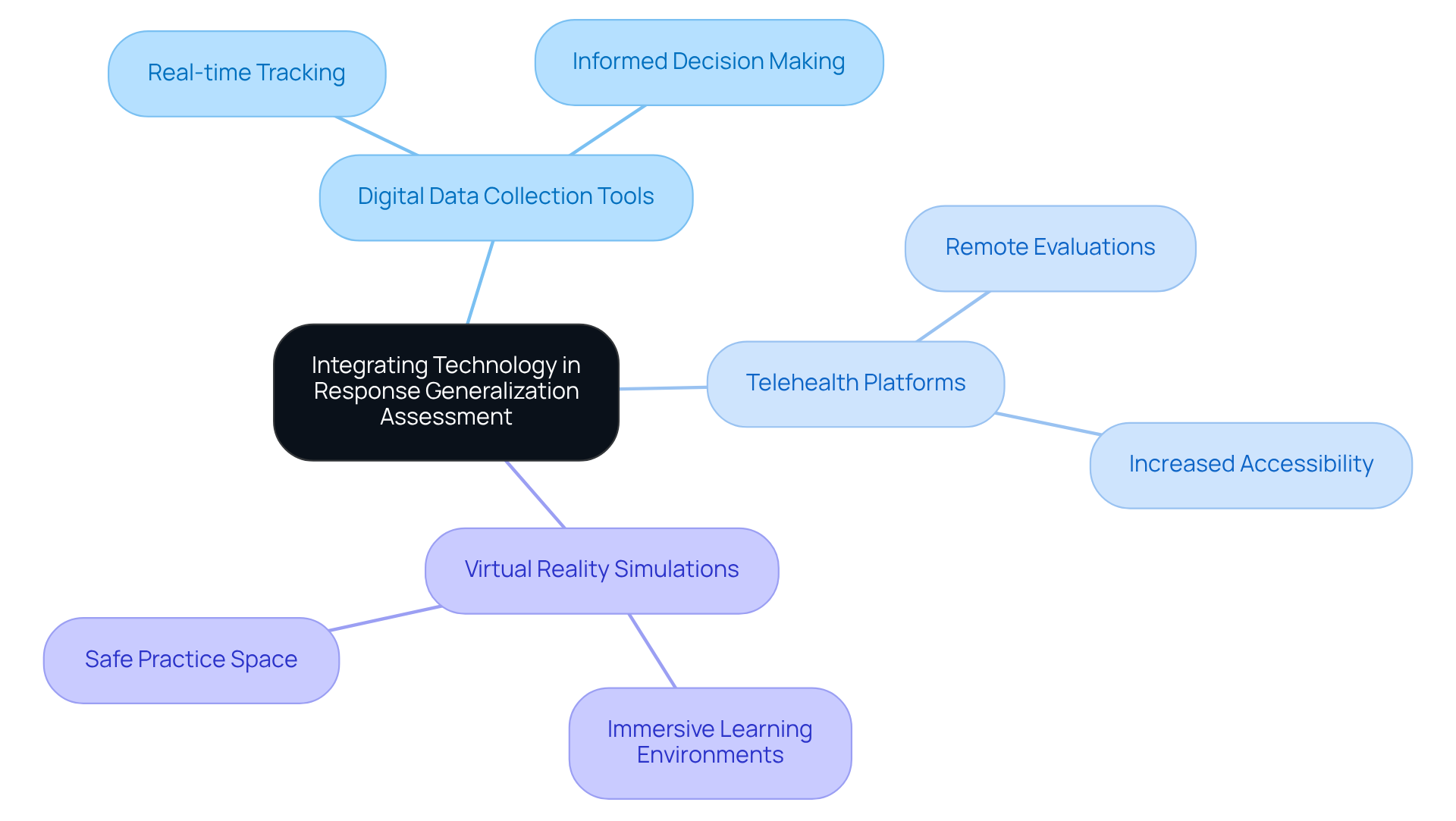
Integrating technology into a significantly streamlines processes and enhances data collection. Did you know that the demand for is on the rise? This trend underscores the importance of in the field.
The effectiveness of these digital tools is evident. Ongoing data collection and can lead to enhanced treatment outcomes. Studies indicate a 9.7% increase in goal success rates after implementing hybrid models that combine traditional methods with technological advancements. Furthermore, 41.8% of goals showed improvement following the hybrid model implementation. This demonstrates the effectiveness of these approaches.
This strategy not only enhances the precision of interventions but also promotes active participation from clients and their families. The result? More personalized and effective therapy. Additionally, the use of ensures that sensitive information is safeguarded, addressing critical concerns for healthcare employers.
Are you facing challenges in hiring qualified professionals? Consider how integrating these technological advancements can streamline your and improve .
Understanding and implementing response generalization is crucial for healthcare employers seeking to enhance the effectiveness of therapy provided by Board Certified Behavior Analysts (BCBAs). Did you know that the demand for BCBAs is skyrocketing? This concept, which allows learned behaviors to be applied across various contexts, can significantly improve patient outcomes and elevate the standard of care. By prioritizing response generalization in hiring practices, healthcare organizations can ensure that their teams are equipped to foster the adaptability and flexibility necessary for effective treatment.
Throughout this article, we’ve highlighted key insights about the importance of response generalization in various therapeutic settings. From the benefits of multiple exemplar training to the need for diverse practice opportunities and the integration of technology, these strategies collectively enhance the likelihood of skill transfer. Furthermore, addressing challenges such as stimulus overselectivity and inconsistent reinforcement is vital for optimizing learning outcomes.
Ultimately, embracing the principles of response generalization not only enriches therapy practices but also empowers clients to apply learned skills in real-life situations. Are you facing challenges in hiring qualified professionals who understand these strategies? Healthcare employers are encouraged to leverage platforms like Hire ABA to connect with experts who can meet these needs. By doing so, they can cultivate a workforce capable of delivering exceptional care and supporting the ongoing development of individuals in their therapeutic journeys.
What is Hire ABA and what does it do?
Hire ABA is a specialized recruitment platform that connects Board Certified Behavior Analysts (BCBAs) with job opportunities in Applied Behavior Analysis (ABA), streamlining the job matching process to enhance hiring efficiency and quality of care.
Why is there a growing demand for BCBAs?
The demand for Board Certified Behavior Analysts is projected to increase by 22% from 2020 to 2030, highlighting the need for healthcare employers to adopt efficient recruitment processes.
How does Hire ABA benefit healthcare employers?
Hire ABA helps employers quickly secure qualified talent, improving operational efficiency and the quality of care provided to clients through targeted hiring strategies.
What is response generalization in Applied Behavior Analysis?
Response generalization refers to the ability of individuals to apply learned behaviors in new contexts, meaning a behavior taught in one setting can be adapted for use in different, yet similar, situations.
Can you provide an example of response generalization?
An example of response generalization is when a child learns to say 'thank you' during therapy sessions and later uses this skill in social interactions.
Why is understanding response generalization important for healthcare employers?
Understanding response generalization is crucial as it ensures that skills taught in therapy are retained and effectively applied in real-life situations, ultimately enhancing patient outcomes.
What strategies do BCBAs use to facilitate response generalization?
BCBAs utilize strategies such as providing multiple examples, using different instructors, and practicing in varied settings to enhance skill transfer and adaptability.
How does early intervention impact response generalization rates?
Early intervention can lead to a remarkable 40% enhancement in generalization rates when services are provided before age five.
What are some real-world examples of response generalization in therapy?
Examples include a child learning to ask for snacks during therapy and later using this skill at home or school, and a client applying coping strategies for anxiety in real-life stressful situations.
How can Hire ABA support healthcare employers in their hiring practices?
Hire ABA can help healthcare employers find the right talent that aligns with essential principles of response generalization, ultimately improving their practice and patient care.
Our expert recruitment strategies and AI-driven sourcing ensure that you receive top-notch candidates quickly, without compromising on quality. Whether you’re looking for BCBAs, Clinical Directors, or RBTs, we’ve got you covered.


