


Thank you! Your submission has been received!
Oops! Something went wrong while submitting the form.
October 23, 2025

As the field of Applied Behavior Analysis (ABA) continues to expand, the role of Registered Behavior Technicians (RBTs) has become increasingly vital. In Tennessee, the demand for RBTs is projected to soar, making this an opportune time for aspiring professionals. This guide offers a comprehensive roadmap for those seeking to become RBTs, detailing the essential steps to achieve certification. It covers everything from understanding the responsibilities associated with the role to navigating the certification process itself.
However, with numerous requirements and the competitive nature of the RBT examination, candidates may wonder: what strategies can they employ to ensure success in this rewarding career path? Reflecting on your current hiring challenges, consider how you can leverage this guide to navigate the complexities of certification and emerge as a competent RBT.
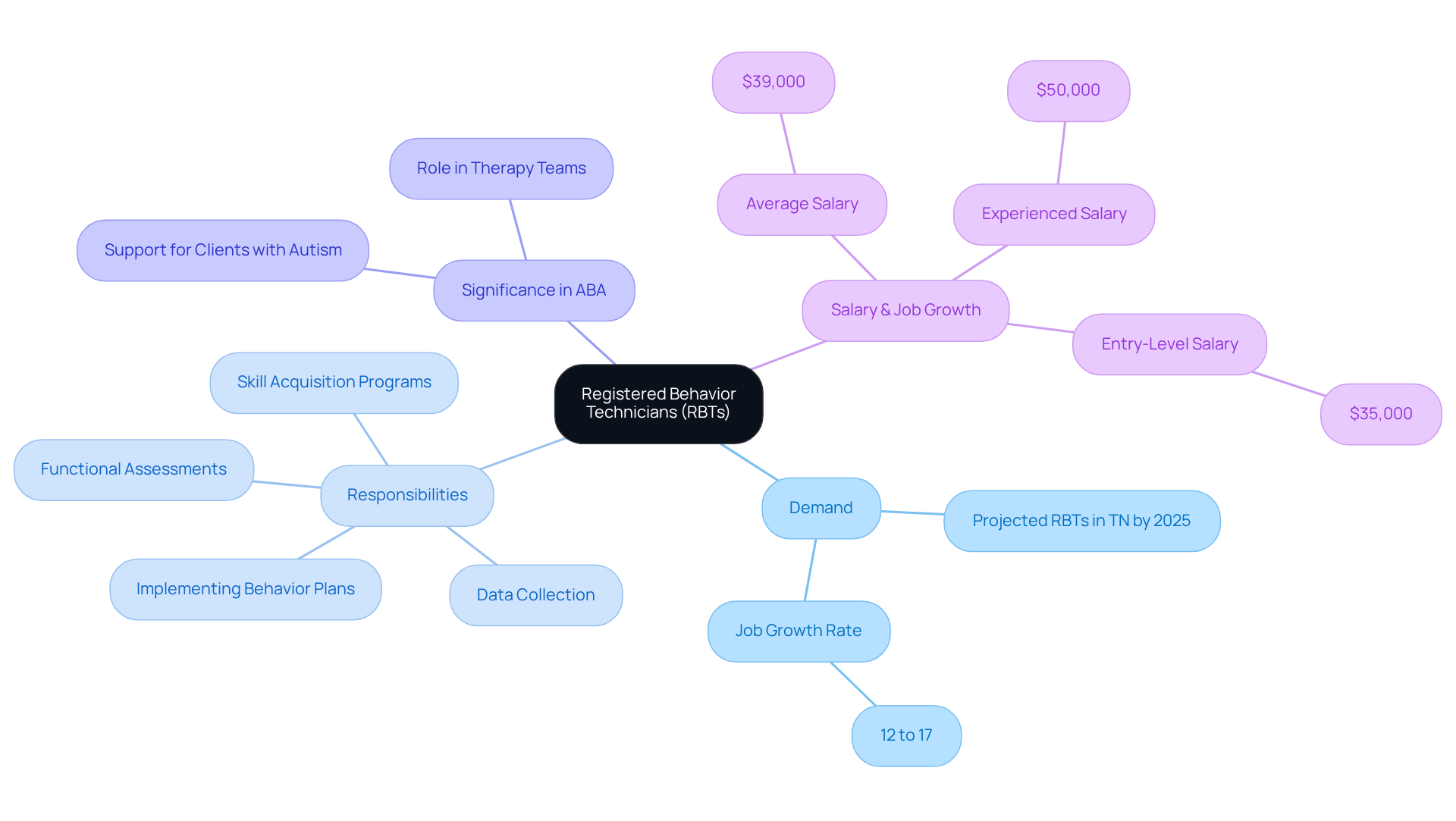
The demand for Registered Behavior Technicians (RBTs) is on the rise, with projections indicating that Tennessee will have approximately 5,000 professionals holding RBT certification TN by 2025. This statistic underscores the critical need for trained individuals in the field of Applied Behavior Analysis (ABA). RBTs serve as crucial paraprofessionals, implementing behavior-analytic services under the supervision of a Board Certified Behavior Analyst (BCBA). They play a vital role in supporting clients, particularly children with autism, by fostering essential skills and mitigating problematic behaviors.
RBTs are tasked with several key responsibilities:
Understanding these responsibilities is essential for those aspiring to become behavior technicians, as it equips them with the necessary for their future roles. BCBAs emphasize that RBTs are integral to client care. As one BCBA stated, "Registered behavior technicians are the backbone of our therapy teams, ensuring that our clients receive consistent and effective support."
As the field evolves, it is imperative for aspiring professionals to recognize the significance of RBTs in delivering quality care and supporting the development of individuals with developmental disabilities. Moreover, the average salary for RBTs stands at around $39,000, with job growth projected between 12% to 17% in the coming years. This makes pursuing a career as a Registered Behavior Technician with RBT certification TN a promising path. Are you ready to meet the growing demand for skilled professionals in ABA therapy? Consider the potential of hiring qualified RBTs to enhance your practice.
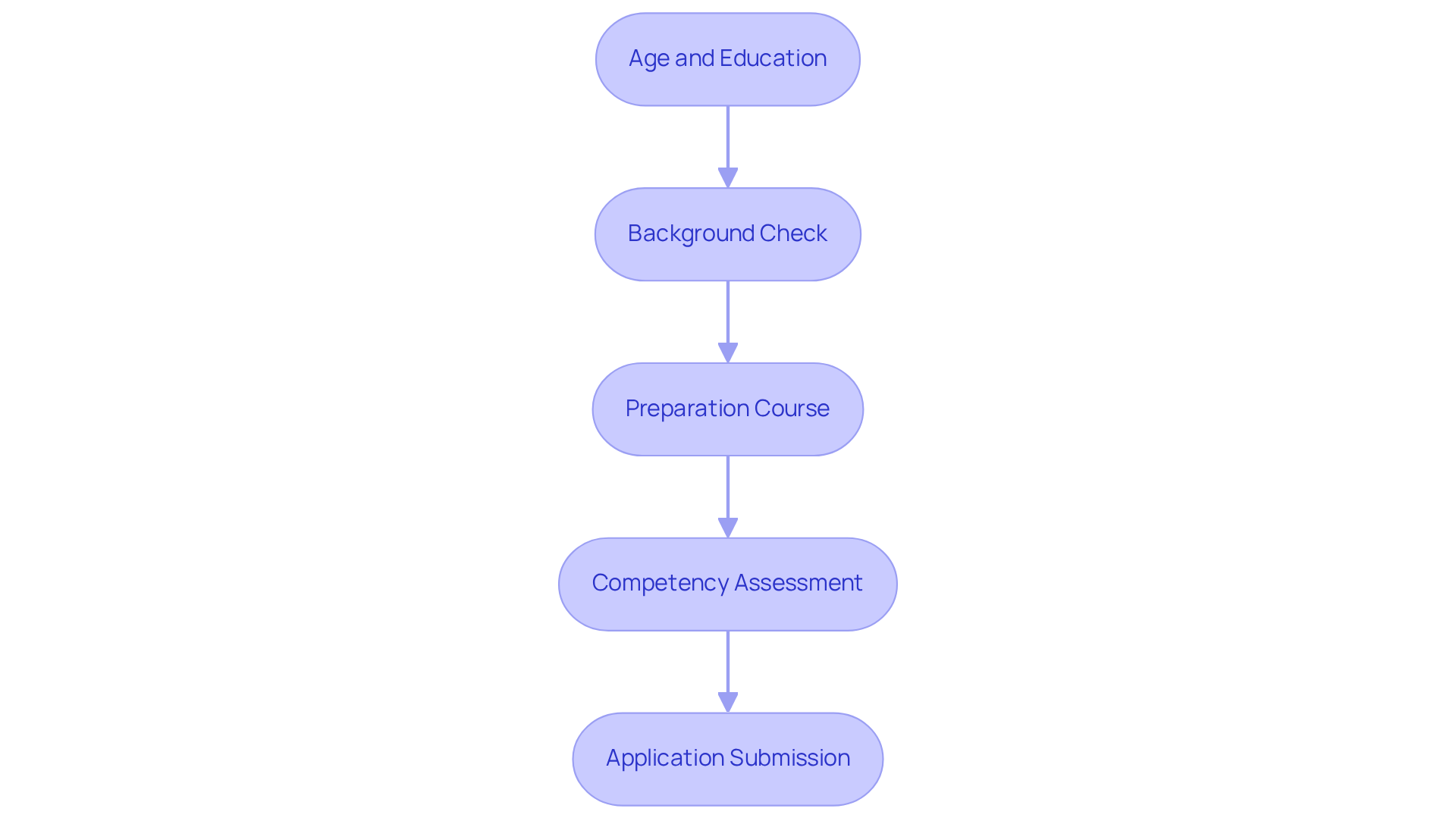
To become a Registered Behavior Technician (RBT) in Tennessee, candidates must fulfill several essential requirements:
In Tennessee, a significant percentage of applicants meet the [RBT certification tn requirements](https://hireaba.today/blog-posts/10-rbt-interview-questions-every-candidate-should-prepare-for), reflecting the state's commitment to maintaining high standards in the field of behavior analysis. As of the end of 2022, there were 112,317 overall RBT certificants, indicating a growing demand for qualified professionals in this field. Thoroughly reviewing these steps will prepare applicants effectively for the certification process.
To meet the preparation requirement for , applicants are required to successfully complete a 40-hour BACB-approved program. This program is meticulously designed to equip candidates with essential knowledge and skills, covering critical topics such as:
Research indicates that BACB-approved training programs exhibit varying completion rates, with some achieving pass rates as high as 95%. The effectiveness of these 40-hour courses in preparing individuals for the RBT examination is supported by expert opinions, underscoring the importance of thorough coverage of these subjects.
Candidates can locate BACB-approved development programs through a variety of institutions, including online platforms and local centers. It is imperative that the program is delivered by a qualified BCBA or BCaBA to ensure compliance with certification standards. Best practices suggest that individuals actively engage with the training material and seek additional resources to reinforce their understanding, ultimately enhancing their readiness for the certification exam.

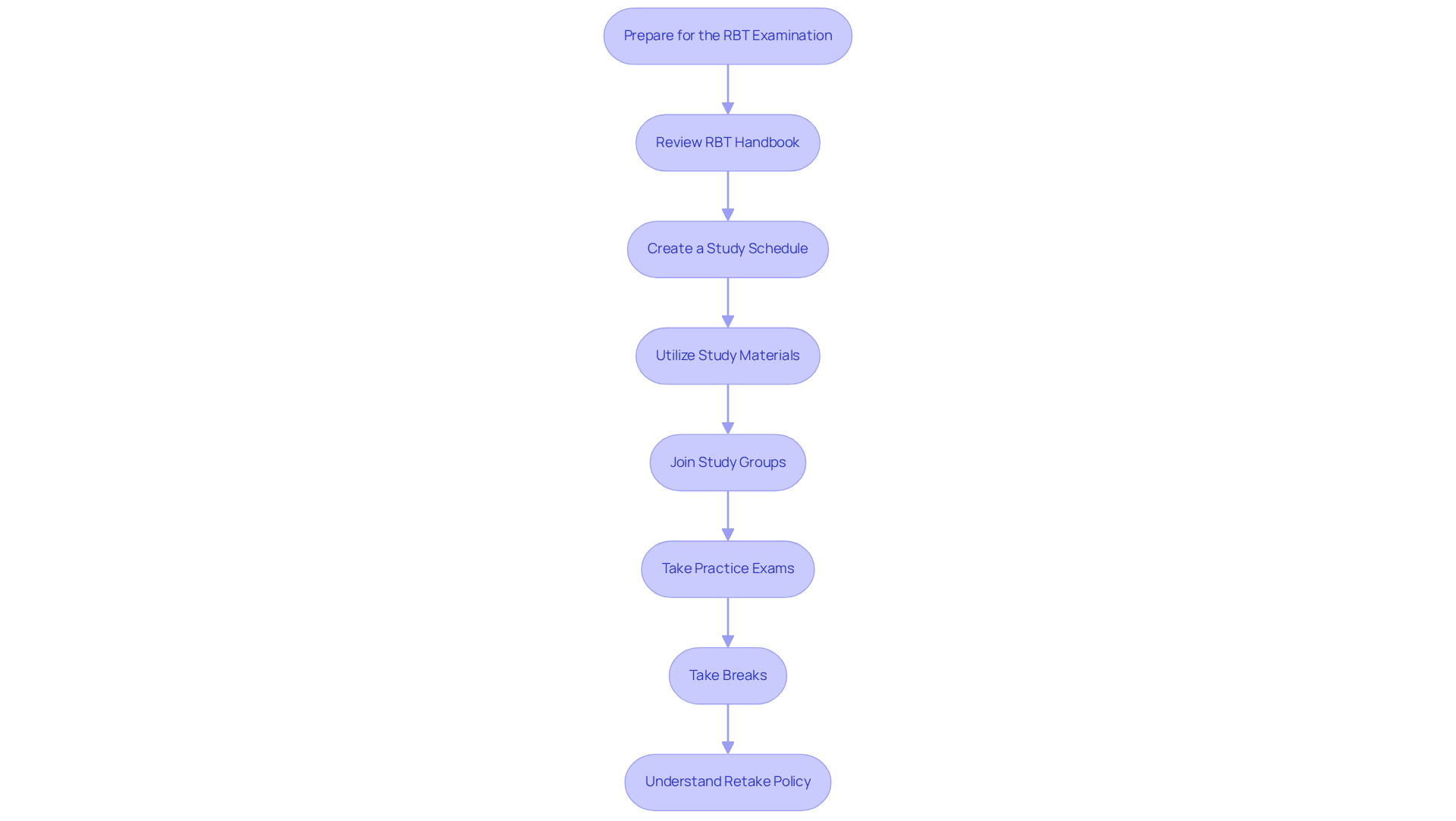
To effectively prepare for the RBT examination, candidates should adopt the following strategies:
By implementing these strategies, candidates can enhance their preparation for the RBT certification examination and significantly increase their likelihood of success.
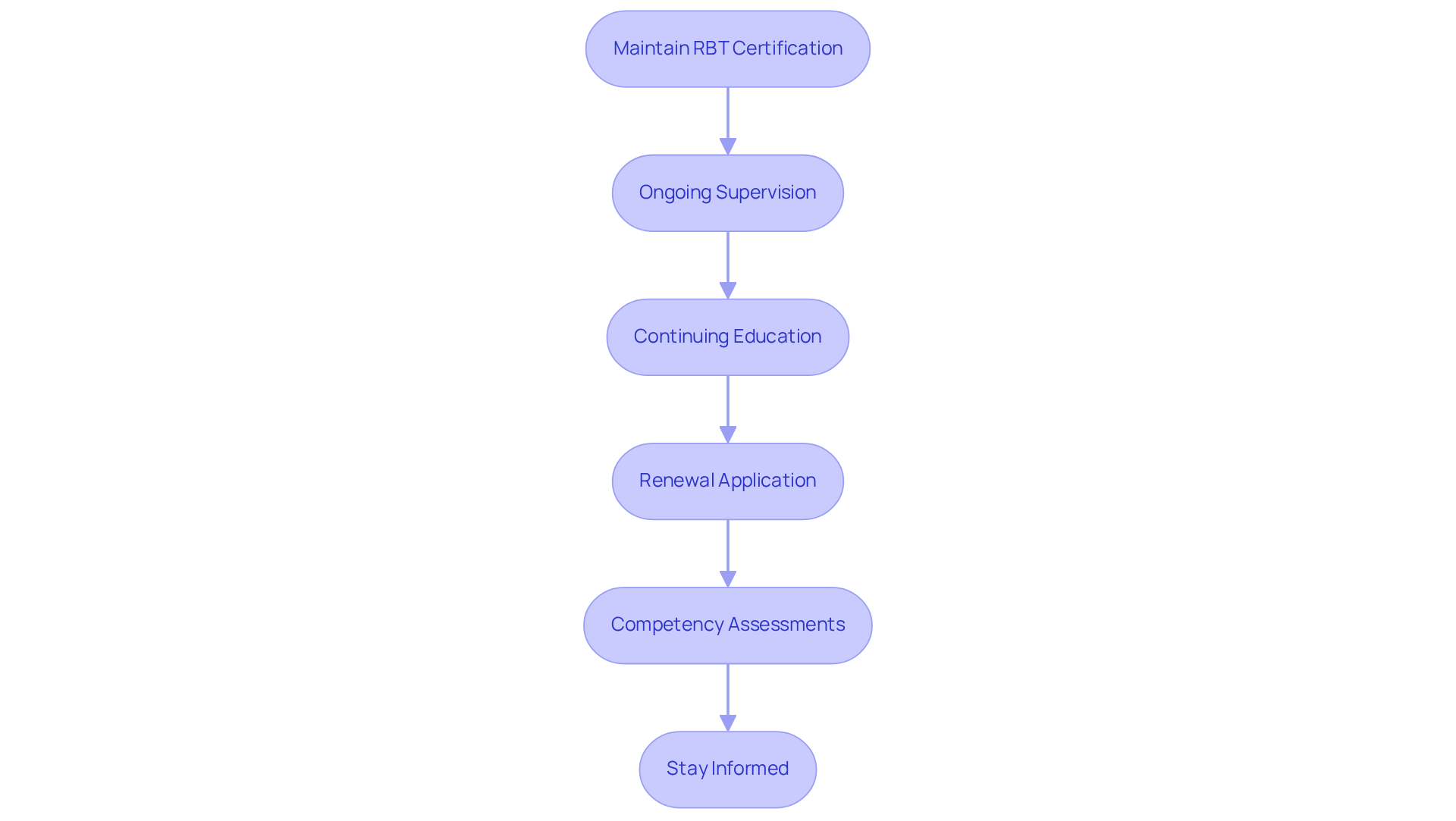
To maintain RBT certification, adherence to the following guidelines is essential:
By following these guidelines, RBTs can maintain their RBT certification and continue to provide high-quality services in the field of ABA, reinforcing their commitment to professional excellence.
The journey to becoming a Registered Behavior Technician (RBT) in Tennessee represents not just a pathway to a fulfilling career but also a crucial contribution to the field of Applied Behavior Analysis (ABA). With the projected demand for RBTs anticipated to rise significantly, aspiring professionals have the opportunity to play a vital role in supporting individuals with developmental disabilities and enhancing their quality of life.
This guide outlines essential steps:
Key strategies for effective study are crucial for success in this competitive field. Utilizing various resources, joining study groups, and maintaining ongoing education are all vital components of this preparation. Moreover, the importance of continuous professional development and adherence to ethical standards cannot be overstated, as they ensure the delivery of high-quality services.
Ultimately, pursuing RBT certification in Tennessee transcends merely meeting requirements; it embodies a commitment to a profession that positively impacts lives. By taking proactive steps to achieve and maintain certification, individuals not only enhance their careers but also contribute meaningfully to the well-being of those they serve. Embrace this opportunity to become a skilled RBT and make a significant difference in the lives of others.
What is the role of a Registered Behavior Technician (RBT)?
RBTs implement behavior-analytic services under the supervision of a Board Certified Behavior Analyst (BCBA), supporting clients, particularly children with autism, by fostering essential skills and mitigating problematic behaviors.
What are the key responsibilities of RBTs?
RBTs are responsible for implementing behavior intervention plans, collecting and analyzing data to monitor client progress, assisting in skill acquisition programs, and conducting functional assessments to identify the causes of behaviors.
What is the projected demand for RBTs in Tennessee?
By 2025, Tennessee is expected to have approximately 5,000 professionals holding RBT certification, highlighting the critical need for trained individuals in the field of Applied Behavior Analysis (ABA).
What is the average salary for RBTs?
The average salary for RBTs is around $39,000.
What are the job growth projections for RBTs?
Job growth for RBTs is projected to be between 12% to 17% in the coming years.
What are the requirements to become an RBT in Tennessee?
Candidates must be at least 18 years old, hold a high school diploma or equivalent, complete a comprehensive criminal background check, finish a 40-hour preparation course approved by the BACB, pass an initial competency assessment by a qualified BCBA, and submit an application through the BACB website.
Why are background checks important for RBT candidates?
Background checks are crucial for client safety and ensuring the integrity of services provided to vulnerable populations.
How many RBT certificants were there in Tennessee as of the end of 2022?
As of the end of 2022, there were 112,317 overall RBT certificants, indicating a growing demand for qualified professionals in this field.
Our expert recruitment strategies and AI-driven sourcing ensure that you receive top-notch candidates quickly, without compromising on quality. Whether you’re looking for BCBAs, Clinical Directors, or RBTs, we’ve got you covered.


