


Thank you! Your submission has been received!
Oops! Something went wrong while submitting the form.
November 20, 2025

Understanding the challenges of the RBT exam is crucial for aspiring behavior analysts. With its structured format and rigorous content, this exam can be daunting. Did you know that a significant percentage of first-time test-takers struggle to pass? This guide explores effective strategies and insights that can empower candidates to navigate the complexities of the assessment and enhance their chances of success.
What are the most effective techniques to conquer the RBT exam? By turning potential obstacles into stepping stones, you can pave the way for a fulfilling career in behavior analysis. Reflect on your current hiring challenges: how can you leverage these insights to overcome them? Let's delve into the strategies that can make a difference.
For aspiring behavior analysts, understanding how hard is the is essential, as the RBT assessment : 75 scored and 10 unscored pilot items used for statistical purposes. Candidates have 90 minutes to complete the assessment, which is meticulously structured around the , the official content outline. This list highlights essential areas:
Understanding this framework is crucial. It allows candidates to concentrate their preparation on high-weight sections, ensuring efficient time management during the assessment. To pass, , achieving a minimum scaled score of 200.
. Utilizing , joining study groups or forums for diverse perspectives, and can significantly enhance comprehension and retention of vital concepts. As Daniel Carter aptly notes, "Passing the RBT assessment with flying colors is an achievement that will lead to a fulfilling career in the !"
Understanding how hard is the , along with the assessment format and , not only boosts confidence but also greatly increases the chances of success. Are you ready to take the next step in your career? Prepare effectively and seize the opportunity to excel!

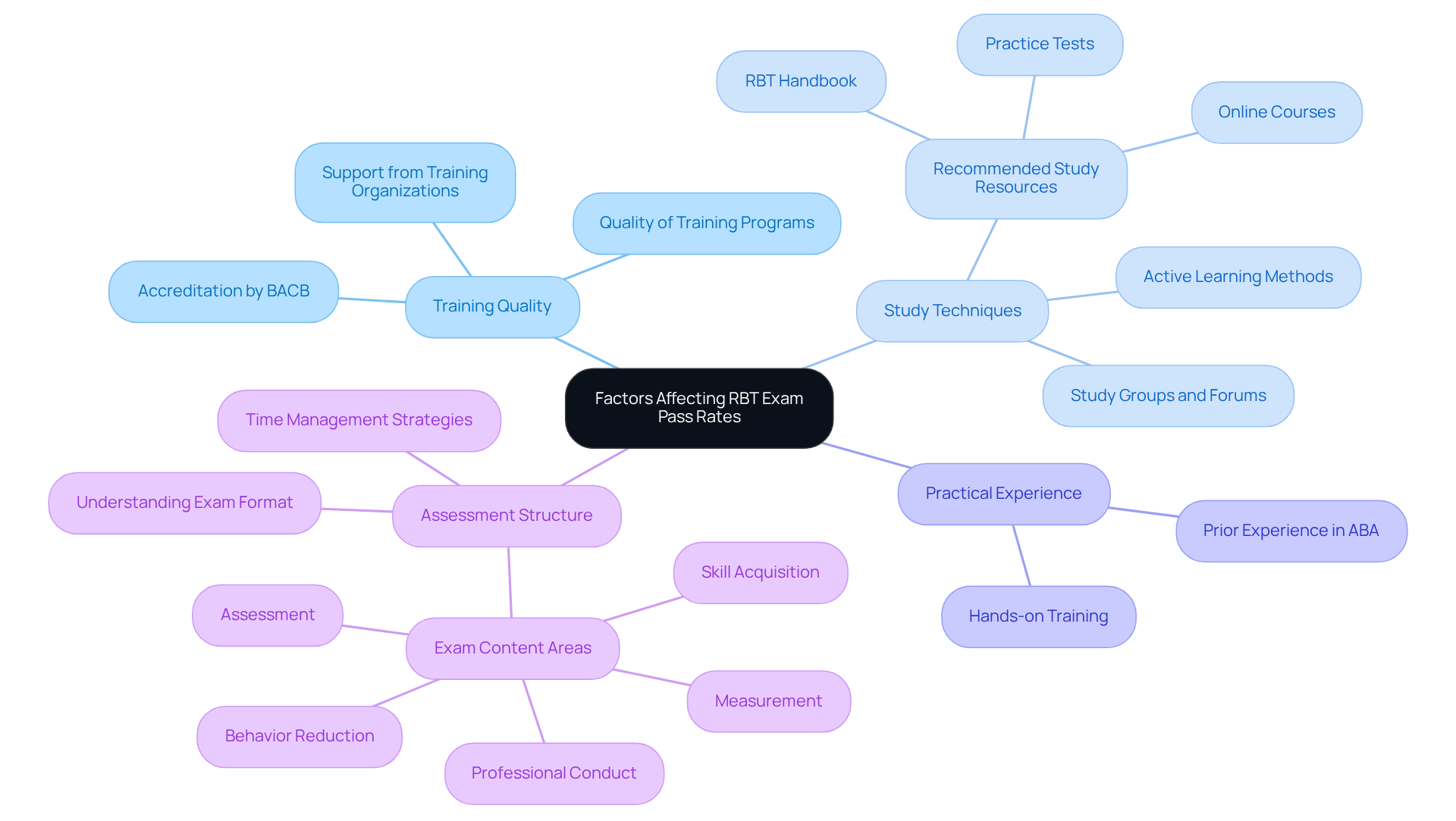
Numerous essential elements influence and the resulting assessment pass rates. Did you know , as the is approximately 74.5%? This statistic underscores how hard is the RBT exam, highlighting the . Factors such as the quality of training programs, personal learning habits, and previous practical experience play a crucial role in determining success. Individuals who engage in tend to perform better. Moreover, understanding the assessment structure and material can greatly enhance a candidate's confidence and readiness, leading to increased pass rates.
Candidates are strongly encouraged to utilize recommended study resources like the and , which are vital for effective preparation. Familiarity with the test structure, including the fact that participants have 90 minutes to complete the assessment, is essential for managing time efficiently during the evaluation. Training program directors emphasize that not only equips individuals with necessary knowledge but also instills the skills required to apply ABA principles effectively.
Regions with robust support and high-quality training typically experience , reinforcing the connection between and assessment success. It's also noteworthy that 20-30% of applicants do not succeed in the RBT assessment on their first attempt, raising the question of how hard is the RBT exam and highlighting the need for . In conclusion, the interplay among , learning habits, and practical experience is vital in influencing RBT assessment success. Investing in reputable training programs and employing effective preparation strategies is essential for achieving desired outcomes.
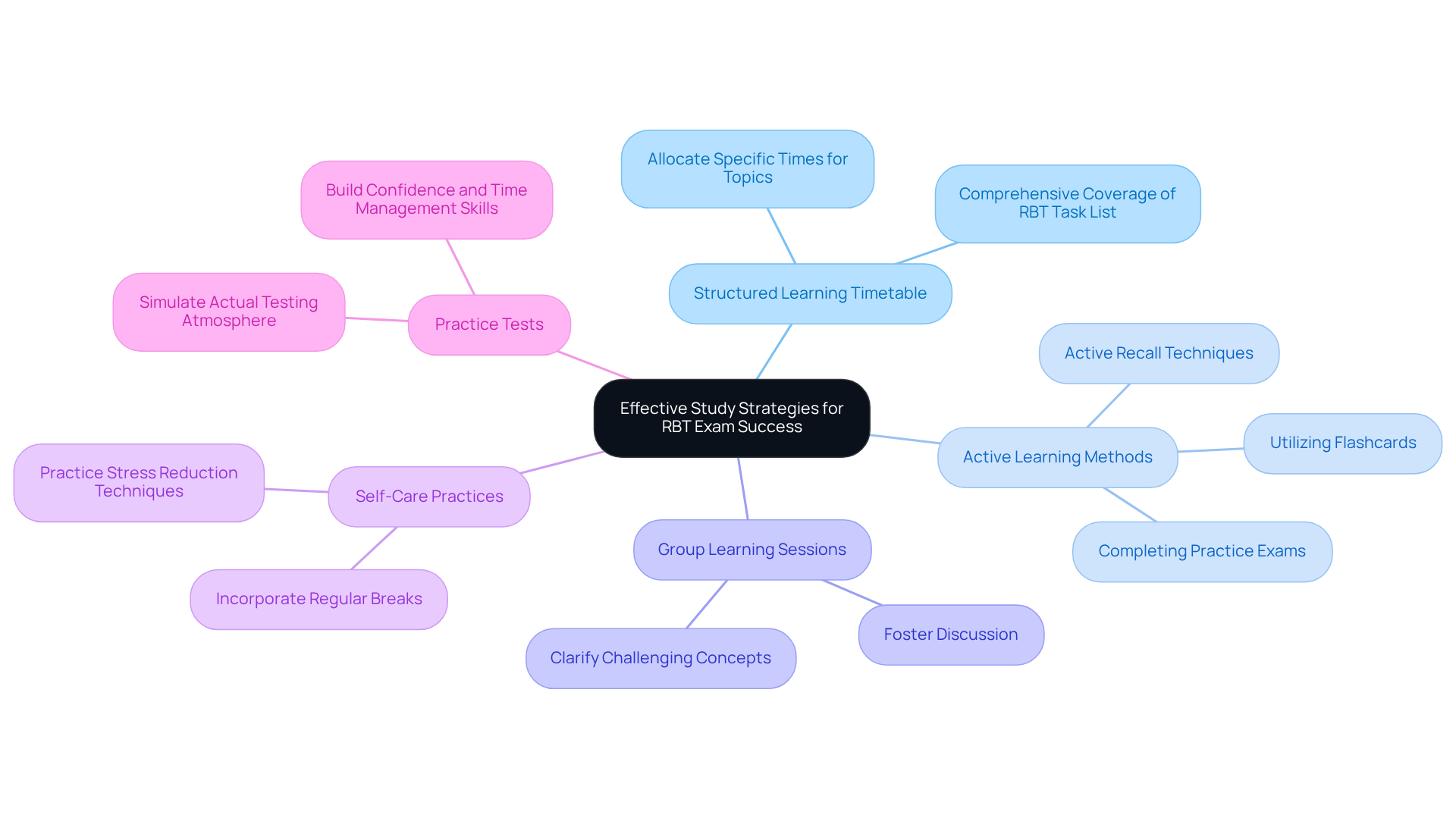
To excel in the , it's crucial to understand and establish a . This timetable should allocate specific times for each topic, ensuring comprehensive coverage of the . Did you know that ? Active learning methods, such as utilizing flashcards and completing practice exams, are essential. These techniques not only reinforce key concepts but also enhance retention.
Consider the advantages of . They foster discussion and provide support, allowing individuals to and share valuable insights. How often do you engage with peers in your study process? Incorporating regular breaks and is vital to maintain focus and prevent burnout during your preparation journey.
Moreover, participating in simulates the actual testing atmosphere, providing insights into how hard is the . This experience helps build confidence and hones , both of which are critical for success on test day. Are you ready to take your preparation to the next level? Embrace these strategies and watch your readiness soar.
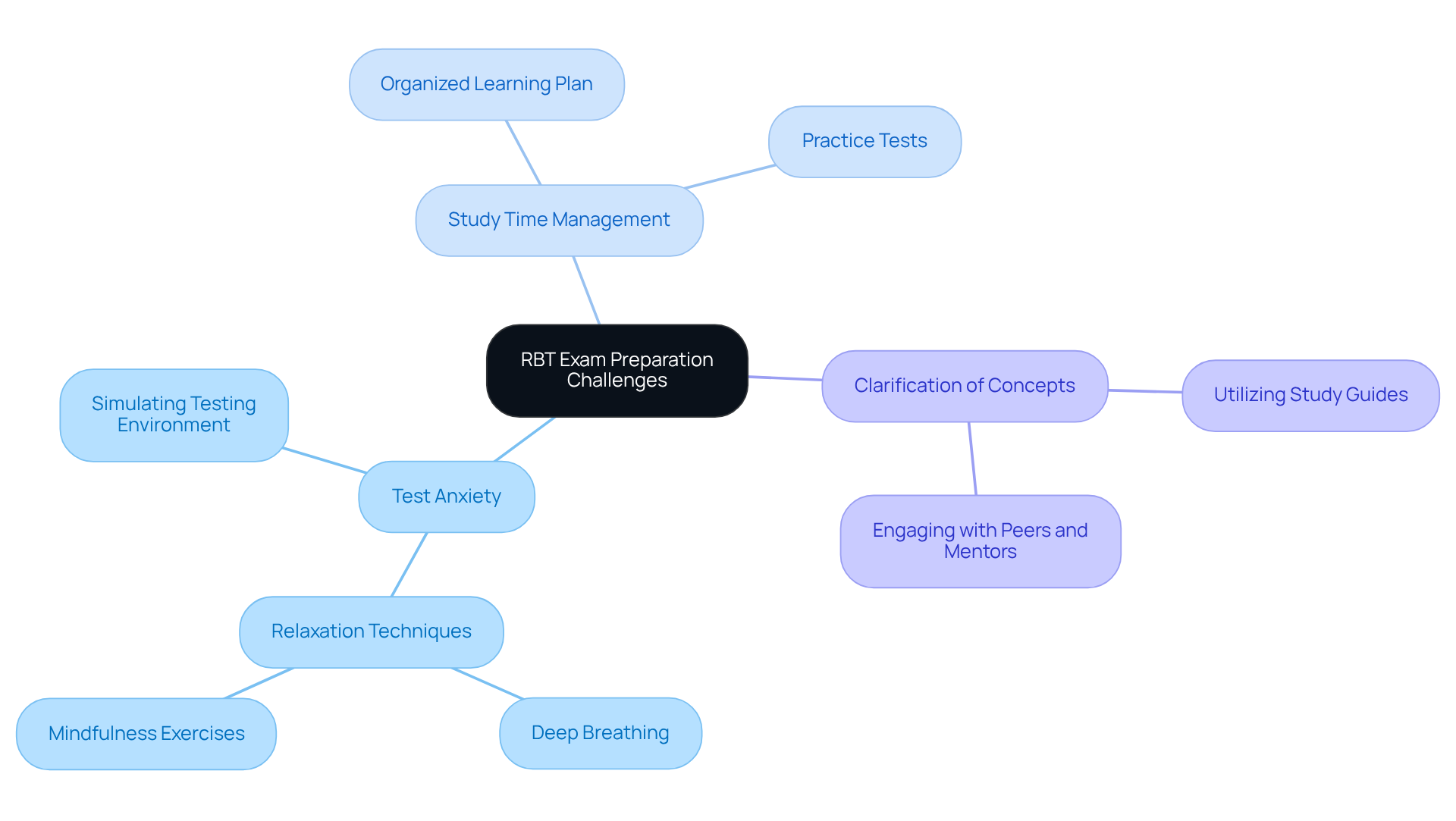
Candidates preparing for the RBT assessment often question due to , including , insufficient study time, and confusion over key concepts. Did you know that 27% of applicants do not , raising the question of ? This statistic underscores [how hard is the RBT exam](https://hireaba.today), emphasizing the importance of .
To tackle , individuals can utilize , which have proven effective in reducing stress levels. Distributing preparation time wisely is crucial; most candidates dedicate 1-3 months to their studies, allowing for a thorough review of the material. Developing an organized learning plan that breaks the content into manageable parts can significantly alleviate feelings of being overwhelmed.
Moreover, applicants should actively seek clarification on challenging subjects by utilizing or engaging in discussions with peers and mentors. Regularly evaluating progress through not only familiarizes candidates with the exam format but also helps them understand how hard is the RBT exam and highlights areas requiring additional focus. Simulating the testing environment during practice sessions can enhance confidence and reduce anxiety on assessment day.
As Amy Weil aptly states, "the key to success lies in preparation, familiarity with the task list, and effective assessment strategies." By prioritizing these strategies, candidates can more effectively navigate the challenges of how hard is the RBT exam preparation. Are you ready to take control of your preparation and increase your chances of success?
Understanding the demand for Board Certified Behavior Analysts (BCBAs) is essential for anyone aspiring to excel in behavior analysis. The RBT exam is not merely a test of knowledge; it’s a comprehensive assessment that evaluates a candidate’s grasp of key concepts and their ability to apply them effectively. By familiarizing yourself with the exam structure, content areas, and scoring requirements, you can significantly enhance your confidence and preparedness.
What strategies can you employ for successful preparation? From mastering the RBT Task List to utilizing practice tests and engaging in group study sessions, each approach serves to bolster comprehension and retention of essential material. Additionally, addressing common challenges such as test anxiety and time management is vital for optimizing your performance on exam day. Quality training programs and effective study techniques are crucial, underscoring the connection between preparation and success.
Ultimately, passing the RBT exam requires dedication, strategic planning, and the right mindset. Are you ready to take proactive steps in your preparation? Seek out reputable study resources and implement effective learning strategies. By doing so, you not only increase your chances of success but also pave the way for a rewarding career in behavior analysis. Embrace the challenge, stay focused, and prepare diligently-success on the RBT exam is within your reach.
What is the structure of the RBT exam?
The RBT exam consists of 85 multiple-choice questions, including 75 scored questions and 10 unscored pilot items used for statistical purposes. Candidates have 90 minutes to complete the assessment.
What areas does the RBT Task List cover?
The RBT Task List covers several essential areas: Measurement (12%), Assessment (18%), Skill acquisition (32%), Behavior reduction (24%), Documentation and reporting (10%), and Professional conduct (4%).
How many questions do candidates need to answer correctly to pass the RBT exam?
Candidates typically need to answer around 53 of the 75 scored questions correctly to pass the RBT exam, achieving a minimum scaled score of 200.
What are effective preparation strategies for the RBT exam?
Effective preparation strategies include utilizing practice assessments, joining study groups or forums for diverse perspectives, and mastering the RBT Task List to enhance comprehension and retention of vital concepts.
Why is understanding the RBT exam format and scoring important?
Understanding the RBT exam format and scoring details boosts confidence and greatly increases the chances of success in passing the assessment.
Our expert recruitment strategies and AI-driven sourcing ensure that you receive top-notch candidates quickly, without compromising on quality. Whether you’re looking for BCBAs, Clinical Directors, or RBTs, we’ve got you covered.


