How to Get a BCBA Certification: 4 Essential Steps to Success

October 27, 2025

Overview

To obtain a BCBA certification, individuals must navigate four essential steps:

  1. Earning a relevant graduate degree
  2. Completing supervised fieldwork
  3. Preparing for and passing the BCBA exam
  4. Maintaining the certification through continuing education

This certification is increasingly in demand, making it a valuable asset in the field of behavior analysis.

The importance of accredited programs cannot be overstated. They provide the foundational knowledge necessary for success. Additionally, supervised experience is crucial; it equips candidates with practical skills that are vital in real-world scenarios. Structured exam preparation is another key element, ensuring that candidates are well-prepared to face the BCBA exam with confidence.

Ongoing professional development is imperative for maintaining certification. It not only keeps professionals updated with the latest practices but also enhances their expertise in the field. Are you currently facing challenges in hiring qualified BCBAs? Consider how utilizing Hire ABA can streamline your recruitment process and connect you with top-tier candidates.

In summary, the pathway to BCBA certification is clear and structured. By following these steps and engaging in continuous education, individuals can ensure their success and contribute meaningfully to the field of behavior analysis.

Introduction

The journey to become a Board Certified Behavior Analyst (BCBA) is not just a career choice; it’s a commitment to transforming lives through the power of behavior analysis. With the growing demand for qualified BCBAs—projected to increase significantly in the coming years—this profession offers a fulfilling path for those eager to make a difference. This article delineates four essential steps that clarify the BCBA certification process and equip aspiring analysts with the necessary knowledge to navigate their journey successfully.

However, as the field becomes increasingly competitive, candidates must ask themselves: How can they distinguish themselves and meet the rigorous standards set forth by the Behavior Analyst Certification Board? By exploring these key steps, you will not only understand the certification process but also discover strategies to enhance your candidacy in a demanding job market.

Earn a Relevant Graduate Degree

To embark on your journey on how to get a BCBA certification, the initial step is to secure a relevant graduate degree. This typically entails obtaining a master's degree in psychology, education, or a related field that encompasses essential coursework in behavior analysis. Here are the steps to follow:

  1. Research Accredited Programs: Seek programs accredited by the Association for Behavior Analysis International (ABAI). Accreditation is crucial, as it ensures the curriculum includes the necessary coursework in behavior analysis, which is vital for learning how to get a BCBA certification. Notably, many successful graduate programs demonstrate high pass rates on the certification exam, with institutions such as Florida State University and the University of Massachusetts Dartmouth achieving a 100% pass rate. Florida State University has an estimated graduate tuition rate of $17,316/year and a student-to-faculty ratio of 7.5 to 1, reflecting the quality of support available to students.

  2. To learn how to get a BCBA certification, you need to apply to and enroll in a Graduate Program that meets the Behavior Analyst Certification Board (BACB) requirements. Complete all required coursework, typically covering critical topics such as ethics, assessment, and intervention strategies. Programs like the Master of Science in Applied Behavior Analysis at Sacramento State, which boasts a 100% pass rate, and the University of Houston Clear Lake not only provide comprehensive training but also emphasize practical experience.

  3. Maintain Good Academic Standing: Aim for a strong GPA, as this will enhance your future opportunities and may be a prerequisite for certain programs. A solid academic record often reflects your commitment and preparedness for the challenges of the field.

The significance of accredited programs cannot be overstated, especially when considering how to get a BCBA certification, as they lay the foundation for your career in behavior analysis. As noted by a behavior analysis professional, "Accredited programs ensure that students receive the necessary training and support to succeed in this rewarding field." With the demand for BCBAs projected to rise significantly, selecting the right program is essential for your success.
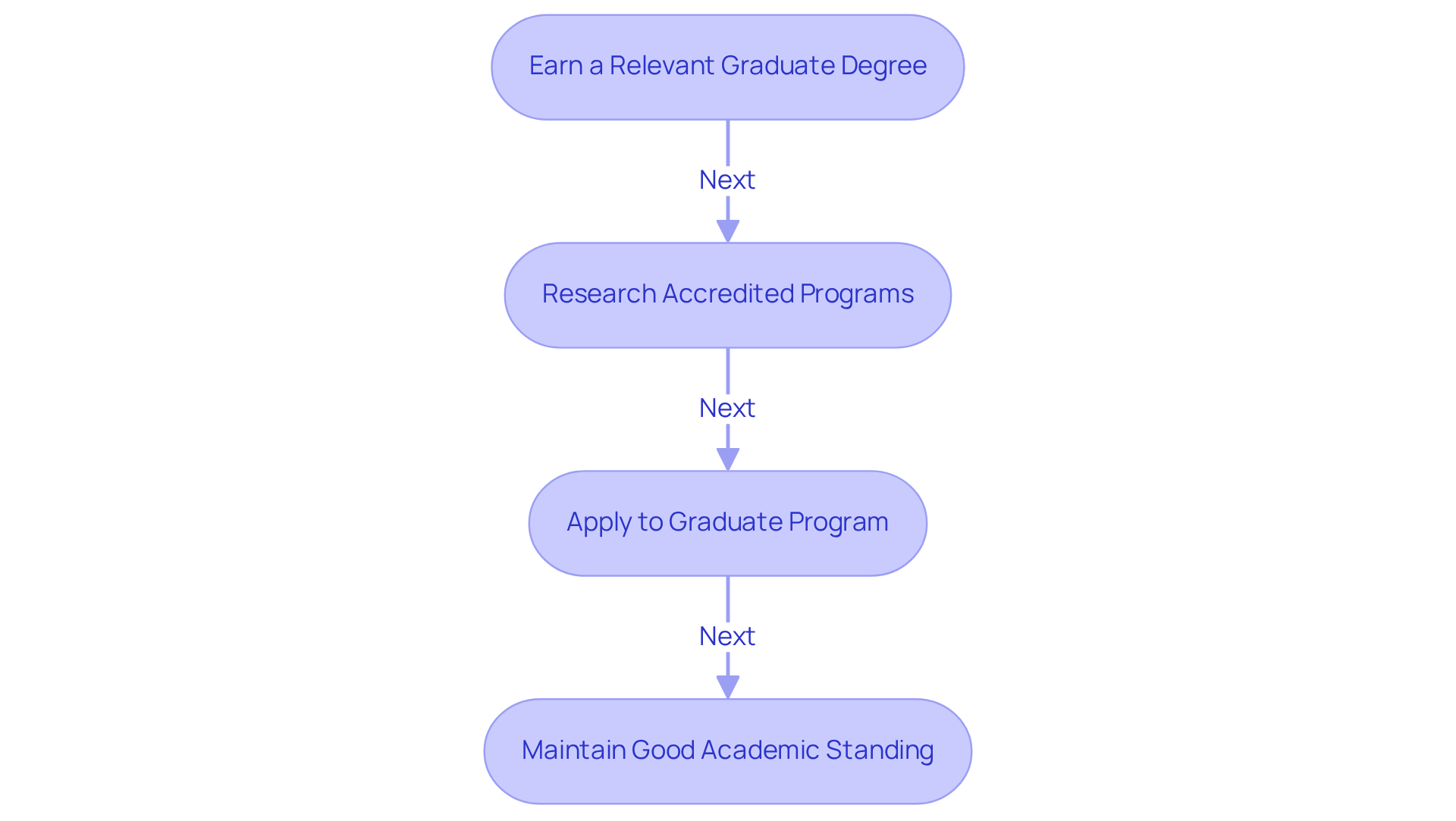
Each box represents a key step in your journey to becoming a BCBA — follow the arrows to see what comes next and ensure you're on track!

Complete Supervised Fieldwork Requirements

Upon completing your graduate degree, the subsequent step in learning how to get a BCBA certification is to fulfill the supervised fieldwork requirements, a critical component in your journey to becoming a Board Certified Behavior Analyst (BCBA). This process involves several key actions:

  1. Accumulate Required Hours: It is essential to complete a minimum of 2,000 hours of supervised fieldwork. This can be achieved across various settings, including clinics, schools, or private practices, each offering unique learning opportunities.

  2. Find a Qualified Supervisor: Actively seek out a Board Certified Behavior Analyst who meets the BACB requirements for supervision. A qualified supervisor is pivotal in guiding your professional development and ensuring adherence to best practices.

  3. Document Your Experience: Maintain detailed records of your hours and the specific activities you engaged in during your fieldwork. This documentation is not merely a formality; it is crucial when applying for certification and demonstrates your commitment to the field.

  4. Engage in Regular Supervision Meetings: Schedule consistent meetings with your supervisor to discuss your progress, receive constructive feedback, and confirm that you are meeting the required competencies. These interactions are invaluable for your professional growth and understanding of the complexities of behavior analysis.

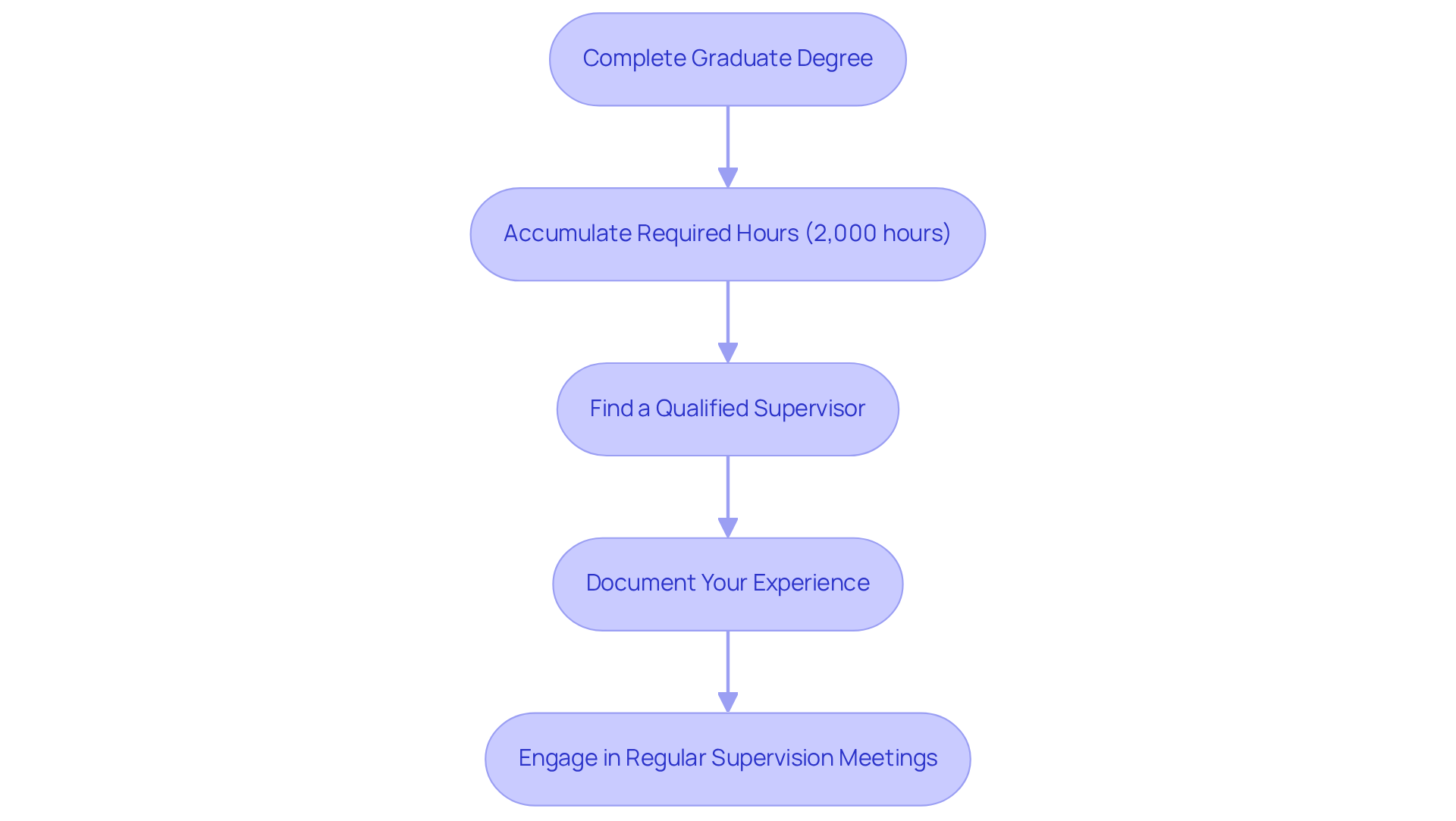
By diligently following these steps on how to get a BCBA certification, you will not only fulfill the necessary requirements but also prepare yourself for a successful career in behavior analysis.

Each box represents a step in the process towards BCBA certification. Follow the arrows to understand the order in which you need to complete each task.

Prepare for and Pass the BCBA Exam

After completing your fieldwork, thorough preparation on how to get a BCBA certification is crucial. The following steps will ensure your success:

  1. Review the Content Outline of the Assessment: Familiarize yourself with the BACB's assessment content outline. This essential document details the subjects included in the exam, guiding your focused revision.

  2. Gather Learning Materials: Assemble high-quality guides, textbooks, and online resources. Recommended materials include official BACB preparation guides and peer-reviewed textbooks. Engaging in study groups or online forums can provide additional support and motivation.

  3. Take Practice Tests: Engage in various simulated assessments to evaluate your understanding and identify areas for improvement. Consistent practice not only enhances comprehension but also builds endurance for the four-hour testing format. Candidates who utilize preparation assessments report feeling more confident and ready on test day. Research indicates that regular assessment tests help candidates become familiar with the exam format, increasing their chances of success.

  4. Schedule Your Assessment: Once adequately prepared, register for the assessment through the BACB website. Select a testing date that allows ample time for final review and practice.

  5. Stay Calm and Focused: On assessment day, ensure you are well-rested and arrive at the testing center early. Carefully read each question and manage your time effectively during the test. Remember, maintaining a calm demeanor can significantly influence your performance.

Successful BCBAs emphasize the importance of organized learning plans and consistent practice. Many recommend dedicating at least 10-15 hours each week to preparation in the months leading up to the test. Utilizing the latest learning materials and resources, such as the PTB Roadmap to Exam Day, which provides a comprehensive guide to organizing your preparation timetable, can further enhance your readiness. By following these steps and maintaining a structured study routine, you can significantly improve your chances of passing the certification exam on your first attempt.
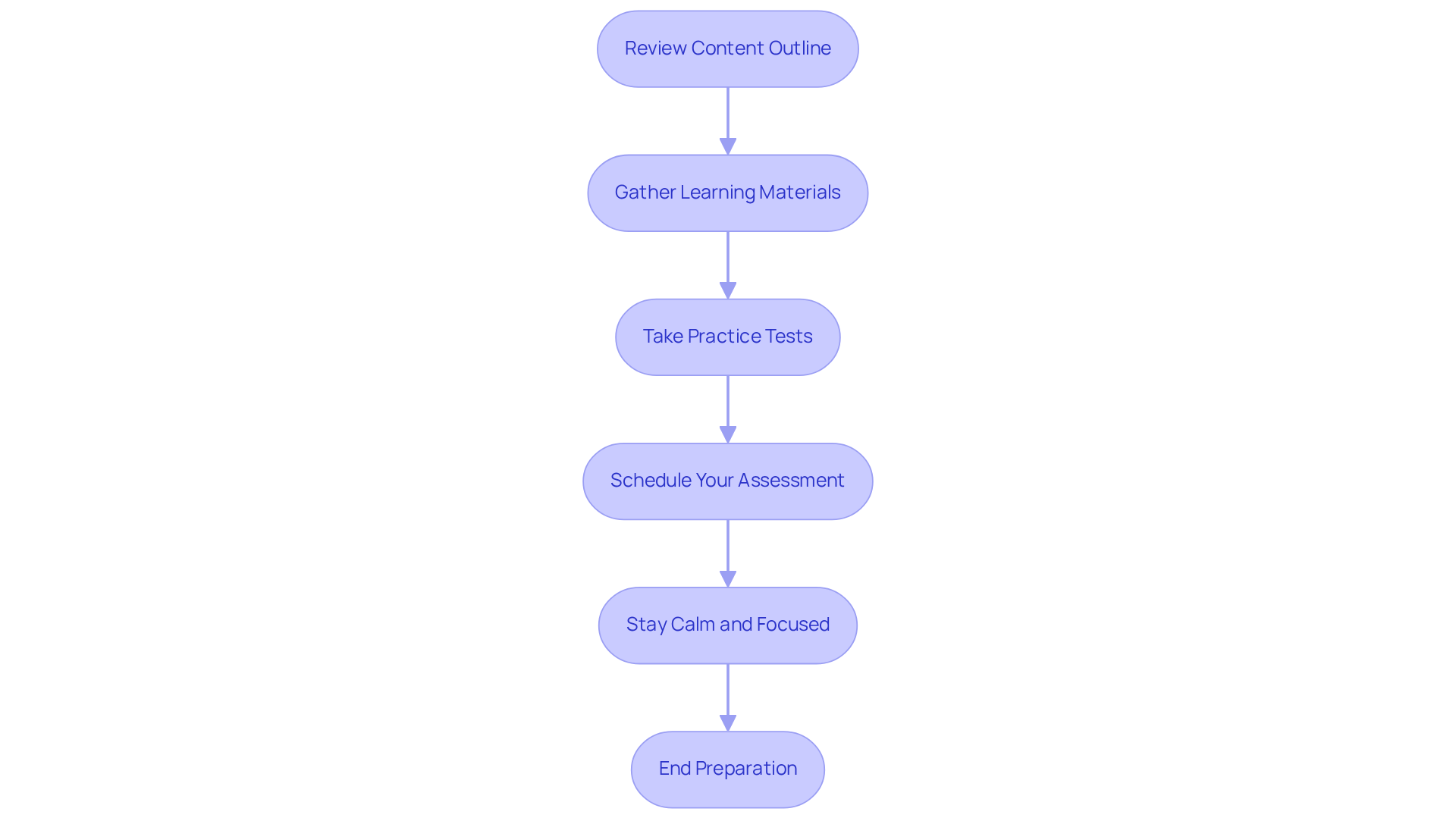
Follow the boxes to see what steps to take for exam preparation. Each box is a key action, and the arrows show the order in which you should complete them.

Maintain Your BCBA Certification

To maintain your BCBA certification, it is essential to follow these key steps:

  1. Complete Continuing Education Units (CEUs): Every two years, you must earn a minimum of 32 CEUs, including at least 4 focused on ethics, 3 in supervision if you supervise, and the remaining as general CEUs. This requirement not only keeps you informed about the latest methods but also strengthens your dedication to ethical standards in behavior analysis. Approximately 90% of BCBAs actively participate in continuing education, reflecting the profession's commitment to ongoing learning.

  2. Stay Informed About Changes: Regularly check the BACB website for updates on certification requirements and changes in the field. Staying informed ensures that you are aware of any new regulations or practices that may impact your certification.

  3. Participate in Professional Development: Engage in workshops, conferences, and training sessions to enhance your skills and knowledge. Many BCBAs express that these opportunities not only provide valuable insights but also foster a sense of community and shared learning among professionals.

  4. Retain Documentation: Keep all CEU certificates and documentation organized for potential BACB audits. This is crucial for demonstrating compliance with certification requirements.

  5. Renew Your Certification: Submit your renewal application and documentation of your CEUs to the BACB before your certification expires, along with the $215 recertification application fee. This process is essential for preserving your standing as a certified behavior analyst and shows how to get a bcba certification, demonstrating your continuous dedication to professional excellence. As one BCBA noted, "Keeping up with CEU requirements has pushed me to stay current with new techniques and research in applied behavior analysis. It keeps my practice fresh and ensures I’m giving my clients the best possible support.

Each box represents a step to keep your BCBA certification active. Follow the arrows to ensure you complete all necessary actions on time.

Conclusion

Securing a BCBA certification is a structured journey that requires careful planning and dedication. The demand for qualified BCBAs is on the rise, making this an opportune time to invest in your professional development. By following the outlined steps—earning a relevant graduate degree, completing supervised fieldwork, preparing for the exam, and maintaining certification—aspiring behavior analysts can set themselves on a path to success in this rewarding field.

Each stage builds upon the last, creating a comprehensive framework that ensures candidates are well-equipped to meet the demands of the profession.

The importance of:

  • Selecting accredited programs
  • Fulfilling fieldwork requirements
  • Engaging in thorough exam preparation

cannot be overstated. Maintaining a strong academic standing and actively participating in professional development significantly enhances prospects and deepens knowledge in behavior analysis. Moreover, the significance of ongoing education and staying updated with certification requirements underscores the commitment necessary to thrive as a BCBA.

Ultimately, pursuing a BCBA certification transcends merely meeting requirements; it embodies a lifelong learning journey. As the demand for qualified BCBAs continues to grow, investing in education and professional development becomes increasingly vital. Taking these steps not only prepares individuals for certification but also positions them to make a meaningful impact in the lives of those they serve.

Are you ready to embrace this journey and elevate your career in behavior analysis?

Frequently Asked Questions

What is the first step to obtain a BCBA certification?

The first step is to secure a relevant graduate degree, typically a master's degree in psychology, education, or a related field that includes essential coursework in behavior analysis.

Why is it important to research accredited programs for BCBA certification?

Researching accredited programs is crucial because accreditation by the Association for Behavior Analysis International (ABAI) ensures that the curriculum includes necessary coursework in behavior analysis, which is vital for obtaining BCBA certification.

Can you name some graduate programs known for high pass rates on the BCBA certification exam?

Notable programs with high pass rates include Florida State University and the University of Massachusetts Dartmouth, both achieving a 100% pass rate on the certification exam.

What are some key topics covered in the required coursework for BCBA certification?

The required coursework typically covers critical topics such as ethics, assessment, and intervention strategies.

What should I aim for in terms of academic performance while pursuing BCBA certification?

You should aim for a strong GPA, as this can enhance your future opportunities and may be a prerequisite for certain programs.

Why is maintaining good academic standing important for BCBA certification?

Maintaining good academic standing is important because a solid academic record reflects your commitment and preparedness for the challenges in the field of behavior analysis.

What is the projected demand for BCBAs in the future?

The demand for BCBAs is projected to rise significantly, making the selection of the right accredited program essential for success in this field.