


Thank you! Your submission has been received!
Oops! Something went wrong while submitting the form.
October 28, 2025

The BACB Ethics Code 2024 serves as a cornerstone for Board Certified Behavior Analysts (BCBAs), providing essential guidelines that govern their professional conduct. With approximately 95% of BCBAs encountering ethical dilemmas, understanding these updates is not merely beneficial—it's imperative for ensuring client welfare and maintaining professional integrity.
As the landscape of ABA therapy evolves, practitioners must consider: how can they effectively navigate these new standards while upholding ethical excellence in their practice? This question is not just a matter of compliance; it is a call to action for BCBAs to engage deeply with the ethical framework that shapes their work.
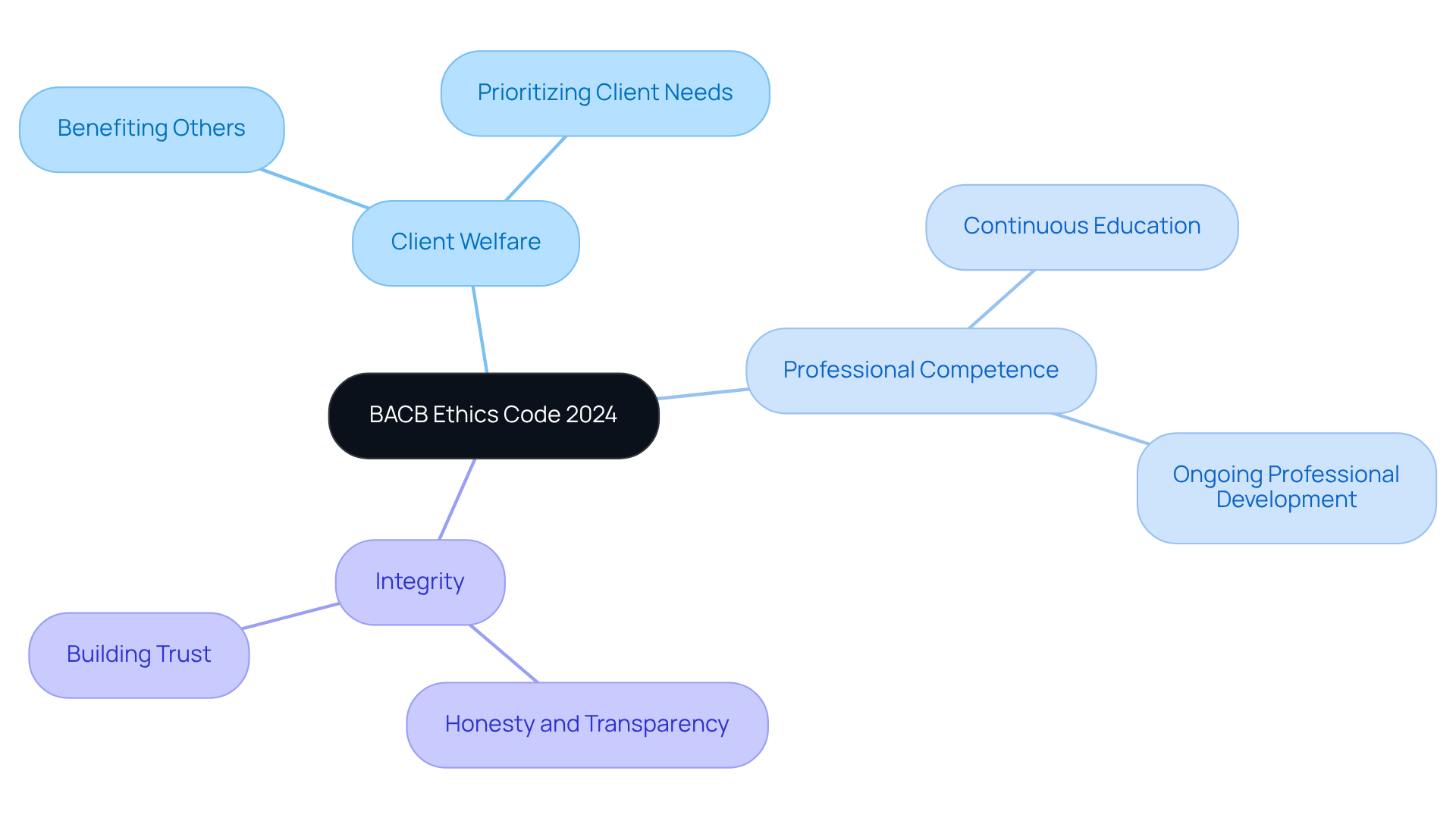
The serves as a vital framework for , guiding their professional conduct with a strong emphasis on integrity, accountability, and respect for those they serve. One striking statistic reveals that approximately 95% of BCBAs face ethical dilemmas in their practice, highlighting the critical need for a . Key components of the Code include:
For instance, a BCBA may encounter a situation where a family's insistence on a treatment conflicts with the analyst's assessment of what is best for the individual. In such instances, the BCBA must adeptly navigate the complexities of [client welfare](https://discoveryaba.com/aba-therapy/aba-ethical-considerations?8936781b_page=17&c73247f3_page=12) while upholding professional integrity.
The moral framework governing ABA practice is primarily established by the Behavior Analyst Certification Board (BACB) through the [bacb ethics code 2024](https://appliedbehavioranalysisedu.org/ethics-for-behavior-analysts), which provides that assist practitioners in their daily responsibilities. Furthermore, the BACB ethics code 2024 outlines the , which are enforced through their Code-Enforcement Procedures, ensuring accountability in practice.
Statements from behavior analysts underscore the importance of prioritizing the well-being of those we serve: "The guiding principles we follow are not merely about adherence; it’s about guaranteeing that those we assist receive the highest quality of care and support."
By understanding these fundamental principles, behavior analysts can effectively navigate ethical dilemmas, ensuring their work aligns with the highest standards of client care and professional responsibility.
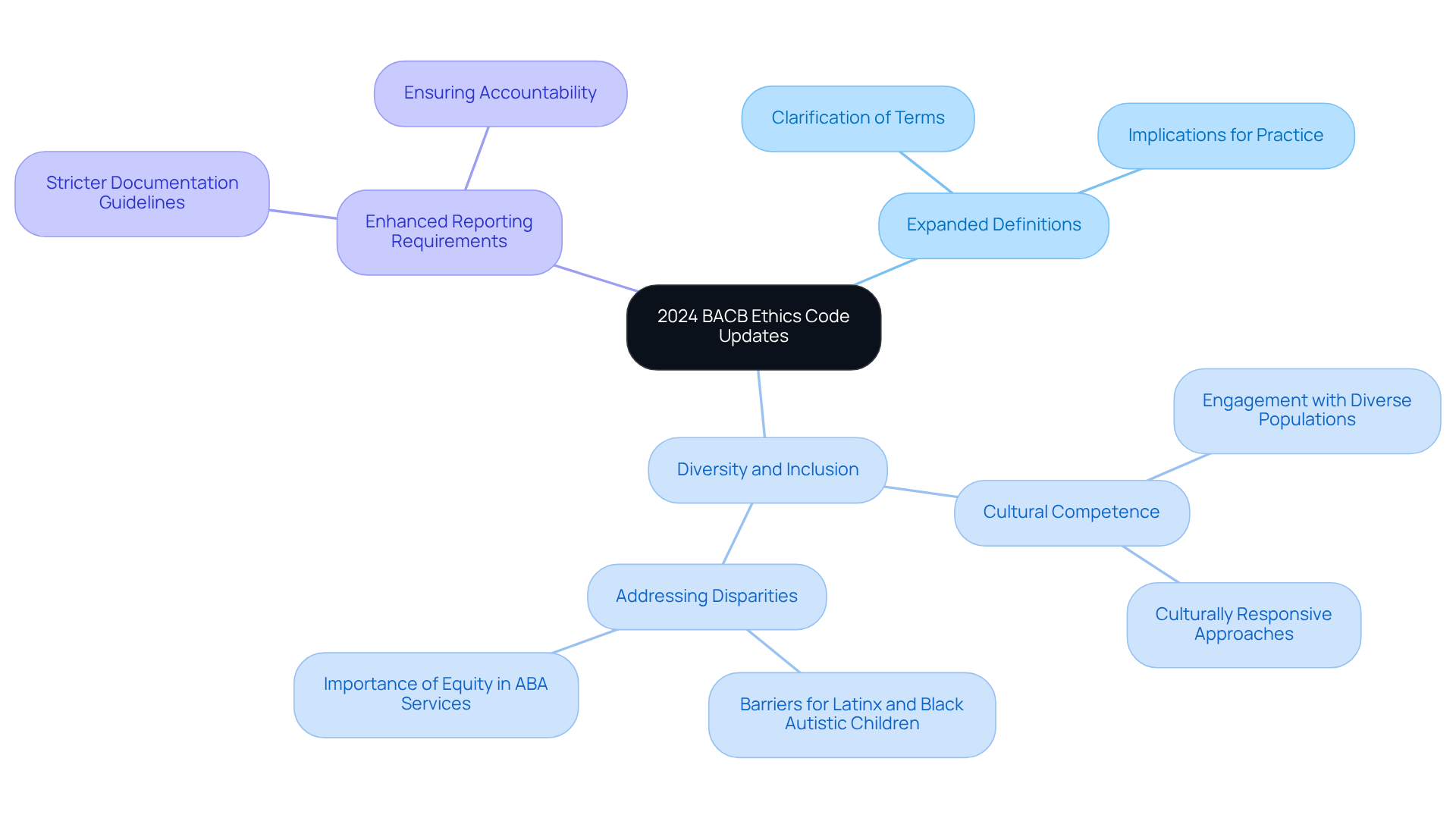
The 2024 BACB Ethics Code introduces several pivotal updates that must understand:
These updates reflect the evolving landscape of ABA therapy, underscoring the imperative for BCBAs to adapt their practices to meet these new standards. , such as culturally responsive supervision training, are vital for cultivating an inclusive atmosphere that benefits both practitioners and those they serve. As Crystal D Hernandez notes, "We believe all ABA professionals serving individuals and their families should honor the many ways in which people differ, in addition to actively working towards equity for clients and staff." As the BACB continues to evolve, the integration of diversity and inclusion training is expected to significantly enhance the effectiveness of ABA interventions, ultimately leading to better outcomes for individuals served.
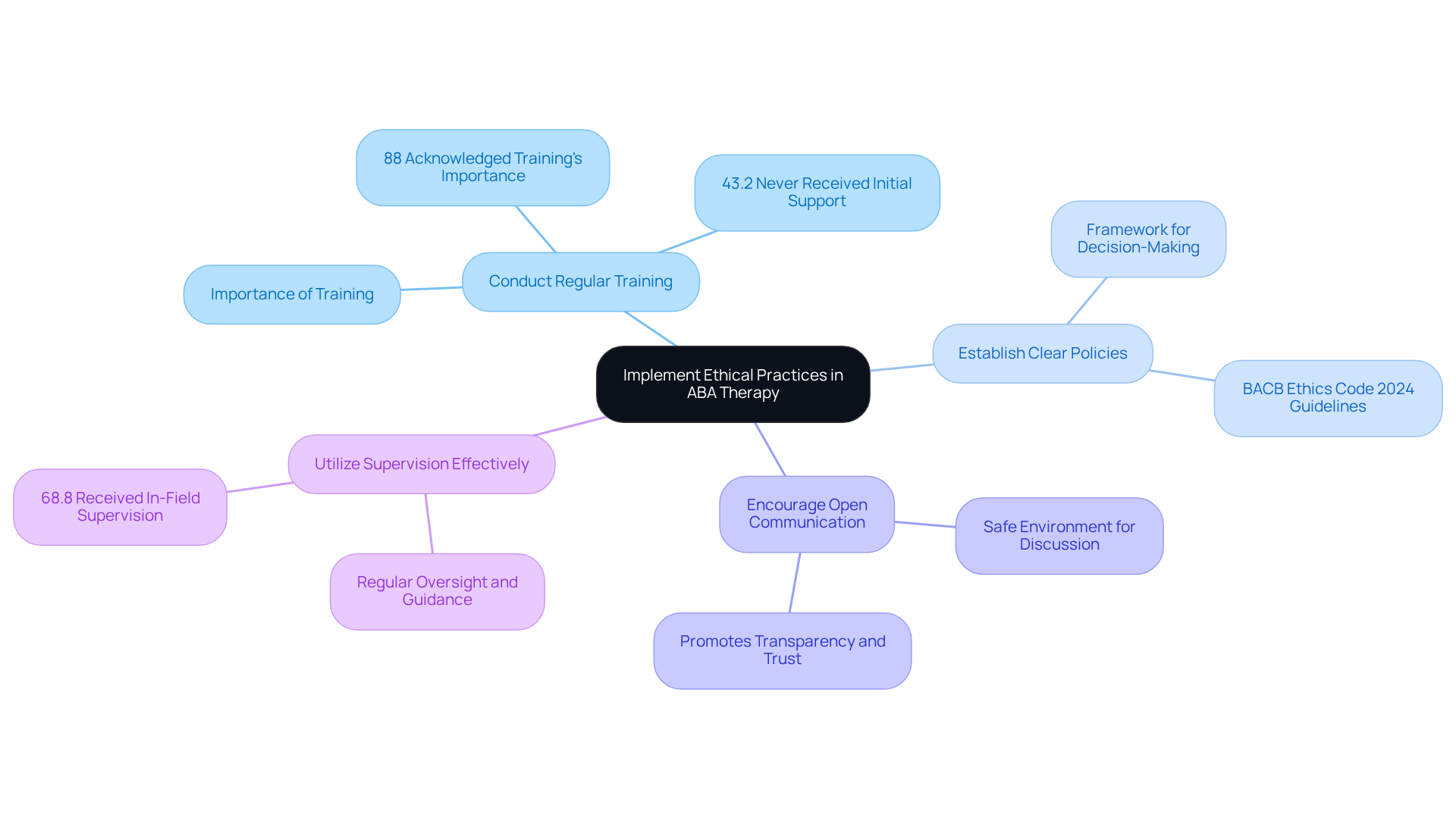
To effectively implement ethical practices in ABA therapy, must adopt essential strategies that not only enhance their professional competence but also improve .
Incorporating these practices into the organizational culture allows behavior analysts to encourage responsible conduct and improve the quality of client care, ultimately resulting in better outcomes for individuals receiving ABA therapy.
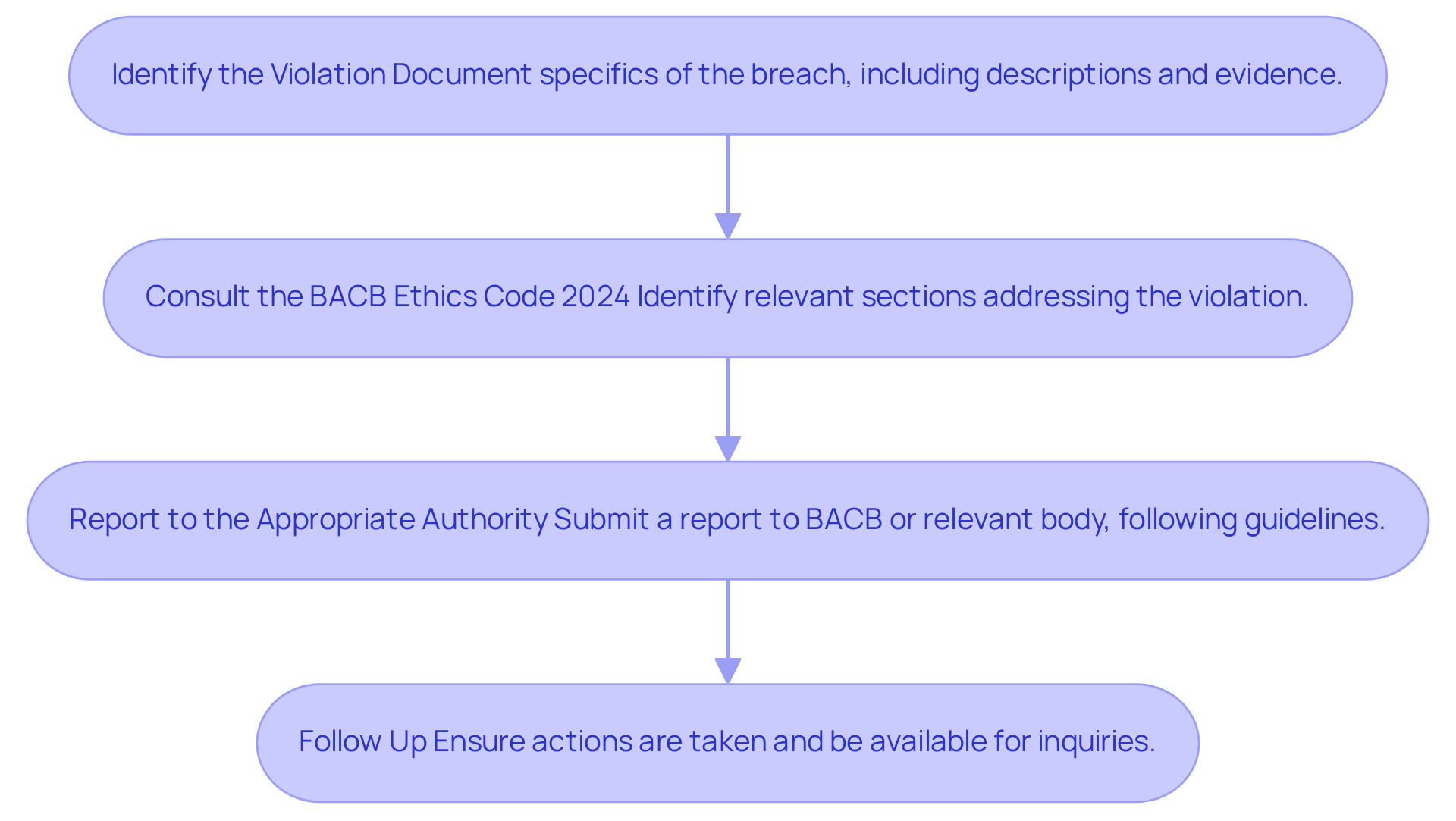
Behavior analysts must be knowledgeable about the processes for to maintain responsibility within the field. The following steps are essential:
By comprehending and adhering to these procedures, and ethical conduct in accordance with the [BACB Ethics Code 2024](https://hireaba.today). Accountability is not merely a principle; it is a daily habit that fuels personal growth and builds trust within the BACB community. As Norman Wood stated, "" Furthermore, the absence of accountability can lead to missed deadlines, broken trust, and frustration, underscoring the importance of these .
The BACB Ethics Code 2024 stands as a vital resource for Board Certified Behavior Analysts (BCBAs), providing a foundational guide that underscores integrity, accountability, and client welfare. As the field of Applied Behavior Analysis (ABA) evolves, practitioners are compelled to fully engage with these ethical guidelines to effectively navigate the complexities of their professional responsibilities.
Key updates to the BACB Ethics Code have been highlighted, including:
These changes reflect a growing acknowledgment of cultural competence in ABA therapy and underscore the importance of accountability and transparency in upholding high standards of practice. By implementing regular training, establishing clear policies, fostering open communication, and utilizing effective supervision, BCBAs can enhance their ethical practices and ultimately improve client outcomes.
In light of these developments, it is crucial for BCBAs to actively embrace the principles outlined in the BACB Ethics Code 2024. Engaging with these guidelines not only promotes ethical conduct but also ensures that client welfare remains paramount in practice. By prioritizing continuous education and accountability, behavior analysts can contribute to a culture of integrity and excellence within the field, thereby enhancing the quality of care provided to individuals and their families.
What is the BACB Ethics Code 2024?
The BACB Ethics Code 2024 is a framework for Board Certified Behavior Analysts (BCBAs) that guides their professional conduct, emphasizing integrity, accountability, and respect for clients.
Why is the BACB Ethics Code 2024 important for BCBAs?
It is important because approximately 95% of BCBAs face ethical dilemmas in their practice, highlighting the need for a strong ethical foundation to navigate these challenges.
What is the top priority outlined in the BACB Ethics Code 2024?
The top priority is client welfare, ensuring that all interventions benefit clients and promote their well-being.
How does the BACB Ethics Code address professional competence?
The code requires BCBAs to engage in continuous education to maintain and enhance their skills, demonstrating a commitment to high performance standards.
What role does integrity play in the BACB Ethics Code?
Integrity involves maintaining honesty and transparency in all professional interactions, which is essential for fostering trust and effective communication.
Can you provide an example of an ethical dilemma a BCBA might face?
A BCBA may encounter a situation where a family's insistence on a treatment conflicts with the analyst's assessment of what is best for the individual, requiring careful navigation of client welfare and professional integrity.
How does the BACB enforce the Ethics Code?
The BACB enforces the Ethics Code through Code-Enforcement Procedures, ensuring accountability in practice.
What do behavior analysts say about the principles of the BACB Ethics Code?
Behavior analysts emphasize that the guiding principles are about guaranteeing that those they assist receive the highest quality of care and support, not merely about adherence to rules.
How can understanding the BACB Ethics Code help behavior analysts?
By understanding the fundamental principles of the code, behavior analysts can effectively navigate ethical dilemmas and ensure their work aligns with high standards of client care and professional responsibility.
Our expert recruitment strategies and AI-driven sourcing ensure that you receive top-notch candidates quickly, without compromising on quality. Whether you’re looking for BCBAs, Clinical Directors, or RBTs, we’ve got you covered.


