


Thank you! Your submission has been received!
Oops! Something went wrong while submitting the form.
March 29, 2026

The demand for Board Certified Behavior Analysts (BCBAs) is skyrocketing, with a significant need for qualified professionals in the field. Mastering the BCBA exam is not just a step; it’s a crucial milestone for aspiring BCBAs. This guide provides a structured approach to preparation, detailing essential content areas, effective study strategies, and practical tips for success on exam day.
Yet, with first-time pass rates hovering around 65%, candidates face a pressing challenge: how can they align their preparation methods with the exam's unique structure? Reflect on your current strategies. Are they truly effective? This guide aims to equip you with the insights needed to not only pass but excel in your exam journey.
The demand for Board Certified Behavior Analysts (BCBAs) is on the rise, making it essential to understand the BCBA test. This assessment consists of 185 multiple-choice questions, with 175 scored and 10 unscored pilot questions. It is structured around nine essential content domains:
Familiarizing yourself with these domains is crucial for prioritizing study materials and identifying areas that may require additional focus. The assessment emphasizes applied scenarios, requiring candidates to make behavior-analytic, ethical, and feasible decisions based on client vignettes. Have you considered how your current hiring strategies align with these competencies?
It's important to note that unanswered questions are counted as incorrect, making it essential to answer every question. The passing score for the BCBA test is set at 400, though this score can vary slightly between different test forms due to the scoring method. Candidates are allowed to retake the BCBA test up to eight times within a two-year eligibility period, providing flexibility in their preparation strategy.
Interacting with case examples related to these areas can further improve your comprehension and application of the material. Ultimately, this approach will lead to a more . Are you ready to enhance your hiring process with qualified BCBAs?

To create an effective study plan for the BCBA exam, consider these essential steps:
Evaluate Your Existing Understanding: Begin with a diagnostic test to pinpoint your strengths and weaknesses across the test's content areas. This initial assessment is crucial for tailoring your study approach.
Set a Study Schedule: Allocate specific times each week for studying, aiming for a total of 6-8 hours of focused fluency-building over 12-16 weeks. This structured method ensures comprehensive coverage of all domains outlined in the necessary for the bcba test.
Select Study Materials: Leverage a variety of resources to enhance your preparation:
Join Study Groups: Collaborate with peers to discuss challenging topics and share valuable resources. Group learning sessions can significantly enhance comprehension and retention of material.
Monitor Progress: Regularly assess your understanding through review questions and adjust your learning plan as necessary. This iterative process is vital for identifying areas that require further focus.
Successful candidates typically invest 150-200 hours over 8-12 weeks for organized learning in preparation for the bcba test, underscoring the importance of consistent and intentional effort. As Imed Bouchrika notes, "Many aspiring clinicians work diligently and still fail the BCBA assessment the first time because their preparation method is unaligned with how the assessment is actually designed." By employing active recall techniques, such as flashcards and problem sets, you can further enhance long-term retention and performance on the assessment.

Incorporate practice exams into your study routine by following these guidelines:

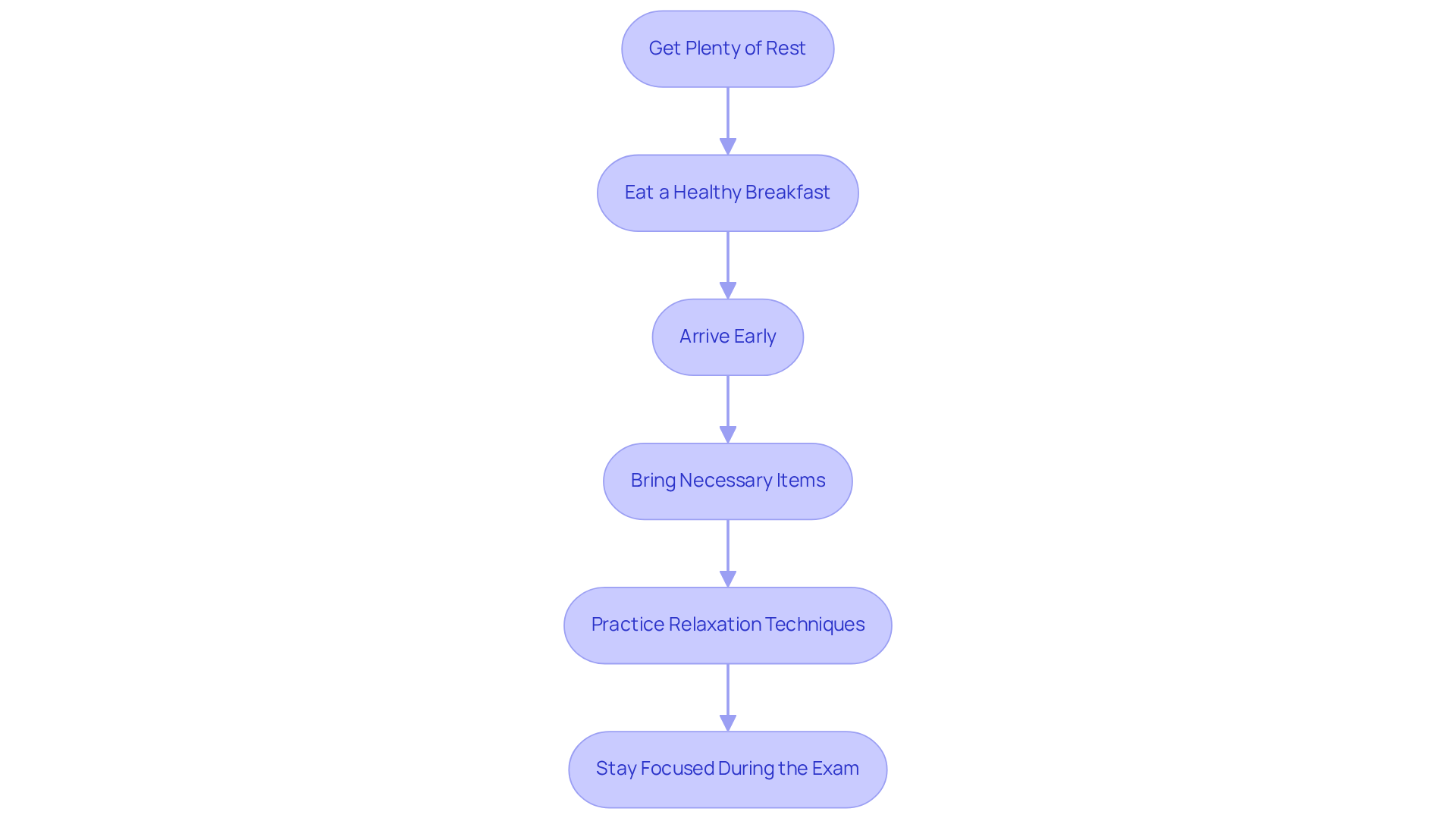
To ensure a successful exam day, consider these essential tips:
The demand for Board Certified Behavior Analysts (BCBAs) is on the rise, making mastery of the BCBA test more crucial than ever. Understanding its structure, content, and effective preparation strategies is essential for success. By familiarizing yourself with the nine essential content domains and employing a targeted study plan, you can significantly enhance your knowledge and skills in behavior analysis. This structured approach not only prepares you for the exam but also aligns your competencies with the profession's demands.
Key insights throughout this guide highlight the importance of diagnostic assessments to identify your strengths and weaknesses. Consistent study habits and practice exams are invaluable for building confidence and familiarity with the test format. Have you considered how these strategies could transform your preparation? Additionally, practical tips for exam day - like ensuring adequate rest and maintaining focus - are crucial for achieving success.
Ultimately, the journey to becoming a BCBA is not merely about passing an exam; it’s about cultivating the competencies needed to excel in the field. Aspiring BCBAs should take these strategies to heart, invest time in their preparation, and approach the exam with confidence. By doing so, you will not only increase your chances of success but also contribute positively to the field of behavior analysis. Are you ready to take the next step in your career?
What is the structure of the BCBA exam?
The BCBA exam consists of 185 multiple-choice questions, including 175 scored questions and 10 unscored pilot questions.
What are the main content domains covered in the BCBA exam?
The exam is structured around nine essential content domains: Philosophical Foundations, Measurement, Assessment, Intervention, Supervision, Ethics, Behavior Change Procedures, Research Methods, and Professional Conduct.
Why is it important to familiarize oneself with the content domains?
Familiarizing yourself with the content domains is crucial for prioritizing study materials and identifying areas that may require additional focus.
What type of scenarios does the BCBA exam emphasize?
The exam emphasizes applied scenarios, requiring candidates to make behavior-analytic, ethical, and feasible decisions based on client vignettes.
How are unanswered questions treated in the BCBA exam?
Unanswered questions are counted as incorrect, so it is essential to answer every question.
What is the passing score for the BCBA exam?
The passing score for the BCBA test is set at 400, although this score may vary slightly between different test forms due to the scoring method.
How many times can candidates retake the BCBA exam?
Candidates are allowed to retake the BCBA test up to eight times within a two-year eligibility period.
What strategies can improve comprehension and application of the BCBA exam material?
Interacting with case examples related to the content areas can enhance comprehension and application of the material, leading to a more effective preparation strategy.
Our expert recruitment strategies and AI-driven sourcing ensure that you receive top-notch candidates quickly, without compromising on quality. Whether you’re looking for BCBAs, Clinical Directors, or RBTs, we’ve got you covered.


