


Thank you! Your submission has been received!
Oops! Something went wrong while submitting the form.
November 21, 2025

The increasing demand for Board Certified Behavior Analysts (BCBAs) underscores the importance of the Registered Behavior Technician (RBT) exam as a crucial entry point into this fulfilling profession. With the average pass rate lingering between 70% and 80%, many aspiring technicians are left wondering: what are the most effective strategies to prepare for this essential assessment and ensure a seamless testing experience?
Candidates must not only meet specific eligibility criteria but also adopt effective study techniques to boost their chances of success. This is where the right resources can make all the difference. Are you currently facing challenges in hiring qualified professionals? Consider how utilizing a platform like Hire ABA can streamline your recruitment process and connect you with top talent in the field.
By embracing proven study strategies and leveraging reliable recruitment tools, you can navigate the complexities of the RBT exam and the hiring landscape with confidence. Don't leave your success to chance - take action today to enhance your preparation and recruitment efforts.
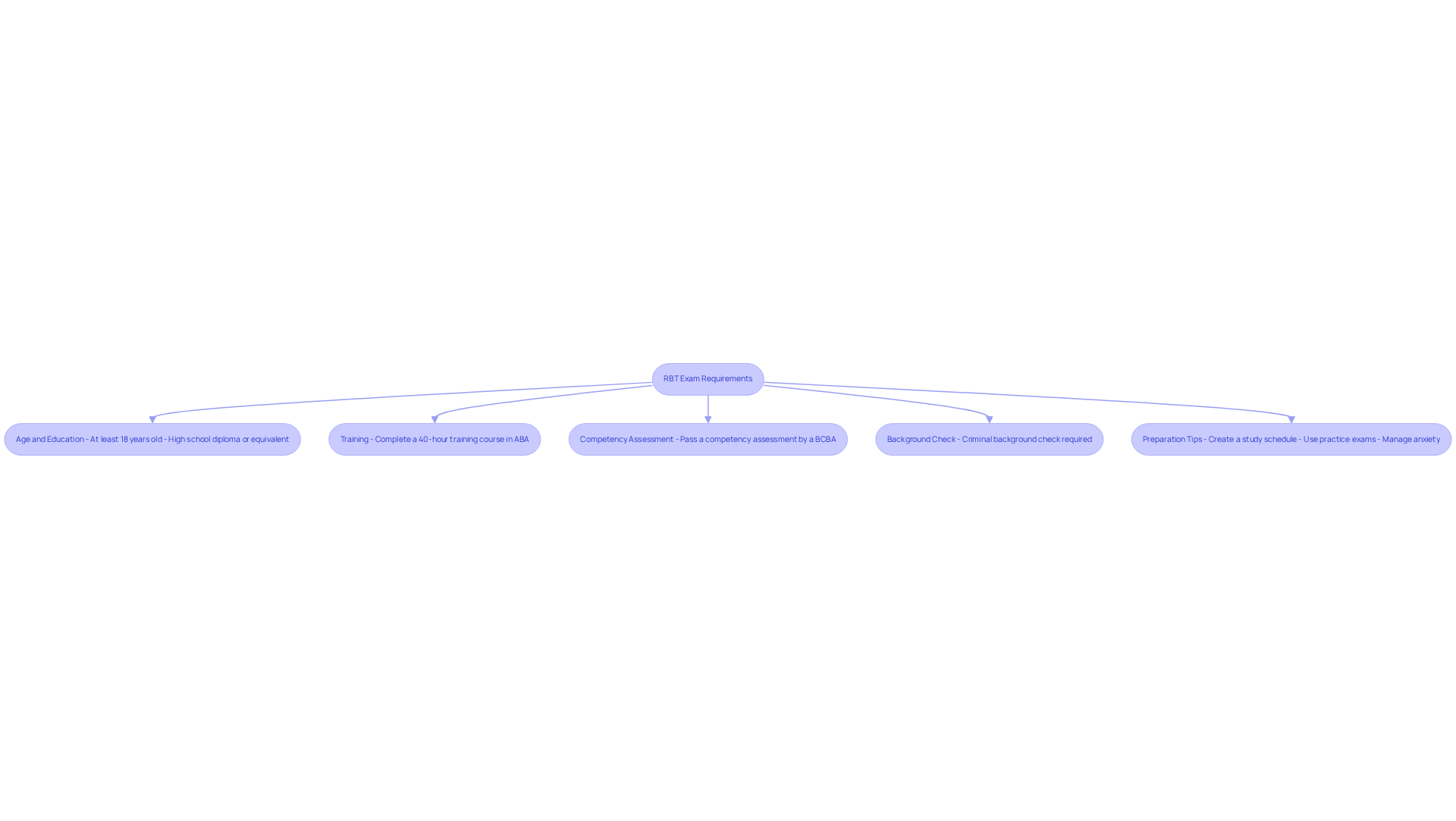
The demand for Board Certified Behavior Analysts (BCBAs) is on the rise, making the Registered Behavior Technician (RBT) assessment a critical step for those looking to enter this rewarding field. This assessment evaluates the essential knowledge and skills needed to deliver effective behavior analysis services. To qualify for the exam, candidates must meet specific requirements:
In 2025, the . This statistic underscores the importance of and a solid understanding of these prerequisites. Have you considered how meeting these eligibility criteria can streamline your application process and help you avoid unexpected challenges?
BCBA professionals emphasize that hands-on experience is essential. Individuals with practical exposure are more likely to succeed. The BACB allows candidates eight attempts within a 12-month timeframe to , providing ample opportunities for those who may not succeed on their first try. Additionally, managing anxiety is crucial for test performance. Candidates are encouraged to and utilize the rbt free practice exam to enhance their preparedness.
By adhering to these requirements, you not only promote a successful assessment experience but also lay a strong foundation for a career in behavior analysis. Are you ready to take the next step in your professional journey?
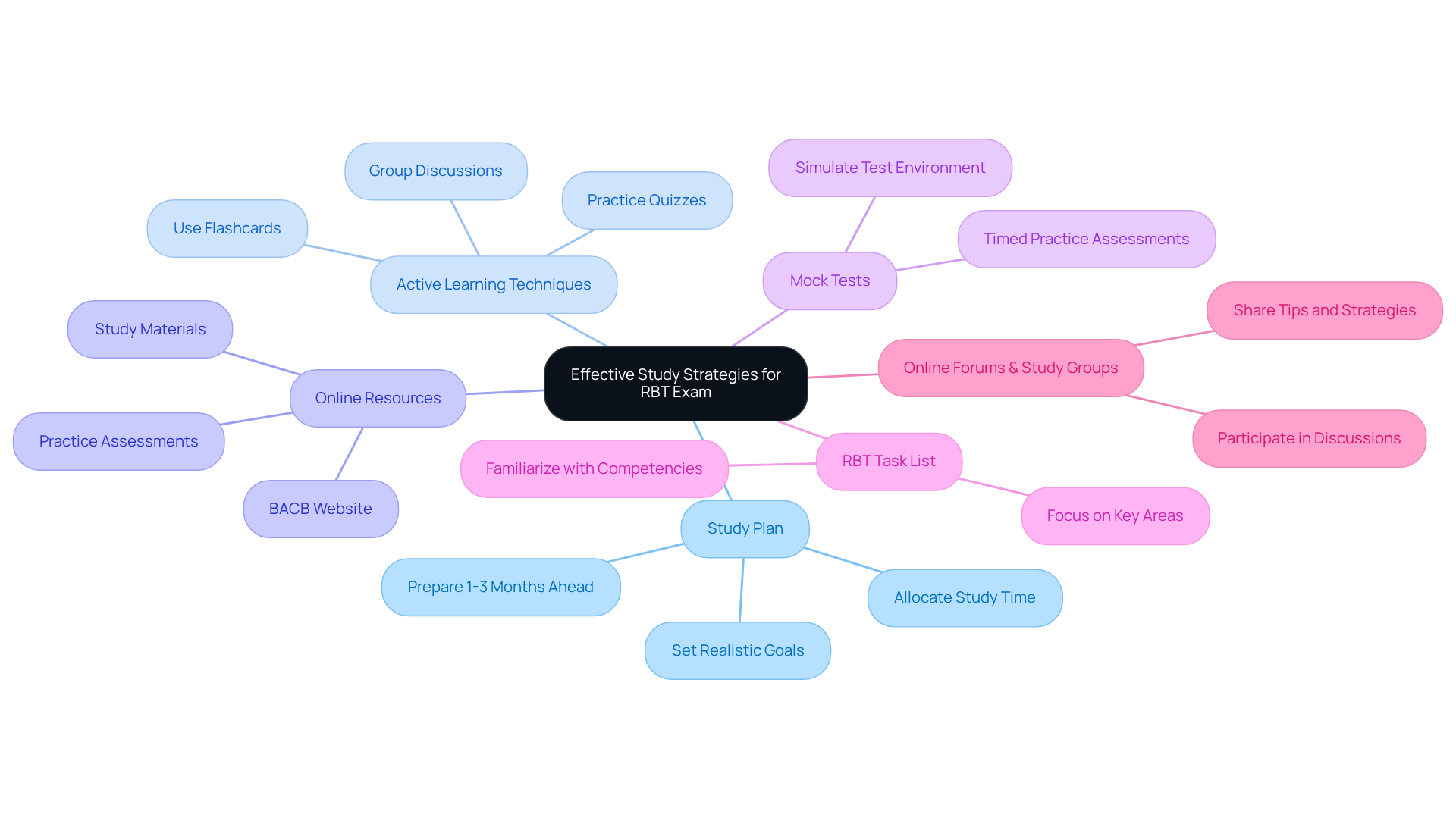
To effectively prepare for the , candidates must implement a structured study approach that incorporates several key strategies:
By employing these strategies, candidates can significantly enhance their comprehension and retention of vital concepts, ultimately increasing their chances of passing the RBT assessment on their first attempt.
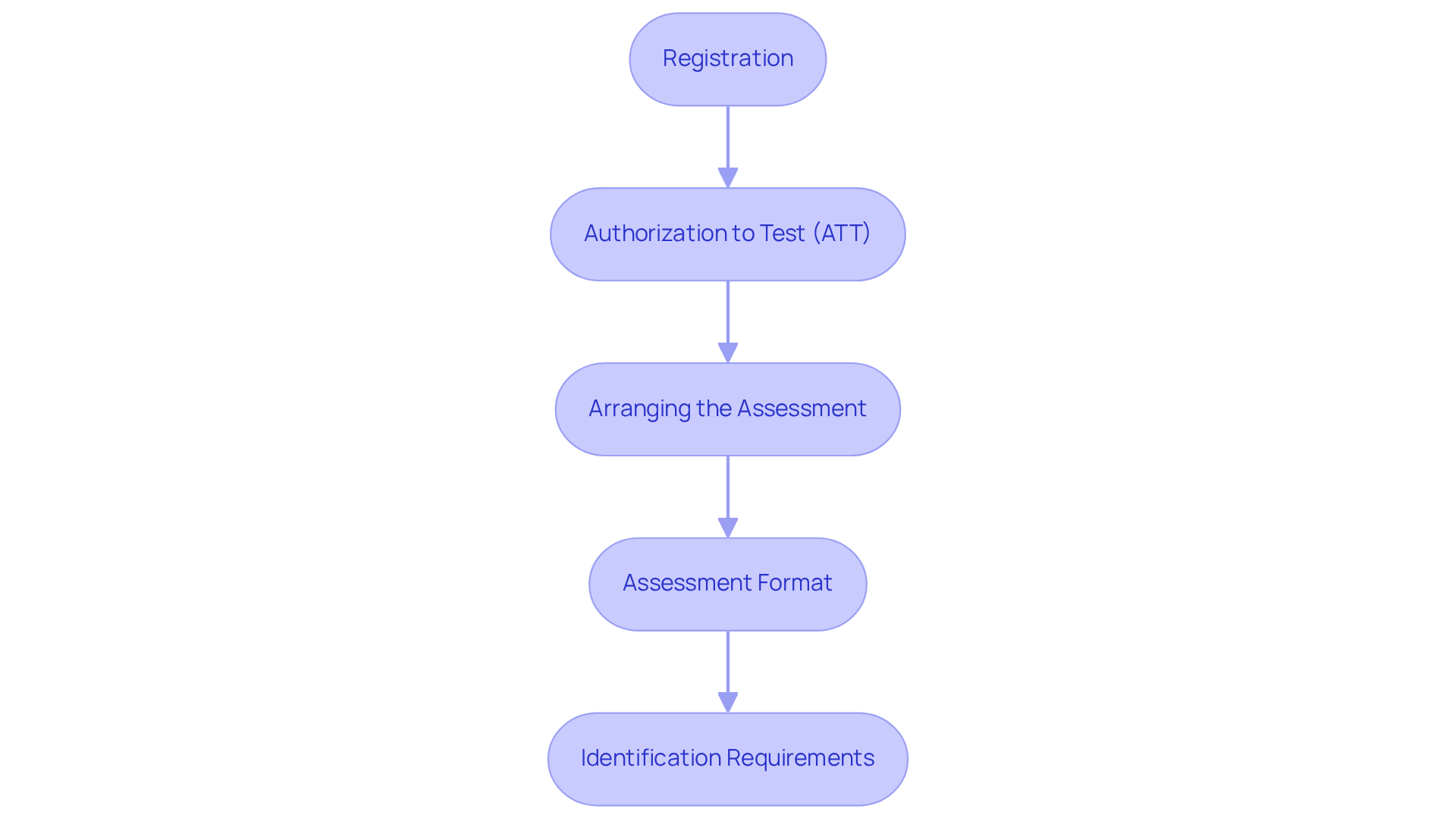
For aspiring professionals in the field, navigating the process is essential. Here’s how to ensure you’re on the right track:
By following these steps, you can ensure a smooth registration and testing process, significantly increasing your chances of success on your first attempt when utilizing the . As emphasize, comprehensive preparation and understanding of the are essential for achievement. Effective study techniques, such as summarizing concepts and creating flashcards, can further bolster your preparation. If you don’t pass the test, remember you can retake it after a 45-day waiting period. Are you ready to take the next step in your career?
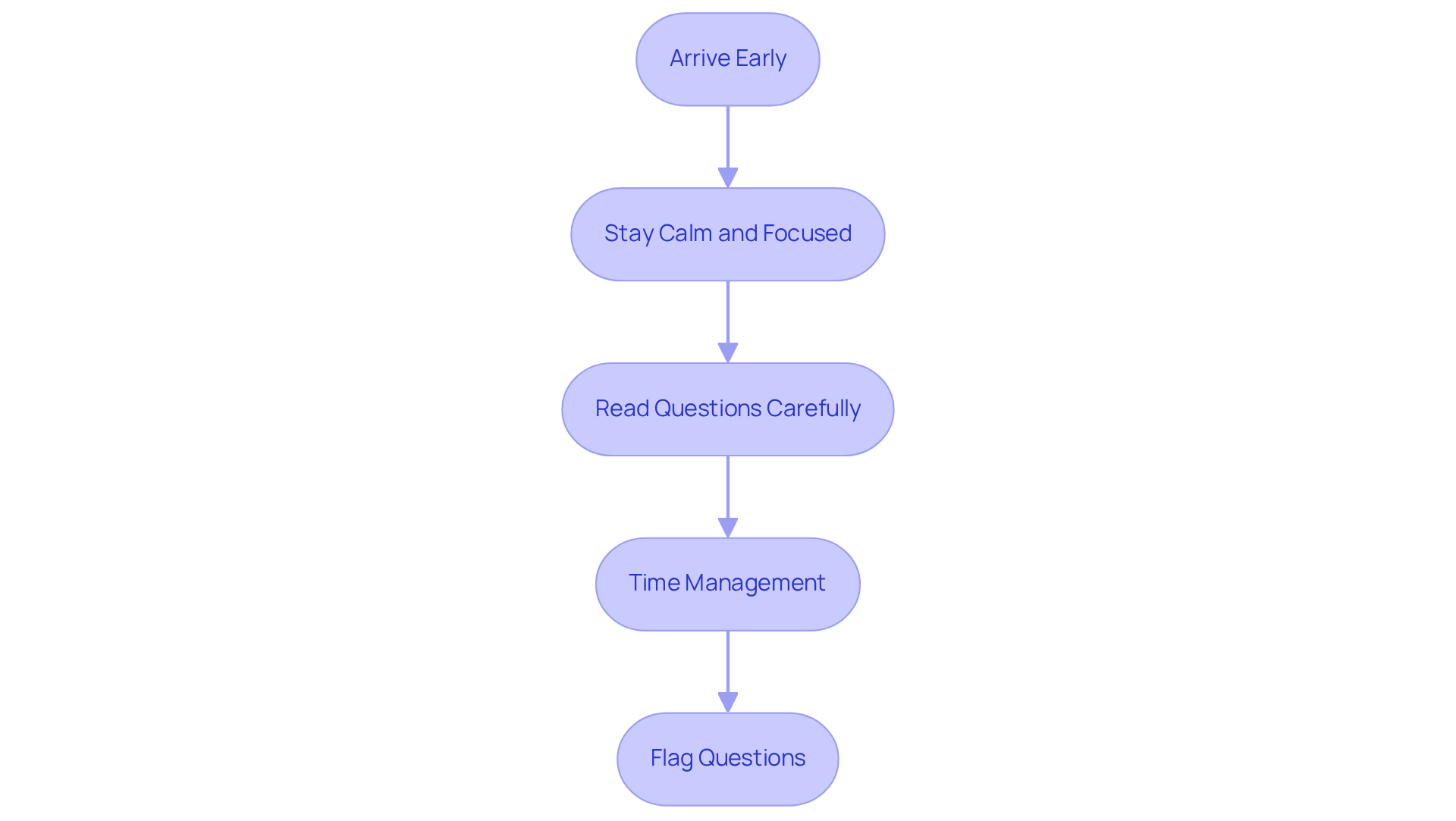
On the day of the , candidates can significantly enhance their performance by adopting :
Integrating these strategies can empower individuals to tackle the rbt with assurance and clarity, greatly enhancing their odds of success. emphasize the importance of a , reminding candidates that preparation and self-care are crucial components of .
Mastering the RBT exam is not just a step; it’s a crucial milestone for those aiming to become Registered Behavior Technicians. Did you know that the demand for Board Certified Behavior Analysts (BCBAs) is on the rise? This growing need underscores the importance of understanding the exam's purpose, meeting eligibility requirements, and employing effective study strategies. By grasping the foundational aspects of the RBT assessment, candidates can position themselves for success in this expanding field of behavior analysis.
Key points highlighted throughout this article include:
Each of these elements plays a vital role in enhancing preparedness and confidence, ultimately leading to a higher likelihood of passing the exam on the first attempt. Engaging in active learning techniques, participating in study groups, and familiarizing oneself with the RBT Task List are strategies that can significantly bolster a candidate's chances for success.
As the demand for BCBAs continues to rise, the importance of thorough preparation for the RBT exam cannot be overstated. Are you ready to take proactive steps in your study approach? By integrating the insights and strategies discussed, individuals can not only enhance their exam performance but also lay a solid foundation for a rewarding career in behavior analysis. Embrace this opportunity and take the next step toward achieving your professional aspirations.
What is the purpose of the RBT exam?
The RBT exam evaluates the essential knowledge and skills needed to deliver effective behavior analysis services, serving as a critical step for those looking to enter the field of behavior analysis.
What are the age and education requirements to qualify for the RBT exam?
Candidates must be at least 18 years old and possess a high school diploma or equivalent.
What training is required before taking the RBT exam?
Candidates must complete a 40-hour training course in Applied Behavior Analysis.
What is the competency assessment for the RBT exam?
Candidates must pass a competency assessment conducted by a qualified Board Certified Behavior Analyst (BCBA).
Is a background check necessary for the RBT exam?
Yes, a criminal background check is required to ensure the safety and integrity of the profession.
What is the expected national average pass rate for the RBT exam in 2025?
The expected national average pass rate for the RBT exam in 2025 is around 70-80%.
How many attempts do candidates have to pass the RBT exam?
The BACB allows candidates up to eight attempts within a 12-month timeframe to pass the RBT test.
What can candidates do to manage test anxiety and improve their performance?
Candidates are encouraged to create organized study plans and utilize free practice exams to enhance their preparedness and manage anxiety.
Why is hands-on experience important for RBT candidates?
Individuals with practical exposure are more likely to succeed on the RBT exam, emphasizing the importance of hands-on experience in the field.
Our expert recruitment strategies and AI-driven sourcing ensure that you receive top-notch candidates quickly, without compromising on quality. Whether you’re looking for BCBAs, Clinical Directors, or RBTs, we’ve got you covered.


