


Thank you! Your submission has been received!
Oops! Something went wrong while submitting the form.
December 4, 2025

Preparing for the Registered Behavior Technician (RBT) exam is crucial for those aspiring to excel in Applied Behavior Analysis (ABA). With a staggering increase in the demand for qualified behavior analysts, mastering the nuances of this assessment can profoundly influence your career path. Yet, many candidates encounter hurdles such as:
Are you ready to tackle these challenges head-on and boost your chances of success on the RBT exam? This guide explores strategic preparation methods, essential resources, and practical tips designed to empower you on your journey to certification.
The assessment is a critical step for those pursuing a career in . With the demand for (BCBAs) on the rise, understanding this assessment is essential. The consists of 85 multiple-choice questions, of which 75 are scored and 10 are unscored pilot questions. This structure allows for statistical analysis without affecting the overall score, ensuring the assessment remains relevant and reliable.
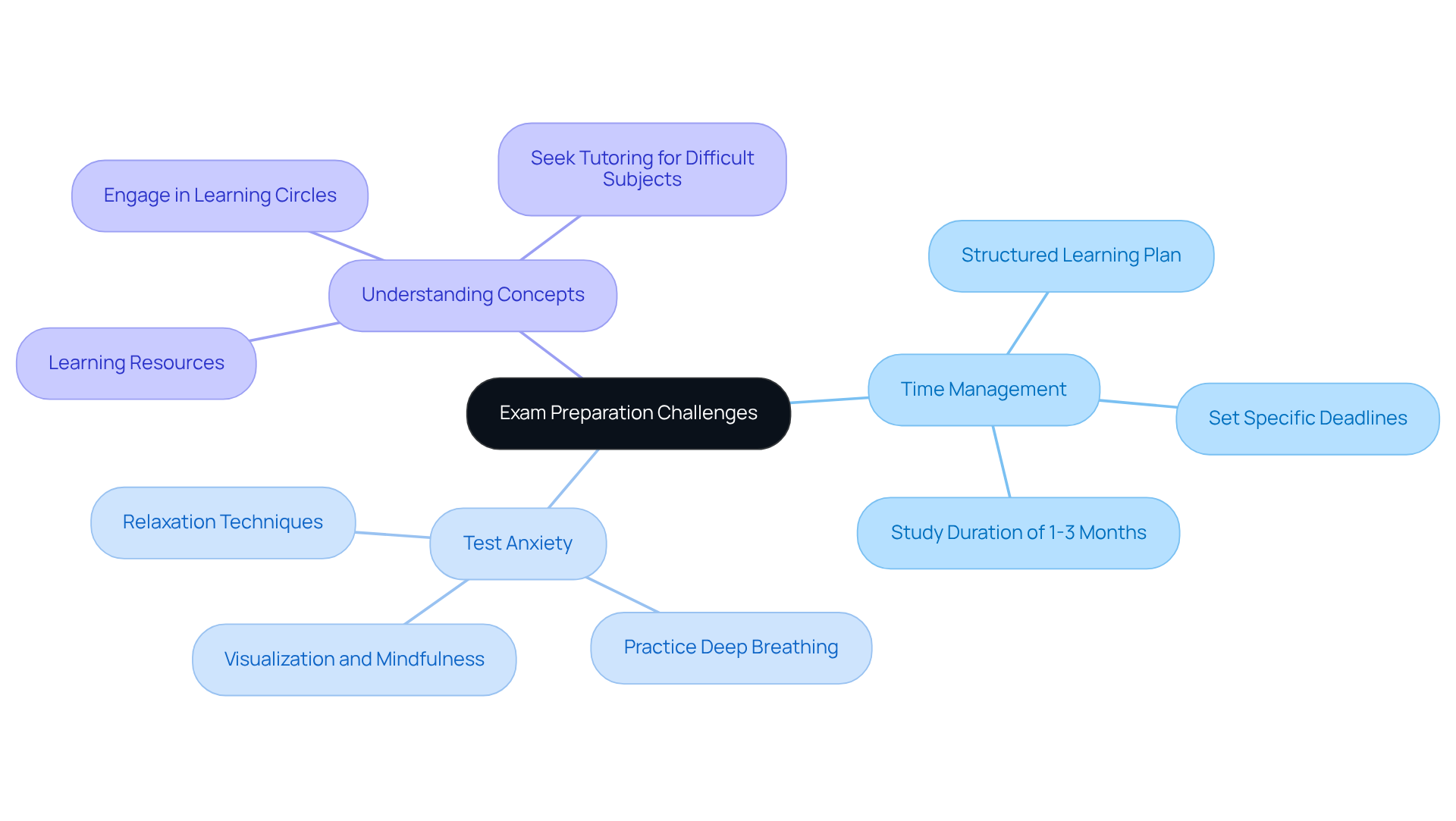
Candidates have 90 minutes to complete the assessment, which covers six essential domains:
Recognizing the distribution of scored versus unscored questions is vital for . The scored questions assess candidates' grasp of key concepts, while the unscored items contribute to refining future test versions. Mastering the is crucial, as it outlines the necessary knowledge areas.
Experts in the field stress the importance of familiarizing oneself with the test format. As Daniel Carter noted, "Maximizing your chances of passing the RBT assessment on your first attempt relies on a solid preparation strategy." With an hovering between 70% and 80%, setting realistic expectations is key. include:
By focusing on these essential elements and employing effective study techniques, individuals can enhance their understanding and performance on the RBT assessment. This not only paves the way for success in the exam but also opens doors to a rewarding career in behavior analysis.
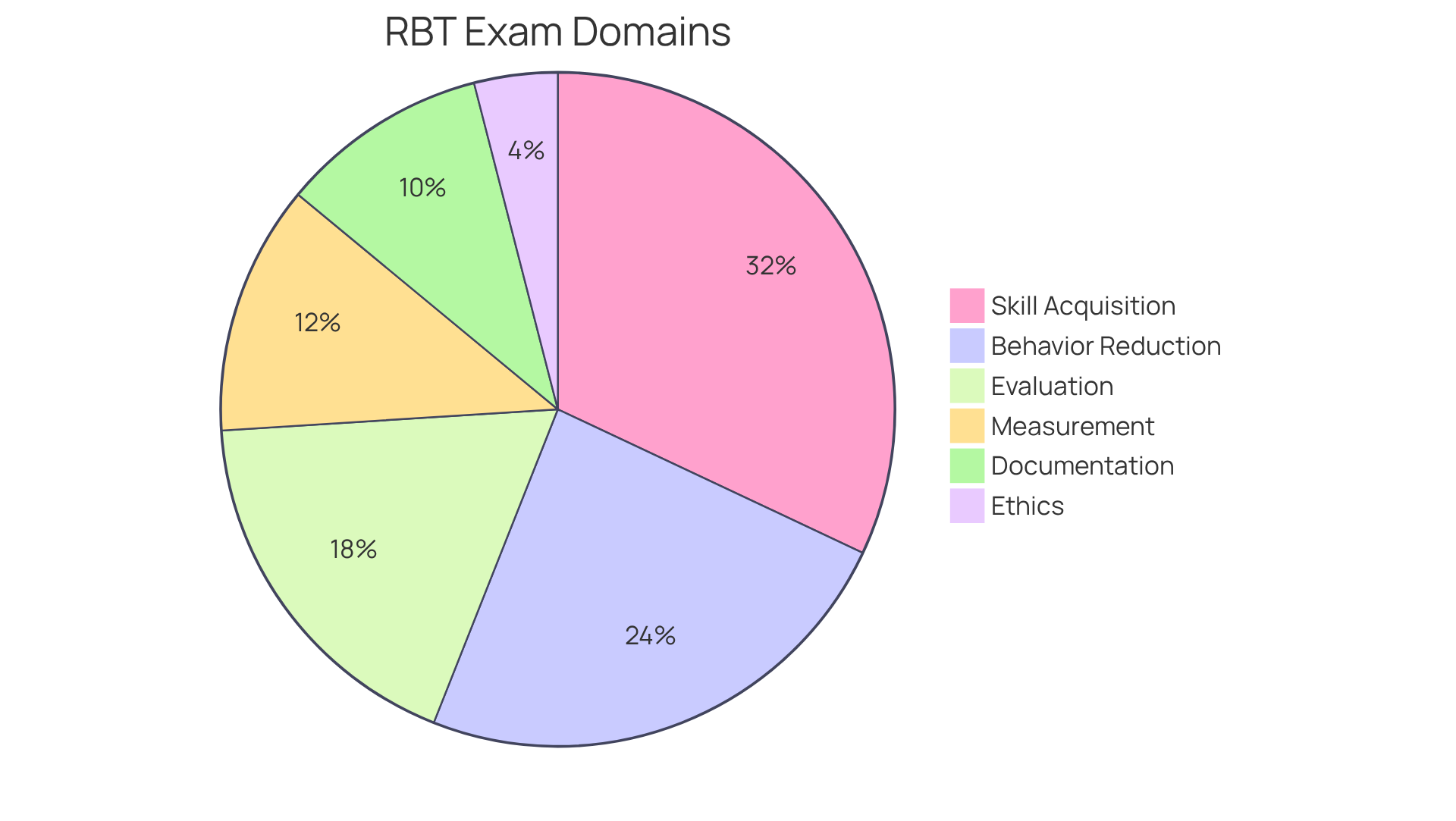
To be eligible for the RBT assessment, individuals must be at least 18 years old and possess a high school diploma or a comparable qualification. They are also required to complete a aligned with the RBT Task List and successfully pass a administered by a qualified BCBA. Once eligibility is confirmed, individuals can register for the exam through the website.
It’s crucial to have all necessary documentation prepared, including proof of training completion and valid identification, to facilitate a smooth registration process.
The percentage of applicants meeting these eligibility requirements is significant, reflecting a commitment to maintaining in the field. Successful RBT applicants often share positive experiences regarding the during their registration journey. They emphasize the importance of thorough preparation and understanding of the requirements for the [registered behavior technician practice exam](https://trueprogresstherapy.com/blog/rbt-exam-first-time-pass-rate).
As noted by BCBAs, the is essential for providing individuals with the foundational knowledge and skills necessary for effective practice in applied behavior analysis.
Are you facing challenges in hiring qualified professionals? Consider how can streamline your recruitment process and ensure you find the right candidates. With a focus on , you can trust that the individuals you bring on board are well-prepared to excel in their roles.
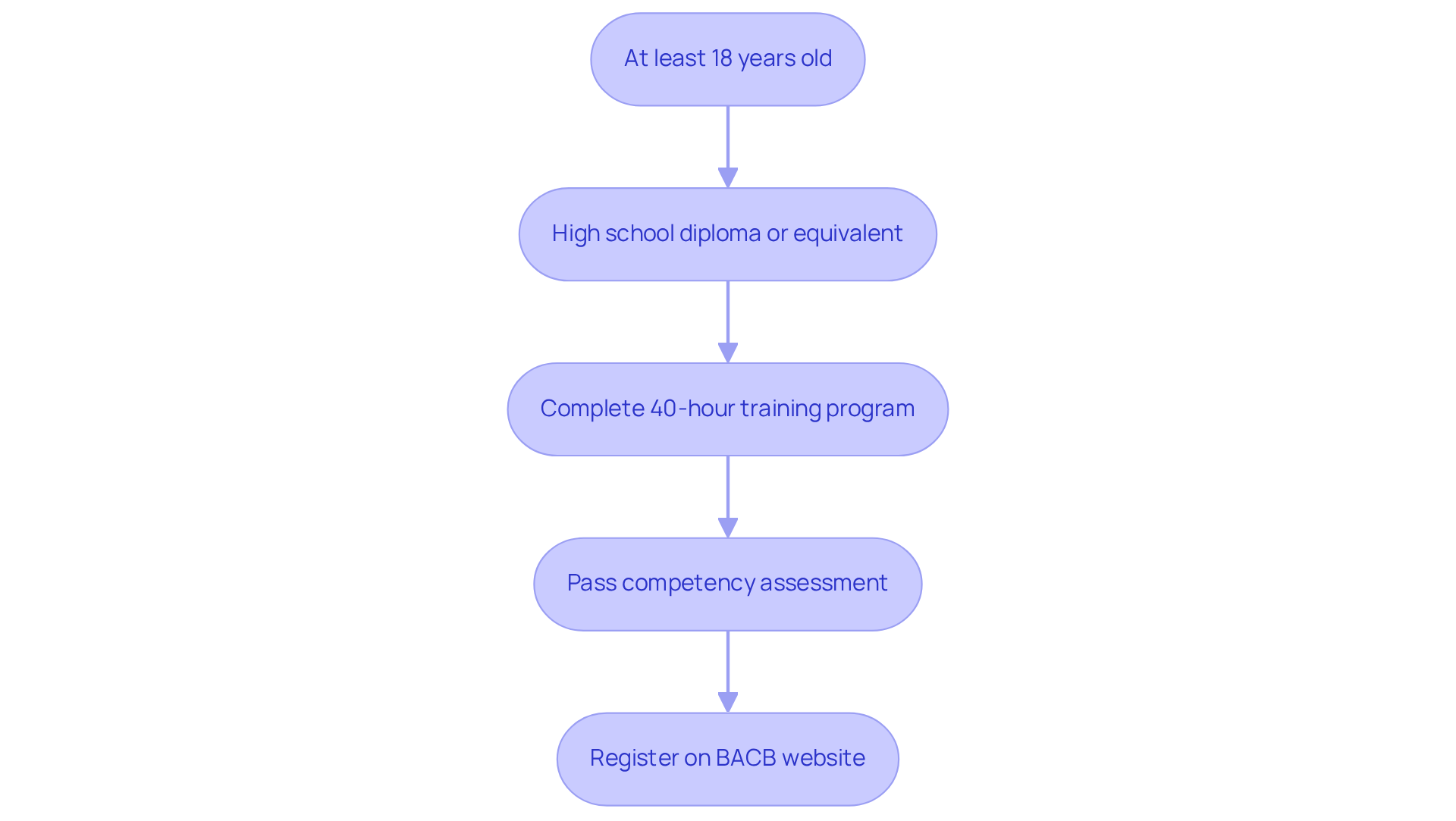
To prepare effectively for the , consider these essential learning strategies:
Real-life instances demonstrate that candidates who embrace organized learning strategies and use diverse materials significantly enhance their likelihood of succeeding in the RBT assessment on their first try, with optimal . In fact, the pass rate for the RBT assessment on the . Consistent learning habits and effective preparation strategies are essential to success in this certification process.
Remember, if you fail the RBT test, you can retake it after a 5-day waiting period. Furthermore, the score report given by the BACB will indicate which areas require enhancement, highlighting the significance of .
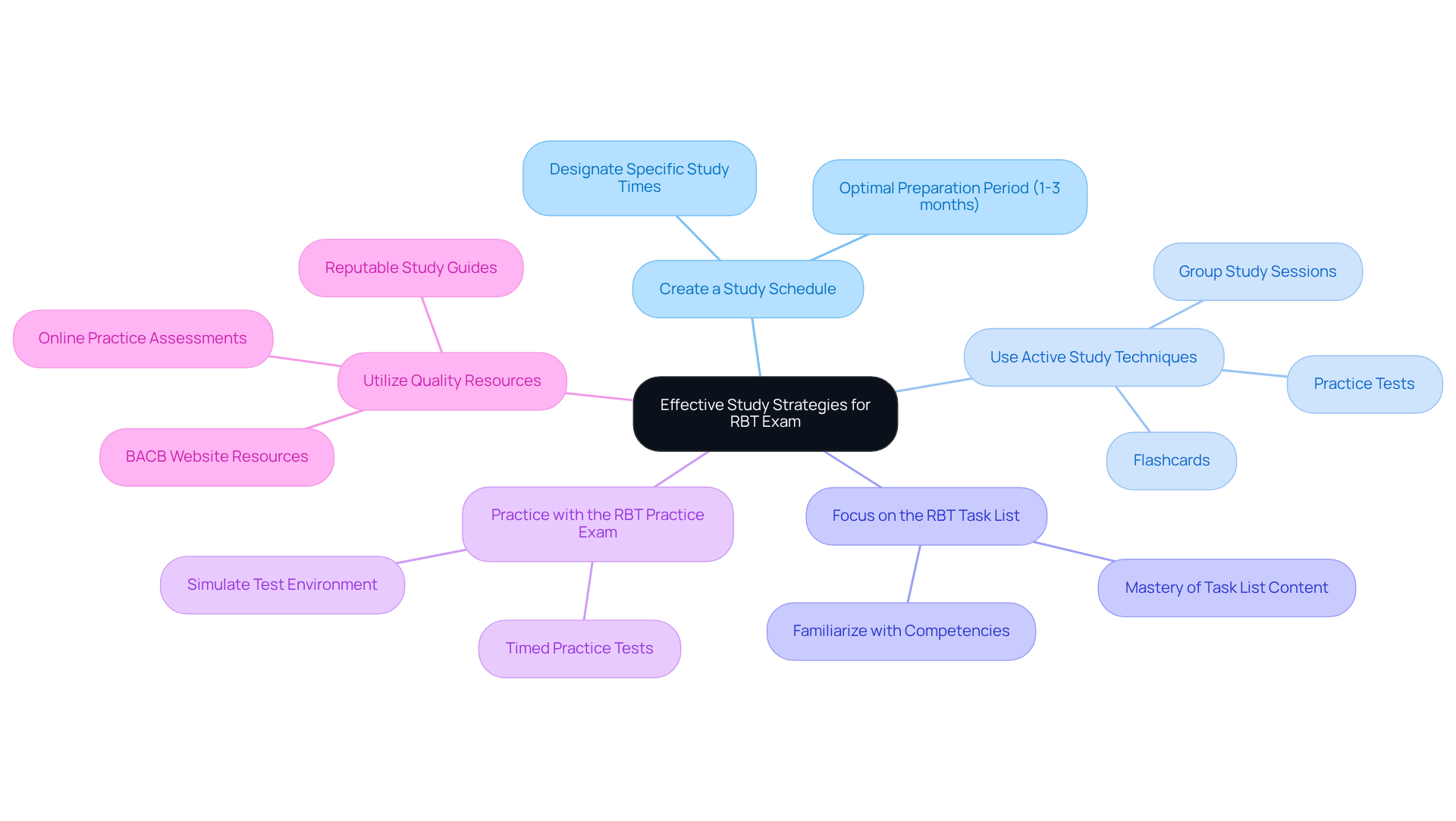
Preparing for the can be daunting. Many individuals grapple with challenges like , , and understanding complex concepts. But with the right strategies, you can navigate these hurdles effectively.
Time Management: Start by creating a structured learning plan. Break the material into manageable sections and set specific deadlines for each topic. Research shows that candidates typically prepare for 1-3 months before taking the registered behavior technician practice exam. This approach not only helps maintain focus but also ensures comprehensive coverage of the .
Test Anxiety: Test anxiety is a common issue, with many candidates experiencing heightened stress during their preparation. To combat this, practice such as deep breathing, visualization, or mindfulness exercises. According to the Behavior Analyst Certification Board, those who dedicate adequate time to preparation and utilize are more likely to succeed on their first attempt. These methods can help calm your nerves before and during the exam, ultimately enhancing your performance.
Understanding Concepts: If you find yourself struggling with complex , tap into a variety of resources. Engage in learning circles, watch online videos, or seek tutoring for challenging subjects. Regularly assess your progress and adjust your learning techniques to address any weaknesses. creating a and joining study groups to clarify difficult concepts and boost motivation.
By implementing these strategies, you can significantly improve your readiness for the registered behavior technician practice exam, which will increase your chances of success. Are you ready to take the next step in your preparation?
Mastering the Registered Behavior Technician (RBT) practice exam is crucial for those looking to thrive in the field of Applied Behavior Analysis (ABA). With the demand for Board Certified Behavior Analysts (BCBAs) on the rise, understanding the exam structure, eligibility requirements, and effective study strategies can significantly boost candidates' chances of success. By honing in on preparation techniques tailored to the RBT assessment, individuals can strategically navigate this pivotal step in their careers.
Have you familiarized yourself with the RBT exam's content outline? It includes essential domains such as:
Developing a structured study plan, utilizing active recall methods, and engaging with quality resources are key strategies to reinforce understanding. Moreover, addressing common challenges like time management and test anxiety is vital for achieving optimal performance on the exam.
Ultimately, the journey to becoming a registered behavior technician transcends merely passing a test; it’s about committing to a profession that profoundly impacts the lives of individuals facing behavioral challenges. By implementing the strategies discussed, candidates can approach the RBT exam with confidence and clarity, paving the way for a rewarding career in behavior analysis. Taking proactive steps in preparation today will lead to success tomorrow, ensuring that individuals are well-equipped to excel in their roles and contribute meaningfully to the field of ABA.
What is the purpose of the RBT exam?
The RBT exam is a critical step for individuals pursuing a career in Applied Behavior Analysis (ABA), helping to ensure that candidates are qualified for the role of Registered Behavior Technician.
How many questions are on the RBT assessment?
The RBT assessment consists of 85 multiple-choice questions, with 75 scored and 10 unscored pilot questions.
What is the time limit for completing the RBT assessment?
Candidates have 90 minutes to complete the assessment.
What are the six domains covered in the RBT assessment?
The six domains are Measurement (12%), Evaluation (18%), Skill acquisition (32%), Behavior reduction (24%), Documentation (10%), and Ethics (4%).
Why is it important to understand the distribution of scored versus unscored questions?
Understanding the distribution is vital for effective test preparation, as scored questions assess key concepts while unscored questions help refine future test versions.
What is the average pass rate for first-time RBT exam takers?
The average pass rate for first-time takers is between 70% and 80%.
What strategies can help in preparing for the RBT assessment?
Effective preparation strategies include developing a comprehensive revision timetable, utilizing practice assessments that mirror the actual test, and engaging in active recall methods.
What is the significance of mastering the RBT Task List?
Mastering the RBT Task List is crucial as it outlines the necessary knowledge areas required for the assessment, aiding in effective preparation and understanding.
Our expert recruitment strategies and AI-driven sourcing ensure that you receive top-notch candidates quickly, without compromising on quality. Whether you’re looking for BCBAs, Clinical Directors, or RBTs, we’ve got you covered.


