Introduction
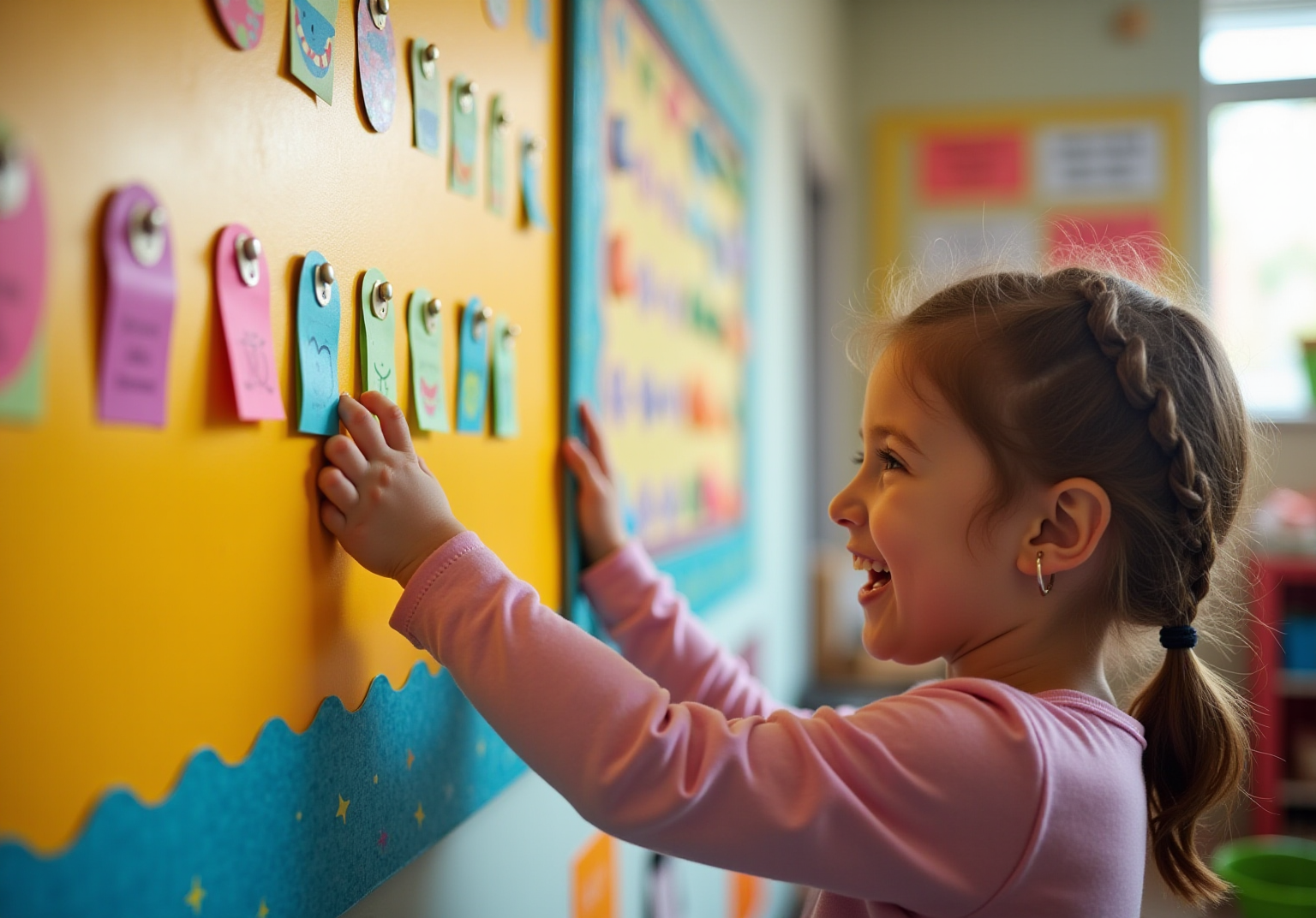
The use of token boards in Applied Behavior Analysis (ABA) therapy stands out as a vital tool for reinforcing positive behaviors in children. These boards visually represent rewards and progress, enhancing engagement and fostering essential skills like patience and self-regulation. Yet, implementing them effectively poses challenges.
How can caregivers and therapists ensure these systems remain motivating and tailored to individual needs? This guide delves into eight critical steps for mastering the token board approach, offering insights into design, goal-setting, and troubleshooting to maximize its impact on youth development.
Define the Token Board and Its Purpose in ABA Therapy
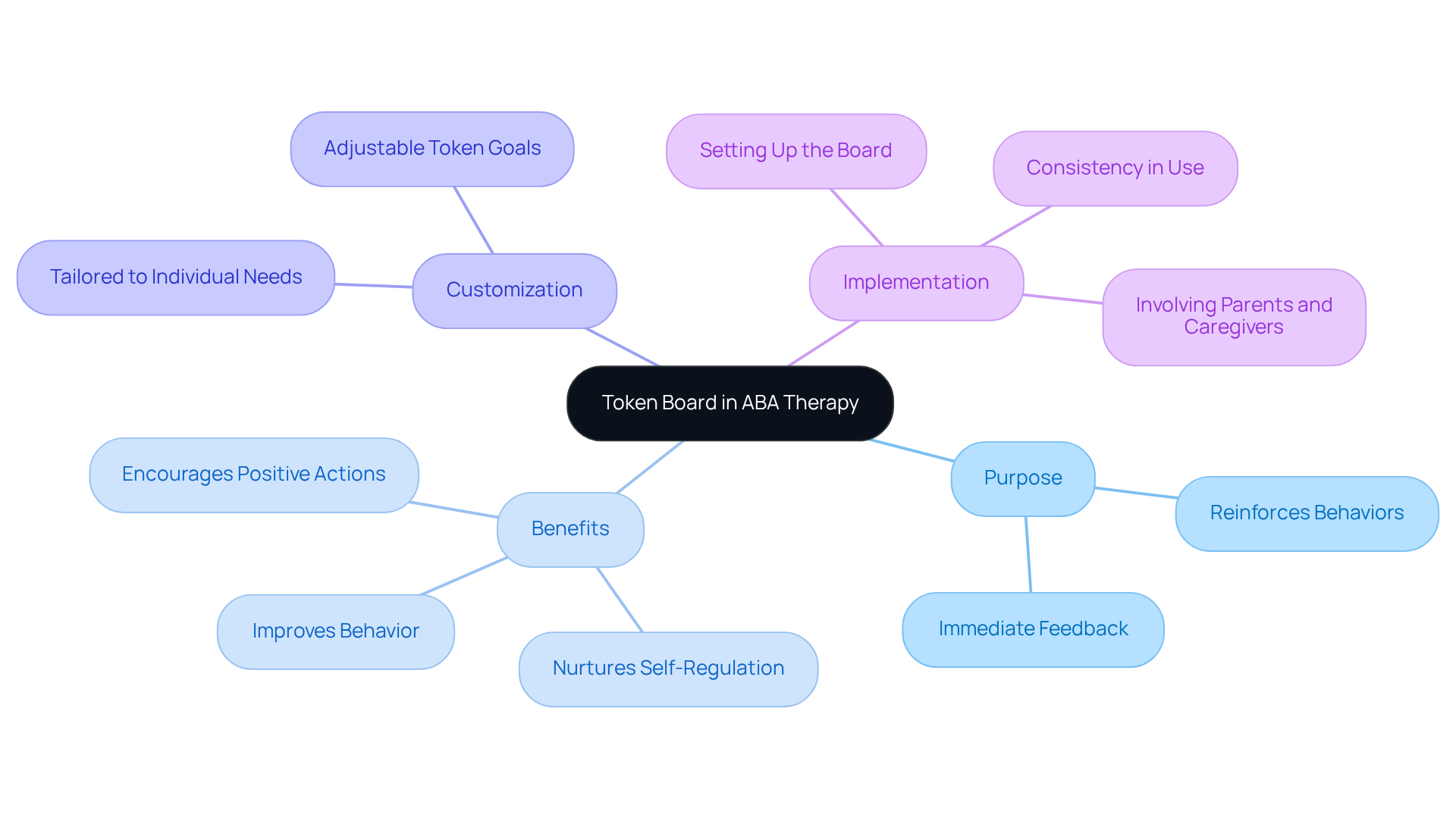
A is a crucial visual aid in , designed to reinforce preferred behaviors. Typically, it features a that displays , which children can earn by demonstrating positive actions. The primary goal of a reward chart is to provide immediate feedback and encouragement, helping kids grasp the connection between their behaviors and the rewards they can achieve. Research indicates that children utilizing show , particularly in developing effort and patience - key skills for their growth.
In , the functions as a , transforming abstract behavioral concepts into tangible objectives. These charts can be customized to meet individual needs, ensuring that the reinforcement is both meaningful and effective. For instance, children with autism often thrive in environments that offer consistency and clear expectations; which actions will earn rewards and when they can expect their incentives. This visual representation not only boosts engagement but also and the ability to delay gratification.
Behavior analysts emphasize that when implemented consistently, can lead to substantial improvements in behavior and educational outcomes. They encourage positive actions while reducing problematic behaviors, making them . As the demand for effective ABA strategies continues to rise, the importance of reward systems in reinforcement remains significant, particularly as more professionals recognize their value in supporting youth development.
Establish Clear Goals for Token Board Implementation
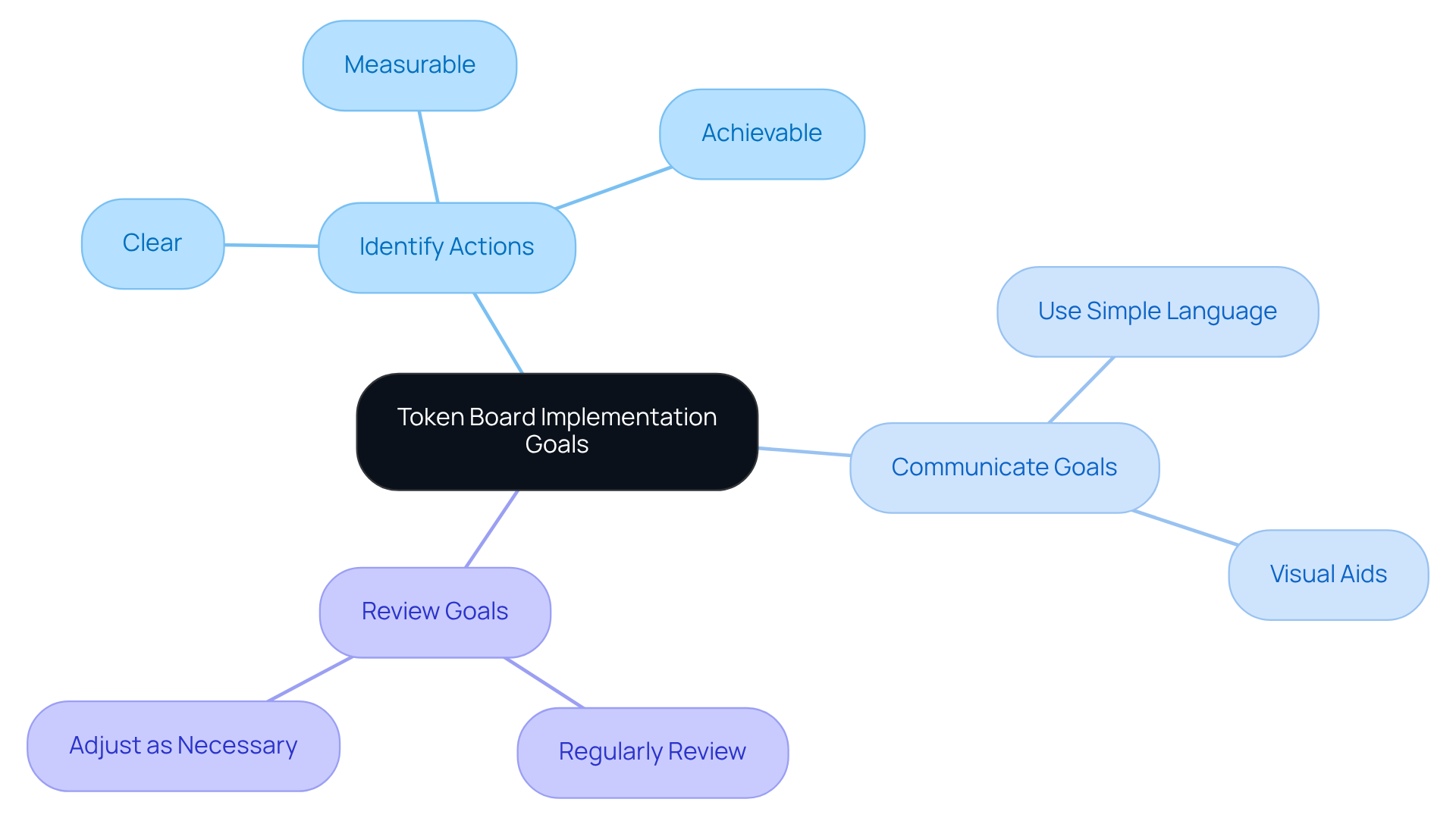
To effectively implement a token board, start by identifying . These actions should be . For example, if your goal is to enhance a young person's concentration during activities, consider setting a target for them to , such as 10 minutes.
Once you've established these , communicate these goals to the young individual using a in a clear and relatable manner. Use simple language and to help them understand what is expected. Regularly review these goals to ensure they remain relevant. Are they still achievable? Adjust them as necessary to reflect the individual's progress and .
Select Effective Rewards to Encourage Desired Behaviors
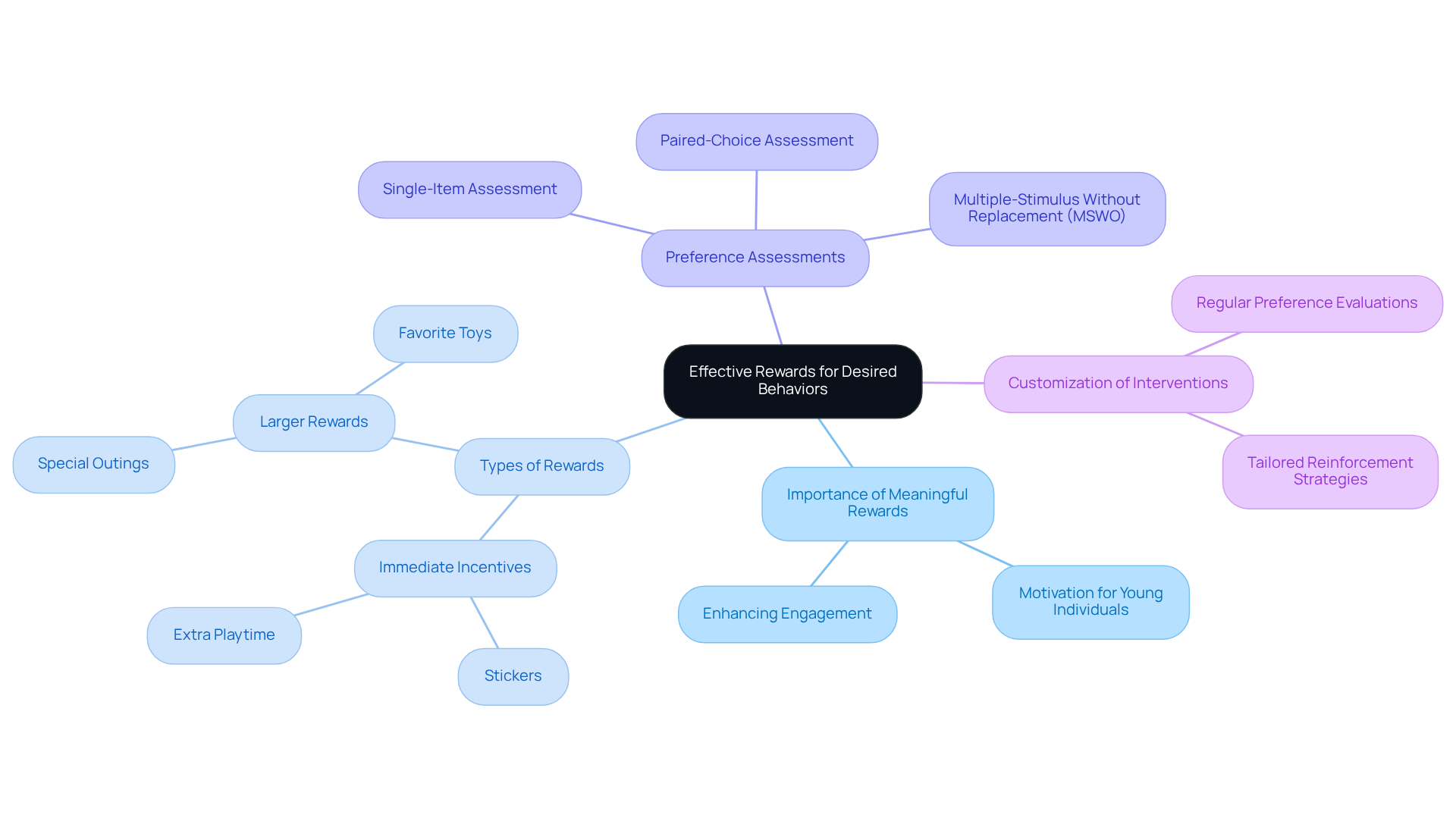
Selecting effective rewards is crucial for the success of a system in therapy. Why is this important? Because rewards must be to the young individual. play a vital role in this process, helping to identify items or activities that hold the most value for the individual. This ensures that the rewards resonate with their interests.
Rewards can vary widely. They may include:
- Immediate incentives like stickers or extra playtime
- Larger rewards that require accumulating more tokens, such as special outings or favorite toys
It's essential to maintain a and adjust them over time to sustain the young person's interest and motivation. Recent studies indicate that can significantly of these s. By doing so, therapists can to align with the changing preferences of the individual.
Consider this: an analyst might establish a where youngsters earn points for completing tasks. These points can then be exchanged for favored activities identified through preference evaluations. This method not only reinforces desired behaviors but also fosters engagement by linking rewards to the young person's interests using a . Ultimately, this approach leads to more .
Design the Token Board for Clarity and Engagement
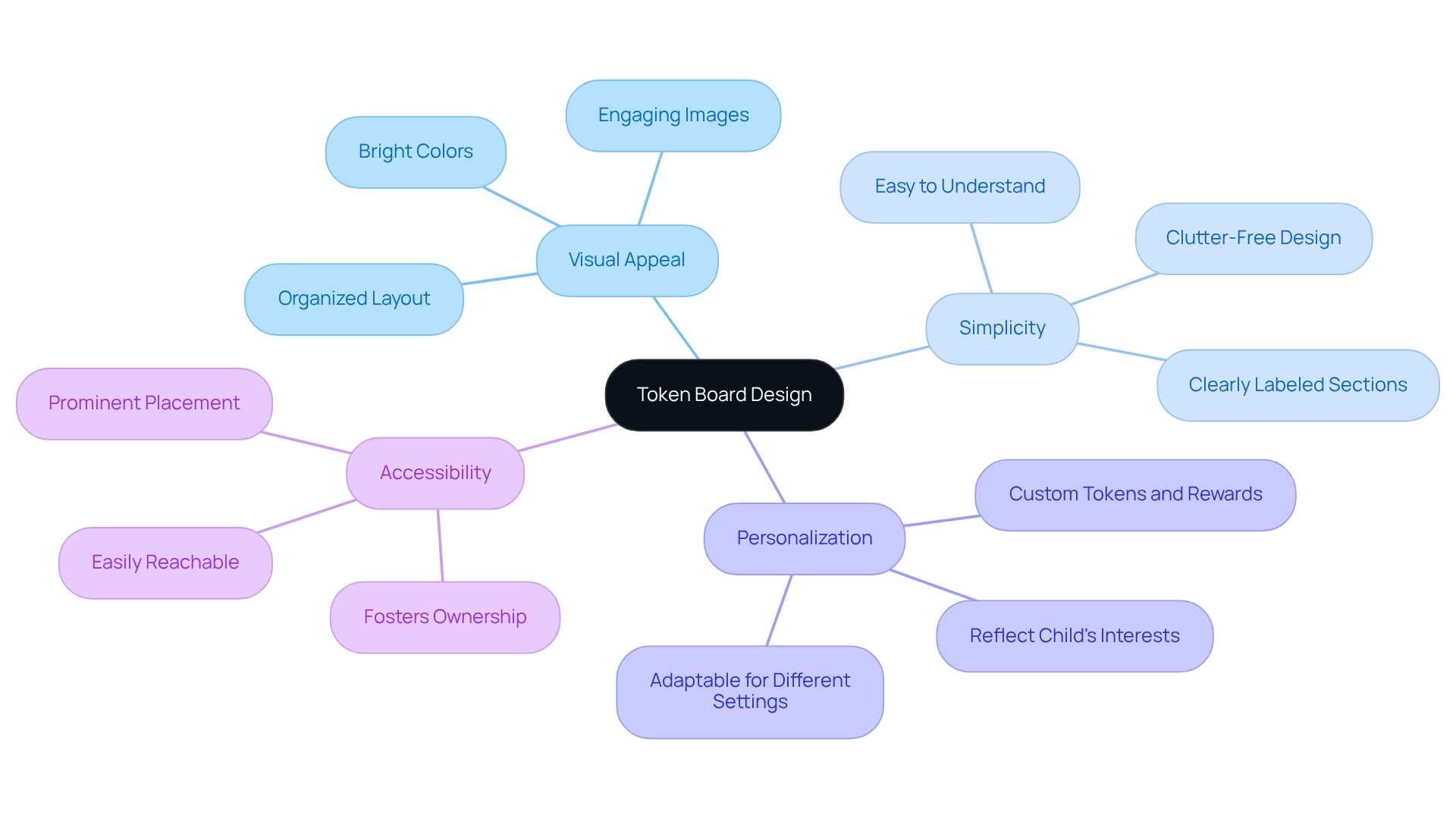
When designing a token board, several key elements must be prioritized to ensure clarity and engagement:
- Visual Appeal: Bright colors and engaging images are essential for capturing a child's attention. Research shows that , making the display more inviting and motivating. For instance, in youngsters with autism and ADHD.
- Simplicity: A straightforward layout is crucial. Clearly labeled sections for tokens earned and available rewards help prevent confusion. A clutter-free design is vital to avoid overwhelming the child, allowing them to focus on their progress. serves as a widely utilized visual reinforcement tool in , supporting and .
- Personalization: Adapting the platform to reflect the child's interests can greatly enhance participation. For example, incorporating dinosaur-themed tokens and rewards for a child who loves dinosaurs makes the experience more relatable and enjoyable. Token systems can be tailored for diverse settings, ages, and interests, ensuring effectiveness across various environments.
- Accessibility: Position the panel in a prominent and easily reachable location. This ensures that the child can independently track their progress, fostering a sense of ownership and responsibility in their learning journey.
In 2025, trends in visual design for interactive displays highlight the use of engaging components and digital formats, catering to the preferences of tech-savvy youth. BCBAs emphasize that , asserting that 'a well-organized not only encourages kids but also aids their comprehension of expectations and advancement.' By focusing on these components, a can effectively enhance s and skill advancement in ABA therapy.
Introduce the Token Board to the Child Effectively
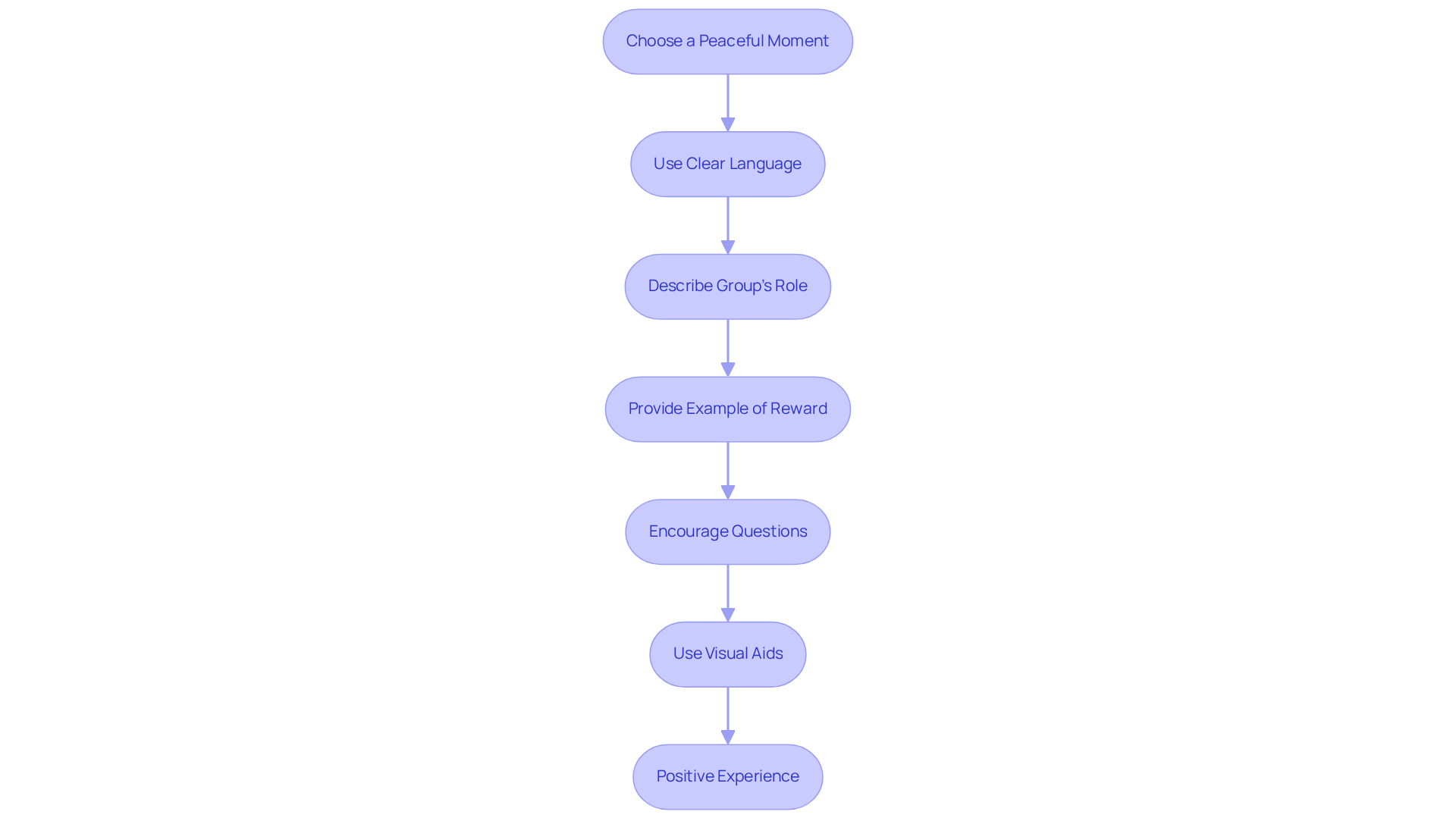
Present the item to the young one during a peaceful moment. Avoid times when they might feel irritated or unfocused. Use clear language to describe the group's role, emphasizing how earning points directly results in rewards. For instance, illustrate the process by providing the young one a , such as sitting quietly for one minute. This prompt reinforcement not only elucidates the system but also fosters excitement for utilizing the . Encourage questions and provide reassurance to cultivate a towards this new approach.
Studies show that youngsters who comprehend reinforcement systems are more inclined to interact effectively with them. Effective introductions frequently include visual aids, such as pre-loading the display with symbols, which can greatly improve understanding. For example, a young person might start with a that is pre-loaded with 4 tokens, making the initial experience . , such as a , enhance independence for students with ASD, reinforcing the importance of using such aids. By nurturing a setting of assistance and transparency, young individuals can more effectively understand the link between their efforts and the rewards they receive. This ultimately results in enhanced conduct and skill advancement. As analysts recommend, and reactions is essential for sustaining engagement and motivation.
Maintain Consistency and Positivity in Token Board Use
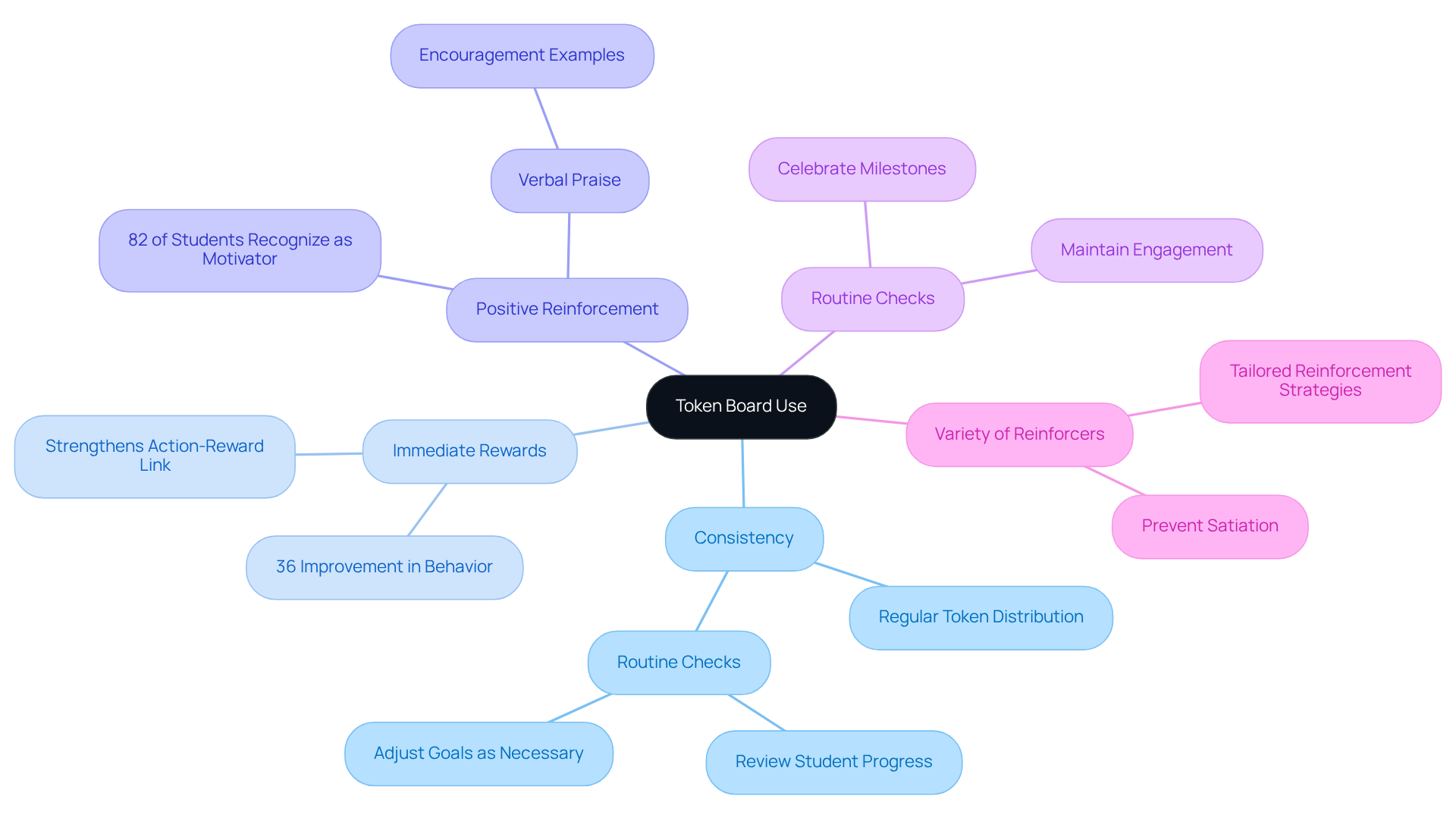
To maximize the effectiveness of the board, maintaining a consistent approach is essential. Consider this: studies show that can improve conduct change by as much as 36%. This statistic underscores the importance of , which involves providing tokens immediately after the desired behavior is exhibited. Prompt reinforcement enhances the link between the action and the reward, significantly increasing the likelihood of the action being repeated. Additionally, courteous behavior toward teachers and classmates increased by 27%, showcasing the broader impact of .
Pairing reward earning with verbal praise and encouragement is another . For instance, saying, "Great job staying focused! Here’s a token for your effort!" not only recognizes the young learner's achievement but also cultivates a . This approach aligns with findings that 82% of students recognize positive reinforcement as a key motivator. As B.F. Skinner noted, "This method involves , which makes that behavior more likely to be repeated in the future."
Routine checks are vital as well. Regularly reviewing the student's progress on the allows for and adjusting goals as necessary, keeping young individuals motivated and engaged. Consistent positive feedback creates a cycle of motivation, enhancing emotional resilience and self-esteem, which are crucial for sustained behavioral change. It is also important to , ensuring that young learners remain engaged and responsive. By tailoring reinforcement strategies to individual preferences, educators can significantly bolster desired behaviors in their classrooms.
Adapt the Token Board for Individual Needs and Abilities
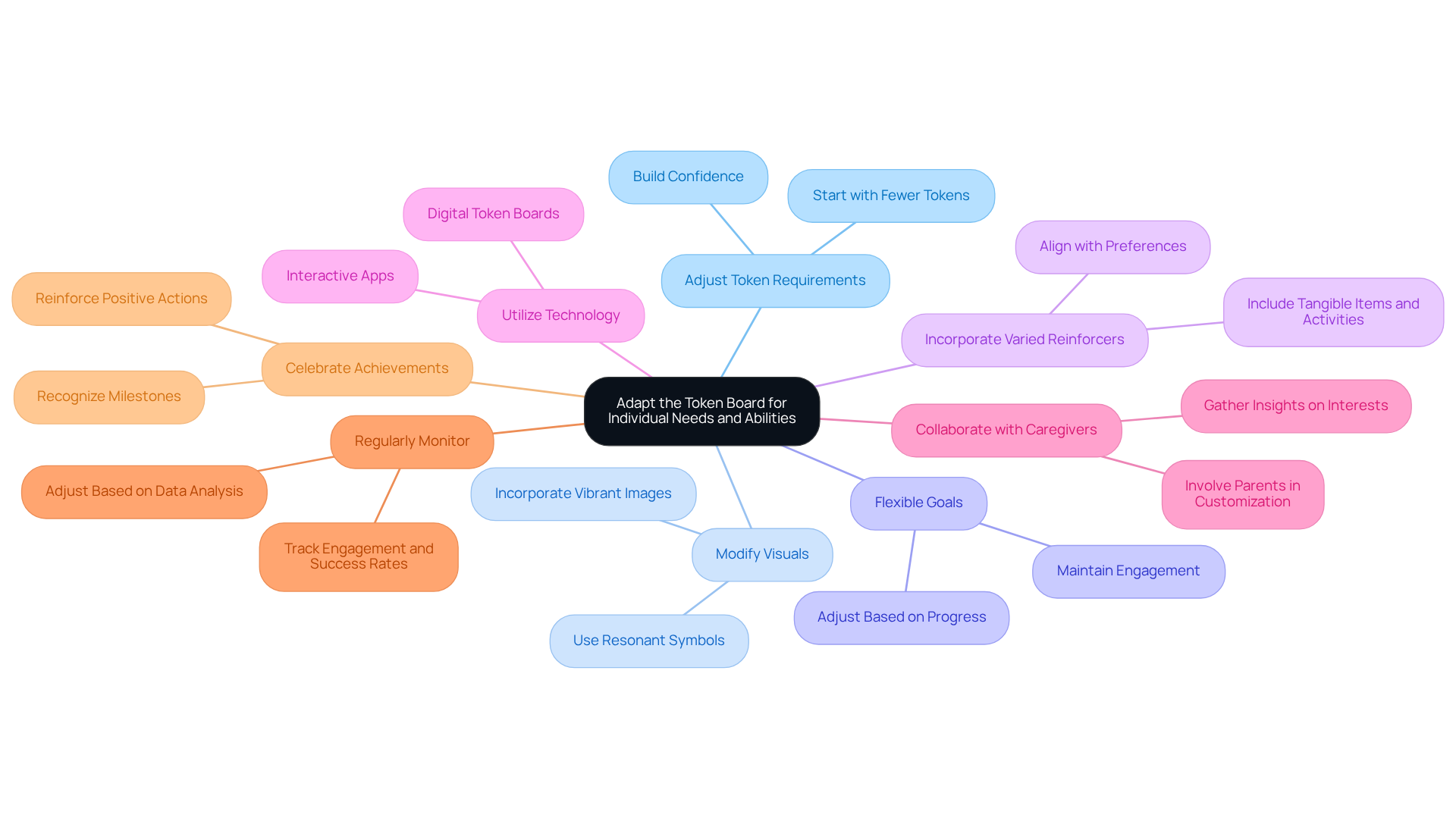
Every young person is distinct, and their reward board should reflect their individual needs and skills. Consider these essential adaptations:
- Adjust Token Requirements: For children who may struggle with earning tokens, start with fewer tokens needed for a reward to build confidence. As behavior analyst Dr. Jane Smith states, 'Starting with attainable goals helps youngsters feel successful and encourages them to engage more with the .'
- Modify Visuals: Use symbols or images that resonate with the young person's interests and developmental level. For instance, younger individuals may benefit from additional visual cues, such as vibrant images or recognizable characters.
- : Be prepared to adjust goals based on the individual's progress and changing needs. If a goal becomes too easy or too difficult, modify it to maintain engagement. Research indicates that kids who have objectives are more likely to succeed in .
- : Tailor the types of rewards offered to align with the individual's preferences. This could include tangible items, activities, or social praise, ensuring that the reinforcement is meaningful to the young one. According to a study, can enhance the by over 89%.
- Utilize technology by considering digital or apps that allow for interactive and customizable experiences. This can enhance engagement, especially for tech-savvy young people.
- Collaborate with Caregivers: Involve parents and caregivers in the customization process. Their insights can provide valuable information about the young one's interests and effective motivators.
- Regularly monitor and adjust the effectiveness of the . Gather information on the student's engagement and success rates to guide essential adjustments. Utilizing can help refine treatment approaches and enhance therapy outcomes.
- Celebrate Achievements: Recognize and celebrate milestones, no matter how small. This reinforces positive actions and encourages continued effort.
By applying these strategies, can develop adaptable reward systems that address diverse abilities, ultimately improving the success rates of youngsters in .
Troubleshoot Common Challenges in Token Board Implementation
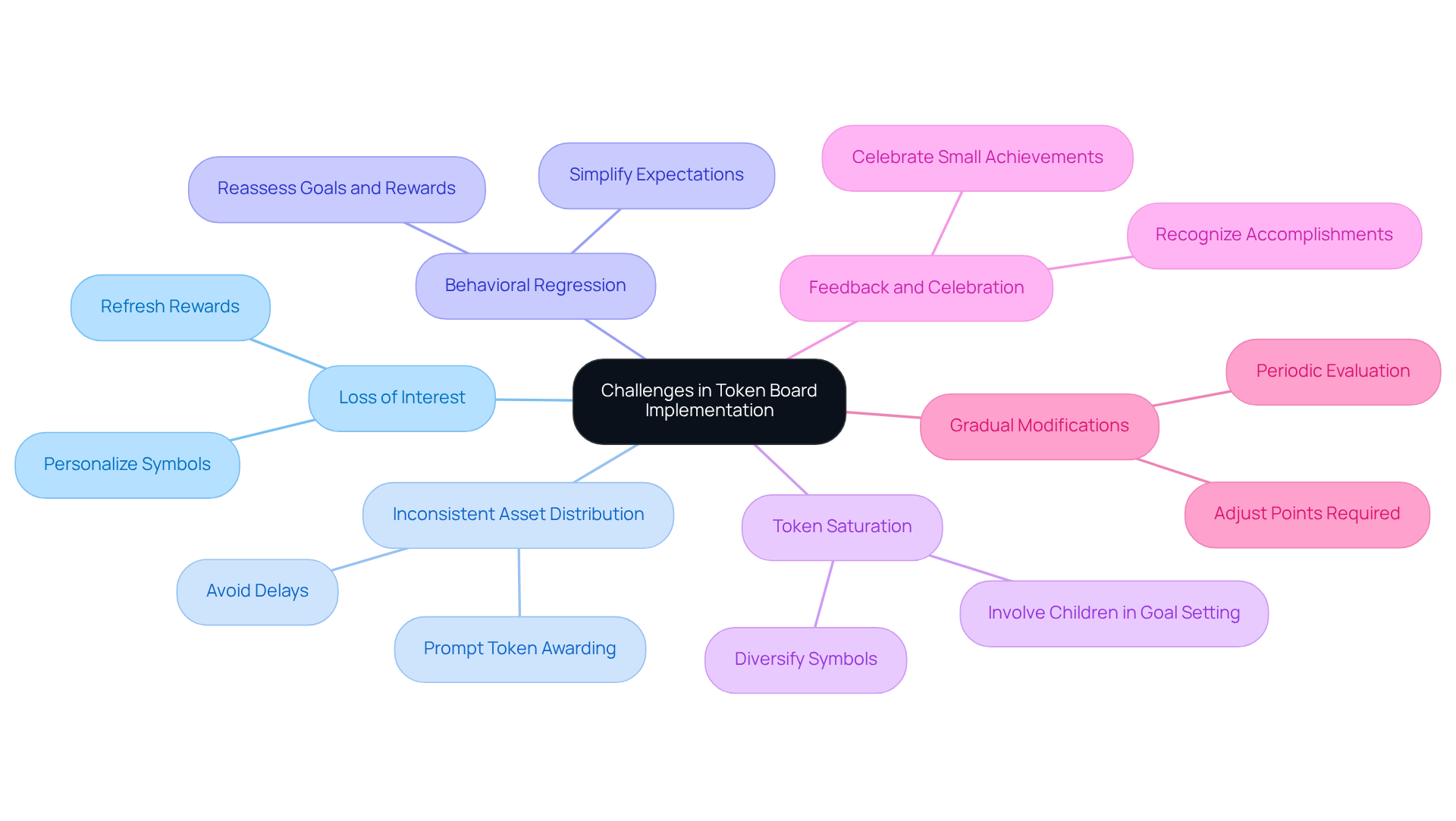
Implementing a reward system can present several challenges, but understanding these issues and their solutions can lead to positive outcomes. Here are some common challenges along with effective strategies to tackle them:
- : If a child shows reduced enthusiasm for the token board, refreshing the rewards or redesigning the board can reignite engagement. Personalizing symbols based on the child's interests can significantly enhance motivation and adherence. As Erin, a contributor at You Aut-a Know, emphasizes, "Making sure that your learner is earning a strong reinforcer (based on their own preference) will help increase their motivation to engage in the desired responses to earn it!"
- : Consistency is crucial in digital economies. Tokens should be awarded promptly after the desired action to strengthen the connection between the behavior and the reward. Delays in the distribution can lead to confusion and disengagement.
- : If challenging behaviors resurface, it may be necessary to reassess the goals and rewards. Simplifying expectations or increasing the frequency of reinforcement can help re-engage the child. Research indicates that is essential for sustaining motivation.
- Token Saturation: Over time, children may lose interest in rewards if they no longer seem valuable. To combat this, consider diversifying the types of symbols used on the and ensuring that the rewards remain appealing. Involving children in discussions about their goals can also foster a sense of ownership in the process. Research shows that is vital for sustaining student motivation, as an excess can lead to diminished interest. Providing clear visual supports, like a , that illustrate how many units are needed for specific rewards can help young learners understand the system more effectively. This clarity can prevent frustration and enhance their ability to track progress. Visual tracking of progress is crucial for maintaining motivation.
- Feedback and Celebration: can make the process more engaging. When a child earns a reward on a , recognizing this accomplishment can and encourage ongoing participation.
- Gradual Modifications: If a child struggles with the current point system, consider adjusting the number of points required for rewards. For example, using a , transitioning from a five-token system to a three-token system can help maintain motivation without overwhelming the child. Regular review of the through periodic evaluation of its effectiveness and making necessary adjustments based on the child's responses can ensure that the system remains engaging and effective. This iterative approach allows for continuous improvement in the .
Conclusion
Implementing a token board in Applied Behavior Analysis (ABA) therapy is not just a strategy; it’s a powerful tool for reinforcing positive behaviors and fostering growth among young individuals. Have you considered how a visual aid can transform your therapeutic environment? By effectively utilizing a token board, therapists can create an engaging and structured setting that encourages children to connect their actions with meaningful rewards, ultimately enhancing their learning experience.
To successfully implement a token board, it’s essential to:
- Define clear goals
- Select appropriate rewards
- Design visually appealing boards
- Maintain consistency in usage
Each of these components is crucial in ensuring that the token board remains an effective tool for behavior modification, promoting self-regulation, and encouraging positive interactions across various settings.
In summary, mastering token board implementation can significantly enhance the effectiveness of ABA therapy. By adapting strategies to meet individual needs, regularly reviewing progress, and celebrating achievements, caregivers and therapists can cultivate a supportive atmosphere that nurtures personal growth. The insights shared in this guide serve as a valuable resource for anyone looking to elevate their approach to behavior management and support the development of young learners. Are you ready to embrace these practices and empower children to thrive in their behavioral journeys?
Frequently Asked Questions
What is a token board in ABA therapy?
A token board in ABA therapy is a visual aid designed to reinforce preferred behaviors by displaying tokens that symbolize points or rewards. Children can earn these tokens by demonstrating positive actions.
What is the primary purpose of a token board?
The primary purpose of a token board is to provide immediate feedback and encouragement to children, helping them understand the connection between their behaviors and the rewards they can achieve.
How does a token board benefit children in ABA therapy?
Research indicates that children using token boards show significant improvements in behavior, particularly in developing effort and patience, which are key skills for their growth.
Can token boards be customized?
Yes, token boards can be customized to meet individual needs, ensuring that the reinforcement is meaningful and effective for each child.
Why are visual aids important for children with autism?
Visual aids are important for children with autism because they help create consistency and clear expectations, enabling these children to understand which actions will earn rewards and when they can expect their incentives.
What outcomes can be expected from consistent implementation of token boards?
When implemented consistently, token boards can lead to substantial improvements in behavior and educational outcomes, encouraging positive actions while reducing problematic behaviors.
How should specific goals be established for using a token board?
Specific goals should be clear, measurable, and achievable. For example, if the goal is to enhance concentration, a target could be set for the child to remain focused for a specific duration, such as 10 minutes.
How can goals for a token board be communicated to children?
Goals should be communicated using clear and relatable language, along with visual aids, to help children understand what is expected of them.
Should goals for the token board be reviewed regularly?
Yes, it is important to regularly review the goals to ensure they remain relevant and achievable, adjusting them as necessary to reflect the individual's progress and changing needs.
List of Sources
- Define the Token Board and Its Purpose in ABA Therapy
- Token Board System: A Tool for Rewarding Positive Behaviors (https://mindfulsproutsaba.com/blog/token-board-a-tool-for-rewarding-positive-behaviors)
- How Token Boards Motivate Children in ABA Therapy | Childwise (https://childwiseaba.com/how-token-boards-motivate-children-in-aba-therapy)
- pmc.ncbi.nlm.nih.gov (https://pmc.ncbi.nlm.nih.gov/articles/PMC12561863)
- An assessment of token value and effectiveness: A replication (https://onlinelibrary.wiley.com/doi/10.1002/jaba.1011)
- Establish Clear Goals for Token Board Implementation
- The Numbers Don't Lie: Revealing Autism Therapy Statistics | Above and Beyond Therapy (https://abtaba.com/blog/autism-therapy-statistics)
- How ABA Therapy Encourages Goal Setting in Children with Autism - RightWay ABA (https://rightwayaba.com/how-aba-therapy-encourages-goal-setting-in-children-with-autism)
- (PDF) Effectiveness of the ABA Method and Individual Education Programs for the Treatment of Autistic Children: A Case Study (https://researchgate.net/publication/360416951_Effectiveness_of_the_ABA_Method_and_Individual_Education_Programs_for_the_Treatment_of_Autistic_Children_A_Case_Study)
- 81 ABA Therapy Statistics You Need to Know - apricott ABA (https://apricott.com/resources/aba-therapy-statistics)
- Autism Therapy: Key Statistics (https://ambitionsaba.com/resources/autism-therapy-statistics)
- Select Effective Rewards to Encourage Desired Behaviors
- A Comprehensive Guide to Preference Assessments in ABA - ABA Study Guide (https://abastudyguide.com/a-comprehensive-guide-to-preference-assessments-in-aba)
- ABA Therapy Impact (https://goldenstepsaba.com/resources/aba-therapy-impact)
- Autism Preference Assessments (https://supportivecareaba.com/statistics/autism-preference-assessments)
- The benefits of using preference assessments in therapy (https://mastermindbehavior.com/post/the-benefits-of-using-preference-assessments-in-therapy)
- The Numbers Don't Lie: Revealing Autism Therapy Statistics | Above and Beyond Therapy (https://abtaba.com/blog/autism-therapy-statistics)
- Design the Token Board for Clarity and Engagement
- (PDF) THE IMPACT OF VISUAL CONTENT ON CONSUMER ENGAGEMENT AND BUYING BEHAVIOR IN HERAT PROVINCE: A SOCIAL MEDIA PERSPECTIVE (https://researchgate.net/publication/383871043_THE_IMPACT_OF_VISUAL_CONTENT_ON_CONSUMER_ENGAGEMENT_AND_BUYING_BEHAVIOR_IN_HERAT_PROVINCE_A_SOCIAL_MEDIA_PERSPECTIVE)
- How Token Boards Motivate Children in ABA Therapy | Childwise (https://childwiseaba.com/how-token-boards-motivate-children-in-aba-therapy)
- ambitionsaba.com (https://ambitionsaba.com/resources/using-token-boards-to-support-behavior)
- How to Implement Token Economies in ABA Therapy | Intellistars - ABA Therapy (https://intellistarsaba.com/blog/how-to-implement-token-economies-in-aba-therapy)
- How to use token boards effectively in ABA therapy (https://crossrivertherapy.com/articles/how-to-use-token-boards-effectively-in-aba-therapy)
- Introduce the Token Board to the Child Effectively
- Token Board | Texas SPED Support (https://spedsupport.tea.texas.gov/resource-library/autism-toolkit/token-board)
- Token Board System: A Tool for Rewarding Positive Behaviors (https://mindfulsproutsaba.com/blog/token-board-a-tool-for-rewarding-positive-behaviors)
- Using Token Boards and Reward Systems at Home: ABA Tools for Motivation - ABA Journey (https://abajourney.com/using-token-boards-and-reward-systems-at-home-aba-tools-for-motivation)
- pmc.ncbi.nlm.nih.gov (https://pmc.ncbi.nlm.nih.gov/articles/PMC10700257)
- How to Use a Token Board to Motivate Kids | STAR Autism Support (https://starautismsupport.com/how-use-token-board-motivate-kids)
- Maintain Consistency and Positivity in Token Board Use
- The impact of positive reinforcement on long-term behavior change (https://mastermindbehavior.com/post/the-impact-of-positive-reinforcement-on-long-term-behavior-change)
- Behavior Modification - StatPearls - NCBI Bookshelf (https://ncbi.nlm.nih.gov/books/NBK459285)
- The role of reinforcement in behavioral learning (https://leorabh.com/blog/the-role-of-reinforcement-in-behavioral-learning)
- The Importance of Positive Reinforcement in Behavior Intervention | Intellistars - ABA Therapy (https://intellistarsaba.com/blog/the-importance-of-positive-reinforcement-in-behavior-intervention)
- The Power of Reinforcement Strategies: Evaluating its Impact on Behavioral Change in a Bhutanese Classroom
| Asian Journal of Education and Social Studies (https://journalajess.com/index.php/AJESS/article/view/2011)
- Adapt the Token Board for Individual Needs and Abilities
- Autism Therapy: Key Statistics (https://ambitionsaba.com/resources/autism-therapy-statistics)
- The Numbers Don't Lie: Revealing Autism Therapy Statistics | Above and Beyond Therapy (https://abtaba.com/blog/autism-therapy-statistics)
- Applied Behavior Analysis (ABA) Statistics: Data, Effectiveness, and Evidence-Based Practices (https://nexoaba.com/applied-behavior-analysis-statistics)
- supportivecareaba.com (https://supportivecareaba.com/statistics/the-impact-of-aba-therapy-on-academic-success-for-children-with-autism)
- Autism Therapy Statistics | Discovery ABA (https://discoveryaba.com/aba-therapy/autism-therapy-statistics)
- Troubleshoot Common Challenges in Token Board Implementation
- pmc.ncbi.nlm.nih.gov (https://pmc.ncbi.nlm.nih.gov/articles/PMC10700257)
- Token Economy Mistakes » Autism Adventures (https://autismadventures.com/token-economy-mistakes)
- A systematic evaluation of token economies as a classroom management tool for students with challenging behavior (https://sciencedirect.com/science/article/abs/pii/S0022440511000495)
- blog.difflearn.com (https://blog.difflearn.com/2019/01/10/common-errors-with-token-systems)
- Understanding the Role of Token Economies in ABA Therapy | Advanced Autism Services (https://advancedautism.com/post/understanding-the-role-of-token-economies-in-aba-therapy)