


Thank you! Your submission has been received!
Oops! Something went wrong while submitting the form.
December 3, 2025
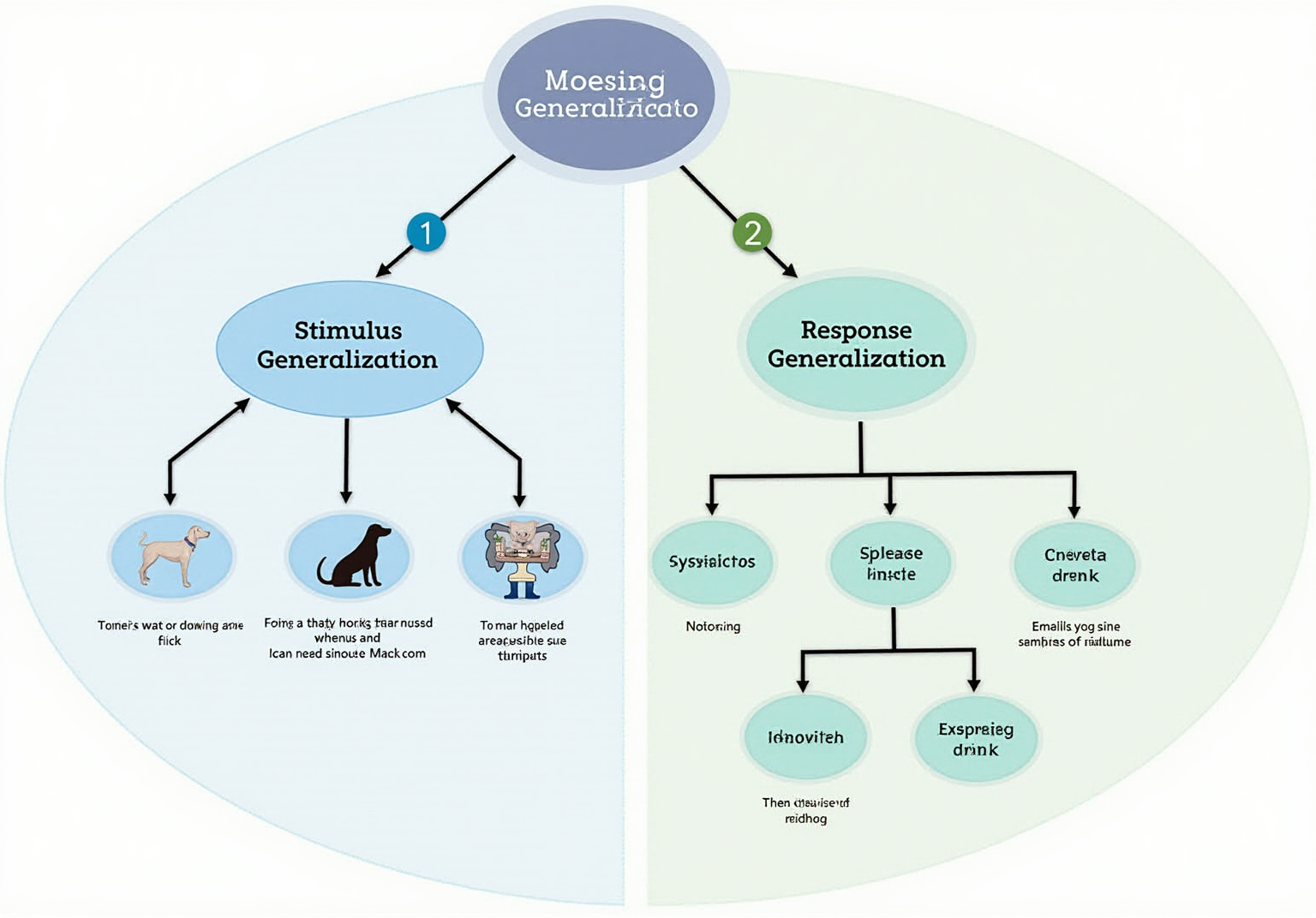
Understanding the nuances of behavioral learning can significantly impact how organizations approach employee training and development. The concepts of stimulus generalization and response generalization offer valuable insights into how learned behaviors can be applied in various contexts, ultimately enhancing workplace adaptability.
But how can employers effectively leverage these principles to improve hiring practices? Ensuring that candidates possess the necessary skills to thrive in diverse environments is crucial. Exploring this question reveals critical strategies for fostering a workforce that is not only skilled but also versatile.
Consider the demand for Board Certified Behavior Analysts (BCBAs) in today’s job market. Organizations are increasingly seeking professionals who can adapt learned behaviors to meet various challenges. By understanding behavioral learning, employers can refine their recruitment processes, ensuring they select candidates who are not just qualified but also adaptable.
This approach not only enhances the quality of hires but also contributes to a more dynamic workplace. Are you ready to transform your hiring practices? Embrace the principles of behavioral learning to build a workforce that excels in any environment.
Stimulus transfer occurs when a learned reaction is triggered by stimuli that resemble the initial stimulus. For instance, if a young person learns to say 'dog' when encountering a specific breed, they may also say 'dog' when seeing other breeds. This phenomenon highlights the adaptability of .
In contrast, the concept of refers to the occurrence of new behaviors that serve the same function as previously taught behaviors. For example, if a young one learns to request a drink by saying 'water, please,' they might later ask by saying 'can I have water?' This illustrates how learners can apply their skills in different ways, .
Understanding the difference between is essential in ensuring that abilities learned in therapy are . Studies show that and increased independence. This underscores the significance of promoting both forms of skill application in therapeutic environments.
Are you considering how these principles can be integrated into your practice? Understanding and applying these concepts can lead to more effective therapeutic outcomes, ultimately benefiting the individuals you support.
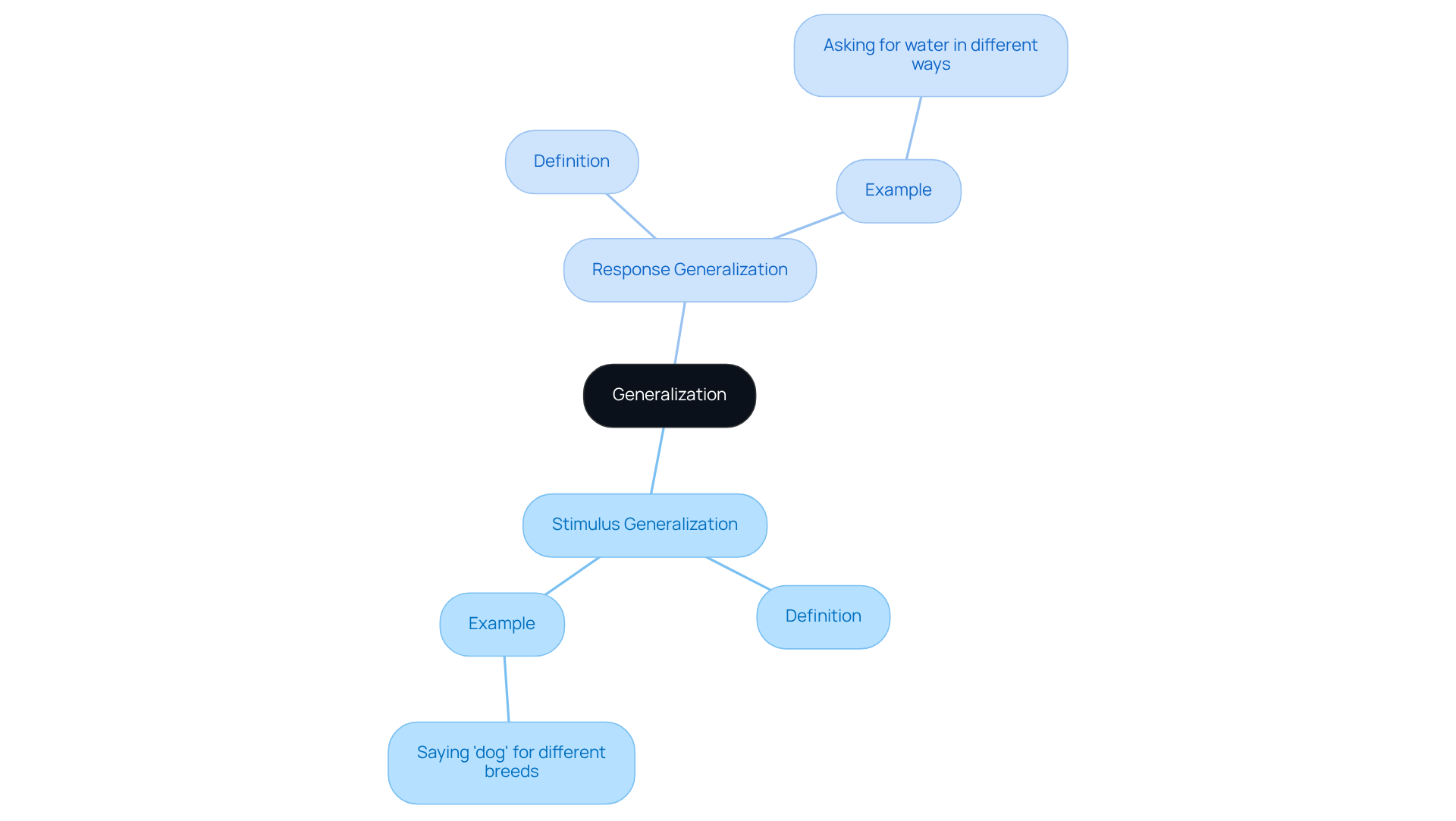
Understanding the distinction between is essential for employers seeking to assess the (BCBAs). Did you know that the demand for BCBAs has surged in recent years? This makes it crucial to grasp across various situations.
that provoke a reaction. For example, a young child may respond to various animals by saying 'dog' if they have learned this reaction from a specific dog. This highlights the importance of recognizing the triggers that lead to specific responses generalization vs stimulus generalization.
On the other hand, the concept of focuses on the range of actions that can stem from a single stimulus. In response to a request for a drink, the same child might use different phrases, showcasing flexibility in their learned behavior. This adaptability is vital for BCBAs, as it reflects their ability to modify their approach based on the context, particularly in .
Employers must consider these distinctions when evaluating potential hires. Are you facing who can demonstrate such adaptability? can help you navigate these complexities and connect you with qualified BCBAs who possess the skills necessary for success.
In conclusion, not only enhances your hiring process but also ensures that you select candidates who can thrive in diverse environments. Trust [Hire ABA](https://hireaba.today) to provide you with the expertise you need to make informed hiring decisions.

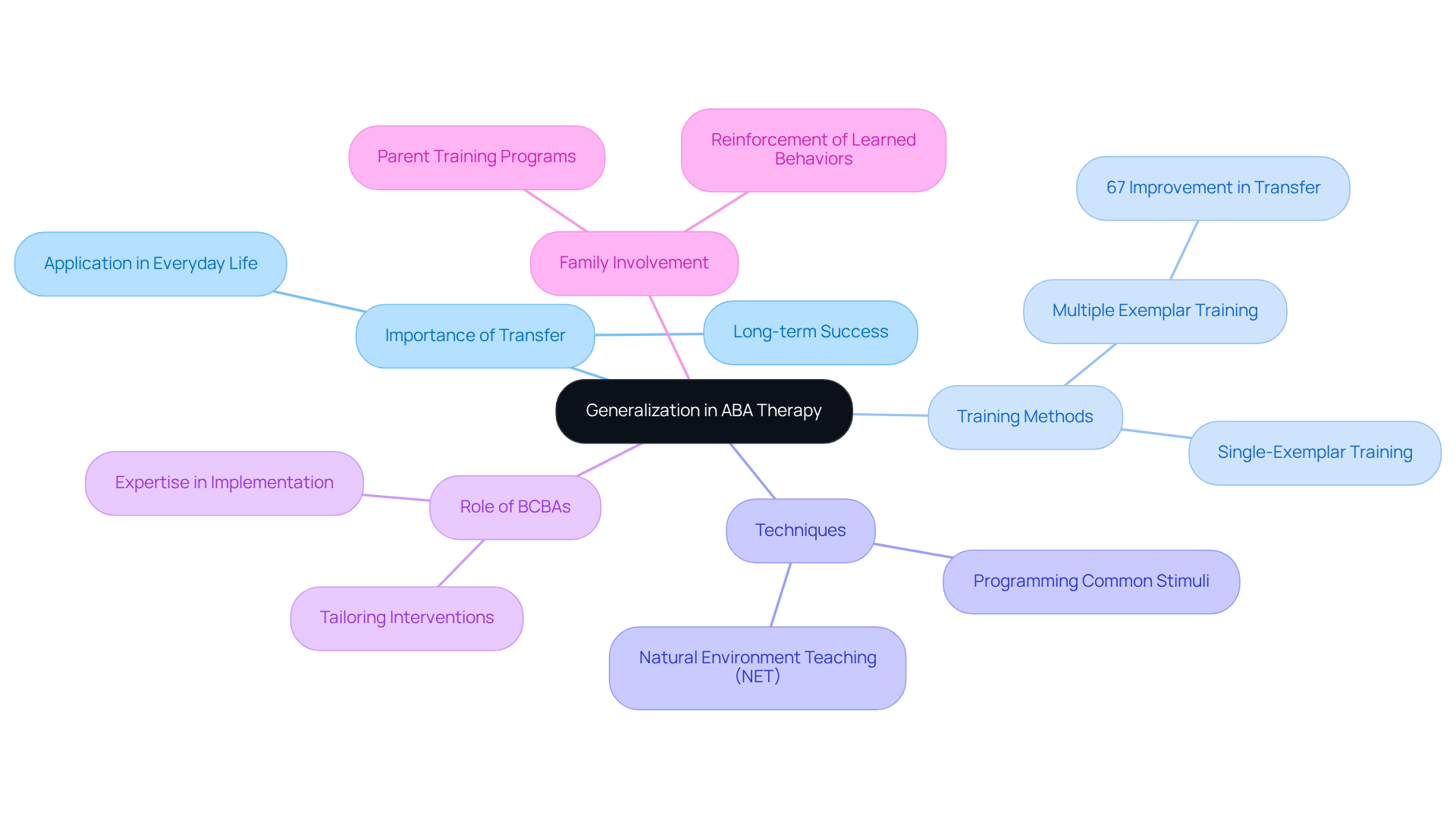
In therapy, transfer is essential for ensuring that are effectively applied in everyday life. Did you know that children who undergo multiple exemplar training show a 67% improvement in transferring their learning compared to those who receive single-exemplar training? This statistic highlights the in promoting skill application.
For instance, a young person who learns to greet classmates during therapy should be able to use this ability in a school setting. Techniques like (NET) and Programming Common Stimuli play a pivotal role in facilitating this transfer. NET involves embedding instruction within the young person's daily routines, allowing skills to be practiced in natural contexts, which significantly enhances transfer outcomes.
Employers should prioritize hiring who excel at implementing strategies that encourage broader application of learned skills. Tailoring interventions to meet individual needs ensures that therapy is effective not just in clinical settings but also translates to success in home, school, and community environments. Have you considered how the right BCBA can make a difference in your organization?
Active family involvement further supports this process. When parents are trained in ABA techniques, they can , leading to . Overall, the ability to promote broad application is crucial for the , making it a key consideration for employers in the ABA field.
In conclusion, investing in skilled BCBAs is not just beneficial; it’s essential for fostering an environment where clients can thrive. Consider partnering with Hire ABA to find the right talent that meets your needs.
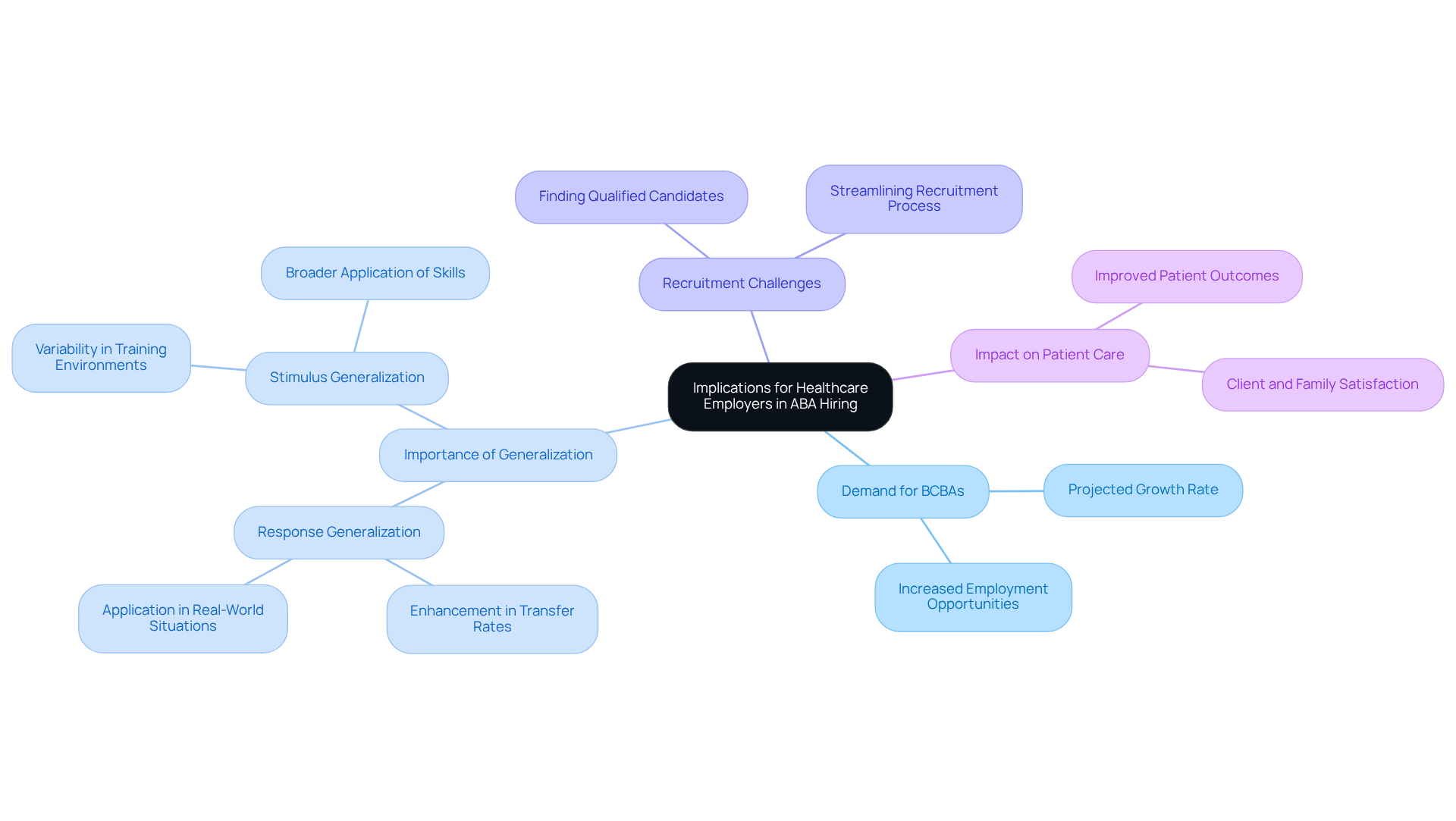
For healthcare employers, the demand for is on the rise. Did you know that children who start therapy before age five show a compared to those who begin later? This statistic highlights the critical need for who can effectively promote in real-world situations.
It is essential to understand the importance of when selecting BCBAs. Those who excel in this area can significantly , ensuring that therapeutic skills are utilized effectively. Employers should prioritize candidates who not only grasp these concepts but can also implement them in practice. By focusing on generalization, healthcare organizations can achieve better and heightened satisfaction among clients and their families.
Are you facing challenges in finding the right BCBAs for your organization? Consider how can streamline your . By partnering with a reliable platform, you can connect with qualified candidates who are ready to make a difference in patient care.
In conclusion, prioritizing the right candidates is crucial for enhancing the overall quality of care provided. Don't miss the opportunity to improve your hiring process and ultimately, patient outcomes. Choose Hire ABA for your recruitment needs.
In today’s healthcare landscape, the demand for Board Certified Behavior Analysts (BCBAs) is skyrocketing. Understanding the nuances of response generalization and stimulus generalization is crucial for employers in this sector. These concepts not only influence how individuals apply learned skills across various contexts but also determine the effectiveness of therapeutic interventions. By recognizing the distinct roles these types of generalization play, employers can refine their hiring strategies, ensuring they select candidates who can foster adaptability and skill transfer in their clients.
Throughout this article, we’ve explored key insights, including the definitions of response and stimulus generalization, their implications in Applied Behavior Analysis (ABA), and their importance in the hiring process. Effective BCBAs facilitate the transfer of skills learned in therapy to real-world situations, ultimately improving patient outcomes and satisfaction. Moreover, varied teaching methods and family involvement play significant roles in reinforcing these learned behaviors.
So, are you prioritizing candidates who truly understand generalization? Doing so can lead to improved therapeutic practices and better care for your clients. Consider how integrating these principles into your hiring processes can elevate the quality of care within your organization. By partnering with platforms like Hire ABA, you can streamline your recruitment efforts and connect with qualified professionals ready to make a meaningful impact in the lives of those they serve. Don’t miss out on the opportunity to enhance your team-take action today!
What is stimulus generalization?
Stimulus generalization occurs when a learned reaction is triggered by stimuli that resemble the initial stimulus. For example, if a child learns to say 'dog' when encountering a specific breed, they may also say 'dog' when seeing other breeds.
What is response generalization?
Response generalization refers to the occurrence of new behaviors that serve the same function as previously taught behaviors. For instance, if a child learns to request a drink by saying 'water, please,' they might later ask by saying 'can I have water?'
Why is it important to understand the difference between stimulus generalization and response generalization?
Understanding the difference is essential to ensure that skills learned in therapy are applicable across various situations. It helps promote adaptability in learned behaviors, enhancing communication and social interactions.
How do these concepts impact children with autism?
Studies show that children with autism who can apply skills through both stimulus and response generalization experience enhanced social interactions and increased independence, highlighting the importance of these skills in therapeutic environments.
How can these principles be integrated into therapeutic practices?
Understanding and applying stimulus and response generalization can lead to more effective therapeutic outcomes, ultimately benefiting the individuals being supported.
Our expert recruitment strategies and AI-driven sourcing ensure that you receive top-notch candidates quickly, without compromising on quality. Whether you’re looking for BCBAs, Clinical Directors, or RBTs, we’ve got you covered.


