


Thank you! Your submission has been received!
Oops! Something went wrong while submitting the form.
November 20, 2025

The landscape for Board Certified Behavior Analysts (BCBAs) is witnessing an unprecedented surge in demand, with the need for their expertise in behavioral health skyrocketing. Did you know that the average salary for BCBAs hovers around $89,075? This figure underscores the lucrative potential of this profession, which is influenced by factors such as education, experience, and geographic location.
As the job market for BCBAs expands, employers and aspiring professionals alike face pressing questions:
With the right insights and strategies, you can position yourself or your organization for success. Consider how Hire ABA can streamline your recruitment process and help you attract top talent in this competitive landscape. Are you ready to take the next step in addressing your hiring challenges? Let's explore how we can assist you in achieving your goals.
As of 2025, the demand for Board Certified Behavior Analysts (BCBAs) is projected to grow by an impressive 25% by 2026. This surge reflects a robust job market for these professionals, driven by a rising acknowledgment of the effectiveness of Applied Behavior Analysis (ABA) therapy.
Currently, the [average BCBA salary in the United States](https://doublecareaba.com/post/average-bcba-salaries) is approximately $89,075 annually, which translates to about $42.82 per hour. The average BCBA salary can vary significantly, with figures ranging from $47,500 to over $149,000, influenced by factors such as experience, location, and work setting.
With such a promising outlook, have you considered how Hire ABA can help you of these qualified candidates? By leveraging our platform, you can tap into a growing pool of talent, ensuring that you find the right fit for your organization.
The increasing demand for BCBAs not only opens up more job opportunities but also suggests the potential for greater compensation for those who are qualified. Don’t miss out on the chance to enhance your team with skilled professionals who can make a difference.
Take action today and explore how Hire ABA can streamline your hiring process, connecting you with top-tier candidates in the field.

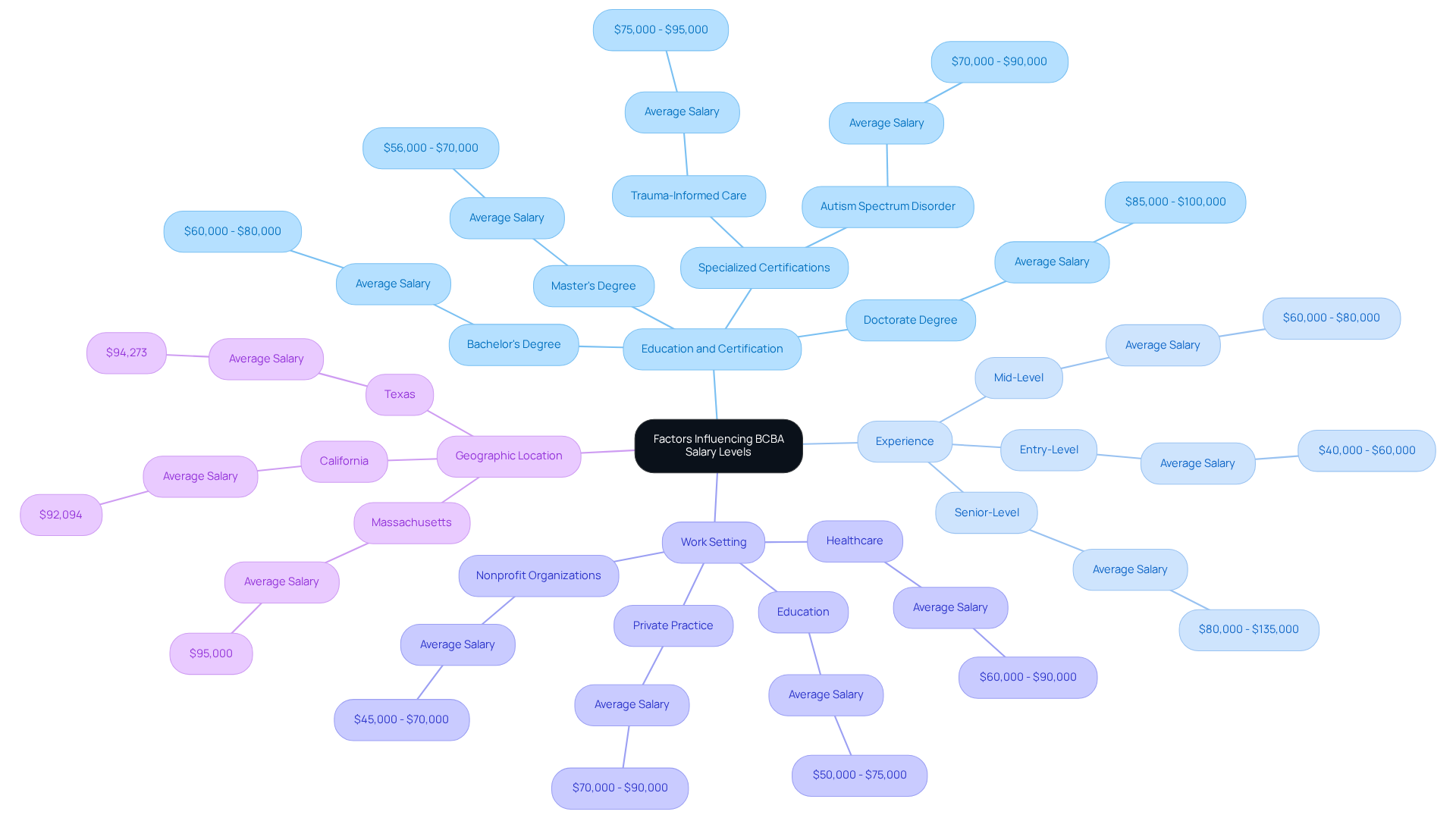
The demand for Board Certified Behavior Analysts (BCBAs) is on the rise, reflecting a growing recognition of their vital role in behavioral health. Understanding the factors that influence the is crucial for both BCBAs and employers looking to attract top talent.
Understanding compensation variation is vital, particularly in relation to the average BCBA salary based on geographic location. BCBAs in metropolitan areas or states with higher living costs, such as Massachusetts, where typical incomes can reach $95,000, generally earn more than their counterparts in rural areas. Recognizing these regional differences is essential for BCBAs when evaluating job offers and negotiating salaries.
Are you facing challenges in hiring qualified BCBAs? Consider how Hire ABA can streamline your recruitment process and connect you with top-tier professionals in the field.
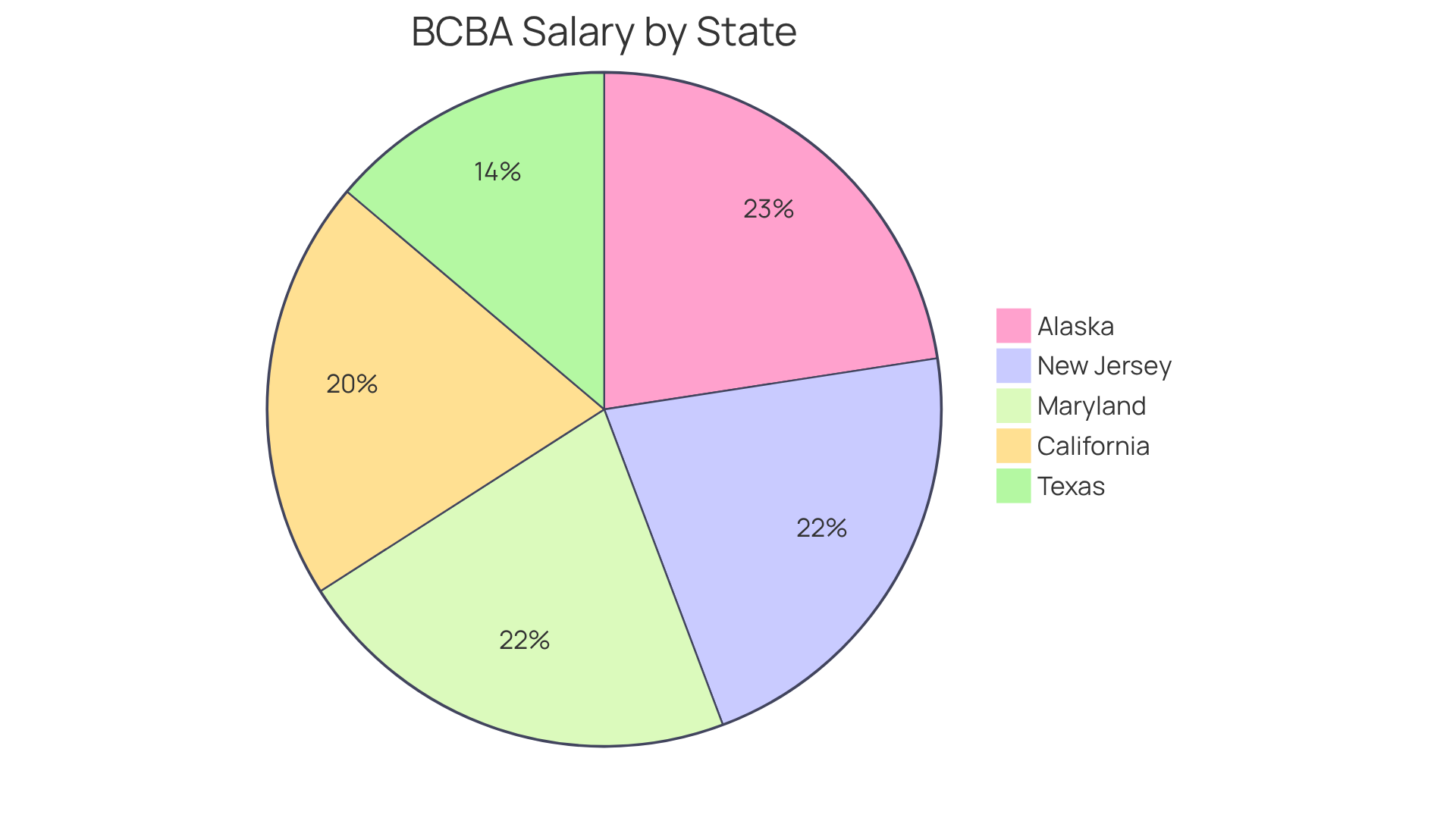
The demand for Board Certified Behavior Analysts (BCBAs) is skyrocketing, with the number of professionals increasing from 5,000 in 2013 to 48,000 in 2022. This surge highlights the critical need for qualified experts in the field. Geographic location plays a pivotal role in determining the average BCBA salary throughout the United States.
In California, for instance, average earnings can reach around $89,178, with cities like San Francisco offering even greater compensation due to the high cost of living. New Jersey stands out with an average BCBA income of approximately $95,532, reflecting its competitive job market. In contrast, Texas presents a lower average income of about $60,818, which aligns with its more affordable living costs.
Significantly, Alaska indicates the highest average compensation for board-certified behavior analysts at $99,394, driven by a strong demand for qualified experts and a restricted supply. Maryland also plays a key role in this landscape, recognized as the highest paying state for board-certified behavior analysts. The average BCBA salary throughout the United States is around $87,348, providing a helpful benchmark for assessing local compensation.
These regional differences emphasize the importance for job applicants and employers to consider location when evaluating job offers and compensation expectations. Are you facing challenges in hiring qualified BCBAs? Understanding these can help you make informed decisions.
Furthermore, candidates must be aware of local licensure requirements, which can vary by state. As the demand for BCBAs continues to grow, leveraging platforms like Hire ABA can streamline your recruitment process and connect you with top talent.
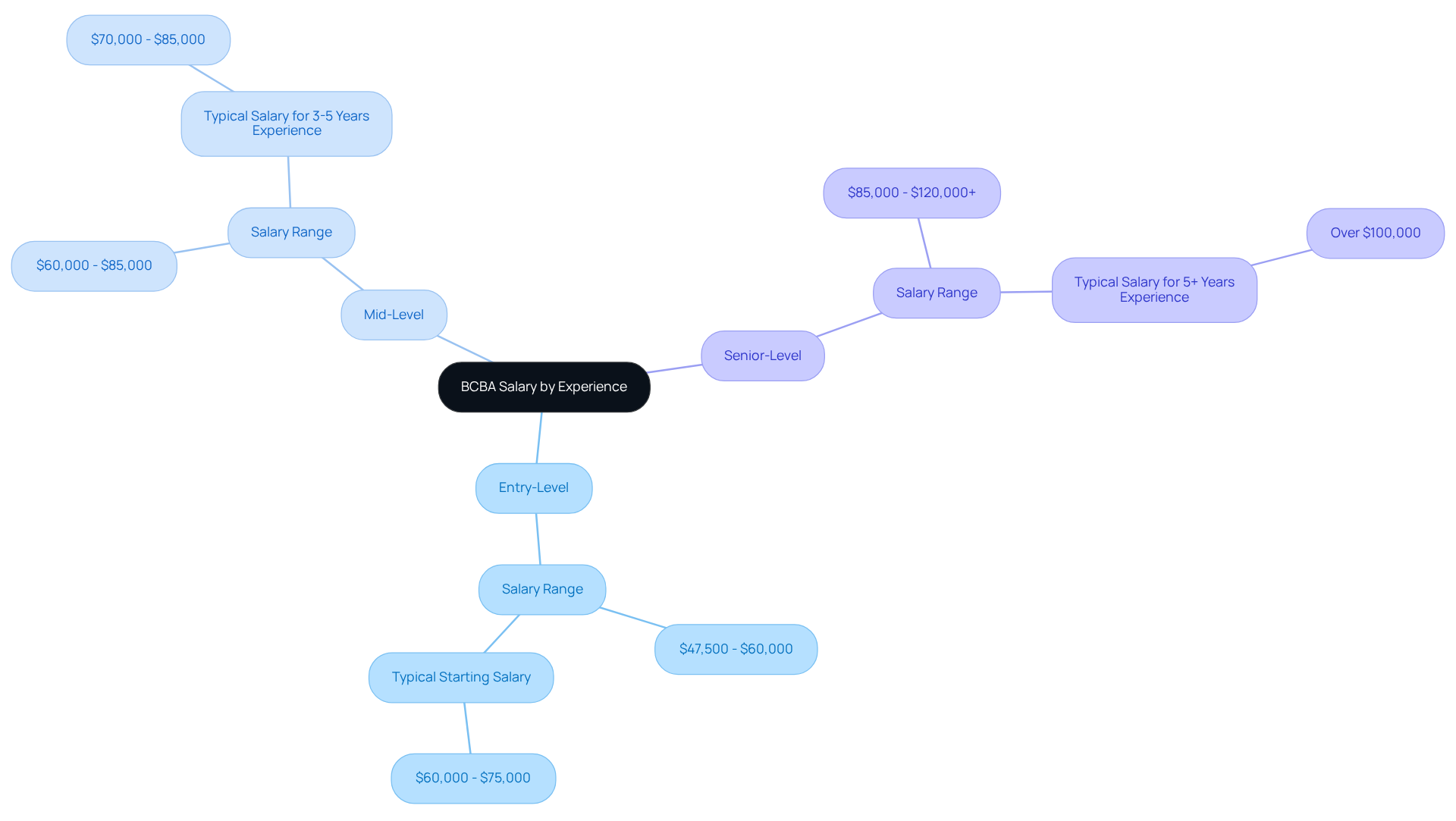
Experience significantly influences the average BCBA salary, as compensation reflects the level of expertise and responsibilities undertaken. Did you know that every extra year of experience can lead to a pay increase of approximately 2-4%? Here’s a detailed overview of expected salaries based on experience levels:
For instance, behavior analysts with 5-9 years of experience typically earn between $70,000 and $85,000, while those with over 20 years can command salaries that surpass the average BCBA salary of $100,000. This trend highlights the importance of continuous professional development and the pursuit of leadership opportunities. Seasoned professionals often reap significant financial rewards for their expertise and contributions to the field.
Are you facing challenges in hiring qualified BCBAs? Consider how Hire ABA can streamline your recruitment process and connect you with top talent in the industry. With the right support, you can ensure that your organization thrives with who are committed to making a difference.
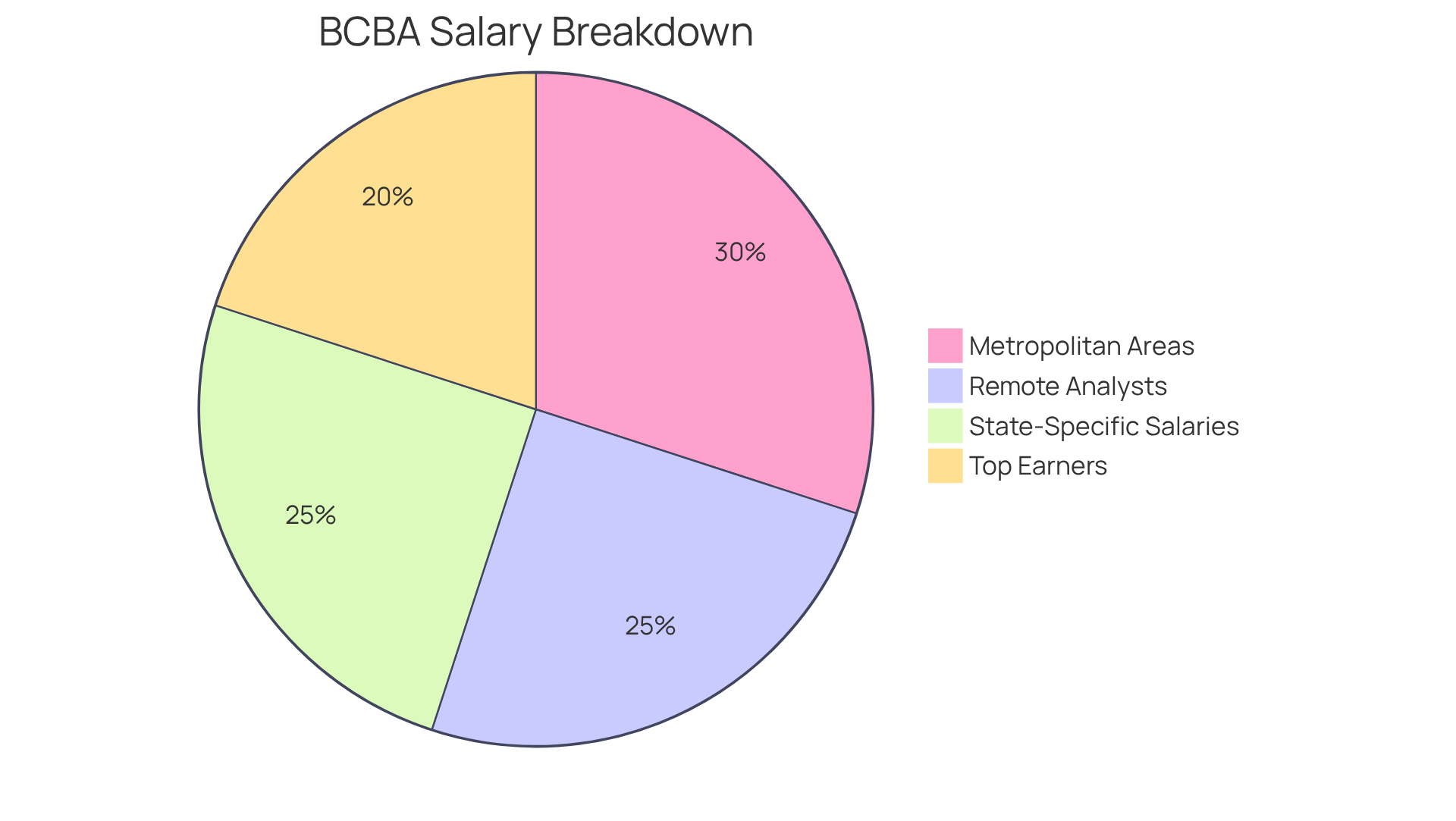
The outlook for the average BCBA salary is notably optimistic, driven by several key trends that highlight the increasing demand for these professionals.
Overall, BCBAs can anticipate a vibrant job market characterized by evolving salary trends, including the average BCBA salary, which highlights their critical role in healthcare. Are you ready to leverage these trends? Consider using [Hire ABA](https://hireaba.today) for your recruitment needs and tap into this promising landscape.
The landscape for Board Certified Behavior Analysts (BCBAs) is evolving rapidly, with demand skyrocketing and salaries on the rise. Did you know that the average BCBA salary is currently around $89,075? This figure underscores the vital role these professionals play in behavioral health. Factors such as education, experience, geographic location, and work settings significantly influence earning potential. It’s essential for both BCBAs and employers to grasp these dynamics.
With the anticipated growth in the BCBA job market driven by healthcare expansions and the rise of telehealth services, salaries are expected to continue trending upward.
In light of these insights, aspiring BCBAs and employers must stay informed about the evolving salary landscape. How are you navigating the hiring challenges in this competitive market? Leveraging resources like Hire ABA can connect qualified candidates with organizations, ensuring mutual benefits from the burgeoning opportunities within this field. As the demand for BCBAs grows, so does the potential for rewarding careers. Taking proactive steps now can lead to significant advancements in professional development and organizational success.
What is the average salary for Board Certified Behavior Analysts (BCBAs) in the United States as of 2025?
The average BCBA salary in the United States is approximately $89,075 annually, which translates to about $42.82 per hour.
How much can BCBA salaries vary?
BCBA salaries can vary significantly, ranging from $47,500 to over $149,000, depending on factors such as experience, location, and work setting.
What is the projected job market growth for BCBAs by 2026?
The demand for BCBAs is projected to grow by 25% by 2026, reflecting a robust job market for these professionals.
What educational qualifications can influence BCBA salaries?
Education and certification play a significant role; those with advanced degrees, such as a master's or doctoral degree, typically see higher salaries. For example, master's degree holders can earn between $56,000 and $70,000, while doctoral degree holders may command salaries ranging from $85,000 to $100,000.
How does experience affect BCBA salary levels?
Entry-level BCBAs generally earn between $40,000 and $60,000, with potential increases of $2,000 to $5,000 as they gain experience. Mid-level analysts can earn between $60,000 and $80,000, while senior analysts often make between $80,000 and $135,000.
How does the work setting impact BCBA salaries?
BCBAs in private practice or specialized healthcare environments typically earn more, with salaries ranging from $70,000 to $90,000, while those in educational or nonprofit institutions may earn between $45,000 and $70,000.
Are there geographic differences in BCBA salaries?
Yes, BCBAs in metropolitan areas or states with higher living costs generally earn more than those in rural areas. For instance, BCBAs in Massachusetts can earn typical incomes of around $95,000.
How can organizations find qualified BCBA candidates?
Organizations can leverage platforms like Hire ABA to navigate the recruitment process and connect with top-tier BCBA candidates.
Our expert recruitment strategies and AI-driven sourcing ensure that you receive top-notch candidates quickly, without compromising on quality. Whether you’re looking for BCBAs, Clinical Directors, or RBTs, we’ve got you covered.


