


Thank you! Your submission has been received!
Oops! Something went wrong while submitting the form.
November 21, 2025

Understanding the nuances of manuscript resubmission is crucial for authors navigating the intricate world of academic publishing. Did you know that a significant percentage of submissions face rejection due to misunderstandings in this process? This article explores the critical differences between 'revise' and 'reject and resubmit' decisions, offering strategies that can greatly enhance the quality of your submissions.
However, the journey to successful resubmission is not without its challenges. How can authors effectively address reviewer feedback and sidestep common pitfalls to boost their chances of acceptance? By delving into these strategies, you can transform your approach and improve your submission outcomes.
In academic publishing, grasping the of the terms 'revise' and '' is crucial for any writer aiming for success. A 'revise' decision typically indicates that the document holds value but requires modifications before it can be accepted. On the other hand, '' implies a , suggesting that while the document isn't suitable for publication at this moment, the editor sees potential in the work and encourages the writer to make significant changes before resubmitting.
Why does this distinction matter? Grasping these subtleties allows writers to tailor their edits effectively, focusing on the feedback provided to enhance their chances of approval in the future. For instance, if a manuscript receives a 'revise' decision, writers should zero in on addressing specific reviewer comments. Conversely, a '' may call for a more comprehensive overhaul of the manuscript's structure or argumentation.
By recognizing these differences, writers can better understand the , allowing them to navigate the revision process with confidence and ensuring their work aligns with the expectations of academic publishing. Are you ready to refine your manuscript and ? Understanding these terms is your .

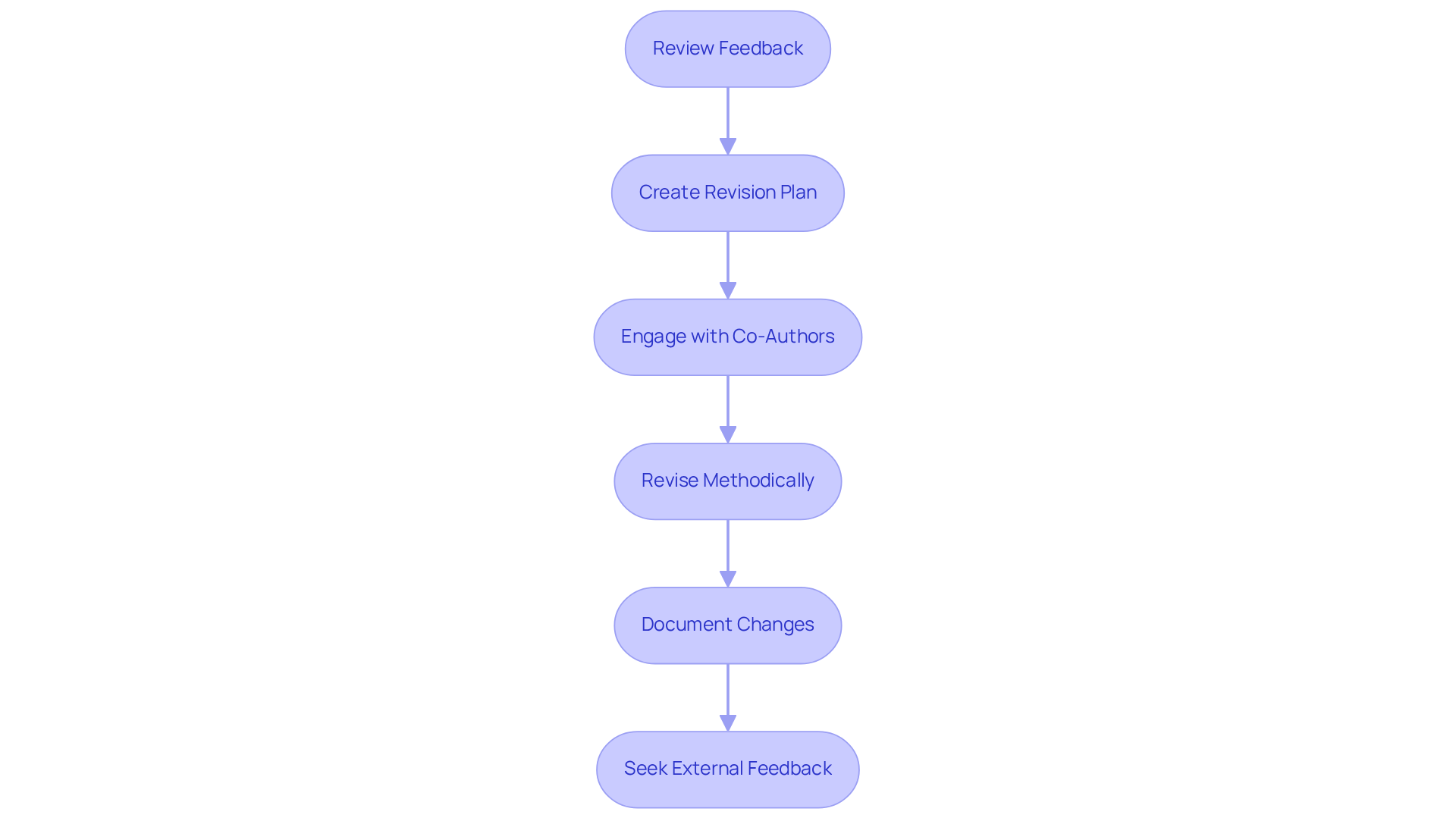
When faced with a 'revise and resubmit' decision, authors must comprehend the and adopt a . This is crucial for enhancing the quality of your manuscript and increasing the chances of acceptance. Here are some :
By following these strategies, you can enhance your manuscript and increase its chances of success. Remember, a thoughtful revision process not only improves your work but also demonstrates your commitment to quality.
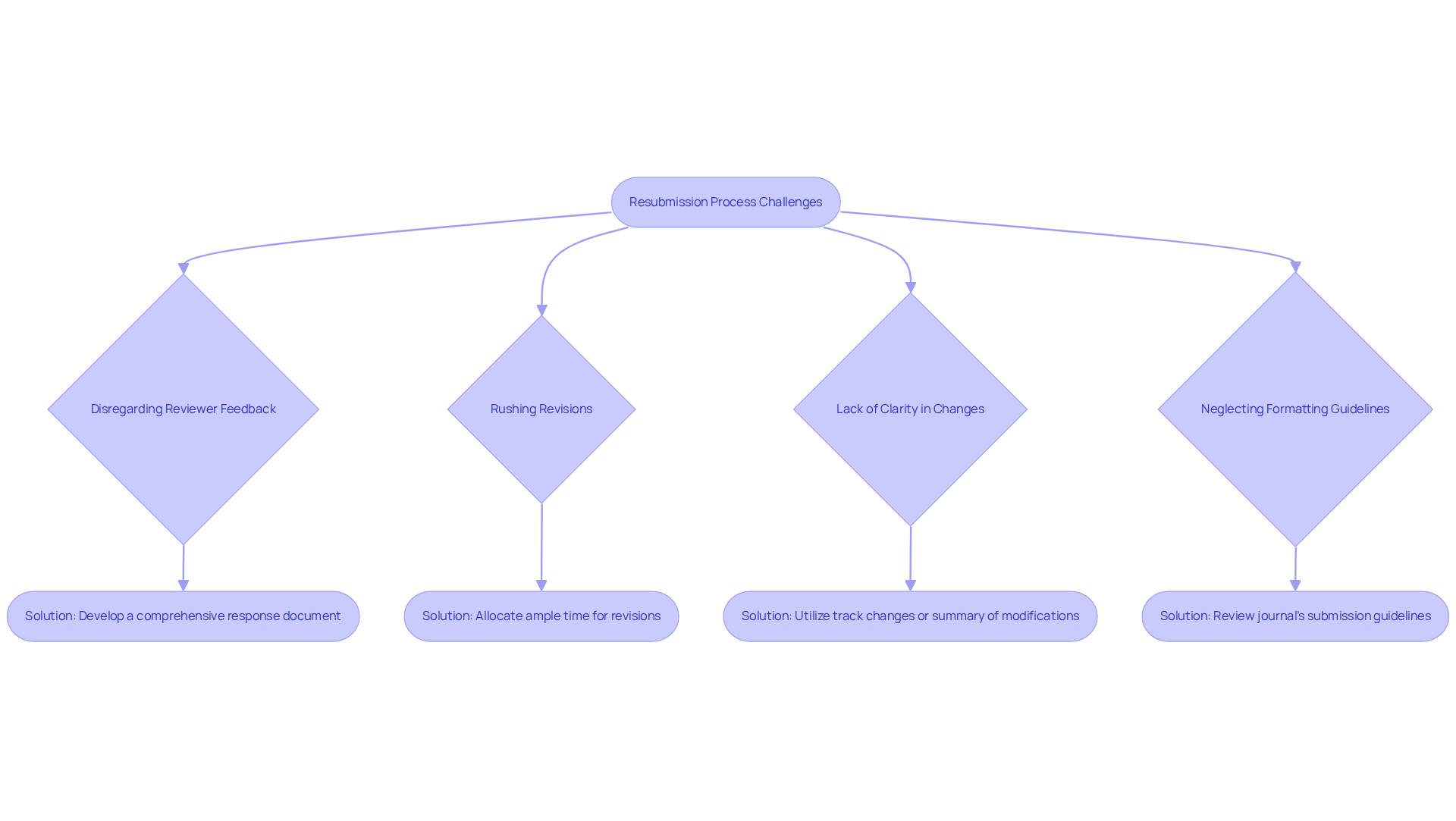
The challenges of the can present various difficulties for writers. effectively is crucial for enhancing . Did you know that over 50% of articles submitted for review are ultimately approved for publication? This statistic underscores the importance of . Here are common pitfalls encountered and strategies to effectively navigate them:
Disregarding : A significant mistake is failing to sufficiently respond to reviewer observations. Each point raised should be carefully considered and addressed in your revisions. Specialists like emphasize that comprehensive replies to not only improve the paper but also showcase the author's dedication to high-quality research.
Rushing Revisions: The pressure to resubmit quickly can lead to hasty and incomplete revisions. Statistics indicate that dedicating time to enhance your work significantly increases your chances of approval.
Lack of Clarity in Changes: Reviewers may struggle to understand if modifications are not distinctly indicated. This can lead to frustration and a negative impression of the author's responsiveness, reflecting the .
Neglecting Formatting Guidelines: Adhering to specific formatting requirements is essential for each journal during resubmission. Overlooking details can lead to desk rejection.
Disregarding suggestions can greatly reduce the chances of approval, making it essential for writers to . Case studies indicate that authors who actively incorporate often see a marked improvement in their manuscript quality and acceptance chances.
Understanding the nuances of manuscript resubmission is essential for authors navigating the academic publishing landscape. The distinctions between 'revise' and 'reject and resubmit' decisions are pivotal in guiding writers on how to approach their revisions. By familiarizing themselves with these terms, authors can effectively tailor their responses to reviewer feedback, ultimately enhancing their chances of acceptance.
This article outlines several key strategies for addressing both types of decisions. It emphasizes the importance of:
Additionally, it highlights common pitfalls, such as:
Alongside practical solutions to overcome these challenges. By implementing these strategies, authors can significantly improve the quality of their manuscripts and demonstrate their commitment to producing high-quality research.
Ultimately, the resubmission process should be viewed as an opportunity for growth and improvement rather than a setback. Embracing the feedback received and diligently working through revisions can lead to a stronger manuscript and a higher likelihood of publication. Authors are encouraged to view each revision as a step toward refining their work, ensuring that it meets the standards of academic excellence. Taking the time to understand and apply the insights from this article can pave the way for greater success in the competitive world of academic publishing.
What do the terms 'revise' and 'reject and resubmit' mean in academic publishing?
A 'revise' decision indicates that the manuscript has value but requires modifications before it can be accepted. In contrast, 'reject and resubmit' suggests that while the document is not suitable for publication at the moment, the editor sees potential and encourages significant changes before resubmission.
Why is it important to understand the distinction between 'revise' and 'reject and resubmit'?
Understanding this distinction allows writers to tailor their edits effectively, focusing on the feedback provided to enhance their chances of approval in the future. It helps writers know whether to address specific reviewer comments or to undertake a more comprehensive overhaul of their manuscript.
What should writers do when they receive a 'revise' decision?
Writers should focus on addressing the specific comments and feedback provided by the reviewers to improve their manuscript before resubmission.
What actions are recommended for a manuscript that receives a 'reject and resubmit' decision?
For a 'reject and resubmit' decision, writers should consider making significant changes to the manuscript's structure or argumentation before resubmitting it.
How can understanding these terms help writers in the revision process?
By recognizing the differences between 'revise' and 'reject and resubmit,' writers can navigate the revision process with confidence and ensure their work aligns with the expectations of academic publishing.
Our expert recruitment strategies and AI-driven sourcing ensure that you receive top-notch candidates quickly, without compromising on quality. Whether you’re looking for BCBAs, Clinical Directors, or RBTs, we’ve got you covered.


