


Thank you! Your submission has been received!
Oops! Something went wrong while submitting the form.
November 27, 2025

The rising demand for mental wellness support is fundamentally transforming the healthcare landscape, underscoring the vital role of behavioral assistants. These paraprofessionals not only provide essential support to licensed clinicians but also significantly enhance the delivery of mental health services, creating a nurturing environment for clients. As the need for trained behavioral aides continues to escalate, healthcare organizations must ask: how can they effectively integrate these professionals to improve patient outcomes and streamline operations?
Consider this: the demand for Board Certified Behavior Analysts (BCBAs) has surged in recent years, reflecting a broader recognition of the importance of mental health support. By leveraging the expertise of behavioral assistants, organizations can not only meet this demand but also elevate the quality of care provided.
Integrating behavioral assistants into your team can lead to improved patient outcomes. These professionals bring a wealth of knowledge and skills that complement the work of licensed clinicians, allowing for more comprehensive care. Moreover, their presence can alleviate some of the burdens on clinicians, enabling them to focus on more complex cases.
Are you facing challenges in hiring qualified behavioral aides? If so, consider how Hire ABA can streamline your recruitment process. With a dedicated platform designed specifically for this purpose, you can connect with qualified candidates who are ready to make a difference in your organization.
In conclusion, the integration of behavioral assistants is not just a trend; it’s a necessity in today’s healthcare environment. By partnering with Hire ABA, you can ensure that your organization is equipped with the right talent to meet the growing demand for mental wellness support. Take action now to enhance your team and improve patient care.
The demand for is on the rise, with a significant increase in the number of paraprofessionals expected in healthcare environments by 2025. These crucial play a vital role in supporting licensed clinicians, ensuring effective are delivered.
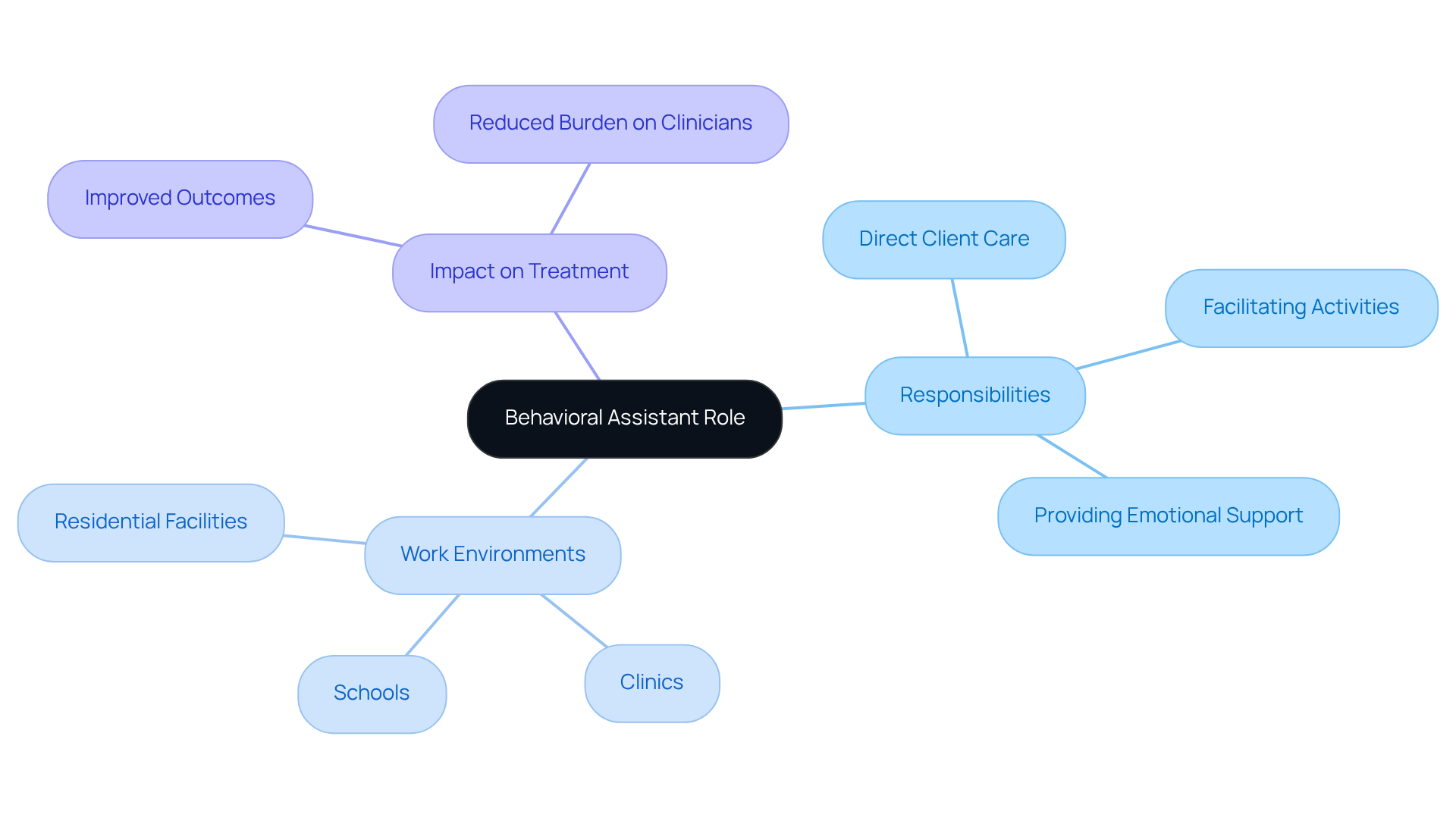
These professionals work closely with individuals facing , actively participating in the execution of treatment plans and interventions. Their responsibilities include direct client care, facilitating structured activities, and providing emotional support, all aimed at helping clients achieve their therapeutic objectives.
In various settings - schools, clinics, and residential facilities - create nurturing environments that enhance individual well-being. Mental wellness specialists emphasize that the presence of not only improves treatment outcomes but also alleviates the burden on certified practitioners. This enables a more focused and efficient provision of care.
Are you facing challenges in hiring the right ? Consider how can transform your . With the increasing need for , now is the time to act. Engage with like Hire ABA to ensure you have the right professionals in place to meet this growing demand.
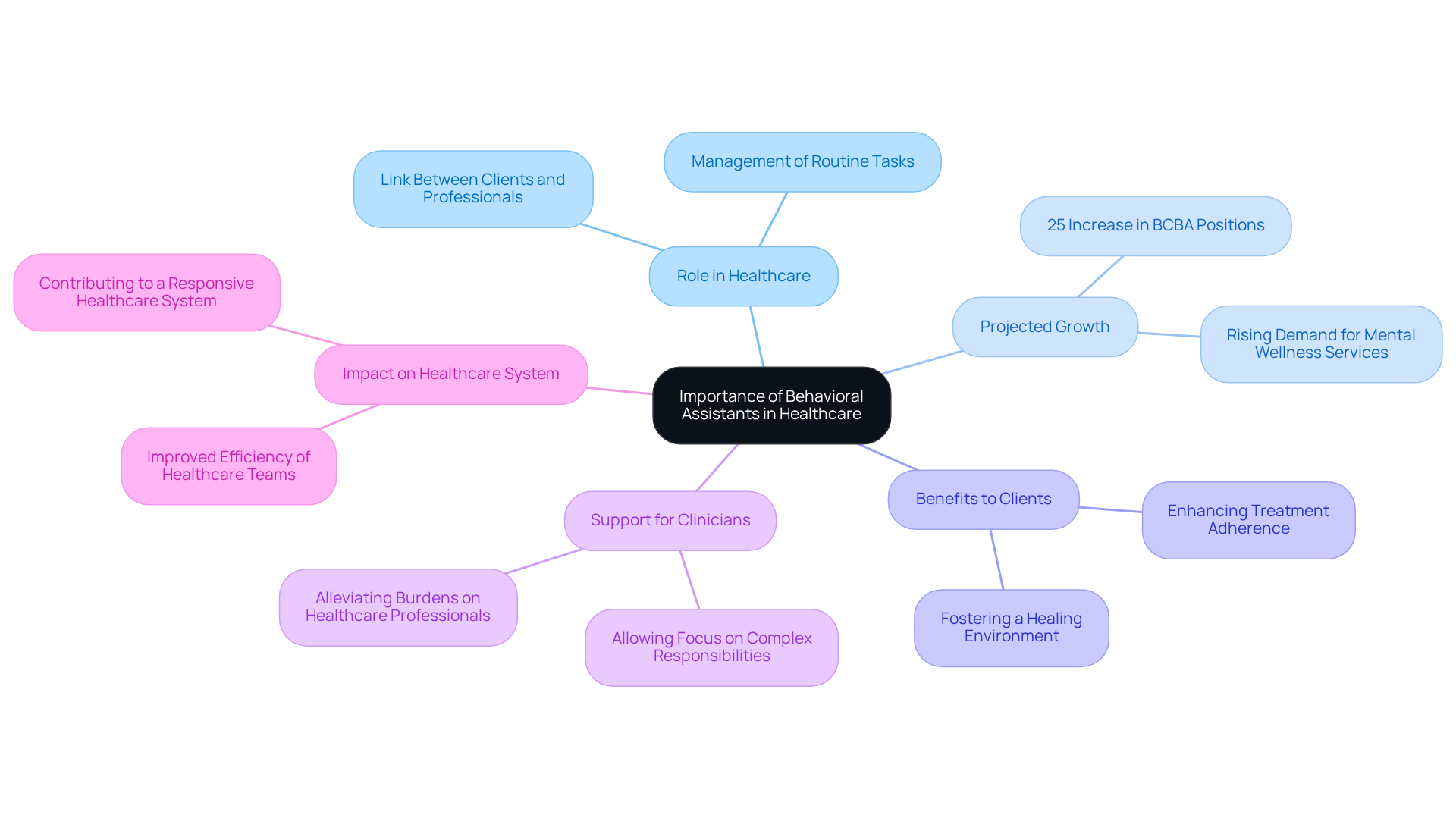
in the healthcare system, serving as a vital link between clients and licensed professionals. With the demand for and a over the next five years, the role of behavioral assistants is becoming increasingly significant. By managing routine tasks, they allow clinicians to focus on more complex clinical responsibilities, ultimately enhancing the efficiency of healthcare teams.
Consider this: when individuals feel supported, their likelihood of adhering to treatment plans increases, leading to . that fosters a healing environment, crucial for boosting engagement and adherence. Furthermore, their presence alleviates some of the burdens on , enabling them to deliver superior care.
This collaborative approach not only benefits individuals but also contributes to a more effective and responsive healthcare system. Are you facing challenges in hiring qualified ? Explore how can streamline your recruitment process and connect you with the right talent. With the , now is the time to act. Embrace the opportunity to enhance your team and improve patient care.
are indispensable in healthcare, with responsibilities that encompass observing individual behavior, assisting with , implementing , and meticulously recording progress. They must exhibit , empathy, and the ability to collaborate effectively with healthcare teams. Additionally, behavioral support professionals should be adept in and possess a solid understanding of . These competencies are vital for providing while ensuring their safety and well-being across various healthcare settings.
stands out as a critical component of their role. Behavioral aides require training in , as they frequently encounter situations that demand immediate action to safeguard client safety. Statistics indicate that effective crisis intervention training is crucial, equipping aides with the skills necessary to de-escalate potentially volatile situations and support individuals in distress.
Moreover, a robust understanding of management strategies is essential for support workers navigating the complexities of mental wellness care. This knowledge not only enhances their capacity to assist patients but also bolsters the overall effectiveness of . As the demand for continues to rise, with approximately 21,200 openings for psychiatric technicians and aides projected annually, the role of support staff becomes increasingly vital in fostering a nurturing and secure environment for individuals facing . The significance of telehealth experience has surged due to COVID-19, reflecting the evolving landscape of healthcare.
According to the U.S. Bureau of Labor Statistics, the median annual wage for psychiatric technicians was $42,590 in May 2024, highlighting the financial aspects of this essential role. The dedication of support personnel, characterized by compassion and perseverance, is crucial in addressing the substantial shortfall of mental wellness professionals that affected 150 million individuals in 2020. How can you ensure your organization is equipped with the right talent to meet this growing need? Consider the impact of hiring the right behavioral assistant today.

The demand for behavioral assistants is skyrocketing, driven by an increasing emphasis on mental wellness and the essential need for . Did you know that until 2026? This statistic highlights the expanding opportunities across various environments, including hospitals, schools, and private practices.
As individuals enter this profession, they can look forward to diverse advancement pathways. to specialized roles in therapeutic settings. Ongoing professional development and obtaining relevant certifications can significantly enhance career prospects, making this an attractive path for those eager to make a meaningful impact in mental wellness care.
The typical falls between $61,000 and $90,000, underscoring the profession's appeal and the . Furthermore, , with total compensation ranging from $88,000 to $151,000. This provides a broader perspective on salary expectations within the field.
BCBAs are in high demand across various sectors:
This data indicates a robust job market for positions as behavioral assistants. Are you facing challenges in hiring qualified personnel? Consider how can streamline your recruitment process and connect you with the right candidates.

The demand for mental wellness services is skyrocketing, making the role of behavioral assistants in healthcare more crucial than ever. These professionals provide essential support to licensed clinicians, ensuring that individuals facing mental health challenges receive the care and attention they truly need. By facilitating treatment plans and engaging in direct client care, behavioral assistants significantly enhance the therapeutic environment, leading to improved outcomes and more efficient healthcare delivery.
Key insights into the responsibilities, skills, and career opportunities for behavioral assistants reveal their critical functions. They:
All while prioritizing client safety and well-being. As the healthcare landscape evolves, the importance of these roles is underscored by the projected growth in demand, presenting significant opportunities for advancement and professional development.
Given the pressing need for mental wellness support, organizations must prioritize integrating skilled behavioral assistants into their teams. This not only enhances patient care but also alleviates the burden on healthcare professionals, creating a more effective and responsive system. Embracing this opportunity is vital for addressing the growing mental health crisis and ensuring that individuals receive the compassionate care they deserve. Are you ready to take action and enhance your team's capabilities?
What is the role of a behavioral assistant?
Behavioral assistants support licensed clinicians in delivering mental wellness services. They work closely with individuals facing mental health challenges, participate in executing treatment plans, and provide direct client care, emotional support, and facilitate structured activities.
Why is there an increasing demand for behavioral assistants?
The demand for mental wellness support is rising, leading to a significant increase in the number of paraprofessionals expected in healthcare environments by 2025.
In what settings do behavioral assistants typically work?
Behavioral assistants work in various settings, including schools, clinics, and residential facilities.
How do behavioral assistants impact treatment outcomes?
The presence of behavioral assistants improves treatment outcomes and alleviates the burden on certified practitioners, allowing for a more focused and efficient provision of care.
What are some of the responsibilities of behavioral assistants?
Their responsibilities include direct client care, facilitating structured activities, and providing emotional support to help clients achieve their therapeutic objectives.
How can organizations improve their mental wellness services?
Organizations can improve their mental wellness services by integrating paraprofessionals like behavioral assistants, which can transform the delivery of care.
What should organizations consider when hiring support staff?
Organizations facing challenges in hiring the right support staff should consider engaging with reliable recruitment platforms, such as Hire ABA, to meet the growing demand for mental wellness assistance.
Our expert recruitment strategies and AI-driven sourcing ensure that you receive top-notch candidates quickly, without compromising on quality. Whether you’re looking for BCBAs, Clinical Directors, or RBTs, we’ve got you covered.


