


Thank you! Your submission has been received!
Oops! Something went wrong while submitting the form.
October 26, 2025

Understanding the role of Registered Behavior Technicians (RBTs) has become increasingly vital in the realm of Applied Behavior Analysis (ABA) therapy. The demand for qualified professionals is surging, making RBTs essential to effective therapeutic interventions. They work directly with clients, implementing strategies that significantly enhance quality of life. But what does it truly mean to be an RBT? How does this certification impact the delivery of ABA services?
Exploring these questions reveals the profound significance of RBTs in client care. They not only provide direct support but also face challenges and opportunities within this essential field. As the landscape of ABA therapy evolves, the role of RBTs is more crucial than ever.
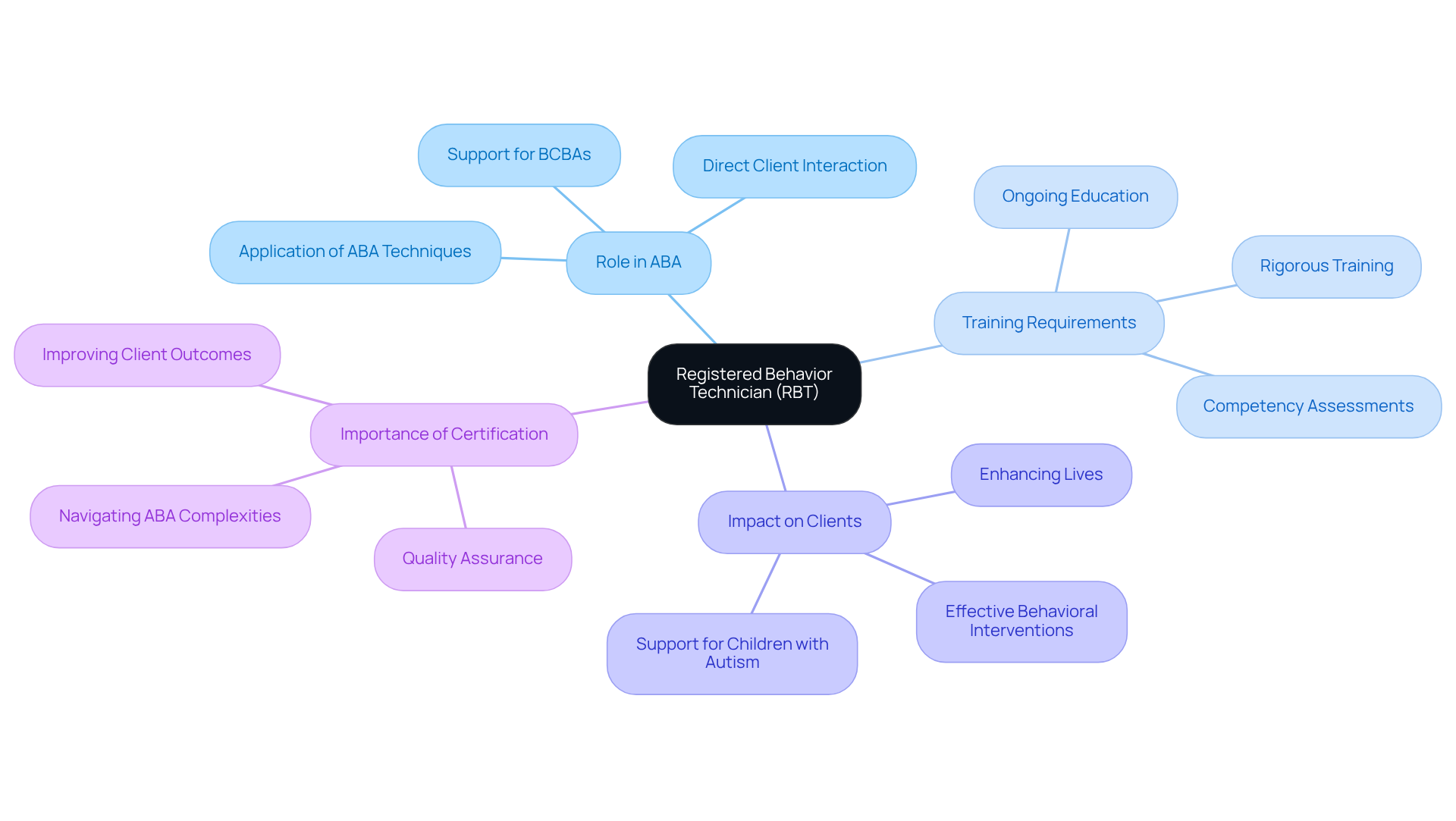
The is a crucial paraprofessional certification in the field of therapy, leading many to ask what does RBT mean, as it is governed by the Analyst Certification Board (BACB). Are you aware that the demand for is on the rise? Registered Behavior Technicians are specifically trained to deliver analytic services under the supervision of a BCBA, which makes it important to understand what does RBT mean in the context of ensuring high-quality care for clients.
This certification is particularly designed for individuals who work directly with clients, especially children with autism and other developmental disabilities. By providing essential support in the application of ABA techniques, RBTs play a vital role in enhancing the lives of those they serve. The signifies that the individual has met rigorous training and competency requirements, leading to an understanding of what does RBT mean in terms of delivering effective behavioral interventions.
Consider the impact of on your organization. With the right professionals in place, you can ensure that your clients receive the . Trust in the to help you navigate the complexities of ABA therapy and understand what does RBT mean for improving client outcomes.
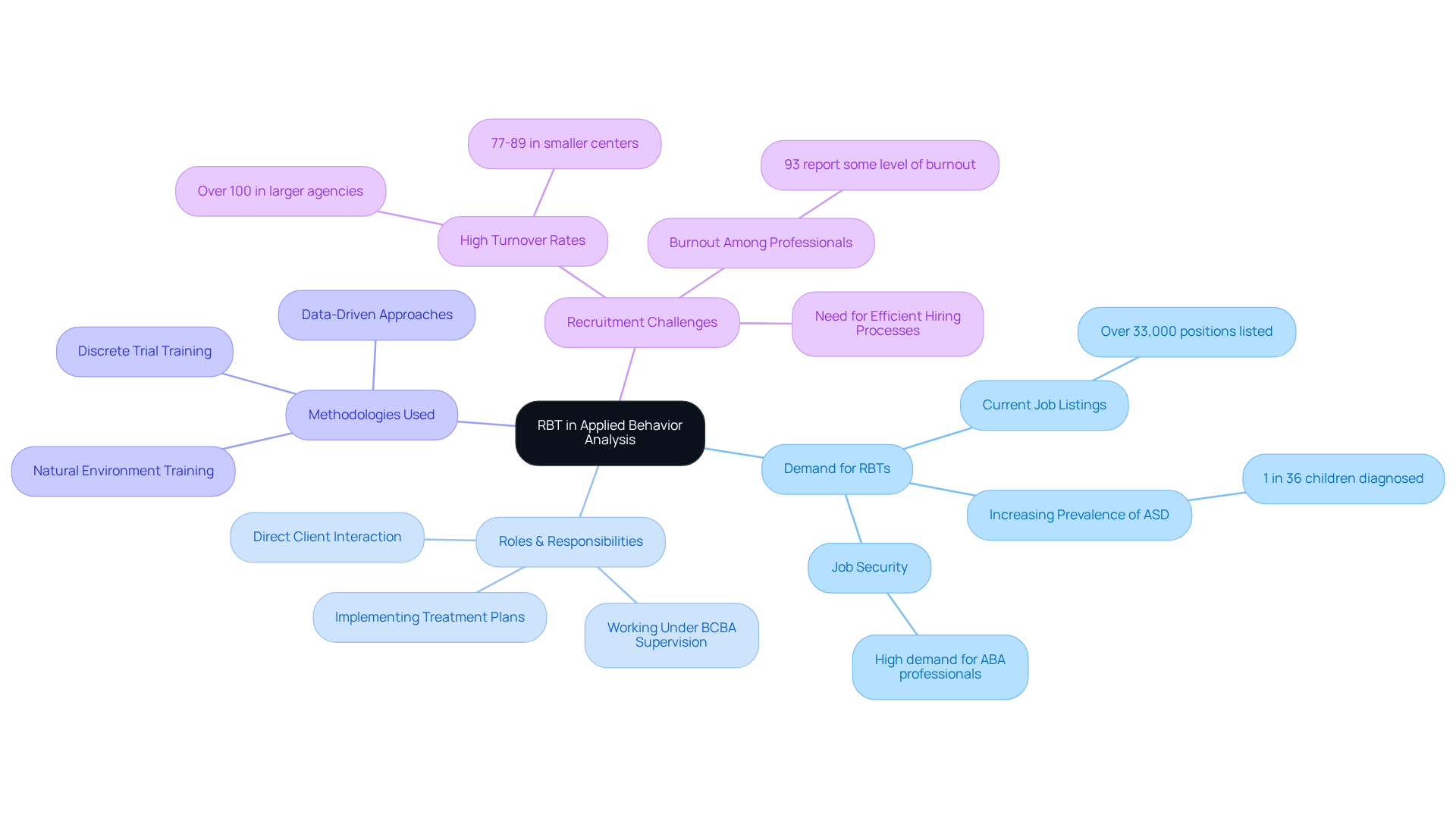
In the field of Applied Behavior Analysis, as the demand for (RBTs) has surged dramatically, many are asking in relation to the robust growth rate in . As of September 2023, over 33,000 Behavior Technician positions were listed, underscoring in this area.
are essential team members who play a pivotal role in executing treatment plans, leading to the inquiry of in the context of their work with (BCBAs). ABA employs a scientific methodology aimed at understanding and modifying behavior through structured interventions. RBTs interact directly with clients, utilizing methods such as discrete trial training and natural environment training to promote skill development and reduce maladaptive behaviors. Their involvement is crucial for the successful implementation of strategies devised by BCBAs, significantly enhancing the quality of care delivered to clients, which raises the question of what does RBT mean in this context.
Have you encountered challenges in finding qualified RBTs? The increasing need for ABA services, particularly within educational and clinical environments, makes it imperative to . At Hire ABA, we specialize in matching BCBAs with roles that align with their expertise and career goals.
This surge in demand highlights the , and it's important to understand what does RBT mean in and addressing the evolving needs of individuals requiring ABA therapy. By leveraging our platform, you can ensure that your hiring process is efficient and effective, ultimately supporting the growth and effectiveness of RBTs in the field.
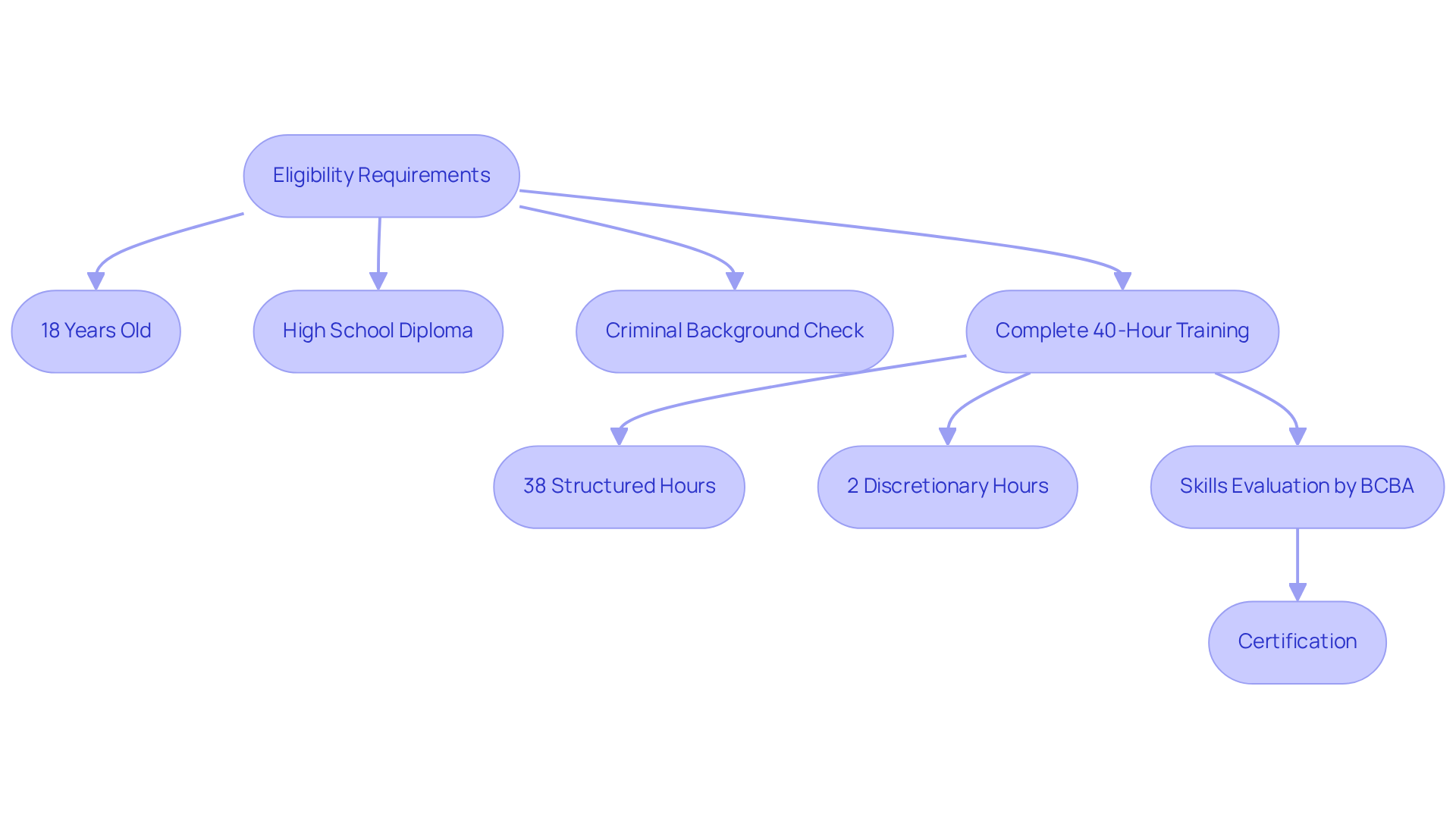
To understand what does rbt mean, candidates must meet specific (BACB) in order to become a . These :
Candidates are then required to complete a structured that encompasses the , addressing essential topics such as ethics, data collection, and , which ultimately helps clarify what does rbt mean. This training consists of 38 structured hours and 2 discretionary hours, ensuring a comprehensive educational experience.
Upon finishing the training, candidates must show their proficiency through a carried out by a certified Board Certified Analyst (BCBA). This assessment is crucial for verifying that candidates can effectively apply their knowledge in practical settings. Once certified, registered behavior technicians must through ongoing supervision and , which will include a new requirement of 12 hours of professional development every two years starting in 2026. This guarantees that registered behavior technicians stay updated on best practices and changing standards in the area of .
As the demand for qualified behavior technicians continues to grow, understanding these pathways and requirements is essential for both aspiring professionals and organizations looking to enhance their ABA services.
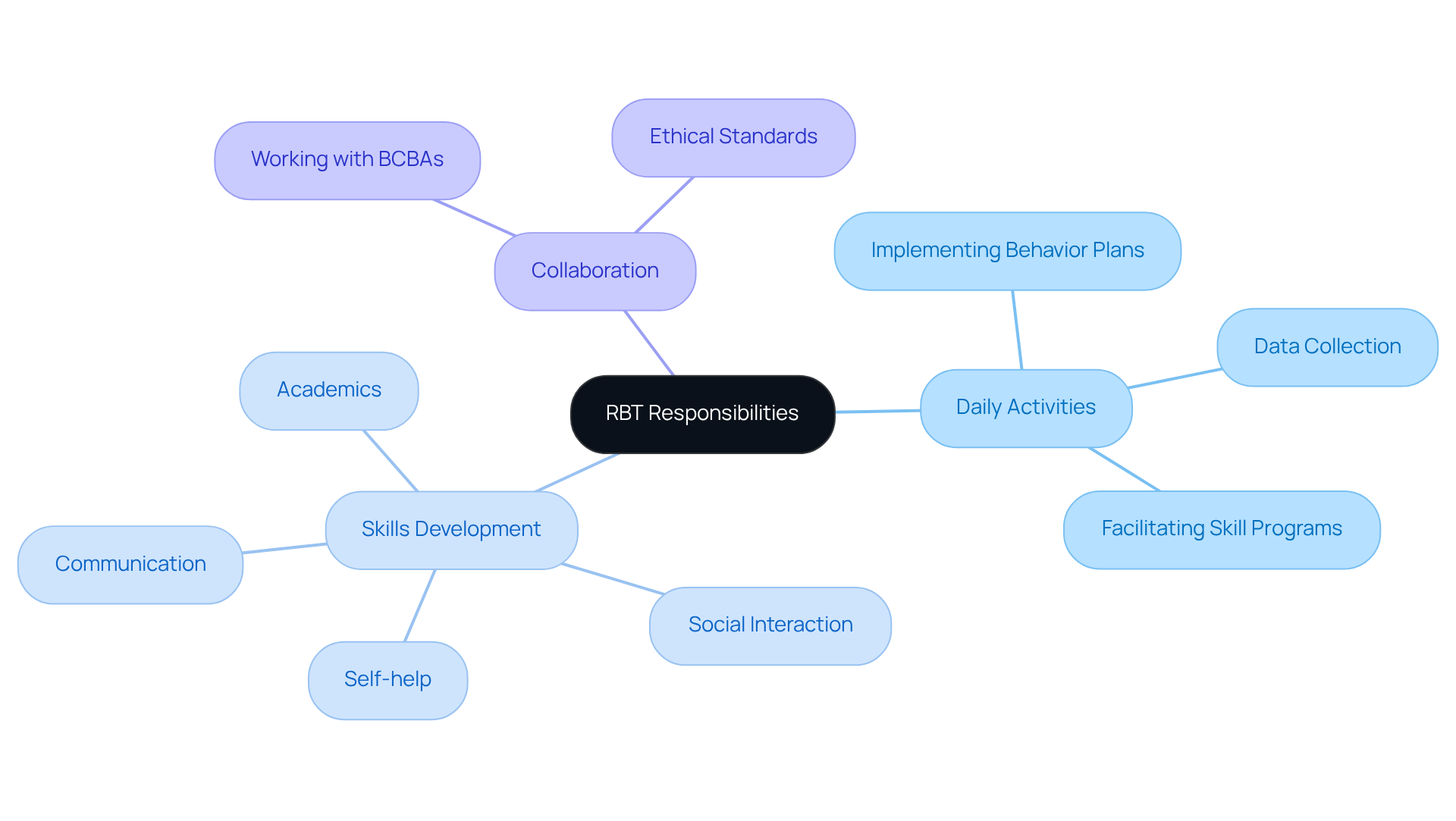
Understanding is crucial as hold essential responsibilities that significantly contribute to the success of therapy. Their daily activities encompass:
RBTs collaborate with individuals to develop a wide range of skills, including:
Engaging in direct one-on-one therapy sessions, they employ evidence-based techniques to teach vital skills effectively.
A critical aspect of their role involves meticulous data collection during each session, which is vital for tracking client progress and informing treatment adjustments. RBTs are trained to document behavioral patterns and outcomes, ensuring that the data collected is accurate and reflective of the client's development. This allows for informed decision-making regarding the effectiveness of interventions, enhancing the overall quality of therapy.
Collaboration with is another key component of the RBT's responsibilities. By working closely with BCBAs, RBTs ensure that treatment plans are executed accurately and modified as necessary based on the collected data. This practical engagement is essential for encouraging positive behavioral changes in clients, as RBTs provide the reliable assistance needed for effective learning and skill enhancement.
Moreover, behavior technicians are trained to identify , which is essential in maintaining high ethical standards in their practice. The demand for RBT jobs is high, prompting many individuals to inquire about , as excellent job prospects make this a promising career path for those interested in the field.
In summary, RBTs not only implement therapeutic strategies but also play a crucial role in , which directly affects the quality and effectiveness of ABA therapy. Additionally, RBTs handle administrative tasks such as writing session notes and creating progress reports, further contributing to their comprehensive role in the treatment process.
The significance of the Registered Behavior Technician (RBT) role in Applied Behavior Analysis (ABA) therapy cannot be overstated. RBTs are the backbone of effective treatment delivery, ensuring that clients, particularly children with autism and developmental disabilities, receive the highest standard of care. Understanding what RBT means is essential for recognizing how these professionals contribute to the success of behavioral interventions and the overall improvement of client outcomes.
Key points highlighted throughout this article include:
The increasing demand for RBTs reflects the growing need for skilled professionals in the field, emphasizing their vital role in implementing evidence-based practices and collecting data to inform treatment adjustments.
In light of these insights, investing in qualified RBTs is paramount for organizations seeking to enhance their ABA services. As the landscape of behavior analysis continues to evolve, the importance of RBTs in delivering effective therapy and improving client outcomes will only become more pronounced. Are you facing challenges in hiring the right professionals? Embracing this knowledge can lead to better hiring practices and ultimately contribute to the growth and effectiveness of ABA therapy as a whole.
What is a Registered Behavior Technician (RBT)?
A Registered Behavior Technician (RBT) is a paraprofessional certification in the field of Applied Behavior Analysis (ABA) therapy, governed by the Behavior Analyst Certification Board (BACB). RBTs are trained to deliver analytic services under the supervision of a Board Certified Behavior Analyst (BCBA).
Who typically works as an RBT?
RBTs primarily work directly with clients, especially children with autism and other developmental disabilities, providing essential support in the application of ABA techniques.
What qualifications do RBTs have?
The RBT certification signifies that the individual has met rigorous training and competency requirements, which equips them to deliver effective behavioral interventions.
Why is the RBT certification important?
The RBT certification is important because it ensures that qualified professionals are providing high-quality care and support to clients, which can significantly enhance the lives of those they serve.
How does hiring qualified RBTs benefit an organization?
Hiring qualified RBTs ensures that clients receive the best possible support in ABA therapy, which can improve client outcomes and help organizations navigate the complexities of behavioral interventions.
Our expert recruitment strategies and AI-driven sourcing ensure that you receive top-notch candidates quickly, without compromising on quality. Whether you’re looking for BCBAs, Clinical Directors, or RBTs, we’ve got you covered.


